main Takeaways
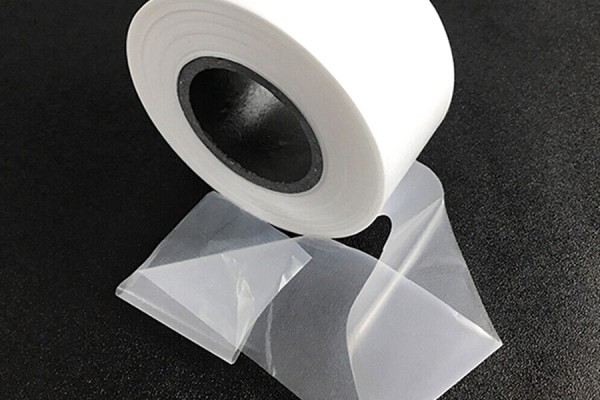
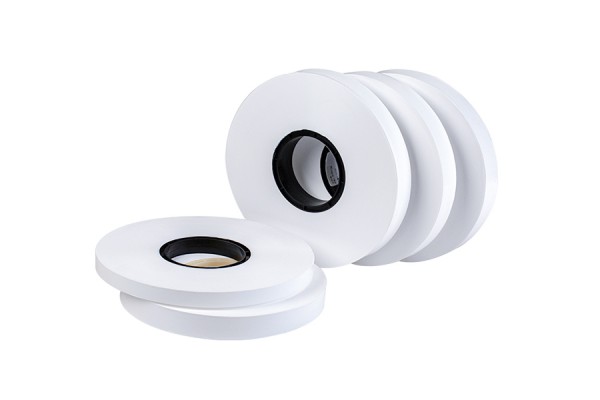
The high-speed PTFE wrapping tape for transmission lines remains essential to delivering reliable signal performance across varied applications. Its outstanding insulation properties and low dielectric constant jointly help diminish signal degradation, making it well suited for high-frequency environments like RF communications and data centers. Its resistance to temperature fluctuations helps it maintain consistent performance, even under demanding conditions. Users can expect lasting stability from PTFE wrapping tape, reducing the need for frequent replacements and maintenance checks. Additionally, its compatibility with different transmission-line designs highlights its versatility, offering engineers a reliable solution for improving signal integrity. Whether the need is for aerospace applications or telecommunications systems, the advantages of using PTFE tape in critical environments are hard to overlook. Its capacity to sustain performance amid environmental stresses makes it a trusted choice for professionals pursuing optimal transmission efficiency.
Optimizing signal integrity with PTFE Tape
The high-speed PTFE wrapping tape for transmission lines plays a key role in preserving optimal signal integrity by delivering low loss and minimal interference. The distinctive traits of PTFE wrapping film, such as its unidirectional design and stable dielectric behavior, greatly help reduce signal degradation. This tape is especially advantageous in settings where high frequencies are standard, like data centers and RF communication networks. By keeping dielectric thickness uniform, this PTFE cable wrapping tape effectively prevents impedance fluctuations, which can cause unwanted reflections and losses. Additionally, the improved mechanical stability of the tape ensures it can endure dynamic conditions without sacrificing performance. Employing PTFE Thread Seal Tape tailored for high-speed applications provides users with confidence that their systems will run reliably over time, avoiding maintenance issues tied to signal integrity and transmission efficiency.

Benefits of PTFE Tape for High-Speed Data
PTFE tape provides numerous advantages for high-speed data transmission applications. Its low dielectric constant reduces signal loss, ensuring clear and efficient transmission across a range of frequencies. This characteristic is especially critical in settings that require precision, such as data centers and advanced RF systems. The stable temperature range of PTFE tape helps sustain performance consistency, which is essential to keep high-speed data flows uninterrupted. Additionally, its mechanical properties offer excellent insulation and resilience against moisture and temperature fluctuations, promoting a longer service life. The smooth surface of PTFE wrapping tape prevents air voids during installation, which can cause impedance inconsistencies. Consequently, its use is important for maintaining signal integrity across the transmission line, effectively supporting rapid communication needs across various demanding sectors.
PTFE Wrapping Tape in RF Communication
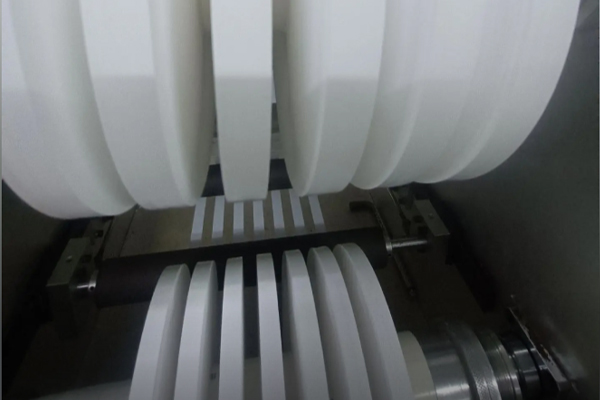
PTFE wrapping tape serves a crucial role in RF communication, where dependable signals are essential. Its distinctive molecular structure contributes to reduced dielectric losses, making it suitable for high-frequency applications. Its excellent insulation properties prevent signal degradation, enabling clear and uninterrupted transmission. In environments with temperature fluctuations, such as data centers and telecom networks, the tape maintains its performance—even under harsh conditions. This stability is vital for RF systems that demand precision and consistency. Additionally, the capacity to tailor PTFE wrapping tape thickness helps address particular impedance needs in different configurations, ensuring optimal performance across a range of applications. In sum, using PTFE wrapping tape not only improves signal fidelity but also extends longevity in RF communication systems.
Reducing losses with High-Speed Tape
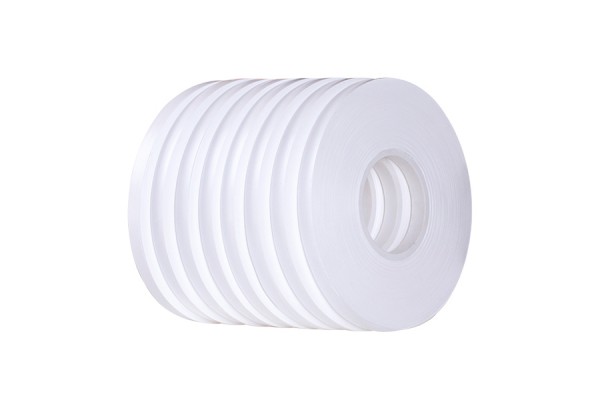
The high-speed PTFE wrapping tape for transmission lines plays a key role in reducing signal losses across diverse applications. Its distinctive structure, together with PTFE’s low dielectric constant, notably lowers polarization loss that may appear at high frequencies. By creating a stable environment for signal transmission, this tape helps preserve the integrity of rapid data as it moves through cables. In demanding contexts, like data centers, PTFE tape’s resistance to temperature variations ensures consistent performance. This reliability means signal attenuation and phase shifts are effectively mitigated, which is vital for seamless data flow. Additionally, the durability of PTFE lets it endure mechanical stresses without compromising its insulating properties. Consequently, engineers and technicians can rely on this tape to ensure optimal performance across multiple transmission lines while confronting the challenges of modern communication demands.

Ensuring performance in Data Centers
The high-speed PTFE wrapping tape for transmission lines is crucial for preserving signal integrity inside data centers. Its distinctive composition reduces signal loss, offering a meaningful edge in environments where performance matters. PTFE’s low dielectric-loss properties ensure that high-frequency signals are transmitted efficiently, lowering the risk of attenuation that can arise from inferior materials. Furthermore, the tape’s tolerance for extreme temperatures means it can perform effectively across varied thermal conditions typical in data centers. This thermal resilience helps prevent performance degradation over time, ensuring dependable communication between devices. As data demands grow, using high-quality PTFE wrapping tape becomes essential for optimizing system reliability and efficiency, ensuring data centers can meet the increasing need for fast and stable connectivity.
long term Stability of PTFE Wrapping Film
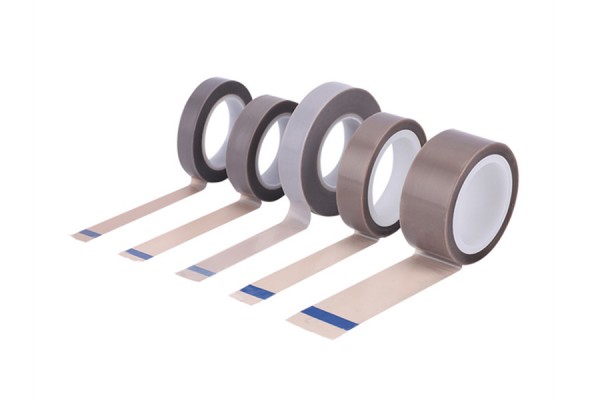
The durability of PTFE wrapping film is a key factor for industries where consistent performance matters. This material shows notable resistance to a range of environmental stresses, including extreme temperatures and humidity. Its stable characteristics ensure it does not degrade over time, preserving its dielectric properties even under prolonged exposure to tough conditions. Additionally, the film’s strong resistance to chemical exposure adds another layer of reliability, enabling it to function effectively in demanding applications like aerospace and medical devices. Regular inspections show PTFE tape stays intact without notable wear or loss of functionality, proving its effectiveness in preventing potential signal loss or interference. This lasting quality makes PTFE wrapping tape a dependable choice for long-term use in high-speed transmission lines and RF communication systems.
Applications of PTFE Tape in Critical Environments
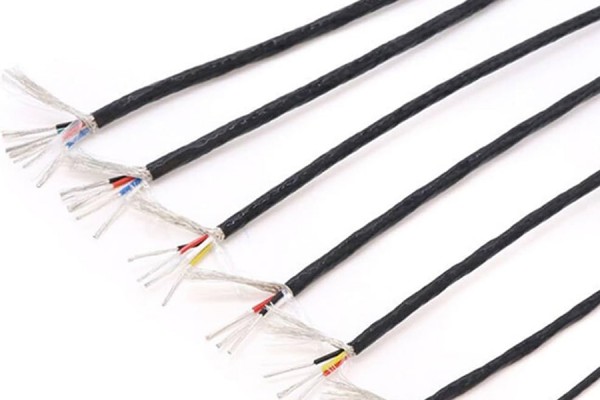
PTFE tape finds broad use in settings where high performance and reliability are essential. Its superb insulation properties make it suitable for applications in aerospace, automotive, and telecommunications sectors. In aerospace, PTFE tape is used in wiring harnesses and RF cables to ensure signal integrity under extreme temperatures and pressures. Likewise, the automotive sector benefits from this tape to shield sensitive wiring from high heat and moisture while maintaining consistent performance. In telecommunications, PTFE wrapping tape plays a key role in high-speed transmission lines that demand stable signal quality to minimize data loss. The durable nature of PTFE also enables it to withstand harsh chemical environments, making it well-suited for industrial applications where equipment endures corrosive substances. As technology advances, the need for reliable signal transmission continues to grow, underscoring the importance of PTFE tape in various crucial applications.
main Features of High-Speed Transmission Tape
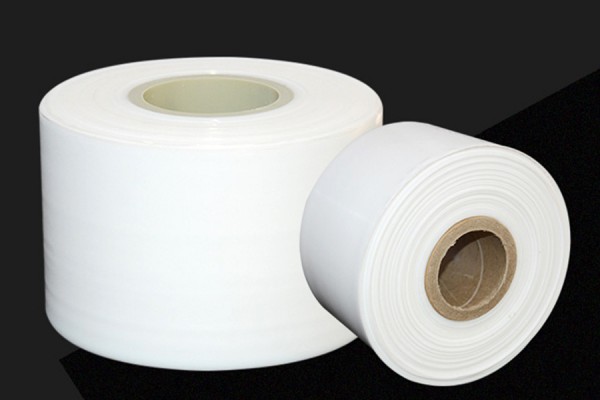
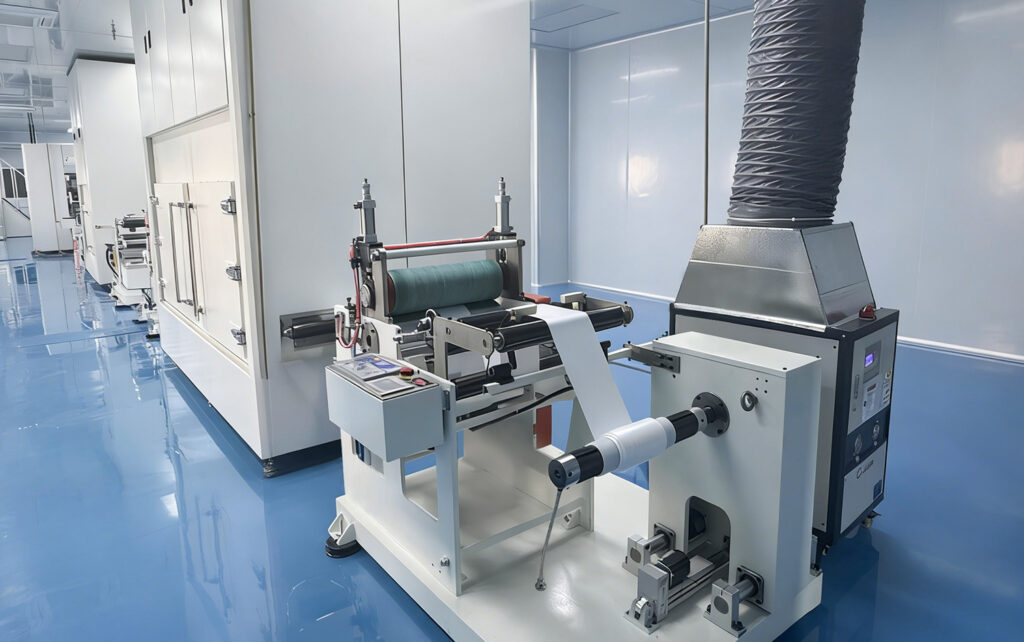
The high-speed PTFE wrapping tape for transmission lines is designed for peak performance in demanding applications. Its unidirectional stretched architecture reduces high-frequency signal polarization loss, a key feature that helps preserve signal integrity. The tape’s low dielectric loss stems from its stable molecular arrangement, making it suitable for high-speed data transmission in settings where performance matters. Thickness consistency ensures each roll maintains uniform impedance, important for reliable connections. Additionally, the tape’s robust dielectric strength resists demanding operating conditions without compromising performance, which is vital for both short-term efficiency and lasting reliability. This blend of properties makes the PTFE wrapping tape valuable in environments such as data centers and advanced RF communication systems, where efficient signal propagation is crucial.
Conclusion
The high-speed PTFE wrapping tape for transmission lines remains essential for preserving signal integrity across demanding applications. Its distinctive properties, including low dielectric loss and mechanical stability, ensure dependable performance even in tough environments. Its capacity to endure temperature fluctuations without sacrificing performance is especially advantageous in data centers and RF networks. Over time, users can anticipate consistent performance without degradation, meaning maintenance issues tied to signal quality are markedly reduced. As technology moves forward quickly and the demand for fast, dependable communication grows, the importance of PTFE wrapping tape will echo across industries seeking efficient solutions to meet their transmission needs.
FAQs
What is high-speed transmission line PTFE wrapping tape?
What is the high-speed PTFE wrapping tape for transmission lines?
High-speed transmission line PTFE wrapping tape is a specialized insulating tape designed to reduce signal loss and interference in data transmission.
How does PTFE tape boost signal integrity?
How does PTFE tape improve signal integrity?
PTFE tape improves signal integrity by offering a low dielectric constant, reducing attenuation, and preventing impedance variations that can cause signal degradation.
What are the typical applications of PTFE wrapping tape?
What are the common applications of PTFE wrapping tape?
PTFE wrapping tape is commonly used in data centers, RF communication systems, aerospace, and telecommunications where reliable signal transmission is critical.
Is PTFE tape resistant to extreme conditions?
Does PTFE tape resist extreme conditions?
Yes, PTFE tape is engineered to withstand extreme temperatures and humidity levels, ensuring consistent performance even in demanding environments.
How does PTFE tape compare to other insulating materials?
How does PTFE tape stack up against other insulating materials?
PTFE tape offers superior dielectric properties compared with many other insulators, making it a preferred choice for high-speed data applications and settings demanding stability.