
main Takeaways
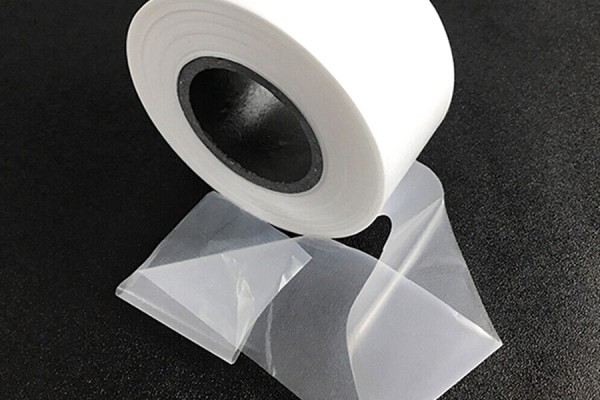
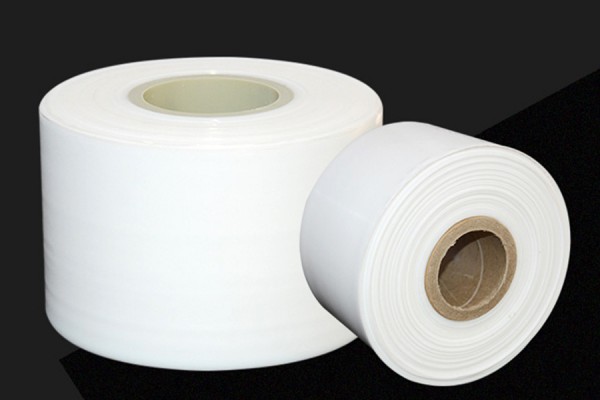
ePTFE membranes are integral to innovation across various sectors, particularly in fuel cells and telecommunications. Their ability to allow selective permeability enhances the efficiency of fuel cells by enabling proton transfer while blocking detrimental gases, which leads to better performance and longevity. In telecommunications, low dielectric loss and moisture resistance are significant for maintaining signal integrity, supporting the demands of high-frequency devices essential for advancing technologies like 5G. Furthermore, the lightweight nature and flexibility of ePTFE membranes facilitate their incorporation into diverse applications, enhancing overall system designs. The versatile utility of ePTFE not only supports critical advancements in energy efficiency but also meets the rising technological demands across industries. As reliance on sustainable solutions grows, ePTFE membranes will likely remain at the forefront of developing materials required for future projects.
Benefits of ePTFE Membranes in Fuel Cells
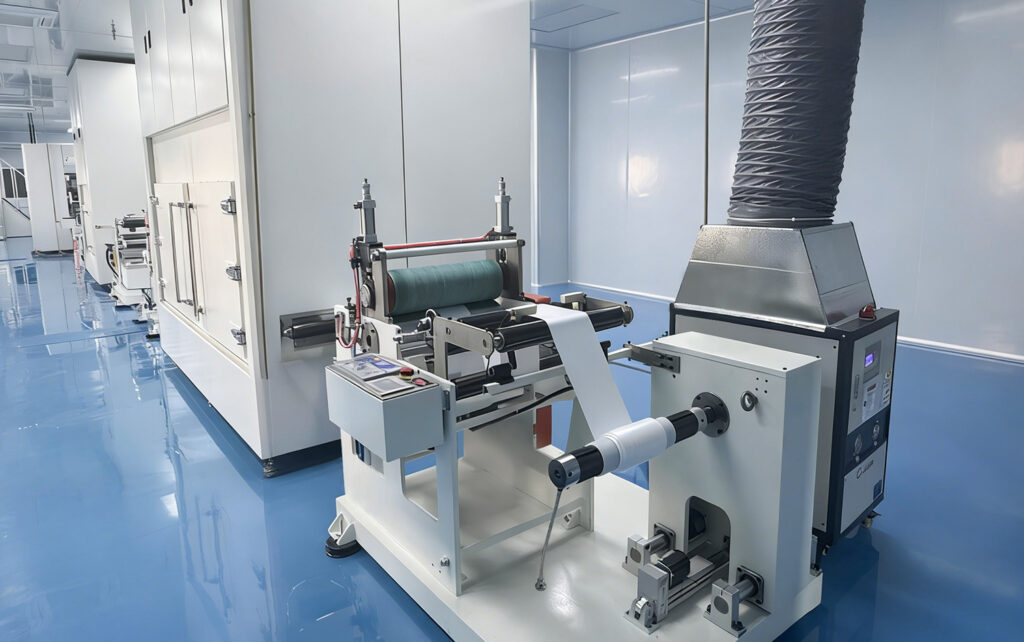
ePTFE membranes provide significant advantages in fuel cell technology, primarily due to their unique properties. These membranes facilitate efficient proton exchange while effectively blocking gases and liquids, which is essential for maintaining optimal performance in fuel cells. Their durability and excellent chemical resistance contribute to longevity and reliability, critical factors for energy solutions facing high operational demands. Thickness specifications of ePTFE membranes boost their utility, with a common measurement at around 0.02mm, optimizing performance without adding unnecessary weight. also, ePTFE’s gas permeability characteristics play a vital role in accelerating the reactions within fuel cells, which can lead to increased current density and operational efficiency. This results in lower fuel costs and longer stack life, making them an invaluable component for both commercial and industrial applications. As the demand for cleaner energy solutions grows, the importance of ePTFE membranes continues to expand across various sectors within the energy industry.
ePTFE Membranes: A Game Changer in Telecommunications
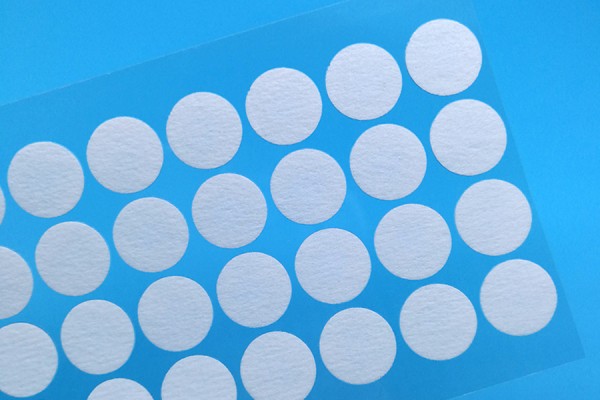
ePTFE membranes play a important role in enhancing telecommunications infrastructure. Their unique properties, including low dielectric loss and moisture resistance, ensure efficient signal transmission, critical for high-frequency applications. These membranes significantly improve the performance of devices such as antennas and filters, minimizing signal degradation and interference. With advancements in 5G technology and the anticipated shift to 6G, ePTFE’s lightweight nature and robust chemical resistance make it ideal for creating compact and reliable communication components. also, ePTFE membranes facilitate the design of miniaturized equipment without compromising effectiveness, making them invaluable in mobile networks. As telecommunication companies increasingly demand materials that meet rigorous performance standards, ePTFE membranes emerge as a preferred choice for original solutions that support growing data traffic while maintaining operational efficiency across networks.
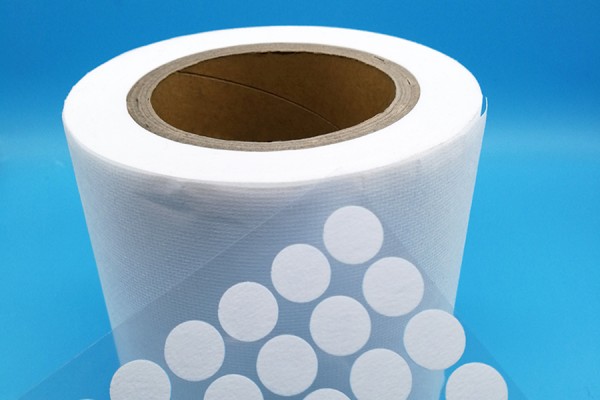
Exploring ePTFE Properties for Enhanced Efficiency
ePTFE membranes possess unique characteristics that significantly improve efficiency across diverse applications. Their low dielectric constant enables reduced signal loss, making them ideal for high-frequency telecommunications. This property enhances performance, ensuring rapid and reliable data transmission. also, ePTFE membranes exhibit excellent chemical resistance, making them suitable for harsh environments where exposure to aggressive substances occurs. This durability ensures longevity and reduces maintenance costs. Moreover, the membranes’ lightweight structure contributes to overall system efficiency by minimizing energy consumption and improving mechanical performance in various setups. As industries strive for heightened efficiency and reduced environmental impact, the adaptability of ePTFE showcases its critical role in modern technology solutions from communication systems to energy applications such as fuel cells.
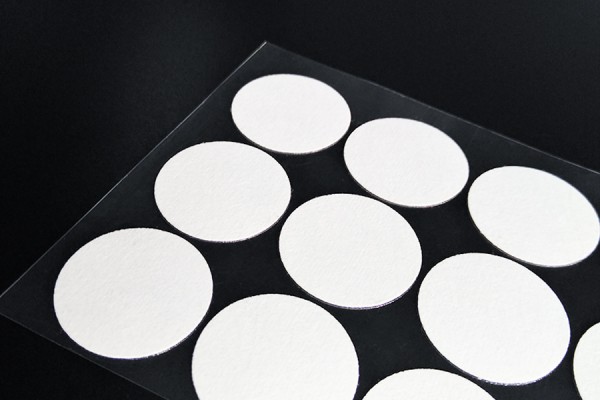
Versatile applications of ePTFE Membranes Across Industries
ePTFE membranes play a vital role across various sectors due to their unique characteristics. In the telecommunications industry, these membranes facilitate efficient signal transmission, minimizing loss and interference. Their lightweight and flexible nature makes them ideal for high-performance applications in wireless communication devices. In fuel cell technology, ePTFE membranes are essential for their ability to selectively allow protons to pass while blocking other gases, which enhances overall efficiency and longevity of the fuel cells. furthermore, ePTFE membranes are useful in the medical field, where they are used in medical devices that require biocompatibility and stability under dynamic conditions. Their robust chemical resistance also finds applications in the chemical processing industry, where they excel as protective coatings and seals. The adaptability of ePTFE membranes positions them as important components in new technologies, ensuring reliability and performance across a spectrum of modern applications.
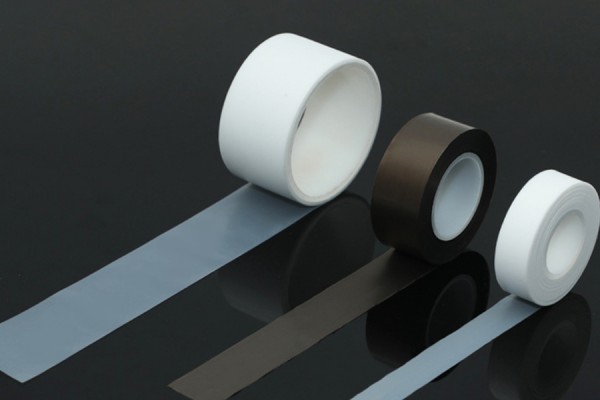
Why ePTFE Membranes Are Essential for High-Tech Solutions
ePTFE membranes play a vital role in modern technology due to their unique properties that cater to high-performance demands. Their ability to withstand extreme temperatures and chemical environments makes them ideal for applications in sectors such as telecommunications and fuel cells. In telecommunications, ePTFE membranes contribute to signal integrity and transmission efficiency, important factors in an era of rapidly advancing digital communication. Moreover, their lightweight structure and flexibility enable the design of compact yet effective devices. In the energy sector, ePTFE membranes boost fuel efficiency in Proton Exchange Membrane (PEM) fuel cells by allowing protons to pass while blocking other gases, significantly improving system performance. also, their durability and resistance to degradation ensure a longer lifespan in various applications. As industries increasingly seek solutions that boost productivity and reliability, ePTFE membranes emerge as essential components driving innovation in high-tech solutions across diverse fields.
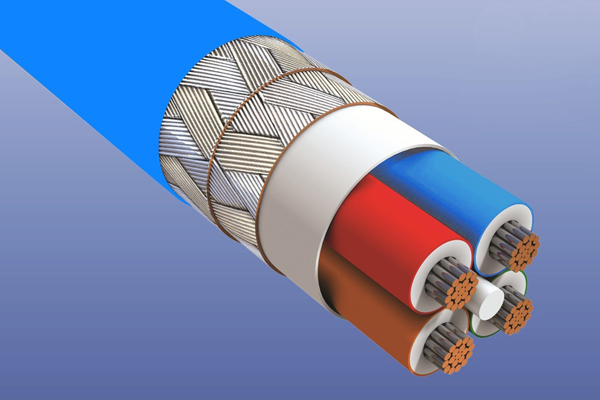
Maximizing performance with Advanced ePTFE Technology
Advanced ePTFE technology significantly elevates performance across multiple applications. The material’s unique properties, such as excellent chemical resistance and thermal stability, enable it to function effectively in demanding environments. For instance, in telecommunications, ePTFE membranes boost signal clarity and reduce interference, leading to improved data transmission rates. This enhancement is critical as the industry transitions toward higher bandwidth demands. furthermore, the lightweight and flexibility of ePTFE materials allow for easier integration into complex systems while maintaining structural integrity. In fuel cells, its role as a proton-conducting membrane proves essential for energy conversion efficiency, facilitating faster reactions and extending operational life. The combination of these features positions ePTFE as a versatile solution that meets both current and future technological needs in sectors like aerospace and renewable energy. This adaptability highlights its importance in driving innovations that require efficient performance at every level of design and application.
Impact of ePTFE on Modern Energy Solutions
ePTFE membranes play a vital role in advancing modern energy solutions, particularly in applications like fuel cells and battery technologies. Their unique properties, such as high gas permeability and chemical resistance, enable efficient operation in energy conversion systems. For instance, in Proton Exchange Membrane (PEM) fuel cells, ePTFE membranes facilitate proton transport while effectively blocking gases that could hinder performance. This dual function leads to faster reaction rates, ultimately improving overall efficiency and reducing operational costs. also, as the world shifts towards sustainable energy sources, the reliability of ePTFE membranes becomes paramount due to their durability under various environmental conditions. The adoption of ePTFE technology can significantly boost the performance of renewable energy systems and contribute to advancing innovations across different sectors. As industries emerge seeking solutions for energy storage and conversion challenges, ePTFE’s attributes position it as an integral component in meeting future demands for cleaner and more efficient energy systems.
Conclusion
the dynamic role of ePTFE membranes across various industries underscores their importance in modern applications. As technology continues to evolve, the need for materials that can withstand demanding environments while enhancing efficiency remains critical. ePTFE membranes not only offer superior chemical resistance and thermal stability but also contribute significantly to performance optimization in fields such as telecommunications and energy solutions. Their unique properties enable advancements in high-speed communication and sustainable energy systems, reflecting broader industry trends towards sustainability and innovation. Furthermore, as new challenges arise, the adaptability of ePTFE continues to position it favorably among materials important for future technological developments. Industries relying on cutting-edge solutions must recognize the inherent value that ePTFE membranes bring to their operations, ensuring ongoing improvements in performance, reliability, and overall effectiveness across various applications.
FAQs
What is an ePTFE membrane?
An ePTFE membrane is a type of fluoropolymer that features a porous structure, allowing for selective permeability. This makes it useful in various applications, including telecommunications and fuel cells.
How do ePTFE membranes improve fuel cell efficiency?
ePTFE membranes improve fuel cell efficiency by allowing protons to pass through while blocking gases, improving reaction rates and reducing operational costs.
What are the main properties of ePTFE membranes?
main properties of ePTFE membranes include excellent chemical resistance, low dielectric constant, lightweight structure, and high gas permeability. These characteristics contribute to their versatility across different industries.
In what industries are ePTFE membranes commonly used?
ePTFE membranes are widely used in telecommunications, energy solutions like fuel cells, medical devices, and chemical processing due to their unique properties and adaptability.
How do ePTFE membranes benefit telecommunications applications?
In telecommunications, ePTFE membranes minimize signal loss and interference due to their low dielectric loss properties, enhancing the performance of high-frequency devices such as antennas and filters.