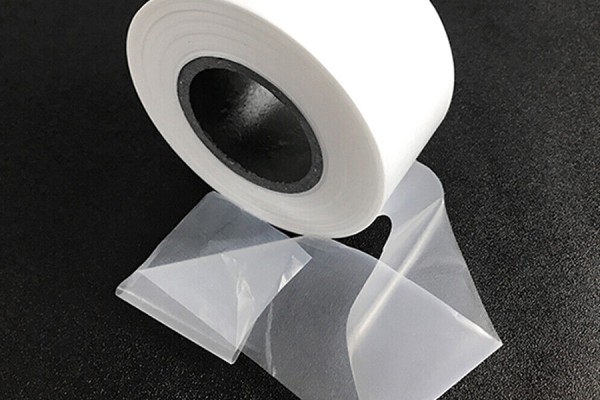
important Takeaways
ePTFE membrane technology significantly enhances performance and durability across various applications. Its ability to facilitate optimal gas transmission while resisting contaminants is important for maintaining accuracy in electrochemical sensors and maximizing efficiency in PEM fuel cells. The resistance to wear and chemical degradation reinforces the longevity of these membranes, making them ideal for demanding environments. furthermore, advancements in ePTFE technology are expected to lead to improvements in cost-effectiveness, further driving its adoption across industries. As sustainability becomes a more pressing concern, the integration of eco-friendly materials is likely to play a important role in future developments of ePTFE membranes. Overall, these attributes position ePTFE technology as a reliable choice for manufacturers aiming to meet evolving market demands while ensuring high performance and resilience.
new Applications of ePTFE Membranes
ePTFE membranes are increasingly becoming essential in various fields due to their versatile properties. In electrochemical sensors, these membranes boost sensor performance by preventing contamination and allowing optimal gas flow. This capability is particularly important in applications reliant on precise measurements and reactions. Furthermore, ePTFE membranes contribute significantly to the efficiency of PEM fuel cells, where they support durability while accommodating changes due to humidity. This functionality highlights their importance in advancing fuel cell technology as the world moves towards cleaner energy sources.
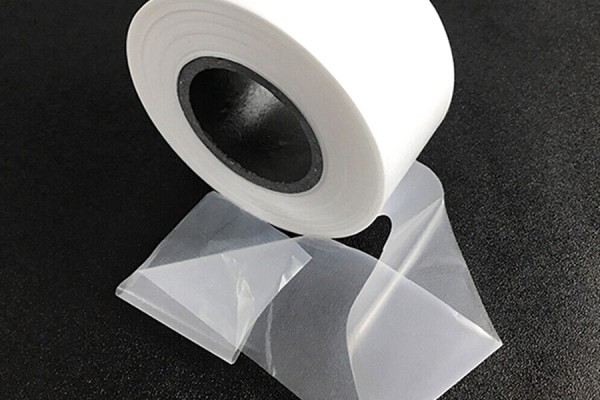
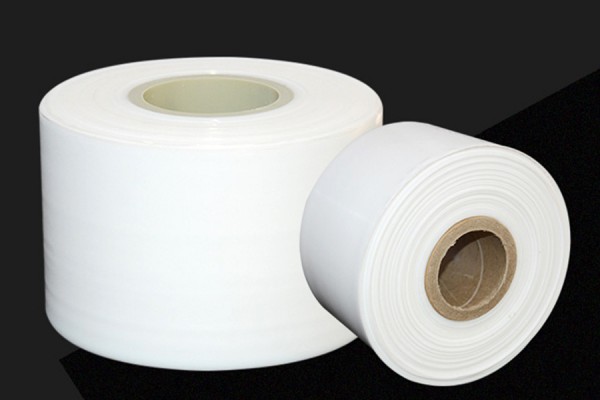
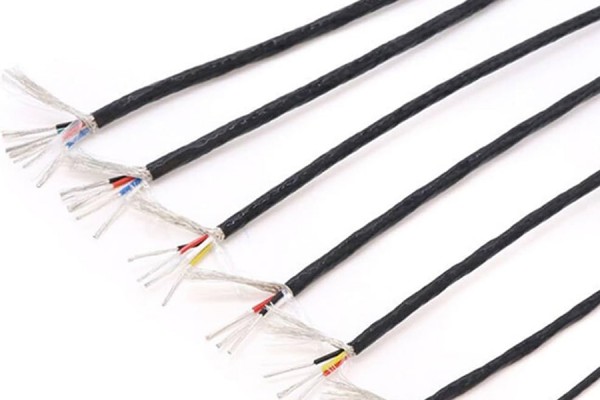
Beyond these applications, ePTFE membranes are also finding use in high-speed transmission lines, where PTFE cable wrapping tape and PTFE wrapping film play critical roles in reducing signal loss and enhancing performance. The integration of DAC high-speed cable wrapping film and AEC high-speed cable wrapping film ensures effective insulation and protection under demanding conditions. Moreover, innovations in PTFE thread seal tape serve critical sealing functions across various industrial setups, promoting reliable operation while minimizing leakage risks. These new applications demonstrate the broad potential of ePTFE membranes across multiple sectors, driving advancements that align with modern technological demands.
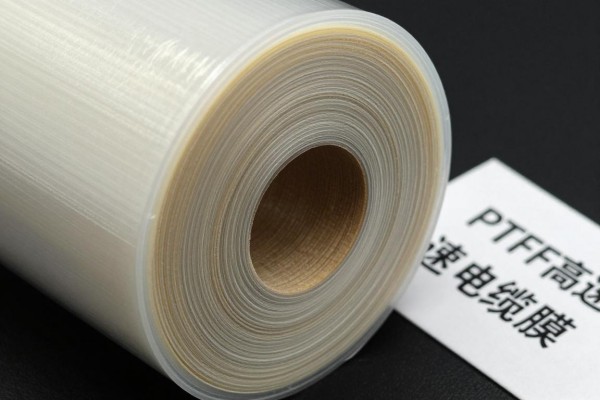
Improving sensor performance with ePTFE Technology
ePTFE membranes play a vital role in enhancing the functionality of electrochemical sensors. Their unique microporous structure allows gases to pass through while rejecting liquids and contaminants, creating an effective barrier. This property ensures that sensors maintain accuracy and reliability by minimizing interference from unwanted substances. The durability of ePTFE membranes is also critical; they can withstand various environmental stresses, including humidity and temperature fluctuations, which are common in practical applications. Furthermore, the chemical resistance of ePTFE protects sensors from corrosive agents, extending their operational lifespan and reducing maintenance needs. This combination of features not only improves the performance of electrochemical sensors but also opens up new possibilities for their use in demanding environments where reliability is paramount. As industries seek advanced solutions for monitoring and control, the adoption of ePTFE technology stands out as a significant advance in sensor design and functionality.
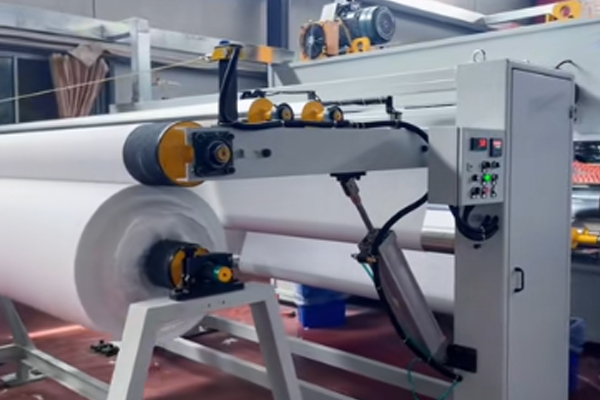
ePTFE Membranes in PEM Fuel Cells
ePTFE membranes play a main role in the efficiency of PEM fuel cells, contributing to optimal performance in various applications. These membranes improve the system’s durability by effectively managing humidity levels, which is essential for maintaining performance under varying environmental conditions. Their unique microporous structure allows for effective gas transmission while simultaneously resisting liquid ingress and contaminants. This dual function is critical for sustaining the integrity of fuel cell operations, as it prevents electrode wear and supports longevity in demanding applications.
Moreover, ePTFE membranes exhibit excellent resistance to swelling changes caused by humidity fluctuations, leading to improved mechanical stability during operation. This feature is vital as it ensures that the fuel cell continues to perform efficiently even under challenging conditions. Overall, the integration of ePTFE technology into PEM fuel cells not only boosts their reliability but also contributes significantly to improving overall system efficiency and lifespan.
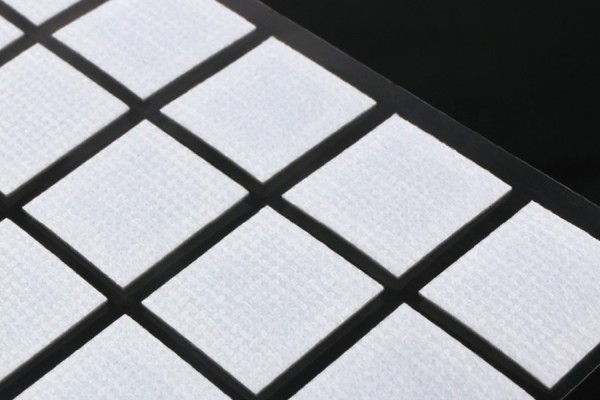
Enhanced durability of ePTFE Solutions
ePTFE membranes exhibit remarkable durability, which stems from their unique molecular structure. This durability is essential for applications where mechanical stress and environmental factors can lead to deterioration. The membranes resist wear, tear, and chemical degradation, ensuring reliability in demanding settings such as industrial sensors and PEM fuel cells. Moreover, ePTFE’s ability to withstand fluctuations in humidity and temperature further solidifies its reputation as a robust solution. Testing has shown that these membranes maintain integrity even under extreme conditions, providing consistent performance over time. This resilience not only enhances the lifespan of applications but also reduces maintenance costs, making ePTFE a practical choice for manufacturers seeking durable materials. As industries push towards more sustainable solutions, the continuing nature of ePTFE further contributes to its appeal in evolving markets.
Optimal gas transmission with ePTFE
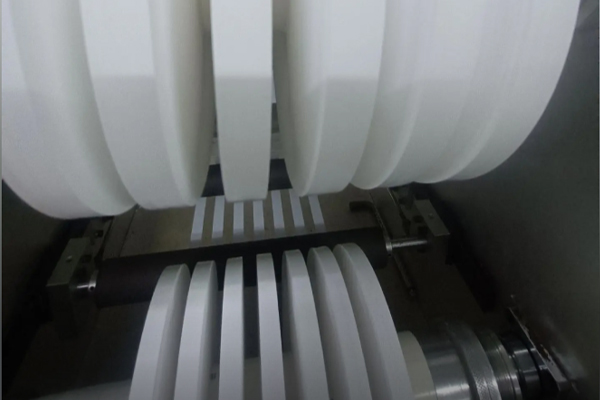
ePTFE membranes excel in facilitating optimal gas transmission due to their unique microporous structure. This design allows gases to pass through while effectively blocking liquids and contaminants, making them suitable for sensitive applications like electrochemical sensors and PEM fuel cells. The selective permeability of ePTFE enhances gas flow, ensuring that performance is maximized, particularly in environments where maintaining precise gas ratios is critical for system efficiency. Moreover, the intrinsic chemical stability of ePTFE contributes to its ability to resist degradation over time, providing lasting functionality even under harsh conditions. As industries increasingly demand reliable and efficient solutions, the ability of ePTFE membranes to combine excellent gas permeability with robust contaminant resistance positions them as a important component in advanced technologies. This capability not only improves operational efficiency but also extends the lifespan of devices, affirming the importance of selecting suitable materials for high-performance applications.
Resistant solutions with ePTFE Membranes
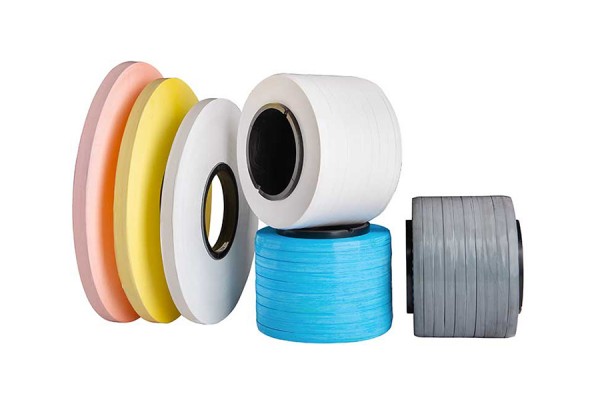
ePTFE membranes offer exceptional resistance to various environmental challenges, making them ideal for demanding applications. Their unique structure allows them to repel liquids and contaminants while facilitating gas transmission. This important feature is critical in environments where exposure to harsh chemicals or high humidity can impede the functionality of standard materials. ePTFE membranes remain stable under temperature fluctuations, reducing the risk of failure in applications like electrochemical sensors and PEM fuel cells. In these systems, the membranes act as reliable barriers, ensuring that performance is not compromised by external factors. The microporous nature of ePTFE enhances its ability to filter out particulates while allowing essential gases to pass through unimpeded, supporting efficient operation. As industries prioritize durability and reliability, ePTFE membranes continue to set a high standard for resistant materials in advanced technologies.
Future trends in ePTFE Technology
The future of ePTFE technology is set to witness several advancements driven by the growing demand for high-performance materials across diverse industries. Research and development efforts are likely to focus on enhancing the membranes’ mechanical and thermal properties, leading to even greater durability and efficiency. Innovations in processing techniques can also revolutionize production methods, enabling more cost-effective solutions while maintaining high quality. Furthermore, as sustainability becomes increasingly important, the integration of eco-friendly materials into ePTFE formulations is expected to gain traction. This shift will not only reduce environmental impact but also cater to industries prioritizing sustainable practices. also, as applications expand into telecommunications and aerospace, customization options will become more prevalent, allowing manufacturers to tailor ePTFE membranes for specific performance metrics. With these developments, ePTFE technology is positioned to play a critical role in meeting the challenges of future applications while providing reliable solutions for current needs.
Cost advantages of ePTFE Materials
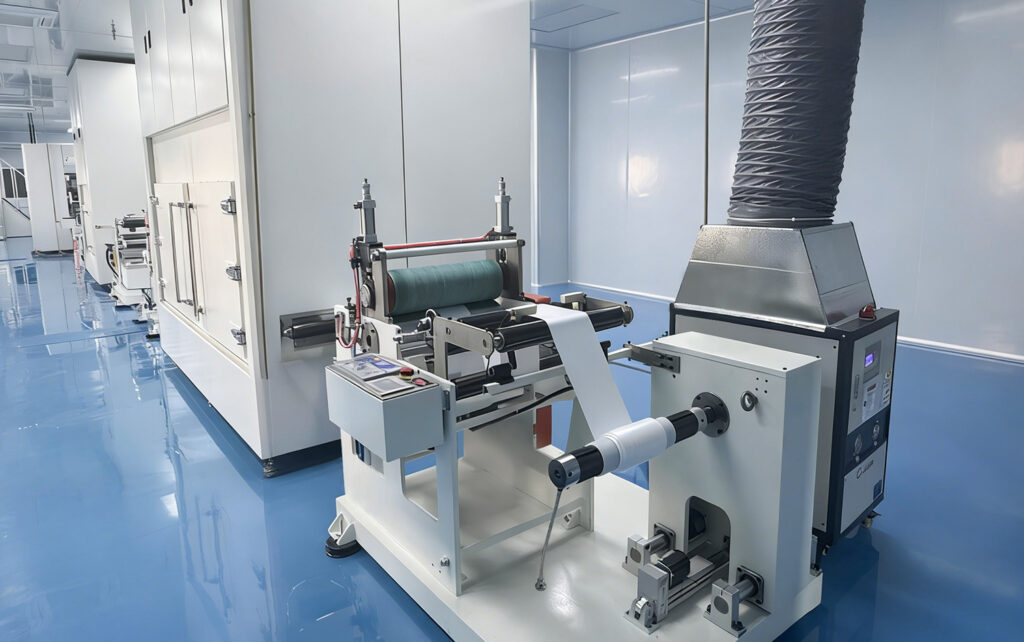
ePTFE materials offer significant cost benefits for manufacturers, especially in high-performance applications. The production process of ePTFE membranes has evolved, allowing for more efficient manufacturing techniques that reduce waste and lower overall costs. furthermore, ePTFE’s durability and longevity mean that products made from this material require less frequent replacement and maintenance, which translates into savings over time.
Moreover, as domestic production of ePTFE rises, the dependency on costly imports decreases. This shift not only enhances supply chain stability but also promotes competitive pricing in the market. With ongoing advancements in technology, companies can achieve high quality performance synonymous with international brands without the associated high costs. Thus, leveraging ePTFE membranes can provide strategic pricing advantages while maintaining product excellence across various industries like electrochemical sensors and PEM fuel cells.
Conclusion
ePTFE membrane technology stands out for its versatility and performance in various applications, particularly in electrochemical sensors and PEM fuel cells. The membranes effectively manage gas transmission while preventing contamination, which is essential in environments where precision is critical. As advancements continue, the membranes are expected to become even more efficient and durable, supporting growing demands across industries. main benefits include their resistance to mechanical stress, humidity variations, and chemical exposure, which bolster their reliability. Moreover, as cost-effective manufacturing processes develop alongside the rise in domestic production, ePTFE materials are increasingly appealing for manufacturers seeking high-quality solutions without exorbitant prices. The combination of these attributes positions ePTFE technology as a prominent player in addressing both current challenges and future needs across diverse sectors. This ongoing evolution signifies a commitment to improving safety and efficiency while aligning with the industry’s shift towards sustainability.
FAQs
What is an ePTFE membrane?
An ePTFE membrane is a type of expanded polytetrafluoroethylene designed for high-performance applications, offering effective gas transmission while blocking liquids and contaminants.
How does ePTFE technology boost sensor performance?
ePTFE technology improves sensor performance by creating a barrier that allows gases to pass while preventing contamination from liquids, resulting in accurate and reliable measurements.
What are the applications of ePTFE membranes in PEM fuel cells?
In PEM fuel cells, ePTFE membranes facilitate optimal gas flow and maintain performance under varying humidity conditions, which is essential for enhancing durability and efficiency.
Why are ePTFE membranes durable?
ePTFE membranes are durable due to their unique molecular structure that resists wear, chemical degradation, and fluctuations in environmental conditions, ensuring long-lasting performance.
What cost advantages do ePTFE materials provide?
ePTFE materials offer cost benefits through efficient manufacturing processes, reduced maintenance needs due to their durability, and lower dependence on imports, leading to competitive pricing.