main Takeaways
ePTFE membranes stand out for their high permeability and robust chemical stability, making them a superior choice across various applications. In aerospace, these membranes offer reliable solutions that withstand extreme conditions while maintaining performance. Filtration systems benefit significantly from ePTFE’s unique properties, leading to enhanced efficiency and lower maintenance needs. The integration of ePTFE in battery technology is a noteworthy innovation, as it contributes to increased energy density and safety. furthermore, ongoing developments in ePTFE materials suggest a promising future, with trends indicating an expansion of their use in emerging industries. This positions ePTFE as not just a material of choice but also a critical component in advancing industrial technologies. As industries evolve, the role of ePTFE membranes will likely continue to grow, driven by the demand for more efficient and reliable solutions.
Advancements in ePTFE Membrane Applications
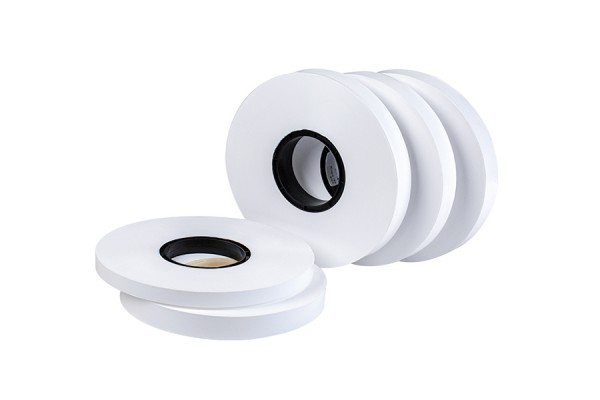
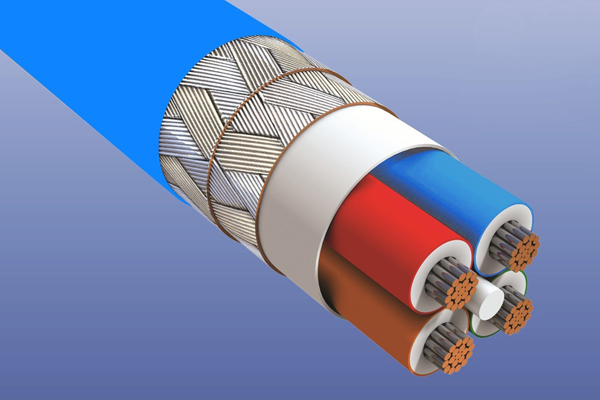
ePTFE membranes have seen significant advancements, enhancing their effectiveness across various industries. Their unique properties, such as high permeability, allow for efficient gas and liquid exchanges, making them suitable for diverse applications. In communication technology, ePTFE is incorporated into high speed transmission line PTFE wrapping tape and PTFE wrapping film to improve insulation and reduce signal loss. furthermore, PTFE Thread Seal Tape is utilized in plumbing applications due to its chemical resistance and durability. The cable industry benefits from innovations like PTFE cable wrapping tape and PTFE cable roll coating, which provide exceptional protection against environmental factors. Furthermore, products like DAC high-speed cable wrapping film and AEC high-speed cable wrapping film demonstrate the versatility of ePTFE in maintaining performance in high-frequency environments. Recent developments aim to boost these materials’ efficiency even further, positioning ePTFE as a important player in next-generation applications ranging from aerospace technology to advanced filtration systems.
High permeability of ePTFE Membranes
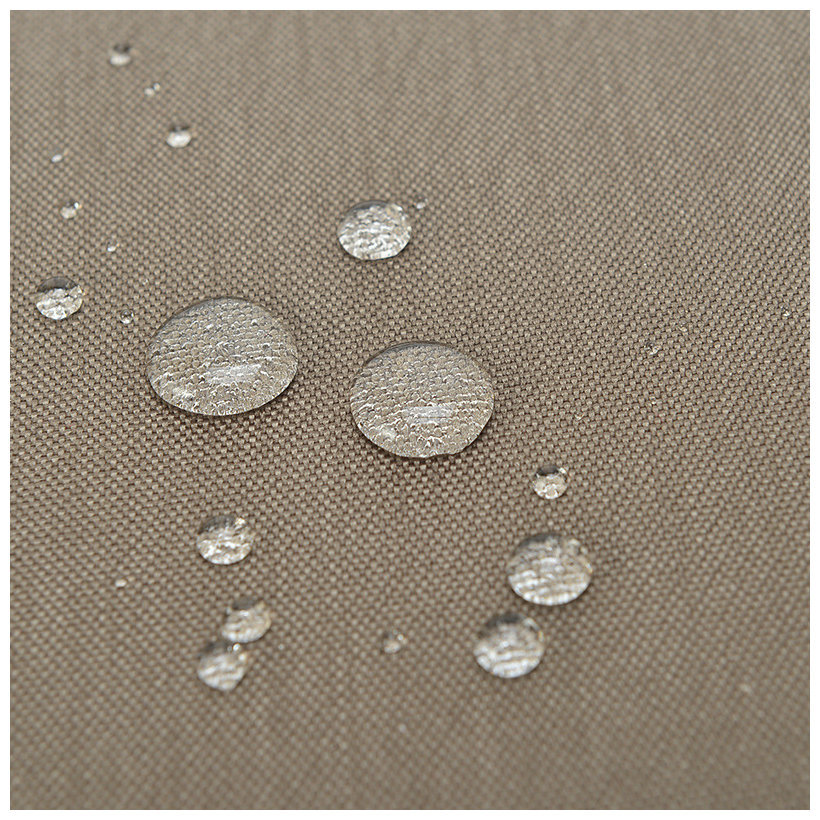
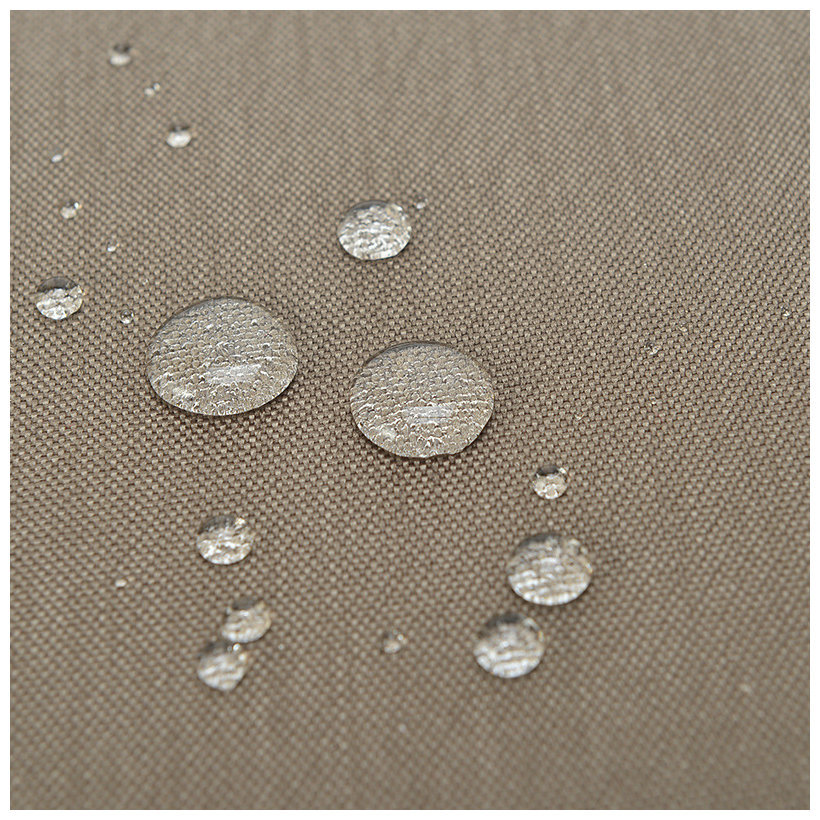
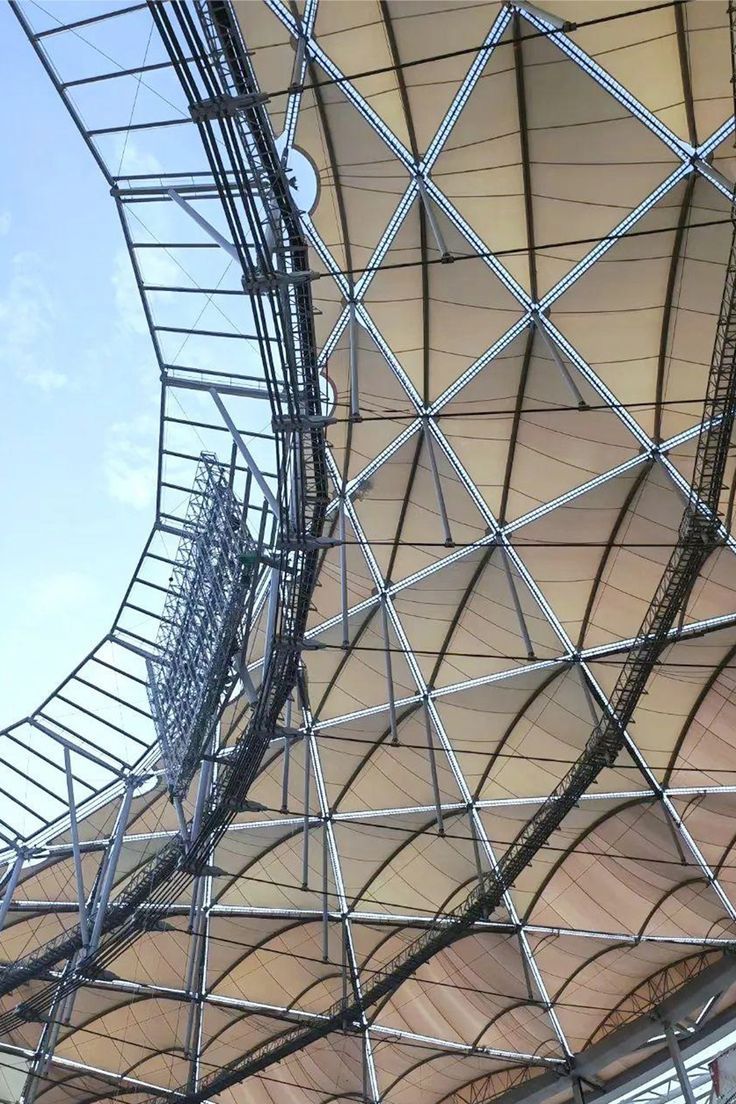
ePTFE membranes are renowned for their exceptional permeability, which allows water vapor to pass through while effectively blocking liquid water. This unique property is attributed to the membrane’s porous structure, featuring micropores with a minimum diameter of 0.1 microns. The high permeability makes ePTFE ideal for applications requiring breathability, such as in protection garments and medical wearables. In addition to moisture management, these membranes facilitate the efficient transmission of gases, making them suitable for various industrial applications, including filtration systems that demand high airflow without compromising particulate retention.
"The interplay between permeability and stability in ePTFE membranes enables their functionality across diverse conditions."
Moreover, the ability to operate effectively under varying temperature and pressure conditions enhances their versatility in sectors like aerospace and automotive engineering. As industries continue to adopt advanced materials for improved performance, the demand for high-permeability ePTFE solutions is expected to grow, creating opportunities for innovation and development within this niche market.
Chemical stability in ePTFE Solutions
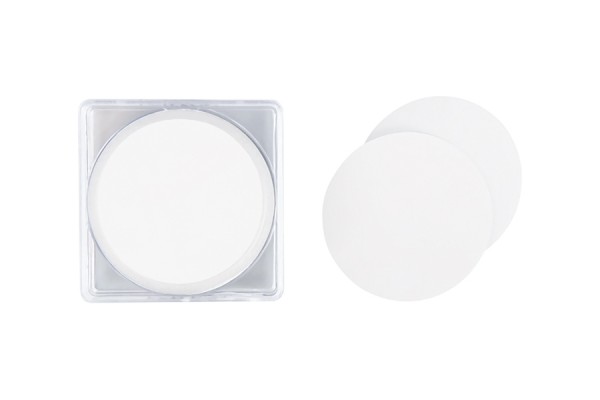
ePTFE membranes are recognized for their superior chemical stability, which is key in demanding applications. This stability allows ePTFE to withstand exposure to various chemicals, including acids, bases, and solvents, without significant degradation. The material’s resistance to harsh environments makes it ideal for use in industries such as pharmaceuticals and food processing, where contamination is a concern. Furthermore, this resilience contributes to the longevity of ePTFE membranes in filters and separation processes. The low permeability of gasses and water vapor further enhances its utility in applications where maintaining integrity under stress is necessary. With an operating temperature range that can handle extreme conditions, the chemical stability of ePTFE solutions becomes a main factor for manufacturers seeking reliable performance across diverse industry settings. This property not only reduces maintenance costs but also instills confidence in end-users regarding the durability and performance of their systems over time.
ePTFE Membranes in Aerospace Technology
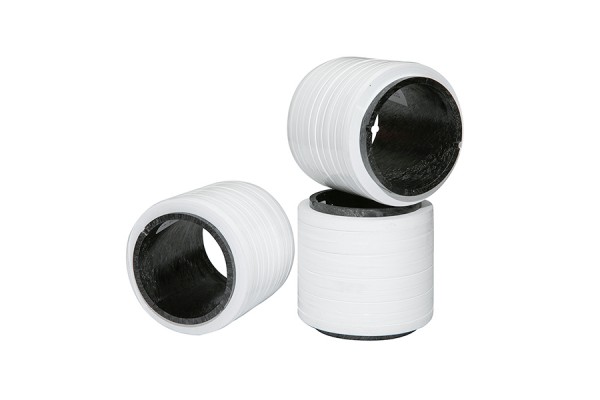
ePTFE membranes play a critical role in the aerospace industry, offering advantages that boost performance and safety. Their high permeability allows for efficient airflow management, important for cabin pressure control and ventilation systems. The inherent chemical stability of ePTFE also ensures that these membranes can withstand the harsh conditions of high altitudes and varying temperatures, which is vital for the longevity of aerospace components. furthermore, ePTFE membranes contribute to noise reduction in aircraft cabins, helping to improve passenger comfort by minimizing sound transmission. These properties make them ideal for applications such as fuel cells and filtration systems where reliable performance is essential. Manufacturers are increasingly adopting ePTFE technologies due to their lightweight nature, which helps reduce overall aircraft weight without compromising durability. This shift not only optimizes fuel efficiency but also aligns with the industry’s emphasis on sustainability and innovation in design practices.
Applications of ePTFE in Filtration Systems
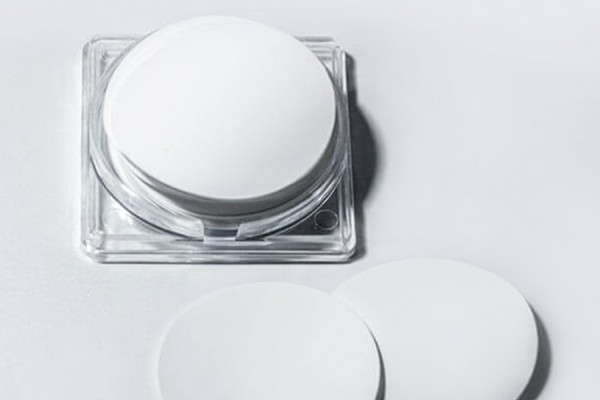
ePTFE membranes play a important role in various filtration applications due to their unique properties. Their high porosity and permeability enable efficient filtration of liquids and gases, making them highly effective in industrial processes. For instance, ePTFE is commonly used in air filtration systems to capture particulate matter and harmful pollutants, ensuring cleaner air quality. In liquid filtration, these membranes are utilized for their ability to separate contaminants from solvents and chemicals, particularly in the pharmaceutical and food industries.
furthermore, the chemical stability of ePTFE allows it to withstand aggressive substances without degradation. This characteristic is especially beneficial in environments where traditional filter materials may fail, such as chemical processing plants. The non-stick surface of ePTFE membranes minimizes fouling, leading to longer filter life and reduced maintenance costs. These advantages make ePTFE a preferred choice for applications ranging from water treatment systems to biotechnology processes, where reliability and efficiency are paramount.
Innovations in Battery Technology with ePTFE
ePTFE membranes are finding significant applications in the battery industry, particularly for their gas-permeable features and chemical resistance. These membranes facilitate the safe release of harmful gases generated during battery operation, which is important for maintaining performance and safety standards. The ability of ePTFE to withstand high temperatures while offering low smoke emissions enhances the overall reliability of batteries. Innovations in membrane design, such as the use of thinner layers with tailored pore sizes, have led to improvements in ion conductivity and energy density. Manufacturers are also leveraging ePTFE to create barrier separators that protect battery components from degradation. As the demand for more efficient energy storage solutions grows, ePTFE membranes will likely become integral to future advancements in battery technology, supporting higher current densities and longer lifespan applications.
Performance benefits of ePTFE Materials
ePTFE materials offer a range of performance benefits that make them suitable for various applications. Their high permeability allows for efficient gas and moisture exchange, which is key in industries like filtration and battery technology. This feature ensures optimal performance while minimizing pressure drops. Furthermore, ePTFE exhibits excellent chemical stability, allowing it to withstand harsh environments without degrading or losing functionality. This resilience is particularly important in aerospace applications where materials must endure extreme conditions. furthermore, the low density of ePTFE contributes to lightweight designs without compromising strength. Its mechanical durability and resistance to abrasion further boost its appeal, making it an ideal choice for demanding environments. Overall, the combination of these attributes positions ePTFE as a important material in advancing technology across multiple sectors.
Future trends in ePTFE Membrane Development
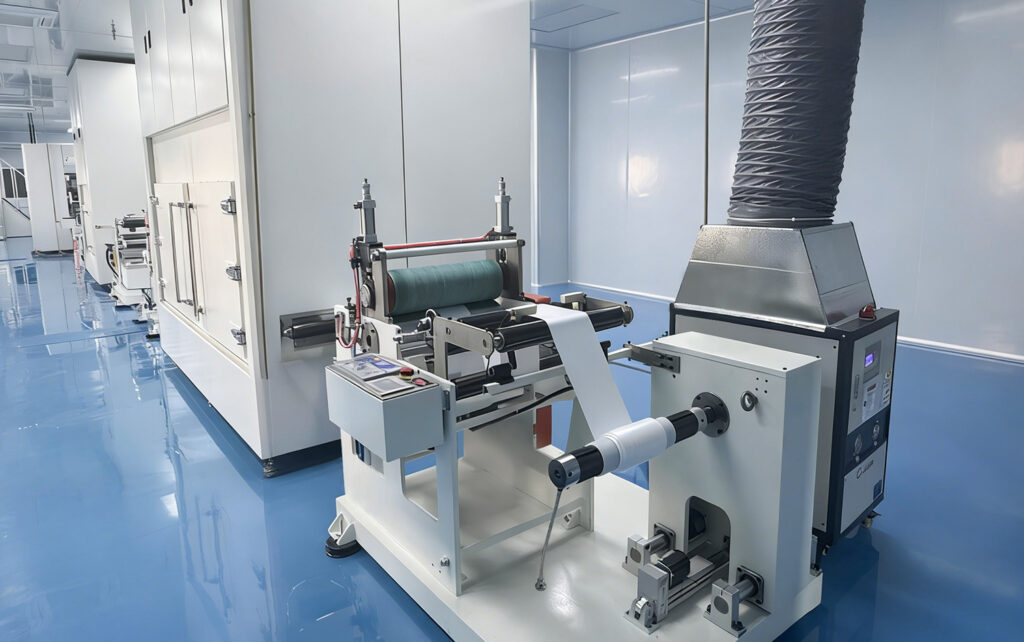
The future of ePTFE membrane development is poised for significant innovation, driven by adaptability across various sectors. Emerging trends mention a shift toward sustainable manufacturing processes, minimizing environmental impact while optimizing performance. Industry players are increasingly focusing on enhancing the membrane’s properties, such as increasing temperature resistance and durability. The integration of advanced nanomaterials is likely to play a key role, improving filtration efficiency and enabling novel applications in sectors like healthcare and energy. Furthermore, the customization of ePTFE membranes to meet specific industry requirements is expected to gain traction. As industries demand higher performance coupled with regulatory compliance, the development of multifunctional membranes that can withstand extreme conditions will boost their relevance in critical applications like aerospace and automotive sectors. furthermore, digital technologies are expected to streamline production processes and improve quality control, paving the way for the next generation of high-performance ePTFE membranes.
Conclusion
the advancements in ePTFE membrane technology reflect a significant stride toward enhancing various industrial applications. With their main attributes, such as high permeability and robust chemical stability, ePTFE membranes are becoming essential components in sectors like aerospace, filtration systems, and battery manufacturing. Their ability to perform effectively under demanding conditions has garnered interest from manufacturers aiming to optimize efficiency and reliability. Looking ahead, the interaction of innovation and demand is likely to drive further developments in ePTFE solutions. As industries continue to explore new applications and boost existing processes, the role of ePTFE membranes is expected to expand, offering improved performance and versatility across diverse fields. The ongoing research and collaboration among professionals will shape the future situation of this technology.
FAQs
What are ePTFE membranes used for?
ePTFE membranes are utilized across various industries for their high permeability and chemical stability. Common applications include aerospace technology, filtration systems, and battery technology.
How do ePTFE membranes perform in extreme conditions?
ePTFE membranes are designed to withstand extreme temperatures and harsh chemicals, making them reliable in demanding environments.
What are the advantages of using ePTFE membranes in filtration systems?
ePTFE membranes offer excellent filtration ability while maintaining high flow rates, allowing for efficient separation of particles and contaminants.
Can ePTFE membranes be recycled?
The recyclability of ePTFE membranes depends on specific local regulations and processes, but advancements are being made to improve their environmental sustainability.
How do ePTFE membranes contribute to battery technology?
In battery applications, ePTFE membranes improve performance by serving as separators that allow ion passage while preventing short circuits between electrodes.