main Takeaways
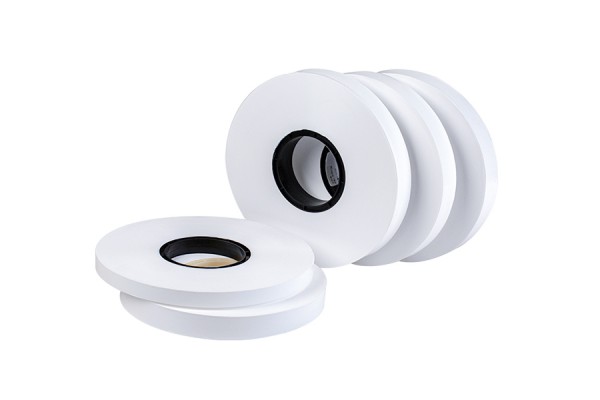
PTFE membranes represent a significant advancement in material science, offering key benefits across multiple industries. Their standout characteristics include superior waterproofing and breathability, which enable them to effectively manage moisture while safeguarding delicate electronics and components. The ability of PTFE to withstand extreme temperatures enhances its adaptability, ensuring performance reliability in harsh conditions. Safety is another vital consideration; PTFE materials’ chemical inertness significantly reduces contamination risks in sensitive environments, making them particularly suited for applications in pharmaceuticals and food processing. Furthermore, the membranes’ versatility extends beyond electronics into areas such as filtration systems and construction, where they maintain high efficiency while offering protection against environmental factors. The growing reliance on PTFE membranes signals a shift towards more dependable materials capable of meeting the demands of modern technology and industrial applications.
Versatility of PTFE Membranes
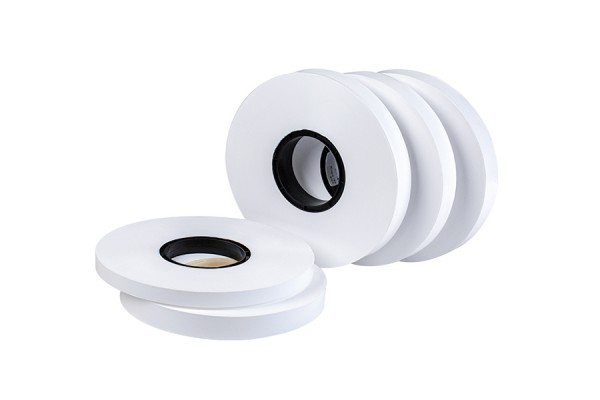
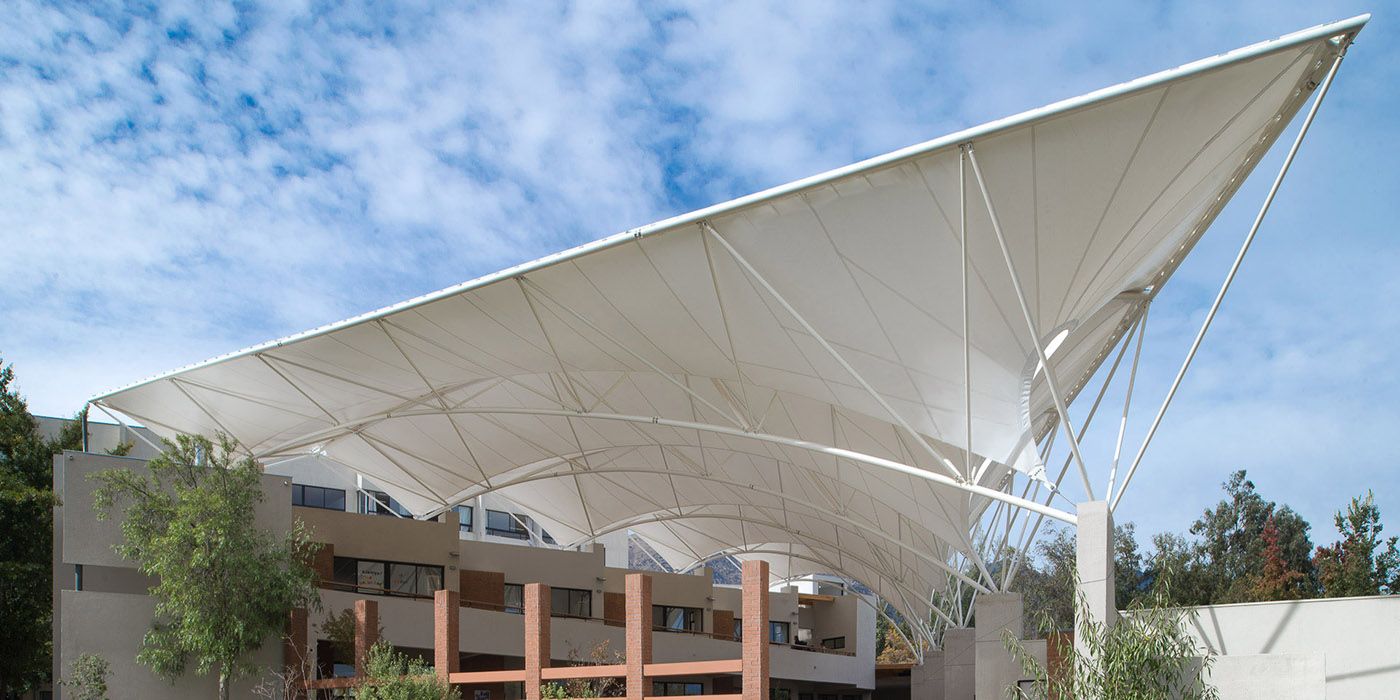
PTFE membranes are known for their multifaceted applications across various fields, showcasing a remarkable balance of waterproofing and breathability. These membranes are integral to high-speed transmission lines, where products like High speed transmission line PTFE wrapping tape and PTFE cable wrapping tape improve signal integrity and durability. In the realm of construction and plumbing, PTFE Thread Seal Tape ensures leak-proof sealing, demonstrating its adaptability beyond just electronics. Furthermore, the development of specialized films such as DAC high-speed cable wrapping film and AEC high-speed cable wrapping film caters to the growing demands within telecommunications. Its usage extends to filtering applications, where laminated hydrophobic PTFE membrane filters provide superb strength and efficiency for solvent filtration tasks. The ability to withstand extreme temperatures further underscores its versatility, allowing PTFE membranes to perform reliably in automotive, aerospace, and industrial environments. This ability to excel in various conditions makes PTFE a go-to material for many industries seeking durable and effective solutions.
important Benefits of PTFE for Waterproofing
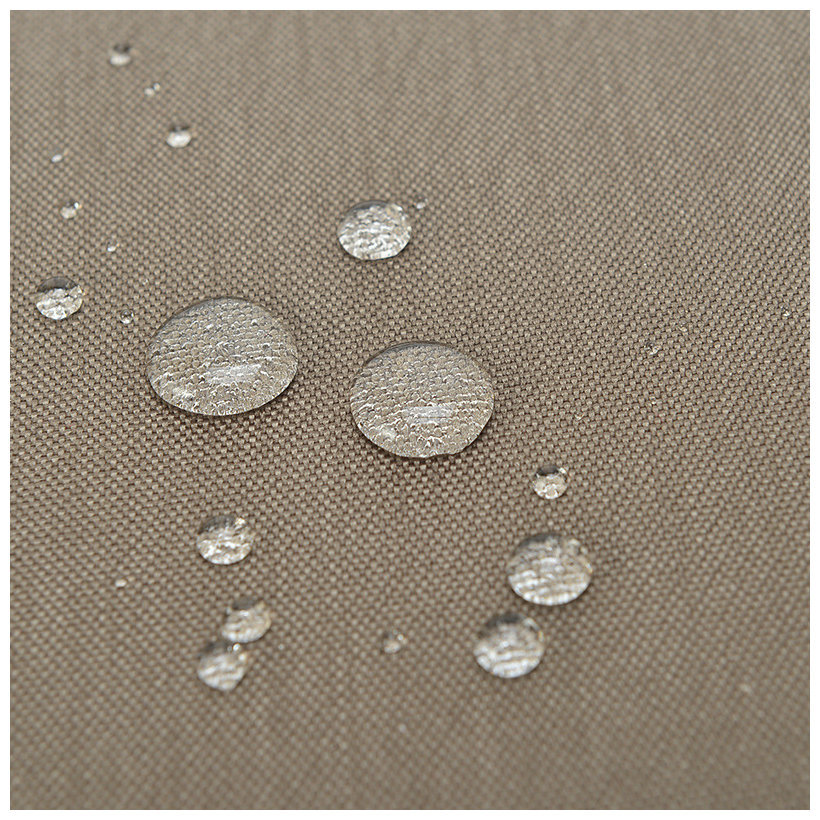
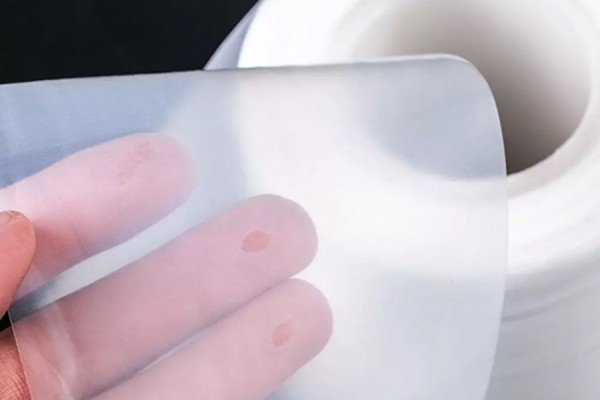
PTFE membranes provide significant advantages in waterproofing applications due to their outstanding properties. Their high porosity, which exceeds 85%, enables effective airflow while ensuring water remains blocked. The pore sizes, ranging from 0.2 to 3μm, are optimal for this function, as they allow vapor to escape without permitting liquid water intrusion. This quality is key in various industries that require reliable moisture protection, particularly in electronics where water exposure can lead to device failures.
Moreover, PTFE’s chemical inertness contributes to its waterproof capabilities by preventing degradation from harsh environments or pollutants. The strength and durability of PTFE enable it to withstand extreme temperatures from -200℃ to +260℃ without losing its waterproof characteristics. This resilience translates into long-lasting performance, making PTFE a preferred choice for applications spanning aerospace, automotive, and chemical manufacturing. also, the non-stick nature of PTFE surfaces aids in maintaining cleanliness and reducing contamination risk, further enhancing its value as a waterproofing solution across diverse sectors.
Applications of PTFE in Electronics
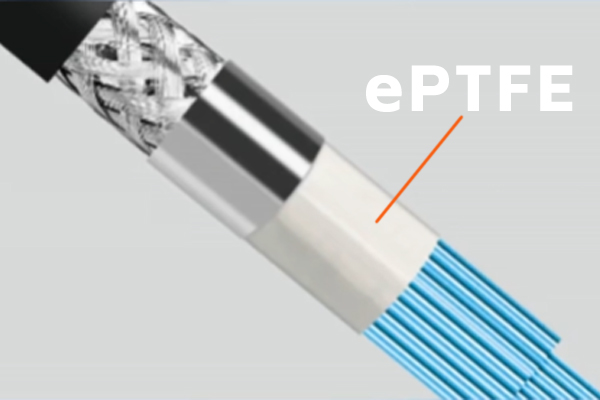
PTFE membranes are integral in the electronics sector, serving as both insulators and protectors. Their low dielectric constant and loss enable efficient signal transmission, especially in high-frequency applications such as 5G and 6G communications. This enhances the performance of coaxial cables, allowing minimal signal degradation. Furthermore, PTFE’s unique microporous structure offers key benefits like waterproof breathability, safeguarding sensitive devices from moisture while maintaining airflow. This characteristic makes PTFE membranes particularly helpful in smartphones and automotive radar systems, where reliability is essential. also, they effectively prevent the intrusion of dust and oils, enhancing device longevity. The high-temperature resistance of PTFE materials allows them to withstand extreme operating conditions, making them suitable for demanding environments like aerospace and automotive industries.
PTFE Membranes in Extreme Environments
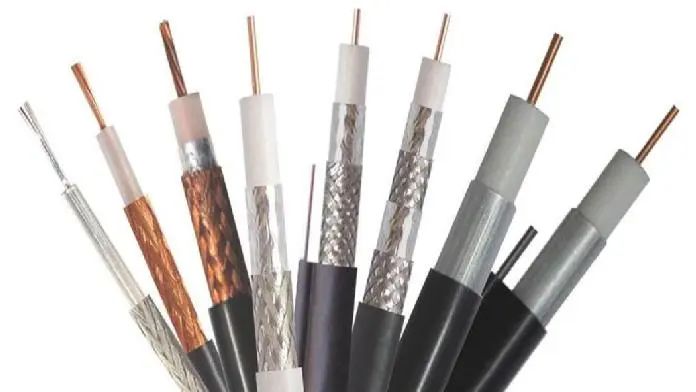
PTFE membranes are well-suited for extreme environments, showcasing their resilience across various applications. With a stable operating range from -200℃ to +260℃, these materials can briefly withstand temperatures exceeding 300℃. This remarkable thermal stability is complemented by their chemical inertness, making PTFE membranes resistant to a wide range of harsh chemicals. Industries such as aerospace and automotive rely on these membranes in critical components where failures can have severe consequences. Their low dielectric constant and high insulation strength provide reliable performance in high-frequency applications, including telecommunications systems. Furthermore, PTFE’s flame retardant properties ensure safety in environments prone to fire hazards. In sectors like chemical processing and offshore platforms, the use of PTFE membranes enhances operational efficiency by preventing leaks and ensuring consistent filtration performance under pressure. Their ability to maintain integrity in challenging conditions underscores the vital role they play in safeguarding operations and extending the lifespan of equipment used in demanding industries.
Enhancing performance with PTFE Membranes
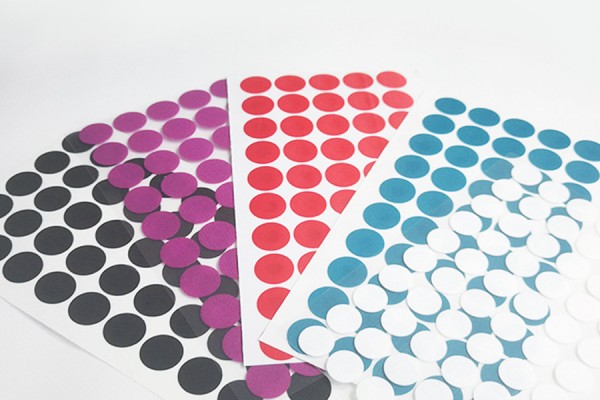
PTFE membranes significantly improve performance across various applications, primarily due to their unique properties. Their high porosity facilitates effective moisture management while maintaining breathability, making them ideal for use in sensitive electronics. In these applications, PTFE membranes prevent the ingress of water and contaminants, ensuring optimal functionality and longevity of devices. The low dielectric constant of PTFE also minimizes signal loss during high-frequency communications, essential for advanced technology like 5G. also, these membranes exhibit remarkable thermal stability, allowing devices to operate efficiently in extreme conditions without compromising performance. By integrating PTFE membranes into products, manufacturers can boost durability and reliability while simultaneously ensuring user safety and comfort in diverse environments.
Safety and Efficiency with PTFE Materials
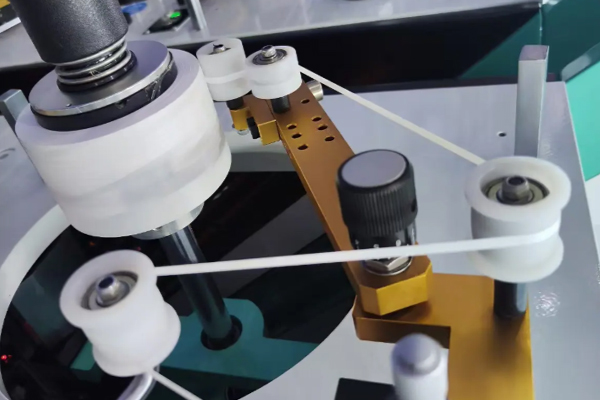
PTFE materials are recognized for their safety features and operational efficiency across various applications. Their chemical inertness ensures that they do not react with aggressive substances, making them suitable for environments where exposure to harsh chemicals is common. This property greatly reduces the risk of contamination in sensitive industries such as pharmaceuticals and food processing. also, the flame-retardant characteristics of PTFE contribute to fire safety, allowing components made from this material to operate under high temperatures without igniting. Enhanced durability against wear and fatigue further supports the reliability of PTFE in demanding settings. Furthermore, the lightweight nature of PTFE encourages energy efficiency by minimizing the overall load in applications like aerospace and automotive. This combination of safety and efficiency makes PTFE materials a dependable choice for engineers seeking reliability in their designs.
Ultimate breathability in PTFE Products
PTFE membranes excel in breathability due to their unique microporous structure, allowing moisture vapor to escape while preventing liquid water from penetrating. This characteristic is important for applications where moisture control is important, such as in outdoor gear, medical textiles, and automotive components. The pore sizes of 0.2-3μm contribute to an impressive balance of breathability and waterproofing, ensuring that users remain comfortable with minimal risk of water damage. furthermore, the lightweight nature of PTFE enhances overall product performance by minimizing bulk without compromising on durability. These membranes are particularly beneficial in active or dynamic environments where sweat and humidity can accumulate; they facilitate quick moisture transfer away from the skin or sensitive equipment. Industries applying PTFE membranes benefit significantly from their breathable yet protective qualities, making them a popular choice for high-performance applications that demand reliability under various conditions. The combination of superior breathability and waterproof capabilities positions PTFE membranes as essential materials across multiple sectors.
PTFE’s Role in Modern Filtration Systems
PTFE membranes are increasingly recognized for their effectiveness in modern filtration systems due to their unique properties. Their hydrophobic nature ensures that water and other liquids are repelled while allowing gases to pass through easily. This makes them ideal for applications requiring efficient separation of airborne contaminants from liquids, such as in air filtration and solvent filtration tasks. PTFE’s compatibility with a variety of non-aqueous solvents broadens its application scope, enabling its use in chemical processes where other materials may fail. Furthermore, the durability of PTFE membranes provides resilience against harsh operating conditions, extending the lifespan of filtration systems. These membranes also contribute to maintaining processing purity by effectively blocking particulates, dust, and other impurities, improving overall system efficiency. The integration of PTFE membranes into filtration technology demonstrates their helpful role in enhancing performance across various industries while ensuring reliable operation in demanding environments.
Conclusion
the diverse applications of PTFE membranes mention their essential role in modern technology and industry. Their unique properties, including high thermal stability, chemical inertness, and impressive breathability, make them invaluable in demanding environments. From providing robust waterproofing solutions in electronics to enhancing performance in complex filtration systems, PTFE membranes cater to various sectors effectively. The growing dependence on these materials reflects their success in addressing specific needs, such as maintaining moisture control and durability under harsh conditions. As industries continue to evolve, the significance of PTFE membranes is poised to expand further, demonstrating their potential for innovation and excellence in performance across many applications. Thus, embracing PTFE technology can lead to heightened efficiency and safety standards within several critical fields.
FAQs
What are PTFE membranes used for?
PTFE membranes are used in various applications, including waterproofing, breathability, electronics, filtration systems, and protection in extreme environments.
How do PTFE membranes achieve waterproofing and breathability?
PTFE membranes have high porosity that allows moisture vapor to escape while blocking liquid water, making them effective for both waterproofing and breathability.
What industries benefit the most from PTFE materials?
Industries such as aerospace, automotive, electronics, pharmaceuticals, and food processing extensively use PTFE materials for their unique properties and performance.
How can PTFE membranes withstand extreme temperatures?
PTFE membranes maintain stability between -200℃ to +260℃ and can briefly withstand temperatures beyond 300℃ due to their excellent thermal properties.
Are there any safety concerns associated with using PTFE materials?
PTFE materials are chemically inert and non-reactive with harsh substances, significantly reducing contamination risks in sensitive applications.