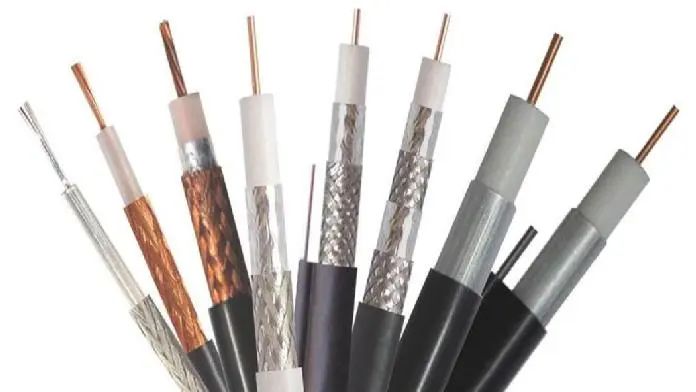
original Uses of ePTFE Membranes
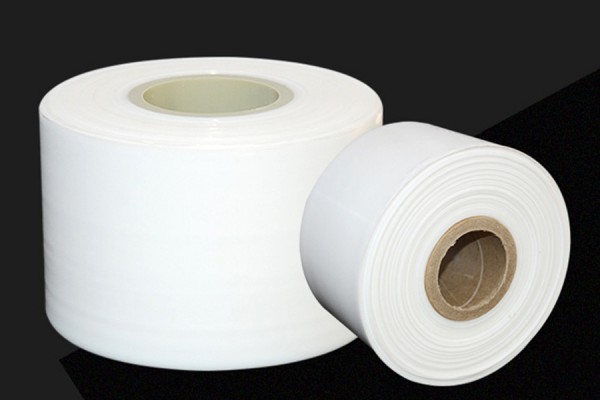
ePTFE membranes show broad versatility across many fields thanks to their distinctive traits. In medicine, these membranes play a key role in devices like IV lines and urine bags, where waterproof breathability enables efficient fluid management while keeping microbes at bay. Additionally, these membranes are key to acoustic applications, helping minimize sound leakage in sealed environments. In electronics, they serve as insulation for high-speed transmission lines because of their low dielectric constant and minimal losses. Specifically, products such as High-speed Transmission Line PTFE wrapping tape and PTFE cable-wrapping tape are essential for preserving signal integrity in advanced networks like 5G/6G. In industrial environments, waterproof ePTFE solutions are used in filtration processes, blocking liquids and particulates while letting gas pass. This versatility underscores the importance of ePTFE materials across different sectors, meeting the need for efficiency and reliability in modern applications.
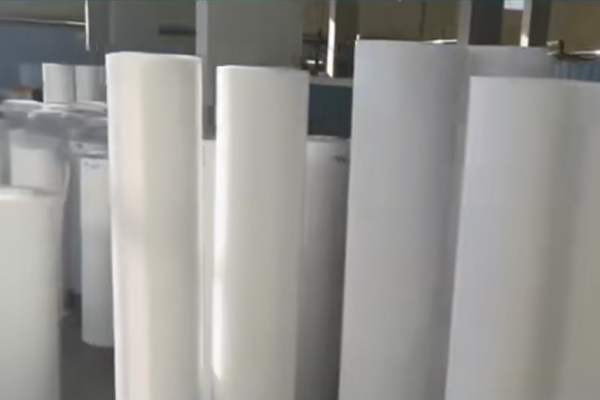
Properties driving ePTFE Membrane Advancements
ePTFE membranes have a few core traits that push progress in their uses. Its distinctive microporous structure enables selective permeability, letting gases pass while keeping liquids and larger particles out. This adaptability is key in many sectors, where maintaining integrity while allowing needed exchanges matters. Additionally, ePTFE exhibits strong chemical stability, resisting degradation under tough conditions like extreme temperatures and varied pH. This durability supports reliability across a range of applications, from medical devices to automotive parts. The lightweight character of ePTFE also boosts its flexibility in design. Taken together, these traits make ePTFE membranes not only effective but also adaptable solutions for current industrial challenges, improving efficiency and performance in their fields.
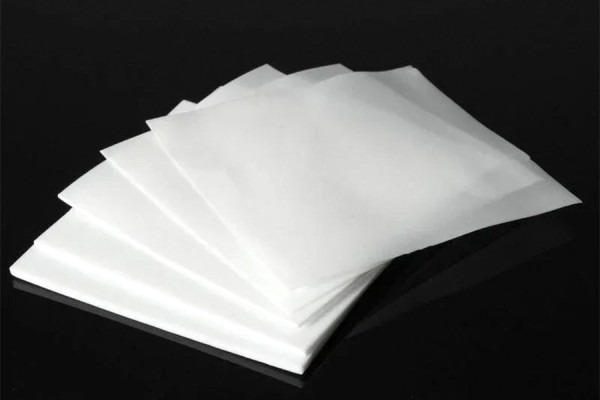
Benefits of ePTFE in Industrial Applications
ePTFE membranes offer several key advantages in industrial settings. Their strong chemical resistance allows them to perform well in harsh environments, ensuring durability and reliability. This resilience reduces maintenance costs and extends the life of various systems, making the material a prudent choice. Moreover, the microporous structure provides efficient filtration; they let gases pass while blocking liquids and larger particles. This property is particularly useful in sectors such as pharmaceuticals and biotechnology, where contamination control matters. In addition, these membranes support energy efficiency by cutting down on frequent replacements, smoothing operational processes. The lightweight nature of these membranes also helps lower overall product and system weight, boosting performance without sacrificing function. As industries seek innovative solutions, the versatility and capability of ePTFE materials make them a go-to option across different sectors.
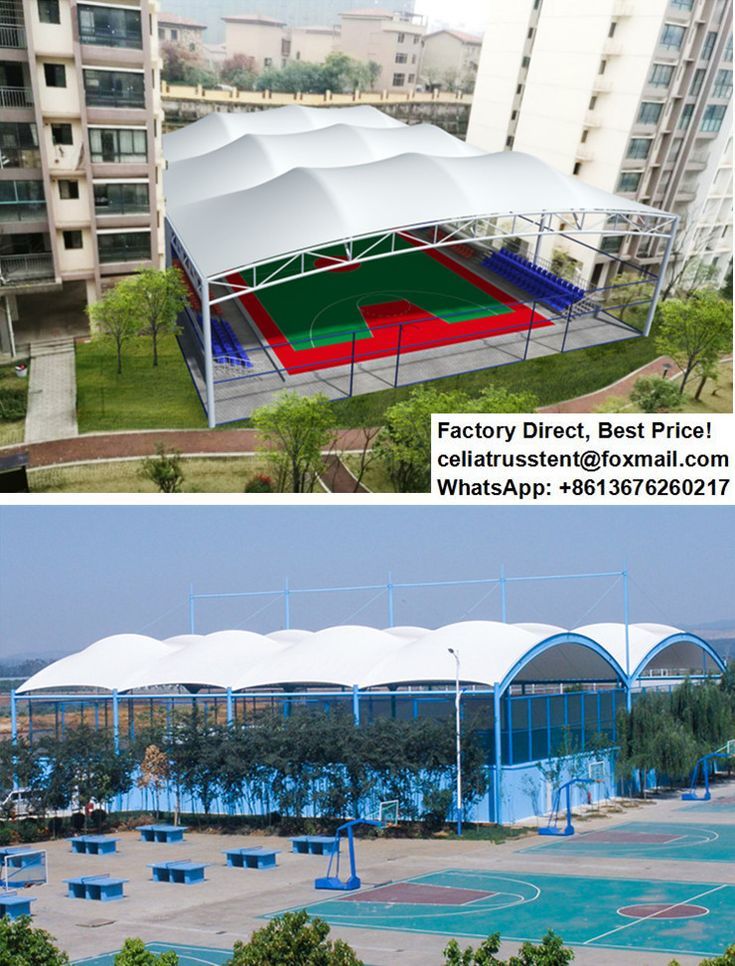
Quality assurance in ePTFE Materials
Quality assurance in ePTFE materials is critical for performance across various applications. Manufacturers must follow strict industry standards that verify the reliability and durability of their products. This involves rigorous testing procedures that assess factors such as pore size, permeability, and chemical resistance. By partnering with reputable suppliers, businesses can gain access to product certifications that confirm compliance with quality benchmarks. Regular audits and inspections can further assure consistency in production processes. Also, customer feedback plays a vital role in evaluating product performance, guiding suppliers to refine their offerings. When choosing an ePTFE membrane supplier, prioritize those who use advanced quality assurance practices to minimize defects and deliver effective solutions tailored to demanding industrial requirements. The focus on quality not only extends product life but also boosts operational efficiency and overall project success.
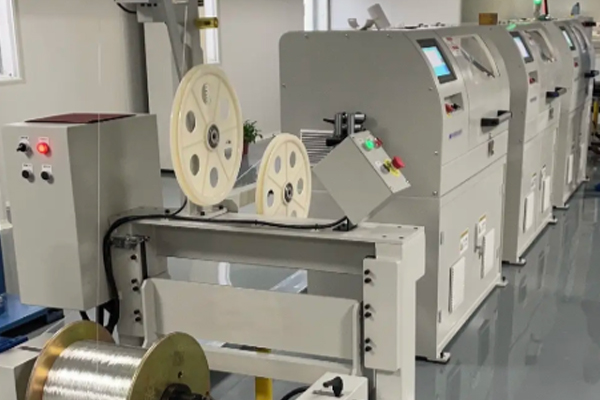
ePTFE Technology Elevating Efficiency Standards
ePTFE technology boosts efficiency across many industrial sectors. Its distinctive microstructure delivers high permeability while blocking unwanted particles and moisture. This capability matters in applications where reliability and performance are crucial, such as filtration systems and protective gear. The lightweight character of ePTFE materials also helps cut energy use during manufacturing and operation, supporting sustainability. The chemical stability of ePTFE membranes ensures longevity even in extreme conditions, reducing the need for frequent replacements and repairs. Industries adopting ePTFE technology can expect improved operational efficiency driven by sustained performance while lowering maintenance costs and downtime. Also, as industries pursue advanced materials that meet tough environmental standards, ePTFE appears as a helpful solution that blends functionality with eco-friendliness, setting new benchmarks for efficiency in product design and industrial use.
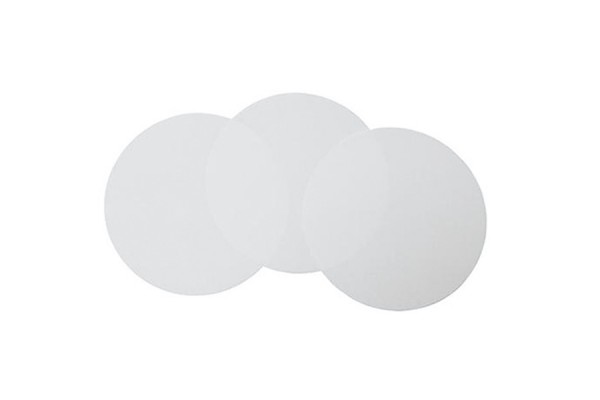
Applications of Waterproof ePTFE Solutions
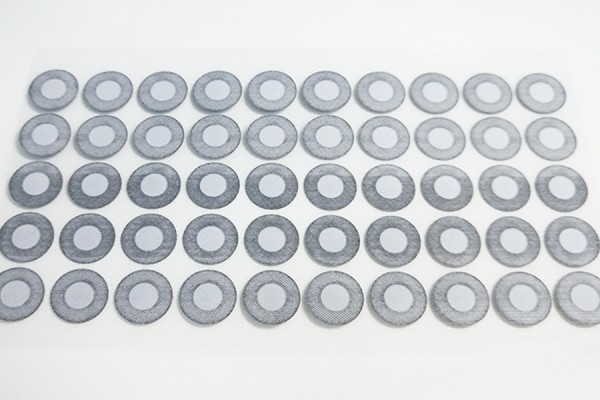
Waterproof ePTFE membranes see widespread use across industries due to their distinctive properties. In healthcare, these membranes play a key role in products such as urine bags, IV devices, and fetal monitors, where moisture control is vital for maintaining sterility. In the automotive sector, these membranes enhance sensor performance and waterproof components, delivering reliability in harsh weather. In consumer electronics, these membranes enhance acoustic performance in devices such as smartphones and cameras, letting sound pass while repelling liquid contaminants. Additionally, industrial uses employ waterproof ePTFE solutions in filtration systems and protective clothing, where breathability meets liquid resistance. This versatility underlines the effectiveness of ePTFE technology and shows how it can adapt to varied environments while keeping performance and safety high.
Future trends in ePTFE Membrane Technology
As industries evolve, the future of ePTFE membrane technology will bring notable changes driven by innovation and adaptability. With increased focus on sustainability, producers are exploring eco-friendly methods to manufacture ePTFE membranes without sacrificing performance. Advanced surface treatments and modifications are on the rise, enabling better filtration efficiency and functionality in varied environmental conditions. Additionally, the integration of nanotechnology is expected to enhance membrane properties, delivering higher permeability and selectivity. Growing demand for smart materials could drive the development of ePTFE membranes that incorporate sensors, enabling real-time monitoring in applications ranging from healthcare to environmental management. Finally, as industries optimize processes, there is a push toward customization and scalability in membrane solutions tailored to particular operational needs. These trends indicate that the versatility and distinctive traits of ePTFE membranes will keep shaping their role across different sectors in the years ahead.
Comparing ePTFE with Traditional Filtration Solutions
ePTFE membranes stand out when compared with traditional filtration options due to their unique characteristics. Traditional filters, often made from materials like fiberglass or paper, mainly focus on particle retention but can struggle with fluid dynamics in certain scenarios. In contrast, ePTFE membranes, with their microporous structure, offer superior permeability while effectively blocking contaminants. This not only boosts filtration efficiency but also reduces energy consumption during operation. Additionally, ePTFE’s chemical stability ensures longevity and reliability under harsh conditions where traditional materials may degrade or fail.
While traditional filters serve certain tasks, they are limited in handling extreme temperatures and corrosive environments. ePTFE membranes excel in these areas, maintaining their integrity and performance where others fail. As industries increasingly demand high-performance solutions that adapt to challenging environments, the advantages of ePTFE become even more evident. The choice between these two types often depends on the specific application requirements; however, for those seeking a versatile and resilient option, ePTFE membranes prove to be a formidable contender against conventional filtration systems.
Conclusion
Conclusion
Advances in ePTFE membrane technology underscore its importance across many industrial applications. With its distinctive properties enabling breathability while blocking unwanted fluids, ePTFE delivers solutions that traditional materials can’t quite match. The membrane’s versatility allows it to fit into diverse sectors, from medical devices to automotive components, boosting efficiency and reliability. As industries evolve, ongoing innovation in ePTFE tech points to an exciting future. Firms are likely to pursue sustainable practices in production while leveraging the benefits of advanced materials. This steady development will not only refine the specs of ePTFE membranes but also widen their applications. The move toward customization will play a key role, tailoring solutions to meet particular operational challenges effectively. Over time, ePTFE membranes are poised to set new benchmarks for performance and quality across industrial landscapes, keeping them at the forefront of filtration solutions for years to come.
Frequently asked questions
what are ePTFE membranes primarily used for?
ePTFE membranes are used across many industries, including medical devices, automotive parts, and electronic insulation, to capitalize on their distinctive filtration and moisture-management properties.
How do ePTFE membranes compare with traditional filtration materials?
ePTFE membranes provide superior permeability and chemical stability, outperforming traditional materials in harsh environments while effectively blocking contaminants and permitting gas exchange.
What advantages do ePTFE membranes provide in medical applications?
In medical use, they help maintain sterile conditions and manage fluids effectively, making them essential in devices such as IV lines and urine bags.
Can ePTFE membranes withstand extreme temperatures?
Yes, they show excellent thermal stability, keeping performance and integrity even in extreme temperatures where other materials may fail.
What role does quality assurance play in producing ePTFE materials?
Quality assurance is crucial in producing ePTFE materials, ensuring compliance with industry standards via rigorous testing of permeability and chemical resistance.
Are there environmental considerations associated with ePTFE membrane production?
Manufacturers are increasingly pursuing sustainable production methods for ePTFE membranes to reduce environmental impact while preserving high performance.
How does the lightweight nature of ePTFE benefit industrial applications?
The light weight of ePTFE contributes to energy efficiency by reducing material use and overall system mass while boosting performance.
What future developments can be anticipated in ePTFE membrane technology?
Future developments may include eco-friendly production methods, enhanced filtration through surface modifications, and the integration of smart technologies for real-time monitoring.