important Takeaways
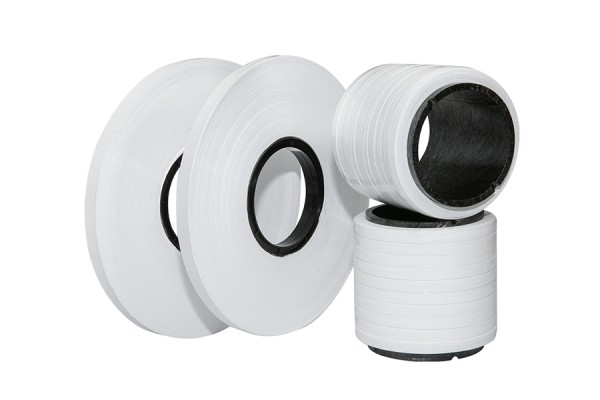
ePTFE membranes demonstrate significant potential across various industries, highlighting their effectiveness and adaptability. In electronics, their low dielectric constant significantly reduces signal loss, making them essential for advanced communication systems. Medical applications emphasize their biocompatibility and safety, which are critical for devices that interact with bodily fluids. Environmental efforts benefit from ePTFE’s filtration capabilities, driving improvements in air and water quality management. In the energy sector, ePTFE membranes boost safety in battery technologies by providing reliable venting solutions. Overall, the unique properties of ePTFE membranes position them as indispensable materials in addressing modern technological and environmental challenges. Their ongoing innovations promise to further extend their utility across numerous applications, reinforcing their role as important components in future developments.
new Applications of ePTFE Membranes
ePTFE membranes find significant applications across diverse industries due to their unique properties. In the electronics sector, their role is vital for high-speed transmission line PTFE wrapping tape and PTFE cable wrapping tape, enhancing signal fidelity in telecommunications. These membranes also extend to high-frequency applications where low dielectric loss is essential. In medical devices, ePTFE membranes are important for sterile barriers, ensuring safety in artificial blood vessels and other life-saving equipment. Environmental solutions leverage ePTFE’s filtration capabilities for water treatment and air purification projects, significantly improving overall efficiency in industrial settings. The energy sector utilizes ePTFE membranes in lithium batteries, providing a safe route for gas release while preventing hazardous leaks. Ultimate versatility is evident as ePTFE expands its utility from DAC high-speed cable wrapping film to PTFE thread seal tape, demonstrating adaptability across various applications while maintaining robust performance standards.
Benefits of ePTFE in Electronics
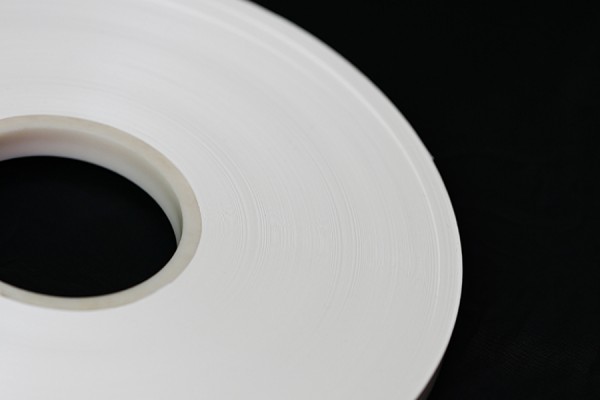
ePTFE membranes offer significant benefits in the electronics sector, primarily due to their unique properties. They serve as excellent insulation for high-speed cables, particularly important for advanced communication systems like 5G and 6G. Their low dielectric constant helps to minimize signal loss, ensuring efficient transmission of data. also, ePTFE’s waterproof characteristics protect sensitive electronic components from moisture damage, which is key in devices exposed to varying environmental conditions.
The membranes also play a critical role in providing acoustic protection; their porous structure allows them to balance air pressure between the inside and outside of devices like smartphones and wireless earbuds. This pressure equilibrium helps prevent sound distortion while maintaining clarity. In flexible circuit boards, ePTFE contributes not only to durability but also enhances performance by resisting wear from heat and chemicals. Overall, ePTFE demonstrates exceptional versatility and reliability in empowering cutting-edge electronic applications.

ePTFE Membranes in Medical Devices
ePTFE membranes play a significant role in the medical industry due to their unique properties. They are widely utilized in various applications such as artificial blood vessels, wound dressings, and sterilization filters. The biocompatibility of ePTFE ensures that these membranes interact safely with biological tissues without causing adverse reactions. also, their microporous structure permits the effective exchange of gases while preventing the passage of liquids and bacteria, making them ideal for medical applications that require a sterile environment. For instance, artificial blood vessels made from ePTFE can maintain blood flow while minimizing the risk of clotting, supporting patient recovery. Moreover, ePTFE membranes facilitate patient safety and comfort in wound care by allowing moisture vapor to escape while keeping harmful pathogens at bay. As medical technology advances, the demand for ePTFE’s essential functionalities will likely grow, impacting treatments and devices positively.
Environmental solutions with ePTFE
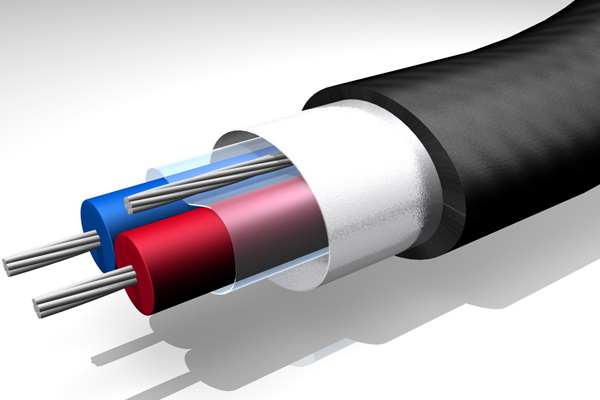
ePTFE membranes play a significant role in various environmental applications, stressing their adaptability in tackling global challenges. These membranes are utilized in industrial filtration systems, serving as core materials for dust removal and water treatment processes. Their unique porous structure enables efficient filtration without compromising flow rates, making them ideal for capturing fine particulate matter and contaminants from air and water. Moreover, ePTFE’s chemical resistance ensures durability and longevity in harsh environments, significantly reducing maintenance costs. In the realm of environmental remediation, ePTFE membranes are important in applications such as landfill gas venting systems, allowing harmful gases to escape while preventing the ingress of liquid contaminants. As concerns about pollution and environmental sustainability grow, the integration of ePTFE technology across various sectors demonstrates a proactive approach to mitigating ecological impacts. The effectiveness of these membranes not only enhances operational efficiency but also contributes to cleaner air and water sources for communities globally.
Energy applications of ePTFE Membranes
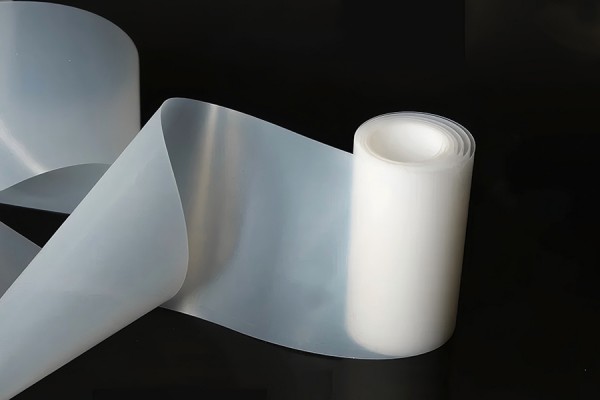
ePTFE membranes play a significant role in the energy sector, specifically in enhancing the performance and safety of lithium-ion batteries and fuel cells. These membranes provide a reliable solution by acting as explosive-proof vents. Such vents are essential for allowing gases to escape safely during charge and discharge cycles, preventing pressure buildup and potential hazards. In addition to their venting properties, ePTFE membranes contribute to thermal management within battery systems. Their excellent thermal stability helps maintain optimal operating temperatures, key for battery longevity and efficiency. Furthermore, ePTFE is utilized in fuel cell components, where its chemical resistance ensures durability against corrosive substances encountered during energy conversion processes. The ability of ePTFE to maintain structural integrity under extreme conditions makes it an invaluable asset for advancing energy technology while promoting safety and performance in modern applications.
Unique properties of ePTFE Technology
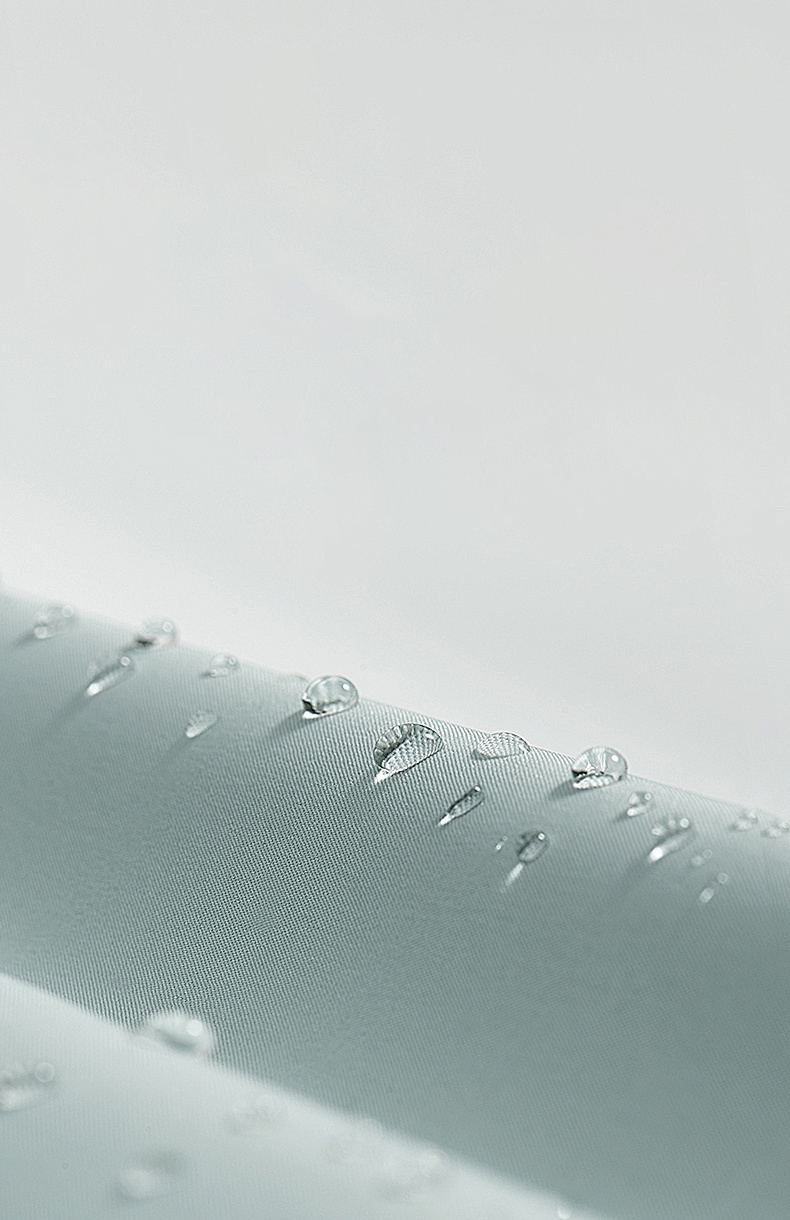
ePTFE membranes possess a range of important characteristics that improve their functionality across various applications. One notable property is their exceptional permeability, which allows water vapor to escape while blocking liquid water, making them ideal for use in both clothing and equipment waterproofing. furthermore, ePTFE exhibits excellent chemical resistance, enabling it to withstand harsh environments without degrading. Its low dielectric constant contributes to minimal signal loss in high-frequency applications, key in electronics. Moreover, ePTFE’s biocompatibility ensures safety in medical devices, where contact with bodily fluids is essential. The self-lubricating nature of ePTFE reduces friction in moving parts, improving the durability of mechanical components. This unique combination of properties not only broadens the applicability of ePTFE membranes but also acts as a main driver for innovations across industries ranging from electronics and medical devices to environmental solutions and energy systems.
Emerging trends in ePTFE Use
The use of ePTFE membranes continues to evolve as industries seek new solutions for complex challenges. In electronics, there is a growing focus on integrating ePTFE membranes into flexible and wearable technologies. This trend enhances moisture management in devices, allowing for improved durability and performance. In the medical field, advances in biocompatible applications are driving the development of ePTFE for drug delivery systems and implantable devices, showcasing its adaptability. The environmental sector is witnessing an increased demand for ePTFE in air and water filtration systems, particularly as regulations tighten on pollutants. Furthermore, in energy applications, research is targeting the optimization of ePTFE membranes for hydrogen fuel cells, aiming to increase efficiency and safety in renewable energy technologies. Across these domains, the versatility of ePTFE is becoming more pronounced, with manufacturers focusing on unique configurations to maximize its beneficial properties while addressing specific industry needs. This growing interest signals a bright future for the deployment of ePTFE membranes across various sectors.
Versatility of ePTFE Across Industries
ePTFE membranes are remarkably versatile, finding applications in diverse sectors due to their unique properties. In electronics, these membranes not only protect sensitive components from moisture but also aid in signal integrity. Their chemical resistance makes them ideal for high-performance environments, such as 5G and 6G communications. The medical industry benefits from ePTFE’s biocompatibility and sterilization capabilities, using it in critical applications like artificial blood vessels and filters. Environmental solutions leverage ePTFE’s filtration properties for effective dust removal and water treatment processes.
Moreover, the energy sector utilizes ePTFE in safe venting systems for lithium batteries, ensuring performance under extreme conditions. These applications mention how ePTFE membranes improve functionality across various industries while addressing specific challenges. With their expanding use, the adaptability of ePTFE continues to evolve, shaping new solutions that improve efficiency and safety in multiple domains.
Conclusion
the diverse applications and unique properties of ePTFE membranes reflect their growing importance across various industries. In electronics, their ability to maintain signal integrity while protecting components enhances device reliability. For medical devices, ePTFE’s biocompatibility and sterilization capabilities ensure patient safety and comfort, underscoring its critical role in life-saving technologies. In environmental solutions, ePTFE membranes contribute to effective filtration, addressing pressing pollution challenges and supporting cleaner air and water initiatives. The energy sector benefits from ePTFE’s thermal stability and safety features in battery and fuel cell applications, promoting innovation in sustainable energy technologies. As industries continue to evolve, the adaptability of ePTFE membranes will drive further developments, positioning them as essential materials in tackling modern challenges across multiple sectors.
FAQs
What are ePTFE membranes used for?
ePTFE membranes are utilized in electronics, medical devices, environmental solutions, and energy applications due to their unique properties.
How do ePTFE membranes benefit the electronics sector?
They improve signal integrity, provide excellent insulation, and protect sensitive components from moisture.
What advantages do ePTFE membranes offer in medical devices?
Their biocompatibility ensures safe interaction with biological tissues, while their microporous structure maintains sterility.
Can ePTFE membranes help with environmental challenges?
Yes, they are effective in filtration systems for air and water treatment, capturing contaminants while maintaining flow rates.
How do ePTFE membranes contribute to energy applications?
They act as safe venting solutions in lithium-ion batteries, enhancing safety and performance while managing thermal stability.