main Takeaways
PTFE film stands out due to its unique properties that include high chemical resistance, low friction, and excellent thermal stability. These attributes make it essential in a multitude of applications across various industries. In coatings, PTFE film provides superior slip properties and protects surfaces from wear and corrosion. For sealing solutions, it offers reliable performance under extreme conditions, enhancing efficiency and durability. In the realm of high-frequency components, PTFE’s low dielectric constant ensures minimal signal loss, enabling better performance in electronics. Cable insulation made from PTFE enhances safety and reliability in electrical applications by providing robust protection against abrasion and moisture. The cost advantages of integrating PTFE technology into products cannot be understated; its longevity mitigates replacement costs over time. As modern electronics evolve, PTFE’s role continues to expand, particularly in industries such as aerospace where lightweight and high-performance materials are key for innovation.
Applications of PTFE Film in Coatings
PTFE film is extensively used in various coating applications due to its remarkable properties. Its non-stick surface minimizes friction and prevents adhesion, making it an ideal choice for coatings on a range of industrial components, including containers and pipes. PTFE wrapping film is particularly effective in environments that require chemical resistance because it can protect against corrosive substances. also, PTFE Thread Seal Tape is a common solution for ensuring leak-proof seals in plumbing and piping systems. In high-speed transmission lines, the use of high speed and high-frequency cable wrapping film enhances performance by providing durable insulation that withstands harsh conditions. Products like DAC high-speed cable wrapping film and AEC high-speed cable wrapping film exemplify the versatility of PTFE coatings in the electronics industry, ensuring reliable signal transmission in critical applications. The superior thermal stability of these coatings supports their use in a wide range of temperature conditions, further solidifying PTFE’s reputation as a preferred material in both industrial and consumer products.
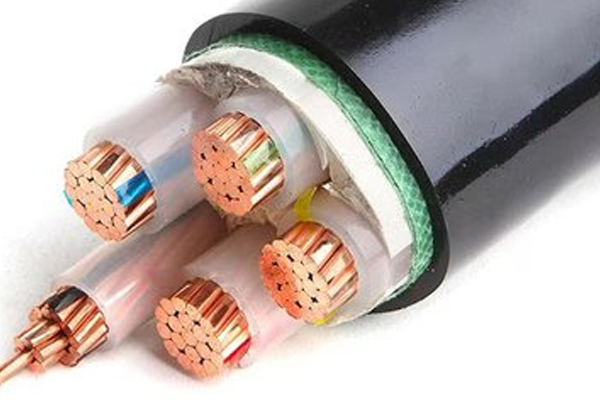
PTFE Film for Sealing Solutions
PTFE film is increasingly recognized for its vital role in sealing applications across various industries. Its outstanding chemical resistance allows it to perform effectively in harsh environments, preventing leakage and ensuring integrity in systems involving aggressive fluids. Commonly utilized in gaskets, seals, and O-rings, PTFE film delivers reliability even under extreme temperatures and pressures. The durability of PTFE means that these sealing solutions maintain their effectiveness over extended periods, reducing the need for frequent replacements. also, the film’s low friction properties contribute to smoother operation in mechanical assemblies while minimizing wear on components. As industries seek to improve safety and efficiency, PTFE film emerges as a preferred choice for sealing solutions that meet stringent operational demands. This adaptability makes it important for applications ranging from automotive to chemical processing sectors where performance cannot be compromised.
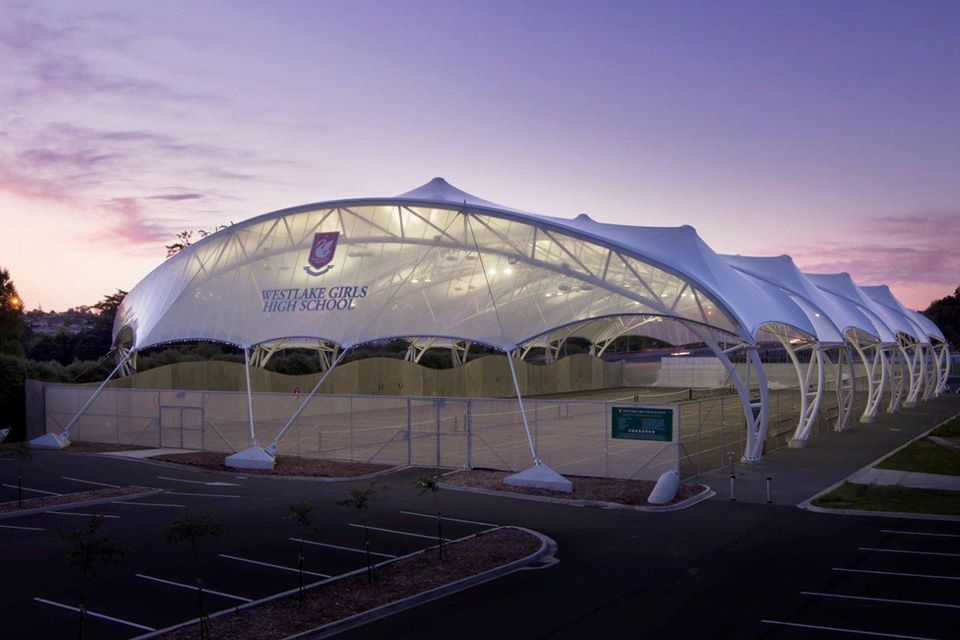
High-Frequency Components Using PTFE
PTFE film is integral in the design of high-frequency components, particularly in the realm of telecommunications and advanced electronics. Its low dielectric loss and exceptional thermal stability make it suitable for applications demanding high-performance insulation. The material supports efficient signal transmission, reducing interference and signal degradation in high-speed data communication systems. In the development of components for AI servers and 6G technology, tailored PTFE films provide critical improvements in dielectric performance. These films are meticulously engineered to improve creep resistance, ensuring reliability under varying electrical loads and environmental conditions. PTFE’s unique properties allow it to thrive in demanding applications such as microwave communication systems, where maintaining signal integrity is essential. The evolution of PTFE films continues to facilitate advancements in the semiconductor industry, reflecting a significant shift toward more efficient, reliable technologies. These developments position PTFE as a important player in modern electronics, confirming its role in meeting the growing demands of high-frequency applications.
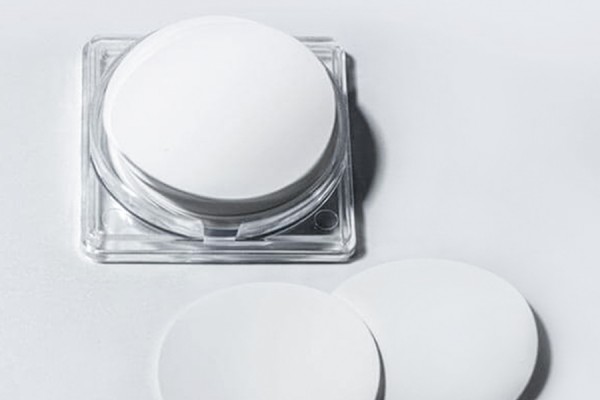
new Cable Insulation from PTFE
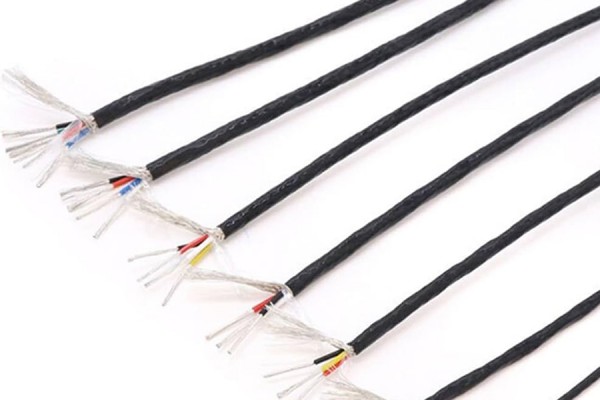
PTFE film has made significant strides in cable insulation, particularly in high-performance applications. Its low density and impressive thermal stability make it suitable for a variety of advanced cabling systems, including those used in aerospace and telecommunications. The ePTFE membranes provide excellent dielectric performance, which is essential for high-frequency signal transmission. This capability is increasingly vital with the rise of 5G and future 6G technologies, where efficient data transfer is critical. Moreover, PTFE’s resilience to temperature fluctuations, from -150°C to 260°C, ensures that cables maintain performance under extreme conditions. This durability not only enhances the lifespan of the cables but also contributes to system reliability. also, with the growing demand for lighter materials in data communication technologies and automotive applications, PTFE offers a compelling solution that meets both performance and weight requirements.
“With ePTFE insulation, cable performance is optimized without adding unnecessary weight.”
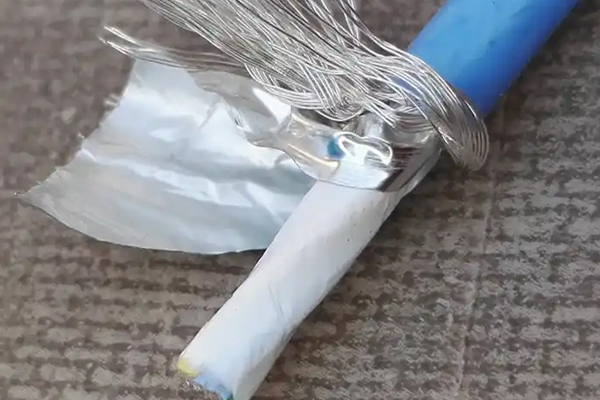
Cost benefits of PTFE Technology
The cost advantages of PTFE technology are significant for various industries. Modified PTFE products often provide a competitive edge against imported high-end brands, ensuring that local manufacturers can deliver high quality solutions while remaining cost-effective. The ability to source materials domestically reflects current trends toward localized supply chains, especially relevant for sectors like AI and aerospace. This shift not only reduces transportation expenses but also minimizes lead times, allowing companies to respond swiftly to market demands. Moreover, the durability and longevity of PTFE elements minimize the need for frequent replacements, leading to long term savings in maintenance and operational costs. These factors combined make PTFE a financially attractive option, encouraging both innovation and efficiency in contemporary technology applications.
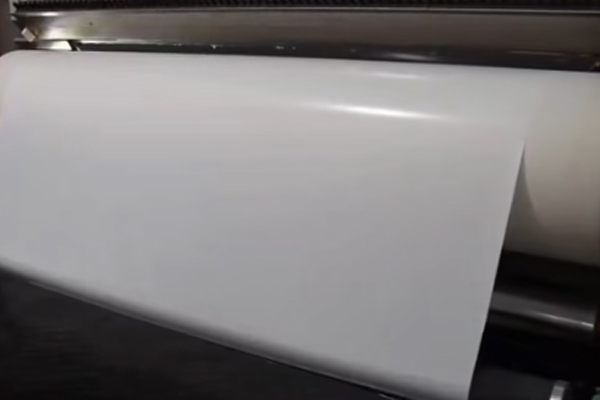
Unique properties of PTFE Film
Polytetrafluoroethylene (PTFE) film exhibits several unique properties that make it exceptionally useful across various applications. Its outstanding chemical resistance ensures that it can withstand harsh environments without degradation, making it ideal for use in coatings and sealing solutions. PTFE film maintains its integrity under extreme temperatures, ranging from -150°C to 260°C, showcasing excellent thermal stability. The material is also known for its low friction surface, which significantly reduces wear and energy consumption in mechanical systems. Furthermore, PTFE has a stable dielectric constant and low dielectric loss, which enhances its performance in high-frequency applications. These characteristics not only improve efficiency but also contribute to the durability of products utilizing PTFE film. As such, it’s a versatile option for industries ranging from electronics to aerospace, where reliability and performance are key. The cost-effectiveness of modified PTFE products further highlights their appeal as a competitive choice in the market.
PTFE’s Role in Modern Electronics
PTFE film plays an essential role in the electronics industry, primarily due to its remarkable electrical insulation properties. Its low dielectric constant makes it suitable for high-frequency applications, enabling efficient signal transmission in devices such as smartphones and computers. PTFE’s stability across a range of temperatures ensures reliable performance under varying operational conditions, which is important for electronic devices that experience heat during use. furthermore, its chemical resistance protects sensitive electronic components from corrosion and degradation, extending the lifespan of devices. The lightweight nature of PTFE materials contributes to the overall efficiency of electronic assemblies, making them an excellent fit for cutting-edge technologies like 6G and AI-driven systems. As the demand for more compact and efficient electronic solutions grows, PTFE film continues to be a vital material choice for manufacturers focused on enhancing device performance while minimizing weight and size.
Advantages of PTFE in Aerospace
PTFE offers distinct advantages in the aerospace industry, primarily due to its excellent chemical resistance and thermal stability. Aerospace applications often involve extreme temperatures and harsh environments; PTFE withstands these conditions effectively, maintaining performance under stress. Its low friction properties significantly boost the durability of components, leading to less wear and reduced maintenance costs over time. also, PTFE’s lightweight nature contributes to overall weight reduction in aerospace designs, which is important for improving fuel efficiency. The ability to create reliable seals with PTFE adds another layer of safety, preventing the leakage of gases and fluids that could compromise aircraft systems. This combination of reliability and efficiency makes PTFE a preferred material for gaskets, seals, and various other components in both commercial and military aircraft systems. Furthermore, the ongoing innovation in PTFE technology continues to broaden its applicability within new aerospace projects, making it an essential material for advancing modern aviation engineering.
Conclusion
PTFE film has established itself as an integral component across various sectors in modern technology. Its widespread applications in coatings, sealing solutions, high-frequency components, and cable insulation reveal its adaptability and performance capabilities. The unique properties of PTFE, including its chemical resistance, non-stick characteristics, and excellent electrical insulation, make it an ideal choice for demanding environments. furthermore, the cost advantages of PTFE technology provide industries with a practical solution that enhances efficiency and reliability. As we look towards the future, the role of PTFE in innovations within electronics and aerospace is becoming increasingly prominent. This blend of performance and cost-effectiveness signifies that PTFE film will remain a main material supporting advancements across multiple fields.
FAQs
What is PTFE film?
PTFE film is a type of polymer film made from polytetrafluoroethylene, known for its non-stick properties and high thermal stability.
What are the main applications of PTFE film?
PTFE film is commonly used in coatings, sealing materials, high-frequency components, and as insulation for cables.
How does PTFE film compare to other materials?
PTFE film offers superior chemical resistance, low friction properties, and higher temperature resistance than many other materials.
Is PTFE film environmentally friendly?
While PTFE itself is chemically stable and durable, its production process can have environmental impacts. Recycling options are limited.
What industries benefit from using PTFE film?
Industries such as aerospace, electronics, automotive, and chemical processing utilize PTFE film for its unique properties and performance benefits.