
Key takeaways
ePTFE membranes offer a blend of breathability, barrier performance, and chemical resilience that makes them versatile across industries. In filtration, their fine pore structure captures particulates while allowing water vapor passage, extending filter life and reducing maintenance. For insulation and thermal management, their low density and temperature stability support lightweight, durable components in aerospace, electronics, and construction. In waterproofing applications, the breathable yet water-blocking nature helps protect gear and structures without trapping moisture. In medical contexts, biocompatibility, sterilizability, and permeability control support devices from wound care to vascular implants. High-tech uses benefit from stable dielectrics and resistance to harsh environments, enabling reliable performance in telecom cabling, wearables, and aerospace wiring. Looking ahead, ongoing material innovations, such as composite formulations and sustainable processing, are expected to broaden adoption while maintaining safety and regulatory compliance. Across sectors, ePTFE membranes continue to improve efficiency, longevity, and resilience in demanding conditions.
Applications of ePTFE Membranes
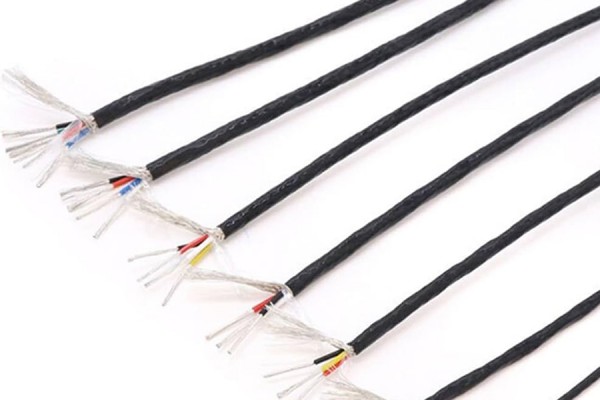
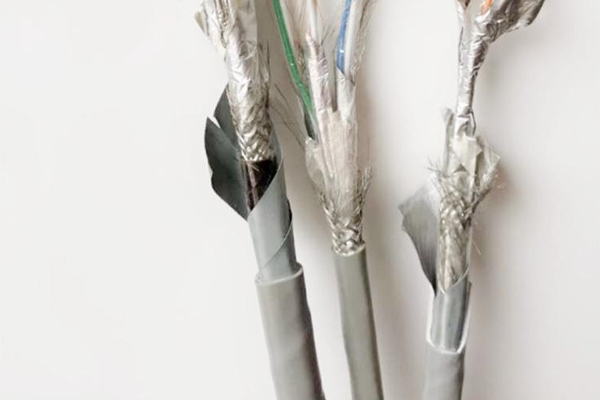
ePTFE membranes find wide-ranging applications across various industries due to their unique properties. In the telecommunications sector, high-speed transmission line PTFE wrapping tape serves to enhance performance and protect cables from environmental challenges. Similarly, PTFE wrapping film is utilized in multiple applications requiring reliable insulation and moisture resistance. Medical devices also benefit from ePTFE, as it ensures safety and efficacy in products such as wound dressings and surgical implants.
The automotive industry employs PTFE Thread Seal Tape to secure connections and prevent leaks, while PTFE cable wrapping tape is essential for safeguarding electrical components in vehicles. Furthermore, ePTFE membranes are integral to industrial settings for filtration processes and dust control. The aerospace sector leverages ePTFE films in high-speed and high-frequency cable wrapping films, ensuring signal integrity under extreme conditions. Overall, the versatility of ePTFE membranes makes them invaluable in modern manufacturing processes across a variety of sectors.
Advantages of ePTFE in Filtration
ePTFE membranes provide several notable improvements in filtration applications thanks to their distinctive properties. The minimum pore size of 0.1 microns enables them to effectively filter particulates while allowing water vapor molecules to pass. This trait not only boosts filtration efficiency but also extends service life by preventing blockages. Additionally, the chemical resistance of ePTFE ensures membranes can endure harsh environments without degrading, making them suitable for industrial filtration tasks.
These membranes are especially valuable in sectors like pharmaceuticals and food processing, where cleanliness and sterility are essential. The hydrophobic character of ePTFE helps repel liquid contaminants, further improving filtration reliability. Additionally, the lightweight and flexible design eases integration into multiple systems while preserving structural integrity under pressure. As industries keep demanding more effective filtration solutions, the adaptable nature of ePTFE membranes positions them as a key element across numerous applications.
ePTFE Membranes in Insulation
ePTFE membranes play a meaningful role in insulation applications because of their distinctive blend of properties. Their low thermal conductivity and light weight make them ideal for delivering insulation in diverse environments. Many sectors, including aerospace, construction, and electronics, benefit from the efficient thermal management these membranes provide. They curb heat loss while keeping weight down, which is especially critical in aerospace applications where sustaining optimal performance matters. Also, ePTFE’s resistance to temperature extremes ensures consistent performance even in harsh conditions. The membranes also serve as barriers against moisture and gases, contributing to energy efficiency and system longevity. Their adaptability enables integration into a wide range of products, from insulation for delicate electronic components to heat-retaining materials in construction projects. This versatility highlights the crucial role ePTFE membranes play in advancing insulation technologies across multiple sectors.
Waterproofing with ePTFE Technology
ePTFE technology plays a notable role in waterproofing applications thanks to its distinctive micro-porous structure. This structure allows water vapor to escape while preventing liquid water from penetrating, making it suitable for a range of environments. Industries rely on ePTFE membranes for their effectiveness in forming breathable yet waterproof barriers, particularly in products like jackets, tents, and outdoor gear. By striking a balance between moisture management and waterproofing, ePTFE delivers comfort and protection in adverse weather.
Additionally, its outstanding durability under extreme temperature shifts and chemical exposure increases its usefulness in demanding contexts. Many manufacturers employ ePTFE membranes in architectural applications to shield structures from water damage while permitting ventilation. As buildings grow more energy-efficient and airtight, the need for dependable waterproofing solutions like ePTFE becomes even more critical. These membranes not only extend the longevity of materials but also boost overall system performance by reducing moisture-related issues within construction projects and consumer products alike.
ePTFE in Medical Applications
ePTFE membranes hold a vital role in medical applications thanks to their distinctive properties, including biocompatibility, chemical resilience, and effective filtration abilities. These membranes are used in artificial blood vessels, where they support biocompatibility while minimizing thrombosis risk. Their porous structure permits gas exchange while blocking bacteria and other contaminants, making them suitable for surgical drapes and wound dressings. Additionally, ePTFE membranes are used in drainage systems to ensure effective fluid management during postoperative care. The lightness of these membranes boosts patient comfort while delivering durability in various medical devices. Moreover, their use extends to applications such as infusion devices and fetal monitors, where dependable performance is essential. As the demand for advanced medical technologies grows, the incorporation of ePTFE membranes continues to improve outcomes in patient care and surgical procedures. This material not only withstands sterilization processes but also backs innovations in tissue engineering and regenerative medicine, underscoring its importance within the healthcare sector.
High-Tech Uses of ePTFE Membranes
ePTFE membranes are increasingly important in advanced technology settings due to their distinctive properties. In telecommunications, these membranes are used in high-speed cables, delivering dependable insulation to support data transmission while reducing interference. Their low dielectric constants make them suitable for both 5G and 6G networks, enabling clearer signals and better performance. In aerospace, ePTFE acts as a protective layer for wiring and sensitive components, effectively shielding them from extreme temperature shifts and environmental hazards. Moreover, the versatility of ePTFE allows its use in consumer electronics, where it guards devices like smartphones and wireless headsets from moisture ingress while preserving audio quality. This adaptability demonstrates how the material’s properties align with the evolving needs of high-tech industries.
"Innovative uses of ePTFE membranes continue to shape modern technology."
Performance benefits of ePTFE Materials
ePTFE materials deliver notable performance benefits, making them desirable across many industries. Their distinctive porous structure enables excellent breathability while preserving a barrier to liquid water, which matters for moisture control. ePTFE membranes also show outstanding thermal stability, allowing them to perform effectively in extreme temperatures without degrading. This resilience supports reliability in high-tech electronics, where insulation and signal integrity matter. Moreover, the low dielectric loss characteristics of ePTFE boost its utility in telecommunications and aerospace, supporting efficient signal transmission. Additionally, ePTFE resists chemical exposure and environmental degradation, ensuring durability and longevity in demanding environments. These traits not only enhance overall product performance but also cut maintenance needs over time, which matters for manufacturers striving for efficiency and sustainability in their processes.
Future trends in ePTFE Applications
The ongoing progression of ePTFE membranes points to several encouraging trends across different industries. Enhanced performance traits are driving meaningful innovations in filtration systems, yielding more efficient air and water purification technologies. In insulation applications, advances in ePTFE composite materials are likely to improve thermal management in high-performance devices. Waterproofing technology continues to expand as sectors seek more reliable protection against moisture ingress, especially in electronics and outdoor gear. Additionally, the medical field stands to gain from advanced uses of ePTFE membranes, with potential breakthroughs in drug delivery devices and next-generation wound-care systems gaining traction. Sustainability concerns and the call for eco-friendly solutions may also shape future ePTFE uses, pushing the development of biodegradable and recyclable materials. Overall, these trends suggest ePTFE membranes will stay at the forefront of technological progress, addressing critical needs across different sectors while boosting product longevity and performance efficiency.
Conclusion
The advances in ePTFE membrane technology underline their important role across diverse industries. Their distinctive properties, including excellent filtration efficiency, strong insulation capabilities, and effective waterproofing features, continue to drive innovations in fields spanning medical applications to advanced electronics. As industries evolve, the demand for dependable and high-performance materials grows, placing ePTFE membranes as a core element in product development. Ongoing exploration of their capabilities points to a future rich with potential enhancements and applications, especially as sustainability concerns grow more central. Manufacturers are likely to focus on integrating ePTFE membranes into new designs to meet evolving industry needs, proving their relevance in a fast-changing technological landscape. As research and development advance, the promise of ePTFE technology stays strong, paving the way for better solutions that tackle critical challenges across diverse applications.
FAQs
What are ePTFE membranes used for in various industries?
ePTFE membranes are used for filtration, insulation, and waterproofing across multiple sectors such as telecommunications, healthcare, aerospace, and construction.
How do ePTFE membranes boost filtration efficiency?
The distinctive pore size of ePTFE membranes enables effective filtration of particulates while permitting water vapor to pass, improving system efficiency and longevity.
Are ePTFE membranes safe for medical applications?
Yes, ePTFE membranes exhibit biocompatibility and are widely employed in medical devices such as wound dressings and artificial blood vessels to ensure safety in use.
What benefits do ePTFE membranes offer in insulation applications?
ePTFE membranes deliver low thermal conductivity and function as moisture barriers, making them suitable for high-performance insulation in aerospace and electronic devices.
Can ePTFE membranes withstand harsh environmental conditions?
Yes, ePTFE membranes showcase outstanding chemical resistance and durability under extreme temperature shifts, ensuring dependable performance in demanding environments.
How is sustainability addressed in developing ePTFE applications?
The push for eco-friendly solutions shapes the future of ePTFE technology, driving innovations aimed at creating biodegradable and recyclable materials.
What role do ePTFE membranes play in waterproofing technology?
ePTFE membranes form breathable yet waterproof barriers that stop liquid water from penetrating while permitting water vapor to escape, making them essential in outdoor gear and high-performance clothing.