main Takeaways
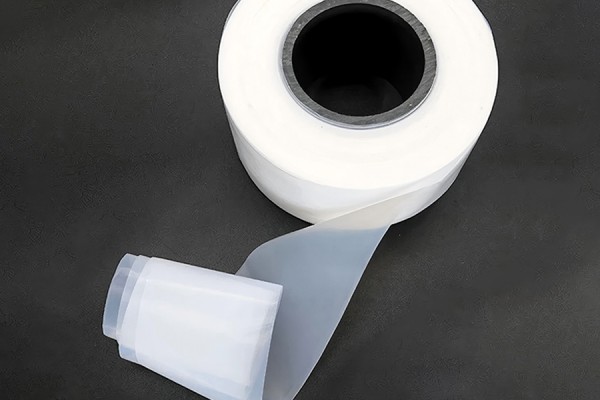
High-speed transmission line PTFE wrapping tape is essential for improving data transfer efficiency in modern telecommunications and technology. Its low-loss properties minimize signal degradation, ensuring that data travels quickly and reliably. The excellent insulation qualities of PTFE contribute to reduced interference, which is critical in densely populated environments where multiple signals converge. Furthermore, the tape’s ability to withstand extreme temperatures enhances its performance across various operating conditions. By optimizing coaxial cable performance, PTFE tape not only supports high-speed data streams but also prolongs the lifespan of cables in demanding applications. Overall, its unique combination of features makes high-speed PTFE wrapping tape a vital component for advanced technological solutions.
High-Speed Transmission Solutions with PTFE Tape
High-speed transmission line PTFE wrapping tape is engineered to meet the demands of modern telecommunications and electronic applications. Its unique properties significantly reduce dielectric losses, ensuring efficient data transfer. The robust nature of PTFE wrapping film supports high-frequency signals while maintaining integrity across various environments. This capability makes PTFE cable wrapping tape a preferred choice for applications that require reliable performance, such as RF coaxial cables and advanced data lines. The dimensional stability provided by PTFE thread seal tape contributes to consistent impedance, preventing signal degradation during high-speed operations. Moreover, the exceptional temperature resistance of DAC high-speed cable wrapping film and similar products ensures durability in extreme conditions, enhancing overall transmission reliability. This forms a important part of optimizing coaxial cable performance and maximizing data efficiency in dynamic technology landscapes where speed is paramount. Ultimately, integrating high speed and high-frequency cable wrapping film into system designs can lead to significant improvements in data transfer capabilities, providing competitive advantages in a rapidly evolving digital world.
Maximizing data transfer efficiency with PTFE
High-speed transmission line PTFE wrapping tape is designed to optimize data transfer efficiency through its unique properties. With a low dielectric constant, this tape minimizes signal loss and supports enhanced data integrity across communication channels. Its consistent thickness ensures that impedance remains uniform, which is important for maintaining high quality performance in various applications. also, the tape’s excellent insulation abilities contribute to effective noise reduction, further improving signal clarity. This combination of low-loss features and mechanical stability allows for reliable performance in demanding environments, making it indispensable for high-frequency data lines used in telecommunications and advanced electronic systems. As technology evolves and data transfer rates increase, utilizing PTFE wrapping tape becomes essential for meeting the ever-growing demands for speed and reliability in data transmission.
Advantages of Using PTFE for Telecommunications
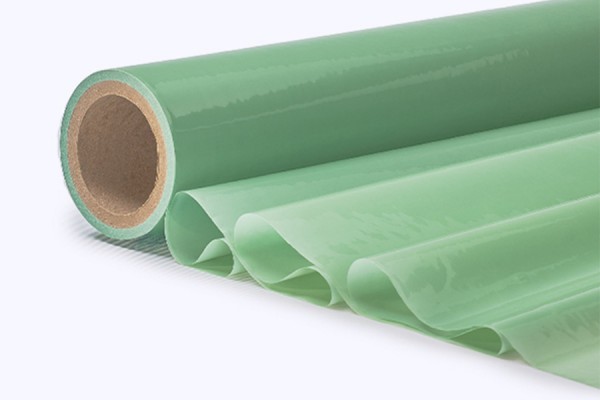
PTFE’s properties make it an excellent choice for telecommunications applications. Its low-loss characteristics ensure minimal signal degradation, which is key in environments that demand high-speed data transfer. The material’s robust insulation capabilities provide excellent protection against electrical interference, further enhancing signal integrity. With the ability to withstand extreme temperatures, PTFE ensures consistent performance in varying environmental conditions, making it suitable for both indoor and outdoor installations. furthermore, its mechanical strength and resistance to corrosion contribute to the longevity and reliability of telecommunications systems. These features collectively improve the overall efficiency and performance of communication networks by reducing downtime and maintenance needs, proving PTFE essential for modern telecom infrastructure.
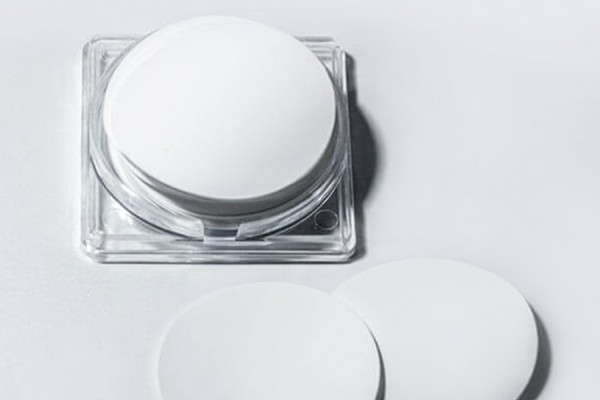
Insulation properties of High-Speed PTFE Wrapping Tape
High-speed PTFE wrapping tape offers exceptional insulation properties that are vital for reliable data transfer in advanced telecommunications systems. The material features a high dielectric strength, surpassing 80kV/mm, which is essential for preventing signal distortion and maintaining clarity during transmission. This superior insulation capability minimizes the risk of crosstalk and electromagnetic interference, ensuring that high-frequency signals remain unaffected. also, the unique porous structure of the tape helps to limit high-frequency polarization losses, further promoting signal integrity in environments with demanding performance requirements. Its durability against harsh conditions allows it to function effectively across a wide temperature range from -200℃ to 260℃. This resilience not only protects the integrity of the signal but also enhances the longevity of the component assemblies in which it is used. Thus, high-speed PTFE wrapping tape stands out as a main material for achieving optimal insulation in modern data transmission applications.
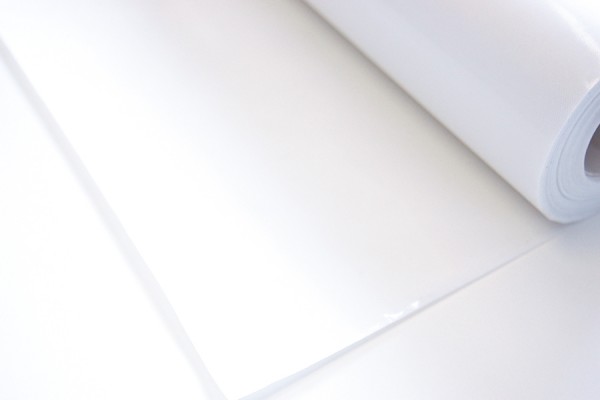
Impact of Temperature Resistance on Data Transfer
Temperature resistance significantly influences the performance of high-speed transmission lines, particularly in environments that experience extreme fluctuations. Guangfu PTFE wrapping tape is engineered to operate effectively within a range of -200℃ to 260℃, maintaining its dielectric properties. This stability under varied temperatures is important, as temperature variations can induce changes in materials that lead to signal degradation. High-speed data applications demand consistent signal integrity, where any distortion from temperature-related factors can hinder performance. PTFE’s exceptional thermal resilience helps minimize loss and crosstalk, ensuring that data integrity remains intact even in challenging conditions. As electronic devices push for greater speed and efficiency, the ability of PTFE tape to withstand severe thermal environments becomes an essential factor in optimizing overall system reliability and performance. This makes PTFE an ideal choice for telecommunications and advanced technological frameworks where precise data transfer is paramount.
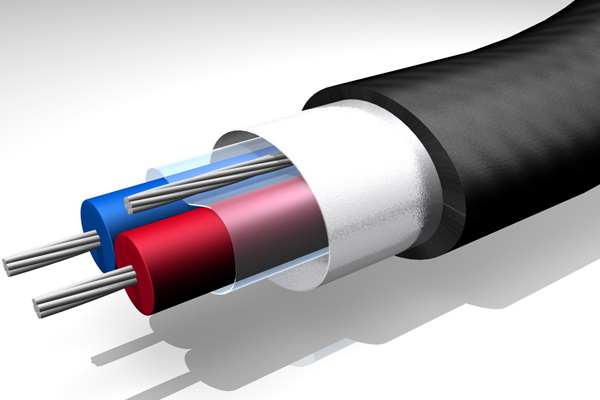
Optimizing coaxial cable performance with PTFE Tape
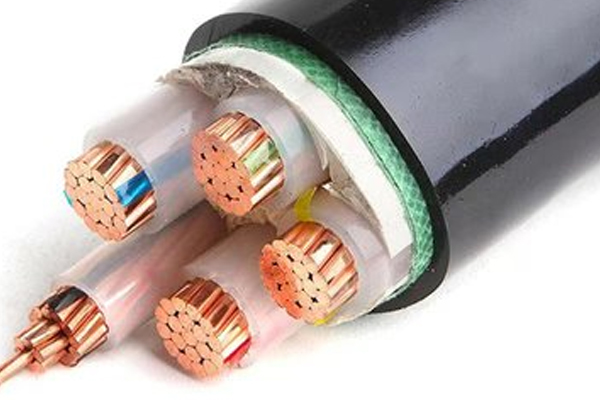
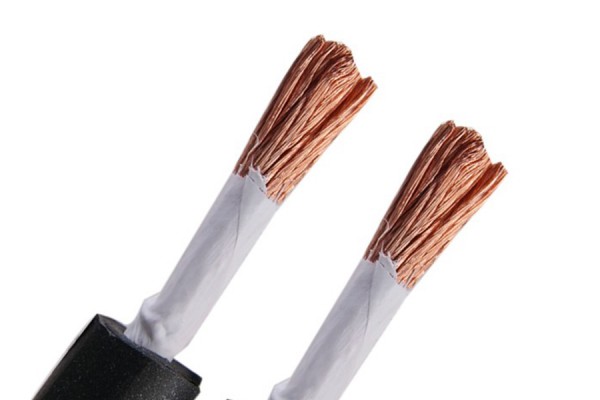
PTFE tape plays a vital role in enhancing the performance of coaxial cables by providing excellent insulation and low-loss characteristics. Its low dielectric constant minimizes signal loss, making it highly effective for high-frequency applications. The stable density and thickness ensure uniform impedance, which is important for maintaining signal integrity in demanding environments such as telecommunications and military applications. also, PTFE’s resistance to extreme temperatures allows coaxial cables to perform reliably under varying conditions without compromising their electrical properties. This durability is important in mitigating crosstalk and signal attenuation, leading to improved overall performance. As electronic devices continue to demand faster data transmission speeds, integrating PTFE tape in coaxial cable construction is increasingly recognized as a strategic advantage to meet these modern requirements.
Low-Loss Features in High-Speed Data Applications
High-speed transmission line PTFE wrapping tape is designed to minimize signal loss, making it highly effective for modern data transfer needs. With its unique porous structure, this tape reduces polarization losses that can occur at high frequencies. It operates exceptionally well in demanding environments, maintaining low-loss characteristics across a range of frequencies. The importance of low-loss features cannot be overstated, as they directly affect the signal integrity and efficiency of data transmission. This is especially important in applications like telecommunications and data centers, where high bandwidth and stable performance are essential. By incorporating low-loss PTFE tape into systems such as RF coaxial cables and medical devices, engineers can ensure clearer signals with less distortion over long distances. This enhances overall system performance while allowing for greater design flexibility, accommodating various configurations without sacrificing quality or speed. The integration of this wrapping tape demonstrates how advanced materials can support the increasing demands of high-speed data transmission in a rapidly evolving technological situation.
Conclusion
high-speed transmission line PTFE wrapping tape plays a critical role in advancing data transfer efficiency across various technological platforms. Its low-loss characteristics significantly minimize signal degradation, making it an essential component in high-frequency applications. also, the excellent insulation properties of PTFE provide reliable protection against interference and electrical leakage, ensuring consistent performance. The material’s resistance to extreme temperatures enhances its durability, making it suitable for use in diverse environments where traditional materials might fail. By optimizing coaxial cable performance, PTFE not only supports faster data transfer rates but also contributes to the overall reliability of telecommunications infrastructure. As technology continues to evolve, the importance of high quality materials like PTFE wrapping tape will likely become even more pronounced, driving innovation and efficiency in the telecommunications industry.
FAQs
What is high-speed transmission line PTFE wrapping tape?
High-speed transmission line PTFE wrapping tape is a specialized insulating material designed to boost data transfer by providing low-loss properties and excellent insulation.
How does PTFE wrapping tape improve data transfer efficiency?
PTFE wrapping tape minimizes signal loss, ensuring that data can be transmitted quickly and reliably over longer distances, making it ideal for high-speed applications.
What are the advantages of using PTFE in telecommunications?
PTFE offers superior insulation, resistance to moisture, and durability against extreme temperatures, which makes it particularly useful in telecommunications infrastructure.
How does temperature resistance impact data transfer performance?
High-temperature resistance allows PTFE tape to maintain performance in diverse environments, preventing degradation that could lead to signal loss or failure.
Can PTFE wrapping tape be used with various types of cables?
Yes, PTFE wrapping tape is versatile and can be effectively applied to various cables, including coaxial cables and fiber optic wires, enhancing their performance.
What should I consider when selecting PTFE wrapping tape for my application?
Consider factors such as the specific frequency range you need to cover, environmental conditions like temperature variations, and compatibility with the materials of your cables.