

important Takeaways
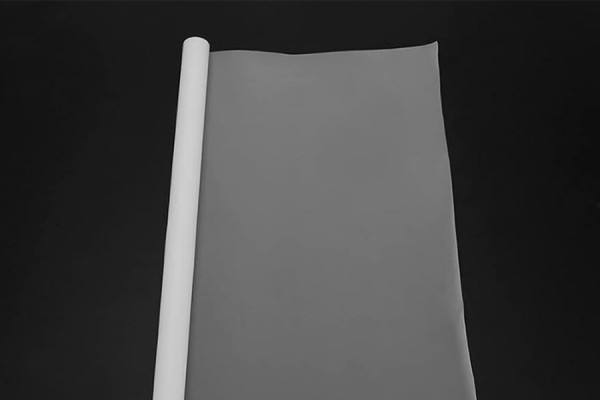
PTFE high-speed cable film stands out for its exceptional qualities that improve both thermal and electrical performance across various demanding applications. Its ability to maintain effectiveness from -200℃ to +260℃, with short bursts up to 300℃, ensures reliability even in extreme conditions. The film’s low dielectric constant minimizes signal loss, making it ideal for modern communication technologies such as 5G. Moreover, its resistance to chemical corrosion and flame retardant properties improve durability in automotive and aerospace environments. These characteristics contribute significantly to the safety and efficiency of electrical systems, while the lightweight nature of PTFE films simplifies installation. Overall, PTFE high-speed cable film is not just a material choice but a strategic component for ensuring high performance and durability across numerous high-tech industries.
High-Temperature Performance of PTFE Films
PTFE films exhibit remarkable high-temperature performance, making them a preferred choice for various applications. These films maintain their integrity and functionality across a wide temperature range, specifically from -200℃ to +260℃, with short-term resistance exceeding 300℃. This exceptional thermal stability is attributed to the film’s unique molecular structure, which resists degradation and retains its electrical insulating properties even in extreme conditions. The low thermal expansion coefficient of PTFE further contributes to its reliability in high-speed transmission line applications. Whether used as PTFE cable wrapping tape or in DAC high-speed cable wrapping film, the heat insulation properties ensure minimal signal loss and enhanced performance in communication systems. also, PTFE’s chemical inertness ensures that it can withstand corrosive environments often found in aerospace or automotive contexts. As industries demand more robust solutions for electric insulation, the durability shown by PTFE films becomes increasingly significant, driving innovation and reliability in advanced technology applications.
Advantages of PTFE Cable Film in Insulation
PTFE high-speed cable film offers significant advantages in electrical insulation due to its superior properties. Its low dielectric constant minimizes energy loss, making it an excellent choice for high-frequency applications. Moreover, PTFE exhibits remarkable thermal stability, maintaining its insulation properties across a broad temperature range from -200℃ to +260℃, with short bursts even exceeding 300℃. This heat-resistant characteristic is important for applications in advanced environments such as automotive engine compartments and aerospace sectors, where exposure to extreme temperatures is common. furthermore, the film’s resistance to chemical corrosion enhances its reliability in harsh conditions, providing long-lasting performance essential for various types of wiring and cables. The lightweight and thin structure of PTFE cable film simplifies installation and allows for easier handling during the manufacturing process. Collectively, these features contribute to the enhanced durability and lifespan of insulation systems, making PTFE a main material in modern cable design.
Exceptional properties of PTFE High-Speed Cable Film
PTFE high-speed cable film is recognized for its outstanding insulation characteristics, which are essential for maintaining high electrical performance in various applications. One of its main attributes is its low thermal expansion coefficient, allowing it to retain performance stability across varying temperatures, from -200℃ to +260℃ and even briefly above 300℃. The film’s lightweight and thin construction not only makes it easy to handle but also reduces overall system weight, enhancing efficiency in applications such as aerospace and automotive environments. also, the material exhibits excellent chemical inertness, ensuring resistance against corrosive substances encountered in challenging conditions. Its flame retardancy adds another layer of safety, preventing fire hazards in critical applications. The microporous network within the film contributes to a reduced dielectric constant, which is advantageous for minimizing signal loss in RF and microwave communication systems. Overall, these properties make PTFE high-speed cable film an indispensable material for modern technological advancements where both reliability and performance are paramount.
Applications in Advanced Communication Systems
PTFE high-speed cable film is increasingly critical in advanced communication systems due to its unmatched capabilities. The film’s low dielectric constant is particularly advantageous for RF and microwave applications, where signal integrity is paramount. Such properties enable efficient transmission with minimal signal loss, making it ideal for data-intensive environments like 5G base stations and telecommunications infrastructure. Furthermore, the exceptional thermal resistance of PTFE ensures stable performance under varying operating conditions, contributing to long term reliability in high-frequency communication circuits. The lightweight and thin nature of PTFE cable film allows for streamlined designs, facilitating the integration into compact electronic devices without compromising performance. This combination of thermal and electrical characteristics makes PTFE high-speed cable films a preferred choice in sectors that demand robust and reliable communication solutions, accommodating the evolving situation of modern technology.
Automation reliance on PTFE Film Technology
In modern automation systems, reliance on PTFE high-speed cable film technology has become increasingly significant. This material provides essential properties that ensure both performance and durability under challenging conditions. The low thermal expansion coefficient and exceptional thermal stability allow automated systems to function consistently in high-temperature environments, which is vital for industrial processes. Furthermore, the film’s inherent resistance to chemical corrosion and degradation makes it suitable for a variety of automated applications where exposure to harsh substances is common. Its lightweight yet robust construction facilitates easier installation and flexibility within system designs. As industries lean towards more automated solutions, the use of PTFE cable films supports the demand for enhanced reliability in electrical insulation, thereby improving overall system efficiency and performance in sectors ranging from manufacturing to robotics.
Evaluating thermal resistance in Cable Films
The thermal resistance of cable films is a critical parameter that reflects their ability to function effectively in high-temperature environments. PTFE high-speed cable film is particularly notable for its exceptional heat resistance, enabling it to endure temperatures ranging from -200℃ to +260℃ consistently, with short-term tolerances surpassing 300℃. This impressive thermal stability is key for applications that involve extreme heat, such as automotive engine compartments and aerospace sectors. The film’s unique microporous network structure contributes significantly to its low thermal expansion coefficient, ensuring minimal dimensional changes when exposed to varying temperatures. also, the chemical inertness of PTFE means that these films maintain their integrity and performance even in corrosive conditions, which further enhances their reliability in high-temperature applications. As industries increasingly rely on components that withstand harsh environments, evaluating the thermal resistance of PTFE cable films will increasingly influence material choices in advanced communication systems and beyond.
How PTFE Enhances Electrical Reliability
PTFE high-speed cable film significantly improves electrical reliability through its unique properties. The material features a low dielectric constant, which minimizes signal loss during transmission, making it ideal for high-frequency applications. This characteristic is especially important in advanced communication systems and 5G technology, where maintaining signal integrity is important. furthermore, PTFE’s excellent thermal resistance allows it to perform reliably under varying temperature conditions, reducing the risk of electrical failures caused by overheating. The film’s anti-electromagnetic interference capabilities further protect sensitive electronic components from external noise, enhancing overall circuit performance. Furthermore, PTFE’s chemical inertness ensures that it remains stable in harsh environments, preventing degradation that could adversely affect electrical connections. As such, the use of PTFE high-speed cable film ensures consistent and dependable performance in a wide range of applications, from aerospace to automotive systems.

Importance of Insulation in Automotive Cables
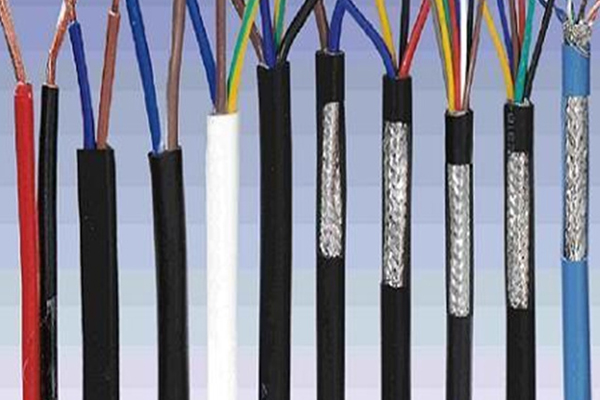
Insulation plays a main role in automotive cables, ensuring reliable operation under extreme conditions. Effective insulation protects against electrical interference, moisture, and physical damage, which are prevalent in automotive environments. The use of PTFE high-speed cable film elevates insulation performance due to its high-temperature resistance and superior electrical properties. This material withstands the significant heat generated by engine components while maintaining excellent dielectric strength and stability. Furthermore, PTFE’s chemical inertness aids in protecting cables from harmful substances and corrosive elements commonly found in automotive applications. The lightweight nature of PTFE film also contributes to enhancing fuel efficiency by reducing the overall weight of the electrical systems. As vehicles increasingly adopt advanced technologies requiring efficient communications and power distribution, robust insulation becomes indispensable for ensuring safety and longevity in automotive wiring harnesses.
Conclusion
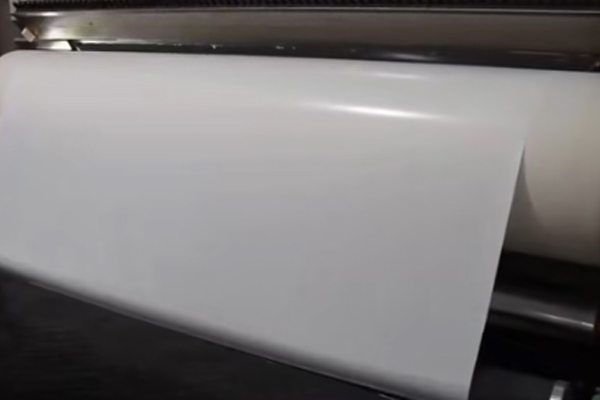
PTFE high-speed cable film emerges as a important material in the scene of modern electrical applications, particularly due to its exceptional performance in high-temperature environments. Its remarkable thermal stability and low dielectric constant enable it to excel in insulation, ensuring signal integrity and minimizing losses across various systems. As industries progressively implement advanced technologies, the demand for dependable insulation materials becomes increasingly apparent. The important properties of PTFE, such as its chemical resistance and lightweight design, further support the need for durability and efficiency in applications ranging from automotive to telecommunications. As reliance on sophisticated electronic systems grows, so too does the significance of selecting materials like PTFE that contribute not only to performance but also to the longevity and reliability of critical infrastructure. This trend emphasizes an ongoing commitment to innovation and resilience in the face of evolving technological challenges.
FAQs
What is PTFE high-speed cable film used for?
PTFE high-speed cable film is primarily used for electrical insulation in various high-temperature applications, including advanced communication systems and automotive wiring.
What temperature range can PTFE films handle?
PTFE films can withstand a wide temperature range from -200℃ to +260℃, with short-term resistance exceeding 300℃.
Why is insulation important in automotive cables?
Insulation is key in automotive cables to protect against electrical interference, moisture, and physical damage, ensuring reliable operation in extreme conditions.
How does PTFE improve electrical reliability?
PTFE enhances electrical reliability through its low dielectric constant, excellent thermal resistance, and resistance to electromagnetic interference, minimizing signal loss.
What are the benefits of PTFE’s chemical inertness?
PTFE’s chemical inertness allows it to resist corrosive substances and maintain performance integrity in harsh environments, making it ideal for various applications.
Is PTFE suitable for aerospace applications?
Yes, PTFE is well-suited for aerospace applications due to its high thermal stability and lightweight properties that contribute to reliable performance under challenging conditions.


