

important Takeaways
PTFE wrapping tape plays a vital role in enhancing the performance of high-speed transmission lines. Its low dielectric constant effectively reduces signal loss, ensuring that data transfers maintain clarity and integrity. The exceptional electrical insulation properties of PTFE also help to prevent short circuits, a significant concern in densely packed wiring systems. Furthermore, PTFE’s resistance to extreme temperatures from -200°C to +260°C ensures stable performance across a wide operational range, making it suitable for critical applications in harsh environments. The chemical inertness and moisture resistance of PTFE contribute to its durability, guarding against environmental factors that could compromise signal quality. As technology advances and demands for faster data transmission increase, the reliance on materials like PTFE will become ever more essential. This composite not only supports enhanced speed but also promotes longevity and reliability within the communication infrastructure, positioning PTFE as a important player in the future of high-speed data transfer solutions.
Enhancing signal quality with PTFE Tape
High-speed transmission line PTFE wrapping tape significantly boosts signal quality by minimizing signal loss and maintaining consistent performance. The low dielectric constant of PTFE wrapping film reduces capacitive coupling, which is essential for high-frequency applications. This characteristic enables effective transmission by ensuring that signals travel with minimal delay. also, the exceptional electrical insulation properties of PTFE cable wrapping tape prevent short circuits and electromagnetic interference, further enhancing the stability of data lines. The material’s resistance to temperature fluctuations ensures reliable performance across a wide operational range, making it adaptable for various environmental conditions. Using PTFE Thread Seal Tape in conjunction with other high-speed communication systems can improve overall integrity and functionality. Furthermore, the lightweight nature of DAC high-speed cable wrapping film and similar products allows for easier installation without compromising durability. As industries continue to embrace the need for efficient and high quality data transmission, the role of PTFE in high-speed lines remains vital to achieving optimal signal fidelity in demanding environments.
Benefits of PTFE in Data Lines
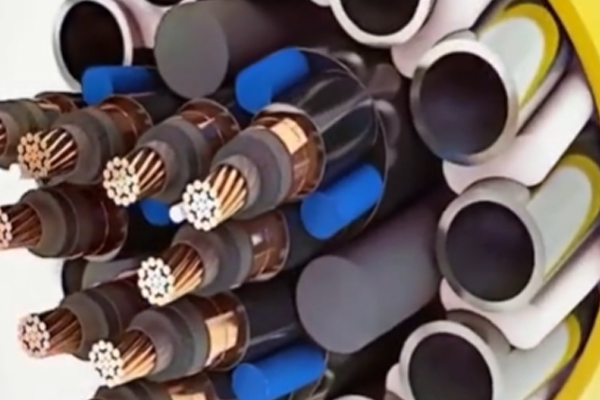
PTFE wrapping tape delivers numerous benefits that significantly contribute to the performance of data lines. Its low dielectric constant minimizes signal delay and reduces capacitive coupling, which is critical for maintaining high data transmission speeds. This characteristic ensures that signals remain intact over longer distances, effectively improving overall signal quality. Furthermore, PTFE offers excellent electrical insulation properties, safeguarding against short circuits and signal leaks. This reliability is paramount in high-speed environments where even minor disruptions can lead to major issues. The tape’s broad temperature range resilience, from -200°C to +260°C, ensures stable performance under extreme conditions, making it ideal for various applications, including microwave communications and AI servers. also, its chemical inertness protects the cable infrastructure from corrosive elements, enhancing durability in diverse environments. By employing PTFE wrapping tape in high-speed transmission lines, industries can achieve longer-lasting connectivity and more reliable data flow essential for modern technological demands.
Stability and Insulation in High-Speed Cables
High-speed transmission lines demand exceptional stability and insulation to maintain signal integrity. PTFE wrapping tape offers excellent insulating properties due to its low dielectric constant, which minimizes signal degradation and prevents interference. This is key for high-frequency data lines where even minor disruptions can lead to significant performance loss. The material’s resistance to extreme temperatures, ranging from -200°C to +260°C, ensures that cables remain stable under various operating conditions. furthermore, PTFE’s chemical inertness means it can withstand exposure to numerous solvents without degrading, further enhancing its reliability in challenging environments. Moisture resistance is another important aspect; PTFE effectively maintains insulation integrity even in high-humidity situations, ensuring consistent electrical performance. By incorporating PTFE wrapping tape into high-speed cables, manufacturers can improve both the longevity and effectiveness of data transmission systems, contributing to enhanced overall system reliability in data-intensive applications.
The role of PTFE in Communication Systems
PTFE wrapping tape is integral to modern communication systems, particularly in applications requiring high-speed data transfer. Its low dielectric constant minimizes signal attenuation, ensuring that data travels efficiently without significant loss. The electrical insulation properties of PTFE prevent short circuits, a common concern in densely packed wiring environments. This capability is especially important in radio frequency and microwave communications, where signal integrity is paramount.
Furthermore, PTFE’s chemical inertness and resistance to a wide range of environmental conditions make it suitable for outdoor applications, protecting cables from moisture and pollutants that could degrade performance. In high-frequency applications like AI servers and high-speed switches, the use of PTFE wrapping tape not only facilitates reliable data transmission but also enhances overall system performance by maintaining consistent signal quality. The versatility of PTFE also allows it to be utilized in various communication technologies, from telecommunication networks to sophisticated radar systems.
"Incorporating PTFE into communication systems ensures that technology can keep pace with growing demands for speed and reliability."
Optimizing performance in Extreme Conditions
PTFE wrapping tape is engineered to withstand extreme environments, making it highly effective for high-speed transmission lines. Its wide temperature resilience, from -200°C to +260°C, ensures stable performance in both frigid and intense heat. This durability is critical for applications exposed to varying climatic conditions, such as outdoor telecommunications and industrial settings. furthermore, PTFE’s exceptional chemical resistance protects cables from corrosive substances, ensuring longevity even in harsh circumstances. The material’s insensitivity to humidity plays a significant role in maintaining optimal electrical performance in damp environments, preventing moisture-related failures. By incorporating PTFE wrapping tape into their designs, industries can significantly reduce the risk of signal degradation and maintain operational integrity in challenging situations. Overall, this versatility makes PTFE a preferred choice for engineers aiming to optimize high-speed transmission lines across diverse and demanding conditions.
Versatility of PTFE Wrapping Tape
PTFE wrapping tape is highly versatile, making it an essential choice for various applications in high-speed transmission lines. Its adaptability allows for effective use in diverse environments, from telecommunications to industrial machinery. The lightweight nature of PTFE wrapping tape simplifies installation, while its strong insulation properties contribute to stability in electrical performance. furthermore, the resistance to chemicals and extreme temperatures ensures that it can function reliably in challenging conditions without degrading over time. The tape is suitable for both indoor and outdoor use, with its ability to withstand moisture levels without losing effectiveness. This versatility not only enhances performance but also presents opportunities for innovation in design and application across numerous fields, including aerospace and automotive industries. By incorporating PTFE wrapping tape into their systems, manufacturers can benefit from increased efficiency and reduced signal loss while meeting rigorous performance standards essential for modern technology advancements.
Reducing signal loss with Advanced Materials
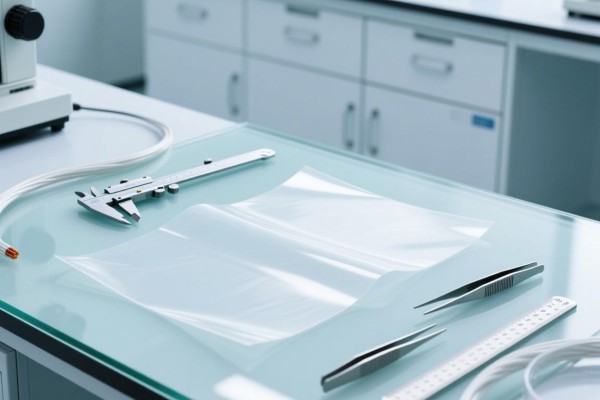
High-speed transmission line PTFE wrapping tape effectively minimizes signal loss, ensuring optimal data integrity in various applications. The unique properties of PTFE contribute to this reduction, primarily through its low dielectric constant. This characteristic allows electricity to travel with minimal resistance, decreasing distortion and loss during transmission. Furthermore, PTFE’s excellent electrical insulation safeguards against short circuits and leakages, which can compromise data quality. In environments where temperature fluctuations and humidity are prevalent, PTFE maintains its performance stability, offering reliable insulation that withstands harsh conditions. As industries increasingly rely on high-frequency communication systems, the transition to advanced materials like PTFE becomes vital for enhancing signal clarity and consistency. By incorporating this original wrapping tape into their designs, engineers can achieve a more efficient transmission line that not only supports faster data rates but also significantly reduces potential losses associated with traditional insulating materials. This advancement fosters improved performance across both current technologies and emerging communication platforms.
Future trends in High-Speed Data Transmission
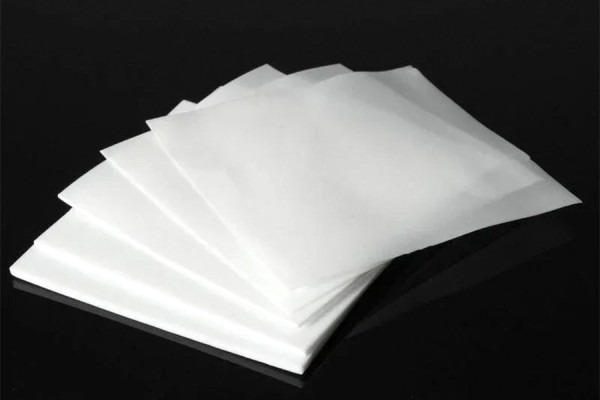
As the demand for faster and more reliable data transmission continues to grow, the integration of advanced materials like PTFE wrapping tape is becoming increasingly essential. High-speed transmission lines are evolving to meet the challenges posed by next-generation technologies, including 5G networks and Internet of Things (IoT) applications. Such technologies require enhanced signal integrity and reduced latency, which PTFE can provide through its superior insulation properties and low dielectric losses. Furthermore, the trend towards miniaturization in electronics drives the need for space-efficient solutions that PTFE can accommodate with its lightweight design. This material’s resilience to extreme temperatures and environmental stressors further positions it as a important component in the development of future communication systems. Industries are now focusing on original approaches that utilize PTFE to support faster data rates while maintaining reliability across various applications, paving the way for more efficient signal solutions as we advance into an increasingly interconnected world.
Conclusion
the incorporation of high-speed transmission line PTFE wrapping tape in communication systems reveals its critical importance in enhancing signal quality and reducing signal loss. As technology continues to advance, the need for robust materials capable of maintaining performance under diverse conditions becomes indispensable. PTFE stands out not only for its superior electrical insulation and stability but also for its resilience to both extreme weather and chemical exposure. This adaptability makes it an ideal choice for a variety of applications, from telecommunication networks to sophisticated industrial setups. The ongoing evolution in data transmission underscores the necessity for original solutions like PTFE wrapping tape that can meet increased demands for signal integrity and reliability. As industries strive to support faster data rates while ensuring consistent performance, the role of PTFE will likely expand, driving future advancements in high-speed communications technology. Ultimately, embracing these materials will facilitate a more interconnected and efficient digital scene.
FAQs
What is PTFE wrapping tape?
PTFE wrapping tape is a high-performance insulating material made from polytetrafluoroethylene, known for its excellent electrical and thermal properties.
How does PTFE wrapping tape improve signal quality?
It enhances signal quality by reducing capacitive coupling and minimizing signal loss, ensuring that data transmission remains clear and efficient.
What are the typical applications of PTFE wrapping tape in communication systems?
PTFE wrapping tape is commonly used in high-speed transmission lines, microwave communications, and data centers where reliable signal integrity is important.
Is PTFE wrapping tape resistant to extreme temperatures?
Yes, it can withstand temperatures ranging from -200°C to +260°C, maintaining its effectiveness in both extreme cold and heat.
Can PTFE wrap be used outdoors?
Absolutely. Its chemical inertness and moisture resistance make it suitable for various outdoor applications, protecting cables from environmental factors.
How does PTFE contribute to reducing signal loss?
PTFE’s low dielectric constant minimizes resistance during transmission, which helps to decrease distortion and improve overall data integrity.
What makes PTFE wrapping tape versatile for industry use?
Its lightweight nature allows for easy installation, along with its excellent insulation properties that ensure durability across diverse applications.
Are there any limitations to using PTFE wrapping tape?
While highly effective for many applications, it may not be the best choice in environments with extreme mechanical stress or where physical abrasion is a concern.
How does the use of PTFE wrap influence data transfer speeds?
By minimizing losses and maintaining stable electrical performance, PTFE wrap facilitates faster data transfer rates within high-speed networks.


