

main Takeaways
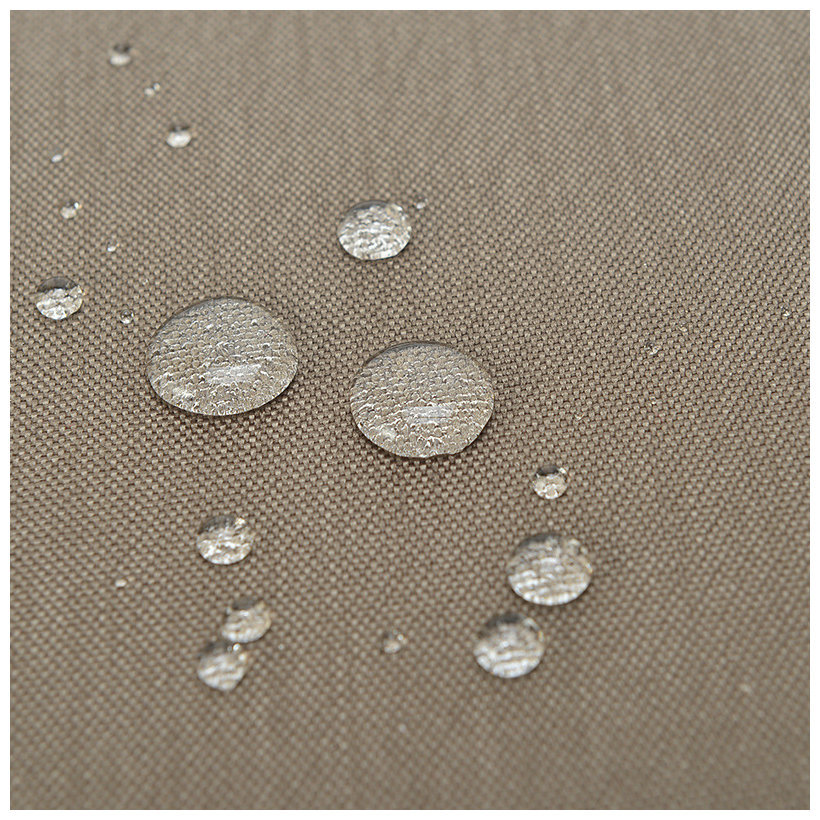
PTFE films stand out as a critical component in the evolution of high-tech cables and semiconductor solutions. Their unique characteristics, including low dielectric loss and exceptional thermal resistance, boost the performance and reliability of sophisticated technology systems. In high-speed communication, PTFE films optimize signal integrity while minimizing interference, making them indispensable for AI servers and other performance-critical applications. furthermore, the durability of PTFE films in harsh environments ensures longevity, reducing maintenance costs for industries reliant on advanced electronic systems. As demands for efficiency grow, the shift toward domestic PTFE production offers cost-effective solutions without compromising quality. This aligns with the increasing trend towards sustainability in manufacturing practices. Modified PTFE films are particularly notable for their adaptability, finding applications not only in electronics but also in fields like aerospace and medical technology. The versatility and robust performance of PTFE film solidify its position as a main material influencing future technological advancements across various sectors.
Applications of PTFE Films in Advanced Technologies
PTFE films are integral to various advanced technologies, particularly within the realms of high-tech cables and semiconductors. The unique properties of PTFE make it ideal for high-speed transmission line PTFE wrapping tape, ensuring effective insulation and minimizing signal loss. These films are also utilized as PTFE cable wrapping tape, which enhances the durability and performance of high-frequency communication cables. In the semiconductor sector, PTFE film applications extend to DAC high-speed cable wrapping film and AEC high-speed cable wrapping film, where they contribute to optimizing signal clarity and reducing interference in critical circuits. Furthermore, the usage of ACC high-speed cable wrapping film complements the demands for efficient power delivery in electronic systems. The inherent chemical resistance and thermal stability of modified PTFE films bolster their performance even under challenging conditions. This broad applicability showcases how PTFE not only supports innovations but also meets the growing requirements for reliability and efficiency in contemporary technological applications.
Benefits of PTFE in High-Tech Cables
PTFE film provides numerous advantages in the context of high-tech cables. Its low dielectric constant and loss characteristics ensure minimal signal degradation, making it ideal for high-frequency applications. This feature is important in environments where data transmission speeds are paramount, as it supports the performance requirements of sophisticated technologies like AI servers. Moreover, PTFE exhibits excellent chemical resistance, allowing cables to maintain integrity in challenging conditions, where exposure to various chemicals and extreme temperatures is common. Its lightweight nature contributes to overall system efficiency by reducing bulk while still providing robust protection against wear and tear. The stable thermal and electrical properties of PTFE film mean that cables can perform optimally across a wide range of environmental conditions, enhancing both longevity and reliability. furthermore, the use of PTFE films can lead to improved energy efficiency by minimizing energy losses, further promoting sustainable practices in advanced technology applications. This combination of attributes positions PTFE film as a important material for manufacturers focusing on cutting-edge cabling solutions.
How PTFE Films improve Semiconductor Performance
PTFE films play a critical role in semiconductor manufacturing by improving both the performance and reliability of components. Their low dielectric constant and dissipation factors contribute to superior signal integrity, making them ideal for high-frequency applications. also, PTFE’s excellent thermal stability ensures that devices can operate effectively under varying thermal conditions, important for high-performance computing applications. Modified PTFE films are engineered to possess enhanced mechanical strength and resistance to creep, addressing common challenges in microelectronic systems that require precision and stability. This resistance helps maintain the structural integrity of components during thermal cycling often experienced in AI server environments. Furthermore, the chemical inertness of PTFE protects sensitive semiconductor materials from corrosion and degradation, allowing for prolonged lifespan and consistent functionality. As semiconductor technology continues to advance, integrating PTFE films within these systems underscores their importance in meeting the evolving demands of high-tech applications.
Durability of PTFE Films in Challenging Environments
PTFE films exhibit exceptional durability in extreme conditions, making them useful in high-tech applications. Their ability to withstand significant temperature variations, ranging from -150°C to 260°C, ensures reliable performance in diverse environments. The chemical resistance of PTFE is another main trait; it can endure corrosive substances that would degrade other materials, maintaining integrity and functionality. This robustness allows PTFE films to perform effectively in harsh settings, such as semiconductor manufacturing and aerospace applications. also, the mechanical strength and flexibility of modified PTFE films boost their resilience against mechanical wear and stress. This durability contributes to longer service life and reduced maintenance needs, ultimately improving the efficiency of systems dependent on PTFE technologies. Such properties make PTFE films an ideal choice for industries requiring reliable performance in challenging conditions.
High-Speed Signal Transmission with PTFE Solutions
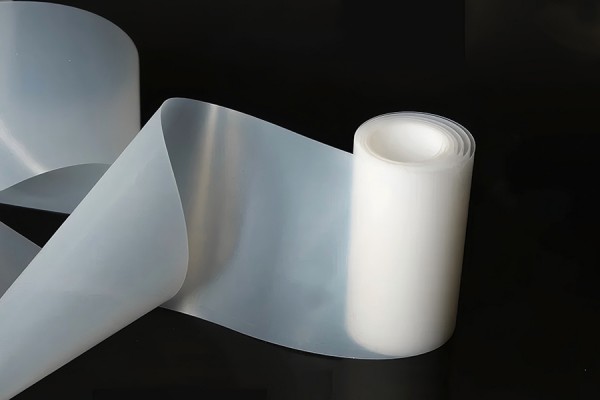
PTFE film is increasingly recognized for its role in high-speed signal transmission, particularly in applications requiring rapid data transfer. Its low dielectric constant and low loss tangent contribute to superior performance in RF coaxial cables and advanced data communication solutions. These properties enable the efficient transmission of signals with minimal interference and signal degradation, which is important for maintaining high integrity over distance. PTFE’s ability to withstand extreme temperatures and environmental conditions further enhances its suitability for high-tech cables deployed in challenging settings. As industries pursue faster communication speeds, the demand for reliable materials like PTFE films becomes paramount. Moreover, modified PTFE options continue to gain traction among manufacturers, as they offer enhanced thermal stability and mechanical strength, ensuring performance remains consistent under varying operational conditions. This makes PTFE solutions not only effective but also essential in meeting the evolving needs of modern technology infrastructures.
PTFE’s Role in AI Server Requirements
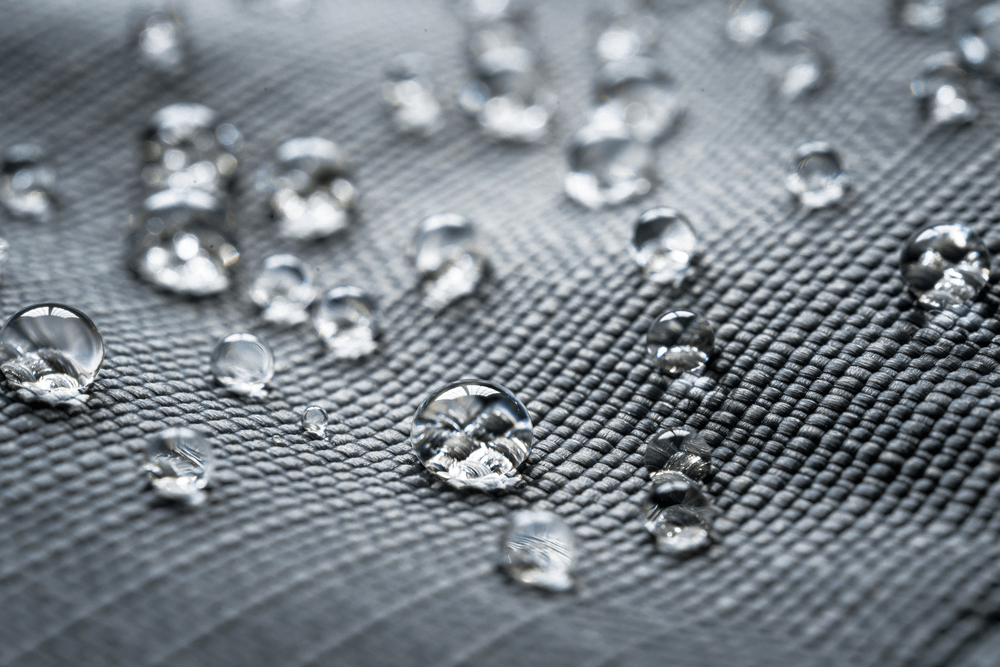
PTFE film plays a vital role in meeting the stringent demands of AI server technologies. With the exponential growth of data processing needs, these servers require materials that can effectively handle high-frequency signal transmission while maintaining performance under extreme conditions. PTFE’s low dielectric constant and minimal loss factor make it ideal for advanced communication systems, ensuring clear, high-speed data transfer essential for real time AI applications.
Furthermore, modified PTFE films exhibit enhanced thermal stability and resistance to various chemicals that might otherwise compromise integrity in challenging environments. This durability is important for maintaining operational efficacy in servers that run continuously at high capacities. As companies focus on optimizing efficiencies and reducing energy consumption, PTFE’s non-stick properties also aid in minimizing wear and tear on essential components, thereby prolonging the lifespan of AI server systems. Its compatibility with emerging designs aligns well with architectures such as NVIDIA’s GB300/Rubin, making it a main player in the future of technological advancements.
Cost advantages of Domestic PTFE Production
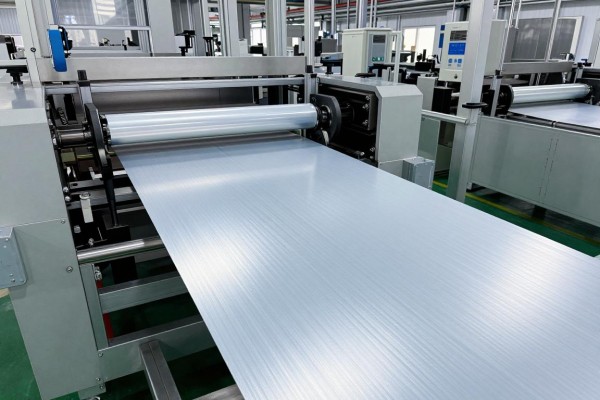
Domestic production of PTFE films presents significant cost advantages compared to importing materials. By manufacturing locally, companies can reduce shipping expenses and eliminate potential import tariffs that often inflate overall costs. also, local production can improve supply chain efficiency, allowing for quicker turnaround times and responsiveness to market demands. This capacity for rapid response is particularly beneficial in high-tech applications, where even minor delays can affect project timelines and budgets. Furthermore, as domestic manufacturers innovate and streamline their processes, they often achieve economies of scale that further drive down costs. These competitive pricing structures enable domestic producers to offer modified PTFE films that perform on par with international brands while providing substantial savings. This combination of lower prices and enhanced performance positions domestic PTFE production as an attractive option for businesses looking to optimize their expenditures without sacrificing quality or capability in critical applications such as semiconductors and high-tech cabling solutions.
new Uses of Modified PTFE Films
Modified PTFE films are gaining attention for their versatility in high-tech applications. In the semiconductor industry, these films are engineered to meet specific demands such as improved thermal stability and enhanced dielectric performance. This adaptability makes them ideal for a range of devices, including high-frequency circuits and microwave components. Furthermore, the low-friction properties of modified PTFE films allow for smoother operation in mechanisms requiring precise movement, encouraging advancements in automation and robotics. In aerospace, their lightweight and durable nature significantly benefits cable insulation and protective layering under harsh conditions. These new uses extend to medical technologies as well, where biocompatible modified PTFE films are utilized for producing reliable medical devices that require chemical resistance and flexibility. Overall, the integration of modified PTFE films across various sectors underscores their role in driving efficiency and performance in modern technologies.
Conclusion
PTFE films are essential in advancing high-tech cable and semiconductor solutions, significantly impacting performance and reliability. Their unique properties, such as low dielectric constant and outstanding thermal stability, make PTFE an ideal choice for high-speed data transmission and delicate semiconductor applications. also, the durability and chemical resistance of PTFE films equip them to handle extreme environments effectively, prolonging the life of the systems they support. Modified PTFE films continue to expand their utility across various sectors, contributing to innovations in automation, aerospace, and medical technologies. As the demand for faster communication speeds and enhanced electronic performance grows, the role of PTFE films is set to become even more important. The shift towards domestic production further amplifies cost benefits while ensuring that businesses can maintain high standards without sacrificing quality. As these technologies evolve, PTFE’s contributions will be critical in responding to complex challenges within critical applications across industries.
FAQs
What is PTFE film used for in high-tech applications?
PTFE film is primarily used for insulation and protection in high-tech cables and semiconductor applications due to its low dielectric constant, thermal stability, and chemical resistance.
How does PTFE film improve cable performance?
PTFE film enhances cable performance by minimizing signal loss, providing excellent electrical insulation, and maintaining integrity under challenging environmental conditions.
What advantages does PTFE film offer in semiconductors?
In semiconductors, PTFE film offers superior signal integrity, thermal stability, and chemical inertness, which are essential for optimizing performance and reliability.
Can PTFE films handle extreme temperatures?
Yes, PTFE films can withstand temperature variations from -150°C to 260°C, making them suitable for various high-tech applications.
How do modified PTFE films differ from standard ones?
Modified PTFE films are engineered to provide enhanced mechanical strength, creep resistance, and specific performance characteristics tailored for demanding applications.
What are the cost benefits of domestic PTFE production?
Domestic production of PTFE films reduces shipping costs and import tariffs while also improving supply chain efficiency and allowing for quicker market responsiveness.
Are there original uses for modified PTFE films beyond cables and semiconductors?
Yes, modified PTFE films are being used in aerospace applications for cable insulation and in medical technologies due to their lightweight nature and biocompatibility.


