

main Takeaways
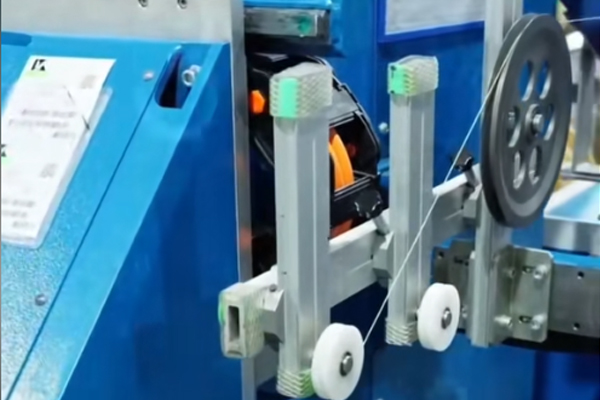
ePTFE membranes have redefined filtration technology, delivering sharper efficiency and durability across many applications. Their microporous structures offer clear benefits, including high gas permeability while effectively blocking liquids and particulates. In demanding fields such as aerospace and energy, these membranes uphold operational reliability by maintaining clean environments essential for performance and safety. Its light weight also enables meaningful weight savings in applications such as fuel cells, where efficiency is key. Their long service life reduces maintenance needs, translating into cost savings and improved operational efficiency. As ongoing innovations unfold, the adoption of ePTFE membranes is likely to broaden across diverse industries, addressing filtration challenges while supporting sustainability and compliance with evolving environmental standards.
Advancements in ePTFE Filtration Technology
The development of ePTFE membranes has markedly boosted filtration technology across a range of applications. These membranes offer improved liquid and contaminant rejection capabilities, essential for clean and efficient processes in fields such as aerospace and energy. With their microporous design, ePTFE membranes support high gas transmission rates while effectively blocking unwanted particles. This matters in high-throughput environments where protective PTFE wrapping tape is used to add protection and durability. Advances in manufacturing methods have refined the performance of PTFE wrapping film and PTFE Thread Seal Tape, making them crucial parts in systems that require reliability and efficiency. Additionally, advances have led to specialized products such as PTFE cable-wrapping tape and DAC high-speed cable-wrapping film, which improve reliability in electrical applications by offering superior insulation and protection against moisture and contaminants. As these technologies progress, the role of ePTFE broadens, demonstrating its versatility across sectors while boosting overall system performance.
Applications of ePTFE Membranes in Aerospace
In aviation, ePTFE membranes play a key role in refining filtration systems across multiple applications. They’re integrated into engine air intake filters, ensuring only clean air reaches the engine, which helps optimize performance and extend life. They are also used in cabin air filtration to deliver high-quality air by effectively removing contaminants and allergens. The distinctive properties of ePTFE permit strong gas permeability while also blocking liquid ingress. This matters especially in avionics filtration, where electronics need protection from moisture and dust. In pneumatic bleed-air systems, ePTFE membranes ensure that compressed air is free of oil and other contaminants, supporting safety and efficiency in flight operations. Moreover, progress in ePTFE membrane technology has yielded lighter and more compact designs, which matter for modern aerospace applications where weight reduction can greatly affect fuel efficiency. As aerospace technology evolves, demand for filtration solutions using ePTFE membranes will continue to rise, underscoring their role in preserving system integrity and reliability.
The role of ePTFE in Fuel Cell Efficiency
ePTFE membranes are central to boosting fuel cell efficiency, especially in proton-exchange membrane (PEM) systems. Their distinctive structure supports improved ionic conductivity and effective separation of anode and cathode compartments, which is key to reducing crossover losses and maximizing power output. The lightness of ePTFE also contributes to overall system efficiency by cutting weight without sacrificing performance. Additionally, ePTFE membranes support high current densities, allowing manufacturers to design more compact and efficient fuel cell systems. As a result, industries focused on clean energy are increasingly adopting these membranes to improve performance metrics while advancing fuel-cell technology. The adaptability of ePTFE lets customization based on particular operational needs, broadening its use across various industries beyond aerospace, such as automotive and portable power systems.
Enhancing liquid rejection with ePTFE Membranes
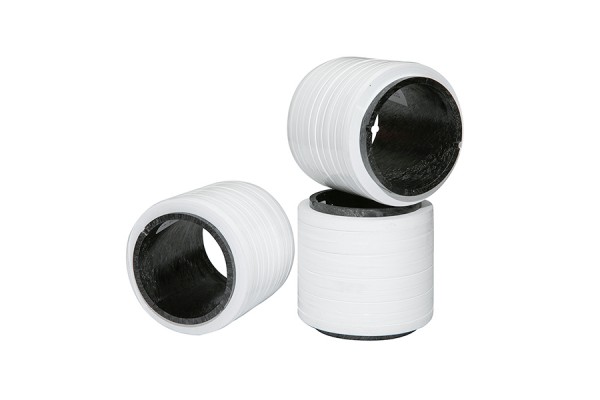
ePTFE membranes are engineered to achieve strong liquid rejection, making them essential in a range of filtration applications. The distinctive microporous structure of these membranes enables effective separation of liquids from gases, particularly valuable in sectors where contamination control matters. For example, in aviation environments where cabin air quality matters, ePTFE membranes block moisture while enabling gas flow. This capability not only supports passenger comfort but also shields sensitive avionics from potential damage. Moreover, applying ePTFE in fuel cells demonstrates its high-performance liquid rejection attributes. By effectively blocking liquid water while letting gases pass, these membranes boost overall efficiency and longevity of fuel cell systems. The durability and stability of ePTFE membranes under shifting pressure conditions reinforce their role as a preferred choice across diverse sectors needing reliable filtration solutions.
ePTFE Membrane Innovations for Gas Transmission
ePTFE membranes have become key for improving gas transmission across a range of industrial applications. Their distinctive microporous structure enables efficient gas flow while preventing liquid and particulate infiltration. By leveraging the high permeability of expanded polytetrafluoroethylene, these membranes support optimal filtration processes in sectors such as aerospace and energy. Moreover, advances in membrane manufacturing techniques have yielded greater durability and improved performance under varying temperature and pressure conditions. The integration of ePTFE membranes into gas-processing systems also leads to streamlined operations, reducing energy use while sustaining output quality. Innovations such as composite layers with customized pore sizes further boost their effectiveness, enabling targeted adjustments to meet varied requirements. Overall, the function of ePTFE membranes reflects ongoing efforts to push filtration technology forward, offering dependable solutions for challenging environments.
Comparative analysis of ePTFE vs Traditional Filters
ePTFE membranes stand out when compared with traditional filters, chiefly due to their superior filtration efficiency and versatility. Conventional filters, typically made from paper, foam, or woven fabrics, can struggle with capturing many particles and resisting liquid intrusion. In contrast, ePTFE membranes offer a microporous architecture that blocks liquids while allowing gas transmission. This distinctive design enables higher flow rates without compromising filtration performance. Moreover, chemical resistance and durability translate to longer service life versus conventional media. While traditional filters may require frequent replacements from clogging and degradation, ePTFE membranes keep their integrity under tough conditions. That longevity lowers maintenance costs and boosts overall operational efficiency across many applications. Choosing between these filter types becomes clearer in settings that demand reliability and performance, making ePTFE a preferred option in advanced filtration sectors such as aerospace and fuel cells.
Future trends in ePTFE Membrane Applications
The future of ePTFE membranes leans toward notable progress driven by the demand for better filtration efficiency and sustainability. Emerging innovations aim to upgrade production processes, potentially yielding greener manufacturing methods and longer-lasting membranes. As industries strive to meet tougher environmental regulations, demand for ePTFE membranes in areas such as air-quality management and wastewater treatment is likely to grow. With ongoing research aimed at tweaking membrane properties for higher performance, including lower energy use and better contaminant rejection, applications in pharmaceutical, food processing, and automotive sectors will become more common. Additionally, integration with smart technology for real-time monitoring of filtration systems is expected, opening up chances for predictive maintenance and smarter system management. Overall, these trends suggest that the versatility of ePTFE membranes will be more widely recognized, enabling them to play a key role in tackling filtration challenges across diverse industrial landscapes.
Conclusion
the advancements in ePTFE membranes represent a significant leap forward in filtration technology, offering numerous benefits across diverse sectors. Their unique properties improve liquid rejection and facilitate efficient gas transmission, making them invaluable in aerospace applications and fuel cells. As industries continue to evolve, the advantages of ePTFE membranes become increasingly prominent, aiding in the maintenance of system integrity and operational efficiency. The ongoing innovations in this field will likely broaden their applications, addressing emerging challenges related to filtration efficiency and environmental sustainability. By integrating ePTFE into advanced filtration solutions, sectors such as energy and automotive are poised to improve their systems while complying with stricter regulations. These trends signal a future where ePTFE membranes play a crucial role in ensuring cleaner processes and supporting the shift toward sustainable practices across various industries.
FAQs
What is ePTFE?
ePTFE stands for expanded polytetrafluoroethylene, a fluoropolymer known for its exceptional chemical resistance and low friction properties.
How do ePTFE membranes improve filtration?
ePTFE membranes boost filtration by providing a microporous structure that allows gases to pass while effectively blocking liquids and particulates, leading to cleaner outputs.
In what sectors are ePTFE membranes commonly used?
Common applications include aerospace, fuel cells, pharmaceuticals, food processing, and automotive industries due to their reliability and efficiency in critical filtration processes.
What advantages do ePTFE membranes have over traditional filters?
ePTFE membranes offer superior filtration efficiency, reduced maintenance costs through longer service life, and enhanced performance under extreme conditions compared to traditional filter materials.
Are there any recent advancements in ePTFE membrane technology?
Yes, recent progress includes enhanced manufacturing methods that boost durability and performance while enabling customization for specific operational needs.


