

main Takeaways
ePTFE membranes represent a significant advancement in material technology, offering numerous benefits that improve various industries. Their breathability allows for superior moisture management, ensuring comfort in clothing and outdoor gear, while simultaneously protecting sensitive electronic components from humidity. The excellent chemical resistance of ePTFE underlines its value in aggressive environments, where it maintains performance and durability. Applications in filtration demonstrate the membranes’ ability to efficiently separate contaminants without hindering airflow, which is critical for clean air and water systems. In acoustics, ePTFE effectively absorbs sound vibrations, providing solutions in noise-sensitive environments by improving user experiences in diverse applications. As technology evolves, the continual integration of ePTFE membranes into new designs reflects an ongoing commitment to enhancing efficiency and reliability across multiple sectors. By understanding their unique properties and functionalities, industries can leverage ePTFE membranes to address contemporary challenges while encouraging advancements in engineering and environmental sustainability.
The advantages of ePTFE Membranes
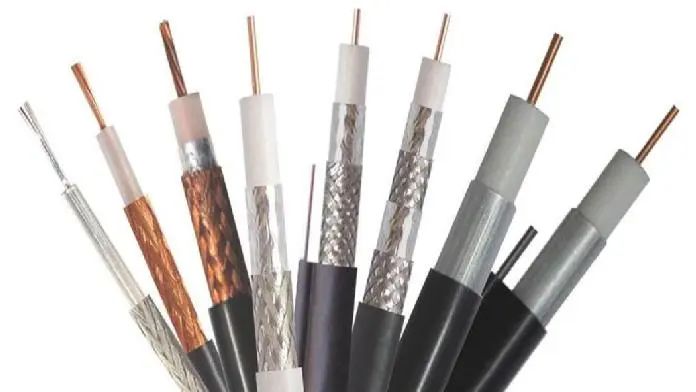
ePTFE membranes offer several important advantages that make them essential in modern technology. Their unique structure permits air permeability while effectively preventing liquid water infiltration, which is important for applications requiring both breathability and moisture protection. The chemical resistance of ePTFE enables it to withstand harsh environments, making it helpful in industries such as electronics and chemicals. This versatility extends to its use in high-speed transmission line PTFE wrapping tape and various types of PTFE wrapping films, which improve the durability and reliability of electrical components.
Moreover, ePTFE’s lightweight nature combined with its excellent thermal stability allows for effective insulation, important in high-speed and high-frequency cable wrapping film applications. These membranes are also critical in producing PTFE Thread Seal Tape, ensuring tight seals that prevent leaks. As industries seek original solutions, the adaptability of ePTFE membranes continues to demonstrate their importance across multiple sectors, including filtration and acoustics. Through these attributes, ePTFE membranes significantly contribute to advancing technology and improving overall performance in diverse applications.
ePTFE Membranes in Electronics
ePTFE membranes play a important role in the electronics sector by improving signal transmission and providing essential environmental protection. Their unique micro-porous structure allows for effective waterproofing, ensuring that electronic devices remain functional in various conditions. These membranes facilitate low signal loss due to their dielectric properties, which are important for preserving the integrity of high-speed communication signals. As devices become smaller and more sophisticated, the demand for materials that can provide both performance and reliability increases. ePTFE membranes contribute to this need by enhancing the acoustic performance of complex systems within smartphones and other communication devices. Furthermore, their chemical resistance ensures a longer lifespan and reduced maintenance needs for electronic components, making them ideal for use in environments that may subject devices to harsh conditions. The integration of ePTFE membranes underscores the importance of advanced materials in driving innovation and efficiency within the electronics industry.
Applications of ePTFE in Filtration
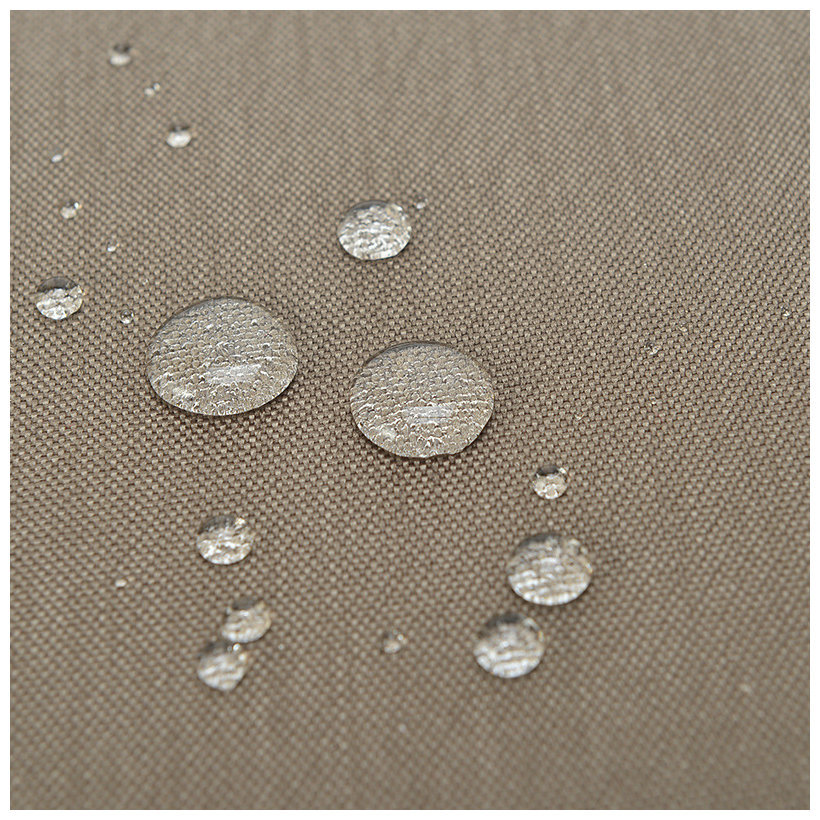
ePTFE membranes play a significant role in filtration across various industries due to their unique properties. Their micro-porous structure allows for the effective separation of particles while enabling air and gas permeability. This feature is particularly beneficial in applications requiring high-efficiency filtration, such as air and water purification systems, where contaminants must be removed without impeding flow rates. In medical devices, ePTFE membranes serve as critical barriers that filter out harmful pathogens and particulates, ensuring patient safety. also, the chemical resistance of ePTFE membranes makes them suitable for harsh environments, where exposure to corrosive substances can occur. Their durability ensures a long lifespan in both industrial and commercial filtration systems. Furthermore, ePTFE’s versatility enables customization for specific filtration needs, ranging from fine particulate removal to gas filtration applications. This adaptability contributes to improved process efficiency and effectiveness in achieving stringent regulatory standards across sectors. Overall, the use of ePTFE membranes enhances performance while maintaining operational reliability in various filtration processes.
The role of ePTFE in Acoustics
ePTFE membranes play an important role in acoustic applications by effectively reducing sound transmission. Their unique micro-porous structure allows them to absorb sound waves, minimizing disturbances in environments requiring noise control. This quality is particularly beneficial in sealed enclosures and sensitive audio equipment, where maintaining acoustic integrity is important. Furthermore, ePTFE membranes contribute to pressure equalization within sealed systems, ensuring optimal performance without compromising sound quality. These membranes are also utilized in various industrial settings, such as construction and automotive industries, where they help create quieter environments and improve overall user experience. By intertwining sound absorption and environmental stability, ePTFE membranes emerge as helpful components in the acoustics field, addressing both operational efficiency and user comfort.
Environmental solutions with ePTFE
ePTFE membranes play a significant role in addressing environmental challenges through their unique properties. Their ability to resist chemical corrosion allows them to function efficiently in harsh conditions often found in environmental applications. These membranes are commonly used in gas and liquid filtration systems, ensuring the safe capture and containment of harmful pollutants. They assist in purifying air and water, contributing to cleaner ecosystems. In waste management, ePTFE membranes enable effective venting for gas emissions, thereby reducing harmful exposure during various processes. Moreover, their lightweight and durable nature makes them ideal for integration into renewable energy systems, such as solar panels and fuel cells. By facilitating energy efficiency and promoting sustainability, ePTFE membranes prove essential for advancing environmental technologies. This versatility underscores their critical function in developing solutions that meet contemporary environmental needs while supporting green initiatives across diverse sectors.
ePTFE Membranes and Chemical Resistance
ePTFE membranes are renowned for their exceptional chemical resistance, making them invaluable in various industrial applications. They can withstand exposure to aggressive chemicals, solvents, and acids without degrading, which significantly extends their lifespan in demanding environments. This resilience allows ePTFE membranes to maintain structural integrity and performance, ensuring reliable operation even when faced with harsh conditions. For instance, in chemical processing industries, these membranes are used in filtration systems where contact with corrosive substances is common. furthermore, the non-reactive nature of ePTFE aids in preventing contamination during sensitive processes in pharmaceutical manufacturing. The versatility of ePTFE not only addresses immediate chemical resistance needs but also enhances safety and efficiency in operations across multiple sectors. Thus, the continuing durability of ePTFE membranes exemplifies their critical role in advancing technology while addressing the challenges presented by corrosive environments.
Innovations driven by ePTFE Technology
The advancements driven by ePTFE technology significantly impact various sectors. In electronics, the material’s unique properties enable the development of smaller, lighter devices while ensuring robust performance. Its excellent dielectric characteristics allow for high-speed data transmission, essential for modern communication networks. In filtration applications, ePTFE membranes refine processes by improving contamination control and efficiency in many industries, including aerospace and pharmaceuticals. The versatility of these membranes also facilitates new designs in acoustic applications, where they help create advanced noise-cancellation systems by selectively allowing sound waves to pass while blocking others. Furthermore, in environmental solutions, the integration of ePTFE in products like breathable protective wear contributes to sustainability efforts by offering durability and extended lifespans. As industries continue to evolve, the significant potential of ePTFE technology will likely foster new innovations that further boost performance and efficiency across numerous applications.
Understanding ePTFE Breathability
ePTFE membranes possess a unique micro-porous structure, which is integral to their ability to allow air and water vapor to pass while preventing the penetration of liquid water. This property is essential in various applications, as it ensures breathability without compromising water resistance. The membranes have pore sizes that are significantly smaller than droplets of liquid water, typically around 0.1 microns, enabling them to act effectively as barriers against moisture while still facilitating airflow. This breathability is particularly helpful in clothing and gear designed for outdoor activities, where moisture management is important for comfort. furthermore, ePTFE’s ability to manage humidity and improve ventilation contributes to the overall performance of electronic devices, where overheating can be an issue. By allowing heat and vapor to escape, ePTFE membranes play a vital role in protecting sensitive components from damage due to excess heat or moisture buildup. Hence, understanding the breathability of ePTFE membranes allows industries to leverage their full potential in original applications across various fields.
Conclusion
the continuous innovation and utility of ePTFE membranes reflect their critical role in various industries. Their unique properties facilitate advancements in electronics, filtration, acoustics, and environmental solutions. As industries increasingly prioritize efficiency and sustainability, ePTFE membranes provide effective solutions to complex challenges. Their breathability ensures optimal performance in applications where moisture management is necessary, while their chemical resistance enhances durability in harsh environments. The versatility of these membranes allows for tailored solutions across diverse fields, promoting creativity and improvement in product design. Overall, ePTFE membranes are not just materials; they are integral components driving progress in technology and industry, ensuring safety and reliability while addressing contemporary needs.
FAQs
What are ePTFE membranes?
ePTFE membranes are specialized materials made from expanded polytetrafluoroethylene, known for their unique micro-porous structure that allows air and water vapor to pass while blocking liquid water.
What industries utilize ePTFE membranes?
ePTFE membranes find applications in various industries, including electronics, filtration, acoustics, and environmental solutions due to their chemical resistance and breathability.
How do ePTFE membranes boost electronic devices?
They improve signal transmission and provide environmental protection, ensuring optimal performance while maintaining the integrity of sensitive components in electronic devices.
What filtration advantages do ePTFE membranes offer?
Their micro-porous structure enables effective particle separation while allowing for air permeability, making them ideal for air and liquid purification systems.
Are ePTFE membranes resistant to chemicals?
Yes, ePTFE membranes exhibit exceptional chemical resistance, allowing them to withstand aggressive substances without degrading, thus extending their lifespan in harsh environments.
Can ePTFE membranes help with noise reduction?
Definitely. Their unique structure helps absorb sound waves, making them effective for use in acoustic applications where noise control is important.
How does the breathability of ePTFE membranes benefit outdoor gear?
The breathability ensures moisture management keeps users comfortable by allowing sweat vapor to escape while preventing water penetration from the outside.
What role does ePTFE play in environmental applications?
ePTFE is main in various environmental solutions by efficiently filtering pollutants, contributing to cleaner ecosystems and promoting sustainability initiatives across multiple sectors.


