

important Takeaways
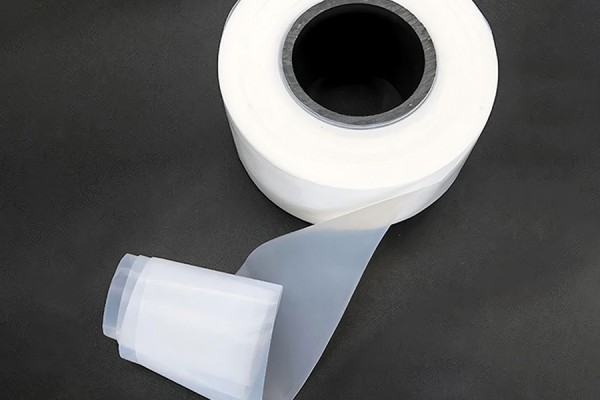
ePTFE membranes exhibit a range of properties that make them essential in modern industrial applications. Their resistance to harsh chemicals and high temperatures allows them to perform reliably in extreme environments, which is particularly important in sectors such as aerospace, automotive, and healthcare. The ability of these membranes to provide excellent insulation enhances their value, especially in electronics and electrical applications where maintaining signal integrity is vital. Furthermore, ePTFE membranes are versatile; they adapt well across various industries, supporting innovations in technologies like fuel cells and renewable energy systems. As industries increasingly prioritize efficient materials, ePTFE emerges as a go-to solution for many advanced applications. Ultimately, the ongoing development of ePTFE membranes reflects a broader trend toward integrating high-performance materials into everyday products and advanced technologies. These qualities collectively emphasize the significance of ePTFE membranes in shaping the future scene of material science across multiple sectors.
Properties of ePTFE Membranes
ePTFE membranes are recognized for their remarkable properties, which make them suitable for diverse applications. One of their important characteristics is their exceptional chemical stability, enabling them to function effectively in extreme environments without degradation. This durability ensures they can withstand a variety of corrosive substances, making them invaluable in industries like chemicals and pharmaceuticals. Another significant property is their heat resistance; ePTFE membranes can maintain performance under high temperatures without losing structural integrity. Furthermore, these membranes provide excellent insulating capabilities, making them ideal for use in electrical applications. For instance, products like PTFE Thread Seal Tape and PTFE cable wrapping tape utilize these insulating properties effectively. The low dielectric constant of ePTFE allows for efficient high-speed transmission line PTFE wrapping tape applications, contributing to minimized energy loss in cables. Consequently, the combination of these advantageous properties positions ePTFE membranes as a strong contender in sectors that prioritize reliability and efficiency while navigating demanding operational conditions.
Applications of ePTFE in Industry
ePTFE membranes find extensive applications across various industries due to their unique properties. In the automotive sector, manufacturers utilize these membranes in fuel cell technologies where chemical resistance and high-temperature stability are essential. The medical field employs ePTFE in devices like vascular grafts and wound dressings, capitalizing on its biocompatibility and durability. furthermore, in the energy sector, ePTFE membranes play a role in battery systems, where they assist in gas venting while preventing liquid leakage. The aerospace industry benefits from these materials as well; they are used in sealing components that require reliable performance under extreme conditions. Furthermore, the electronics industry favors ePTFE for its insulating capabilities, particularly in applications involving high-frequency signals. This broad versatility across multiple sectors showcases the significance of ePTFE membranes as technology continues to advance and demand for superior materials grows.
Chemical stability of ePTFE Membranes
ePTFE membranes are renowned for their exceptional chemical stability, which allows them to withstand a variety of harsh environments. These membranes resist degradation when exposed to aggressive chemicals, acids, and bases, ensuring their durability in demanding applications. This stability contributes significantly to their reliability, particularly in industries such as pharmaceuticals and chemical processing, where material performance is critical. The intrinsic properties of ePTFE mean it does not absorb moisture or swell in the presence of liquids, a factor that enhances its longevity and effectiveness. Moreover, these membranes maintain their integrity across a wide temperature range, allowing them to function effectively in extreme conditions. The ability to perform under such diverse circumstances illustrates why ePTFE is increasingly favored for various industrial applications.
Heat resistance in ePTFE Materials
ePTFE membranes exhibit impressive heat resistance, making them suitable for a range of demanding applications. These materials maintain their structural integrity and performance characteristics even at elevated temperatures, which is essential in environments that experience substantial heat exposure. ePTFE can withstand temperatures typically ranging from -200°C to 260°C without losing functionality. This thermal stability enables its use in industries such as aerospace and automotive, where components are often subjected to extreme conditions. furthermore, the low flammability of ePTFE further enhances its appeal for high-temperature applications, as it minimizes the risk of combustion during operation. The combination of heat resistance and chemical stability allows ePTFE materials to perform reliably in processes that involve both temperature fluctuations and corrosive substances. As industries continue to seek advanced materials that can endure harsh conditions, the role of ePTFE membranes is likely to expand significantly across various sectors.
Insulating capabilities of ePTFE
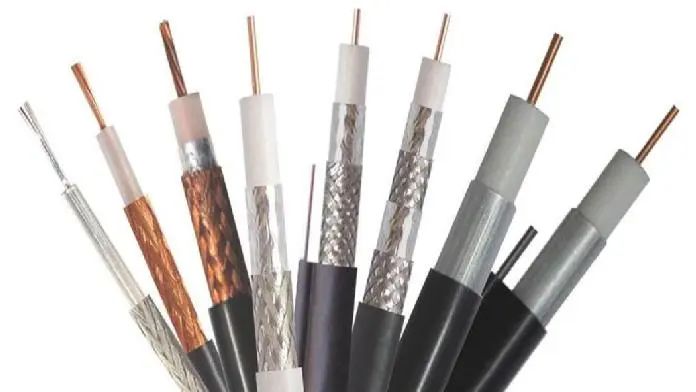
ePTFE membranes exhibit remarkable insulating capabilities, making them a preferred choice for various applications in the electrical industry. Their low dielectric constant allows for efficient signal transmission, reducing energy loss in cables and other electronic components. Unlike traditional insulating materials such as polyethylene or polyvinyl chloride, ePTFE maintains its performance even in demanding temperature conditions. This stability is important for electronics that operate under high frequency, where maintaining signal integrity is essential. Furthermore, ePTFE’s high chemical resistance protects against degradation from harsh environments, ensuring longevity and reliability in insulation applications. The combination of durability and exceptional insulation properties contributes to the material’s widespread usage across industries that require reliable electrical performance under challenging conditions. This adaptability supports the advancement of technologies reliant on high-performance materials, positioning ePTFE as a main player in the future of electrical insulation solutions.
ePTFE Membranes in Advanced Technologies
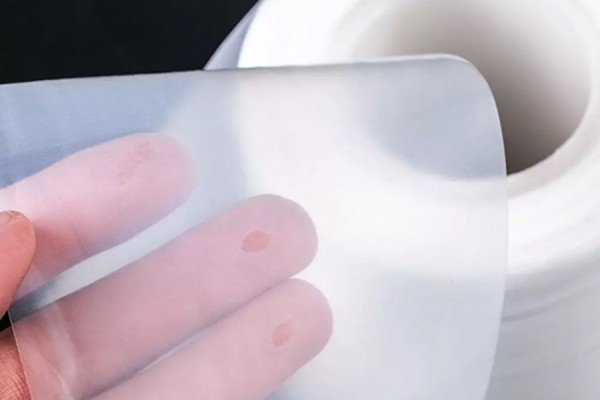
ePTFE membranes are increasingly relevant in advanced technologies due to their unique properties. Their chemical stability and heat resistance make them ideal for critical applications where durability is paramount. For instance, in the field of semiconductor manufacturing, ePTFE membranes are used to filter particulates and gases, ensuring clean environments essential for producing high quality electronic components. In addition, their insulating capabilities contribute significantly to the development of high-frequency transmission systems, which rely on minimal energy loss. These membranes are also employed in various medical devices, where reliable barrier properties prevent contamination while allowing necessary gas exchange. The adaptability of ePTFE in these contexts showcases its potential to support innovations across multiple sectors, including healthcare and electronics. As industries evolve and demands grow for more efficient solutions, the reliance on ePTFE membranes is likely to increase further, highlighting their role in shaping future technologies.
Versatility of ePTFE Across Sectors
ePTFE membranes demonstrate remarkable versatility, finding applications across numerous sectors. In the aerospace industry, these membranes are invaluable for their lightweight and durable characteristics, enhancing fuel efficiency and performance. The automotive sector utilizes ePTFE for fuel cell systems, where gas permeability and thermal stability are essential. In the medical field, ePTFE membranes play a important role in devices such as surgical implants and wound dressings, thanks to their biocompatibility and ability to regulate fluid transfer. The electronics industry benefits from ePTFE’s excellent insulation properties, which improve the performance of components like cables and circuit boards. furthermore, ePTFE serves in environmental applications such as water filtration systems, where its unique pore structure facilitates efficient separation of contaminants. This broad applicability across various fields underscores the significant role of ePTFE membranes in advancing technology and optimizing material performance in diverse industrial settings.
Future trends for ePTFE Membranes
The future of ePTFE membranes appears promising as industries increasingly seek advanced materials that offer durability and efficiency. Innovations in manufacturing processes may lead to membranes with even smaller pore sizes, improving their performance in specific applications. The integration of ePTFE membranes into emerging technologies, such as fuel cells and renewable energy systems, will likely expand their usage. As demand for lightweight and high-performance materials grows, sectors like aerospace and automotive will benefit from ePTFE’s favorable properties. also, ongoing research may reveal new applications in fields such as filtration and medical devices, where hygiene and reliability are important concerns. With environmental regulations tightening, ePTFE membranes’ chemical stability and longevity will improve their appeal as sustainable solutions. This trajectory indicates a significant shift towards incorporating ePTFE into everyday products, highlighting its adaptability across multiple industries.
Conclusion
the substantial advantages of ePTFE membranes mention their critical role in various industries. Their remarkable chemical stability ensures reliable performance in harsh environments, reducing maintenance needs and enhancing operational efficiency. furthermore, the excellent heat resistance of ePTFE allows applications where temperature fluctuations are prevalent, affirming its utility in sectors such as aerospace and automotive. Moreover, the insulating properties of ePTFE have made it a important component in electronics, where signal integrity is vital. As industries seek original solutions to meet evolving challenges, the adaptability and multifunctionality of ePTFE membranes position them as main materials for future advancements. The ongoing development and integration of these membranes into new technologies further exemplify their potential to revolutionize operations across multiple sectors. In light of these factors, the prospects for ePTFE membranes appear promising, with significant opportunities for growth as industries continue to demand high-performance materials capable of withstanding extreme conditions.
FAQs
What are ePTFE membranes?
ePTFE membranes are expanded polytetrafluoroethylene materials known for their unique properties, such as chemical stability, heat resistance, and insulating capabilities.
What industries commonly use ePTFE membranes?
ePTFE membranes find applications in various industries including aerospace, automotive, medical, electronics, and chemical processing.
How do ePTFE membranes exhibit chemical stability?
ePTFE membranes resist degradation from aggressive chemicals and harsh environments, ensuring their durability in applications where material performance is critical.
What temperature range can ePTFE withstand?
ePTFE can perform effectively within a temperature range of -200°C to 260°C, making it suitable for extreme conditions.
Why are ePTFE membranes effective as insulators?
The low dielectric constant of ePTFE allows for efficient signal transmission while maintaining performance in high-temperature and high-frequency environments.
Are there any recent trends in the use of ePTFE membranes?
Recent trends include increasing integration of ePTFE membranes into advanced technologies like fuel cells and renewable energy systems due to their durability and efficiency.
How does the versatility of ePTFE impact technological advancements?
The adaptability of ePTFE across multiple sectors allows for innovations in material performance that meet the demands of evolving technologies.


