

Key takeaways
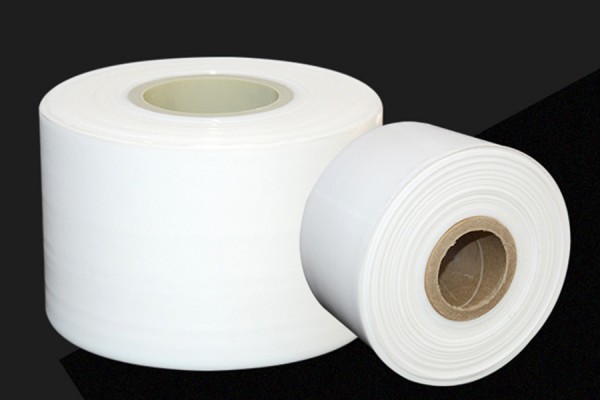
Progress in fast data transmission through PTFE high-speed cable film has reshaped multiple industries. This material’s standout traits, such as thermal stability and strong electromagnetic shielding, make it a solid option for high-speed applications. In aerospace, PTFE high-speed cable film withstands harsh conditions, delivering dependable performance. The automotive sector benefits from its heat tolerance, boosting safety and efficiency in wiring systems. Moreover, PTFE’s ability to improve communication technologies shouldn’t be underestimated; it helps preserve signal integrity. Overall, ongoing progress with PTFE high-speed cable film will keep shaping data-transmission trends, opening doors to innovations across many fields. As these technologies evolve, it’s important to watch how PTFE applications adapt to rising demands for speed and reliability in data transmission.
Advancements in Cable Film Technology
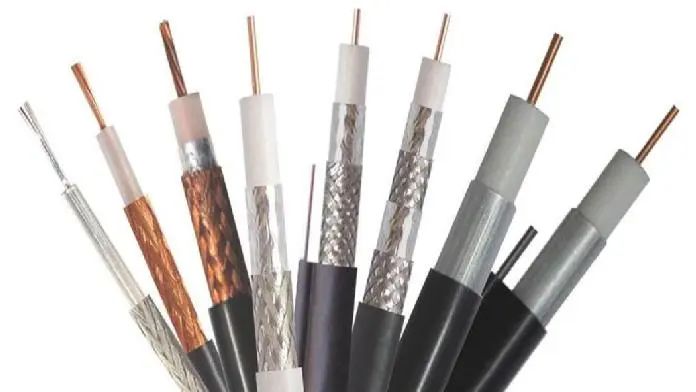
Recent progress in cable film technology has greatly boosted fast data transmission capabilities. The emergence of PTFE wrapping film illustrates these advances, delivering superior heat resistance and EMI shielding. These traits are essential in uses that demand reliability under harsh conditions. The launch of high-speed and high-frequency cable wrapping film has improved performance, especially in settings like aerospace and telecommunications. PTFE cable-wrapping tape provides stability and durability, meeting rising needs for efficient signal transmission. Additionally, innovations such as DAC, AEC, AOC, and ACC high-speed cable-wrapping films address particular industry needs, delivering customized solutions that meet distinct performance criteria. As the technology matures, makers are exploring new PTFE formulations that could raise performance standards in data transmission systems. These advances position PTFE as a crucial material for upcoming applications, sustaining progress in fast data communication.
Exceptional properties of PTFE Film
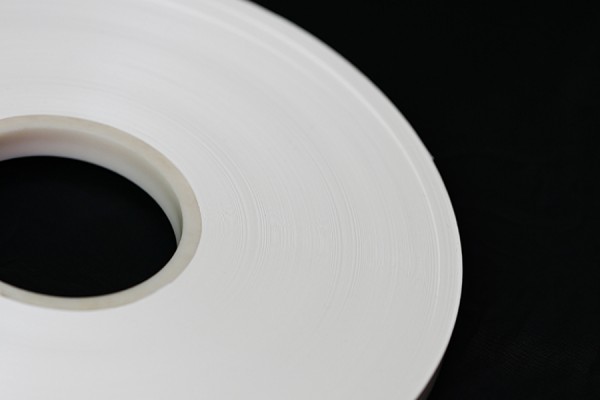
PTFE high-speed cable film has remarkable properties that suit a range of applications. Its exceptional heat resistance lets it operate effectively in extreme temperatures, delivering reliability in critical environments. The film’s low dielectric constant supports effective insulation, reducing signal loss in high-frequency applications. Additionally, PTFE shows excellent chemical inertness, making it resistant to corrosive substances, which matters in harsh industrial settings. Its lightweight make facilitates processing and installation. The film also demonstrates superior tensile strength and wear resistance versus conventional materials, ensuring durability over time. The EMI shielding properties of PTFE film guard sensitive electronics from interference, reinforcing its role in fast data transmission technologies. These distinctive traits collectively promote its adoption across sectors, including telecom and aerospace.
"The exceptional properties of PTFE cable film make it a game-changer in high-speed data transmission."
Applications of PTFE in Aerospace
PTFE high-speed cable film plays a substantial role in the aerospace sector thanks to its distinctive properties. Its strong insulation durability and superb heat resistance make it suitable for electrical applications within aircraft systems. The film can reliably operate across a wide temperature range, ensuring stable performance under extreme conditions. Moreover, PTFE’s corrosion resistance allows it to endure harsh environmental factors typical of aerospace settings.
Using PTFE film for electrical insulation helps minimize signal loss, which is critical for communication and navigation systems needing precise data transmission. Additionally, its EMI shielding capabilities protect sensitive electronics from interference, boosting the overall reliability of aerospace equipment. As demand grows for lightweight materials in aircraft design to improve fuel efficiency and performance, the lightness of PTFE high-speed cable film becomes increasingly valuable. This adaptability helps keep it at the forefront of aerospace technology, contributing to safer and more efficient flights.
Heat resistance in High-Speed Cables
PTFE high-speed cable film shows remarkable heat resistance, making it a prime choice for applications where temperature stability matters. The film can operate reliably across a broad temperature span, typically -200°C to +260°C, and tolerate brief exposures above 300°C. This attribute is essential for fast data transmission in varied environments, especially where extreme heat is present, like aerospace and automotive contexts. PTFE’s ability to maintain its structural integrity and electrical properties under these conditions ensures stable and efficient signal transmission. Additionally, the slim and light nature of PTFE film facilitates installation while still delivering robust performance under thermal stress. This combination enhances the overall reliability of fast cables in demanding scenarios. By ensuring these cables resist elevated temperatures without degradation, PTFE contributes to advances in communication tech and electronic systems, where heat resistance is essential.
Electromagnetic shielding benefits
PTFE high-speed cable film provides notable EMI shielding advantages, making it ideal for uses needing high-frequency signal integrity. PTFE’s unique composition allows it to block electromagnetic interference (EMI) effectively, which matters in environments where electronics sit in close proximity. By reducing EMI, PTFE film helps preserve signal clarity and stability, ensuring dependable performance in communications systems. Also, its low dielectric constant improves its ability to minimize signal loss during transmission, boosting overall efficiency. This trait is especially helpful in aerospace and automotive uses, where dependable communication matters. Also, the film’s light weight and flexibility make integration easier across various designs while still delivering strong shielding. As technology progresses, the need for effective EMI shielding continues to rise, positioning PTFE high-speed cable film as a key component in modern electronics.
PTFE Film in Automotive Wiring
PTFE high-speed cable film plays a major role in the automotive sector thanks to its remarkable properties. This film offers excellent insulation and heat resistance, essential for the increasingly complex electrical systems in modern cars. With electric and hybrid vehicles becoming more common, the need for dependable materials that endure high temperatures and possible chemical exposure has risen. PTFE film’s low coefficient of thermal expansion ensures stable performance across a broad temperature range, further boosting its suitability for automotive uses. Beyond insulation, PTFE cable film provides improved EMI shielding. This quality guards sensitive electronics from interference, ensuring the reliability of systems such as navigation, communications, and advanced driver-assistance systems (ADAS). Using PTFE film in wiring harnesses enhances durability and longevity, cutting maintenance costs tied to electrical failures. Incorporating this material supports progress in vehicle technology by enabling safe and efficient operation within harsh environments typical of automotive use.
Enhancing communication technologies
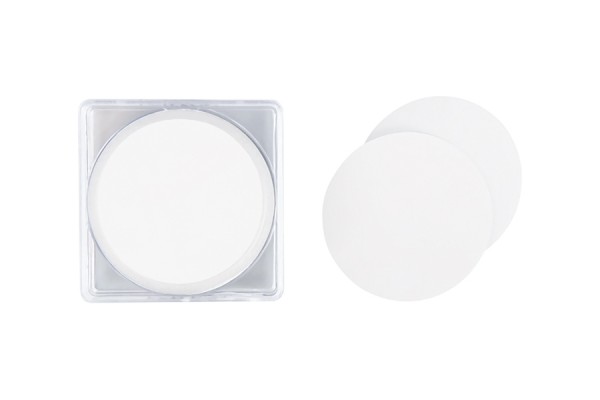
PTFE high-speed cable film substantially boosts communication technologies by delivering essential performance traits. Its low dielectric constant enables efficient signal transmission, while its strong heat resistance helps sustain reliable performance across temperatures. These attributes make PTFE film especially suitable for high-frequency applications, where signal integrity matters. In wireless networks like 5G, improved data transmission capacity is essential to meet rising bandwidth demands. Moreover, its EMI shielding effectively minimizes interference, yielding clearer signals and less noise in electronics. As networks move toward more complex architectures, the benefits of PTFE film grow more important for achieving higher data rates and reliability in devices—from smartphones to advanced communications equipment. Ongoing PTFE technology development is likely to influence the future of fast communications by enabling quicker and more efficient transmissions across multiple platforms.
Future trends in Data Transmission
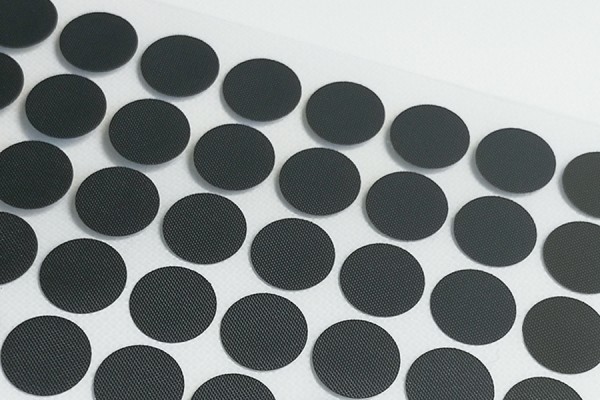
The future of data transmission is increasingly guided by advances in materials like PTFE high-speed cable film. As demands for faster, more dependable communications grow, PTFE’s standout traits, including heat resistance and EMI shielding, will be central. The ongoing evolution of 5G networks and the expected rollout of 6G will demand cables that can efficiently handle higher frequencies and bandwidths. Moreover, industries recognize the importance of lightweight, flexible materials to support device miniaturization. This trend is likely to drive broader use of PTFE films in wireless communication systems, aerospace applications, and automotive technologies. With sustainability in mind, researchers are examining ways to improve the production of PTFE cable films to cut environmental impact. As innovation continues, we can expect further breakthroughs that boost performance while addressing operational challenges across diverse sectors.
Conclusion
The development of PTFE high-speed cable film marks a notable advance in data transmission technologies. Its standout properties, including heat resistance and EMI shielding, make it indispensable across multiple sectors. In aerospace and automotive contexts, PTFE film improves reliability and performance, helping systems endure demanding environments. Moreover, its role in communications tech should not be understated; it enables faster and more efficient data transfer, vital for modern networks. Looking ahead, ongoing PTFE film development may reveal new applications and refine existing technologies, cementing its place as a key component in fast data transmission systems. Continued research and enhancements are likely to unlock even more versatile and powerful solutions in the years to come.
FAQs
What exactly is PTFE cable film?
PTFE cable film is a high-performance material employed in cable insulation and coverings, celebrated for its strong electrical and thermal properties.
What advantages come with PTFE in high-speed cables?
PTFE provides heat resistance and strong EMI shielding, which are essential for preserving signal integrity in fast data transmission.
In which industries is PTFE cable film commonly used?
PTFE cable film is widely used in aerospace, automotive, and communications technologies due to its durability and performance traits.
How does PTFE enhance electromagnetic shielding?
PTFE’s unique molecular structure forms an effective barrier against EMI, helping safeguard sensitive data during transmission.
Is PTFE cable film suitable for extreme temperatures?
Yes, PTFE shows exceptional heat resistance, making it ideal for uses that operate in extreme temperature environments.


