

Key takeaways
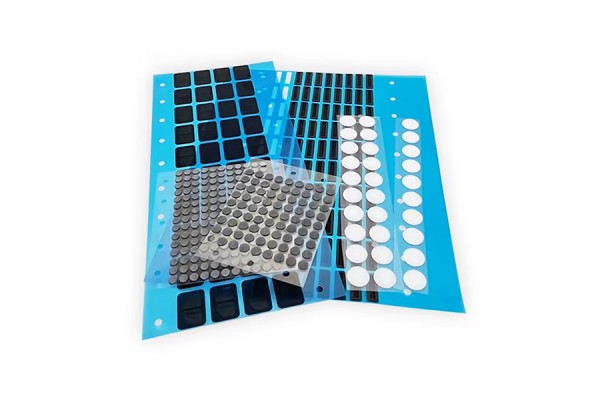
PTFE cable tape wrapping delivers notable benefits across electrical systems. Its leading insulation qualities ensure dependable performance, lowering the likelihood of short circuits and electrical faults. This material shines in temperature tolerance, maintaining performance across a broad spectrum of operating conditions. When used in RF cable work, PTFE improves signal quality by reducing loss and interference, making it a go-to option for professionals in the field. Additionally, applying PTFE tape in data transmission networks shields critical connections, supporting stability and efficiency. The durability of PTFE provides enduring protection for cables against moisture and chemicals. Choosing the right cable insulation is crucial for maximizing performance; PTFE wrapping stands out as a solid option for many electrical applications, underscoring its versatility and effectiveness in protecting cables.
Benefits of PTFE Cable Tape
PTFE cable tape offers numerous benefits, making it a sensible option for a variety of electrical applications. Its top-notch insulation qualities enable clear signal transmission while reducing energy loss, which is essential for high-speed lines using PTFE wrapping tape. The low dielectric constant of PTFE supports stable performance in high-frequency settings, crucial for RF and data networks. Moreover, PTFE wrapping film demonstrates outstanding temperature tolerance, operating effectively in extreme ranges from -150°C to 260°C. This toughness guards cables against overheating and premature wear.
In enhancing cable performance, PTFE tape has proven to be invaluable. The application of this material not only improves electrical efficiency but also provides mechanical protection against wear and environmental factors. Its versatility extends to other specialized uses, such as in high speed and high-frequency cable wrapping films like DAC high-speed cable wrapping film and AEC high-speed cable wrapping film. Consequently, choosing PTFE cable wrapping tape can lead to durable installations that meet the demands of modern electrical systems while preserving long-lasting functionality.
Superior insulation properties of PTFE
PTFE exhibits remarkable insulation properties, making it a preferred choice for electrical applications. Its low dielectric constant ensures minimal signal loss, which is critical for maintaining signal integrity in high-frequency systems. Additionally, PTFE is resistant to moisture, further enhancing its insulating capabilities. This material effectively prevents the conduction of electricity, reducing the risk of short circuits in cables. Its resistance to various chemicals, such as oils and solvents, adds to its durability in harsh environments, where other materials might degrade. Furthermore, the stability of PTFE across a broad temperature range contributes significantly to its insulation effectiveness, ensuring consistent performance even in extreme conditions. As a result, cables wrapped in PTFE can operate safely and efficiently over time, extending their lifespan and ensuring reliable electrical performance.
Temperature resistance in Electrical Applications
PTFE cable tape wrapping is highly regarded for its exceptional temperature resistance, which is crucial in various electrical applications. This material can withstand temperatures ranging from -150°C to 260°C, making it suitable for environments that experience extreme heat or cold. The ability to maintain performance under such conditions allows for reliable insulation in high-temperature cabling and intricate electronic systems.
Additionally, the thermal stability of PTFE prevents degradation over time, ensuring long-lasting protection for cables and wires. This characteristic is particularly important in industries where equipment must function optimally without failure due to heat exposure, such as military and aerospace sectors. In these high-stakes environments, using PTFE tape can enhance the overall reliability of electrical systems.
"Opting for PTFE cable tape can significantly improve the lifespan and performance of critical electrical components." This reinforces the value of this material in safeguarding sensitive wiring against thermal stresses that could lead to malfunction or damage.
Enhancing RF Cable Performance with PTFE
PTFE cable tape wrapping plays a key role in improving the performance of RF cables by providing exceptional insulation and reducing signal loss. This material’s low dielectric constant minimizes interference, ensuring that signals remain clear and consistent. By using PTFE, manufacturers can create RF cables that perform reliably even in high-frequency applications. The tape enhances not only the cable’s longevity but also its durability, allowing it to withstand challenging environmental conditions. Furthermore, PTFE’s chemical resistance ensures that cables maintain integrity in both harsh and corrosive environments. The structure of PTFE also contributes to efficient heat dissipation, which is crucial for maintaining performance over extended periods of use. Thus, integrating PTFE into RF cable design significantly enhances performance metrics such as bandwidth and overall reliability, making it a preferred choice for a wide range of communication applications.
PTFE Tape in Data Transmission Systems
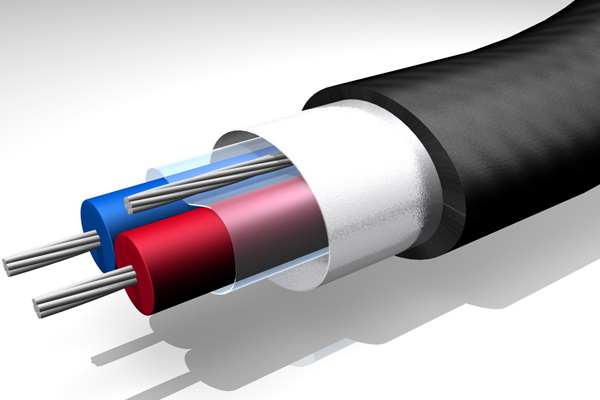
PTFE tape plays a significant role in enhancing the performance of data transmission systems. It provides superior insulation, which is essential for reducing signal loss and maintaining data integrity. This material exhibits low dielectric loss, making it particularly effective in high-frequency communication scenarios. PTFE’s inherent properties also protect cables from environmental factors such as moisture and temperature fluctuations, which can negatively impact performance. The use of PTFE tape ensures that RF coaxial cables maintain stable transmission characteristics, even under challenging conditions. Its durability contributes to a longer lifespan for the cables, reducing maintenance needs over time. As the demand for faster and more reliable data transfer continues to grow, integrating PTFE tape into cable designs becomes increasingly vital for meeting these evolving technological requirements.
Applications of PTFE Cable Wrapping
PTFE cable wrapping is widely utilized across various sectors due to its unique properties. It serves as an effective insulation solution in high-temperature applications, which are common in industries like aerospace and military. The tape’s durability allows it to withstand harsh environments, where traditional materials might fail. Additionally, PTFE cable wrapping plays a vital role in shielding cables from environmental factors such as moisture, chemicals, and mechanical abrasion. This protection is essential for maintaining cable integrity in electronic devices and communication systems. In data transmission systems, PTFE wraps enhance signal quality by minimizing interference, contributing to improved performance and reliability. The versatility of this material also extends to automotive applications, where it aids in protecting wiring harnesses against heat and wear. Furthermore, its lightweight characteristics make it an attractive option for applications demanding reduced weight without compromising strength or efficiency. Overall, PTFE cable wrapping remains a critical component in ensuring optimal performance across various electrical applications.
Durability and Protection with PTFE Tape
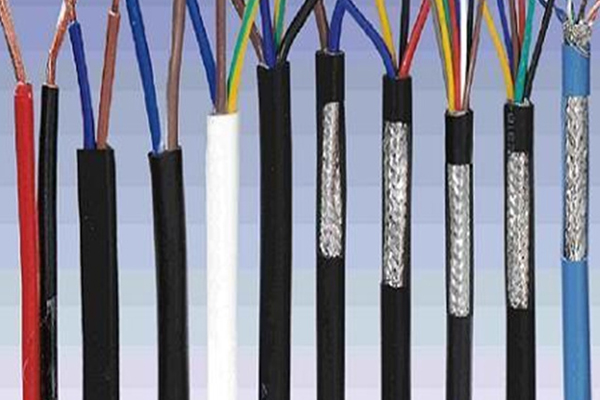
PTFE tape offers remarkable durability in various electrical applications, providing essential protection for insulated cables. Its resistance to harsh chemicals, moisture, and extreme temperatures ensures that it maintains integrity even in challenging environments. The tape’s flexibility allows it to conform easily to different shapes and sizes, creating tight seals that prevent contaminants from affecting the cable performance. Additionally, PTFE has a low friction coefficient, reducing wear and tear during installation and operation. This feature contributes to the longevity of cables, making them less susceptible to damage from environmental factors or mechanical stress. As a reliable insulator, PTFE tape plays a key role in safeguarding sensitive components from electromagnetic interference and enhancing the overall reliability of electrical systems. Its robust characteristics help extend the lifespan of cables while ensuring consistent performance across diverse applications.
Choosing the Right Cable Insulation
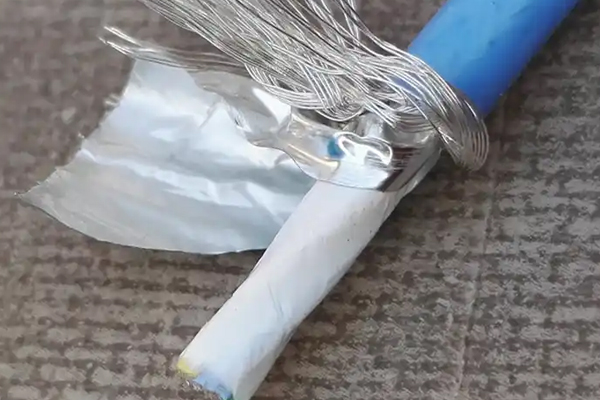
Selecting the appropriate cable insulation is essential for optimizing performance in various electrical applications. Factors such as environmental conditions, temperature fluctuations, and the specific requirements of the system should drive this choice. PTFE cable tape wrapping stands out due to its superior insulation properties and high-temperature resistance, making it a favorable option for environments where traditional insulations may fail. Additionally, the chemical resistance of PTFE ensures durability in corrosive environments, which can be critical for applications such as aerospace or industrial settings.
Careful consideration should also be given to the flexibility and thickness of insulation materials. Thinner layers may be necessary for compact installations, while thicker options may better suit areas exposed to extreme conditions. It’s vital to assess the specific demands of RF and data transmission systems as well, where minimizing signal loss becomes imperative for efficient operation. Thus, understanding these various aspects will aid in making informed decisions regarding cable insulation selection and help maintain system integrity over time.
Conclusion
using PTFE cable tape wrapping brings notable advantages to electrical applications, particularly in enhancing the performance and durability of various cable types. The superior insulation properties of PTFE effectively prevent signal loss, making it an ideal choice for RF and data transmission systems. Its remarkable temperature resistance ensures that cables operate reliably under extreme conditions, contributing to a longer lifespan. Additionally, the durability of PTFE tape offers protection against moisture and mechanical stress, further safeguarding the integrity of electrical components. When selecting cable insulation, opting for PTFE can significantly improve the overall effectiveness and reliability of electrical systems. As technology advances and demands increase, the role of PTFE tape in maintaining performance standards will likely become even more crucial.
FAQs
What is PTFE cable tape wrapping?
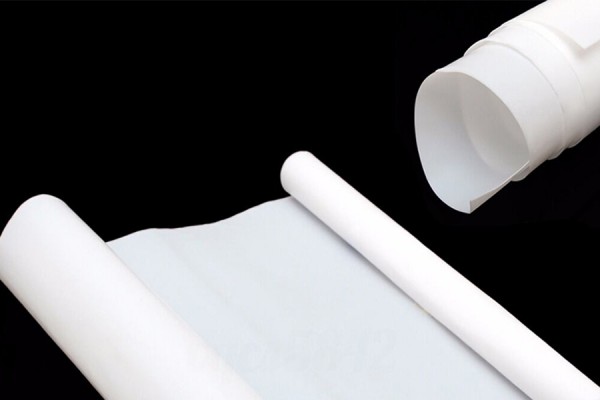
PTFE cable tape wrapping is a specialized insulating material made from polytetrafluoroethylene, designed to wrap electrical cables for improved insulation and protection.
What are the advantages of using PTFE cable tape?
Its benefits include top-tier insulation, excellent temperature tolerance, and enhanced durability that shield cables from environmental factors.
Can PTFE tape improve the performance of RF cables?
Indeed, PTFE tape can markedly boost the performance of RF cables by delivering solid insulation and cutting signal loss.
Is PTFE tape suitable for data transmission systems?
Definitely. PTFE tape suits data transmission systems thanks to its high dielectric strength and resilience to a range of environmental conditions.
How does temperature resistance benefit electrical applications?
Temperature tolerance helps PTFE tape preserve its insulating properties under extreme temperatures, lowering the risk of cable breakdown or failure.


