Key properties of PTFE Cable Film
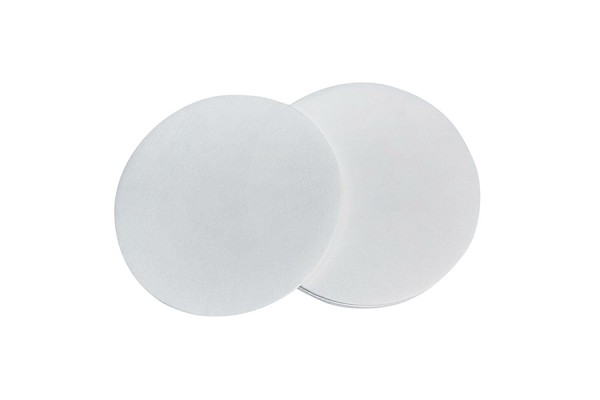
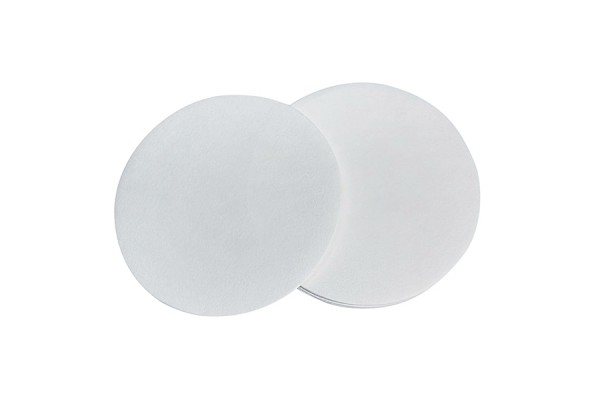
PTFE cable film exhibits several key properties that make it an essential choice for high-speed data transmission applications. Its low dielectric constant is nearly equivalent to that of air, which significantly reduces signal delay and minimizes capacitive coupling. This characteristic is vital in maintaining signal integrity for high-speed transmission line PTFE wrapping tape. The excellent electrical insulation provided by PTFE wrapping film ensures robust protection against signal short circuits and leakage, thereby enhancing system reliability.
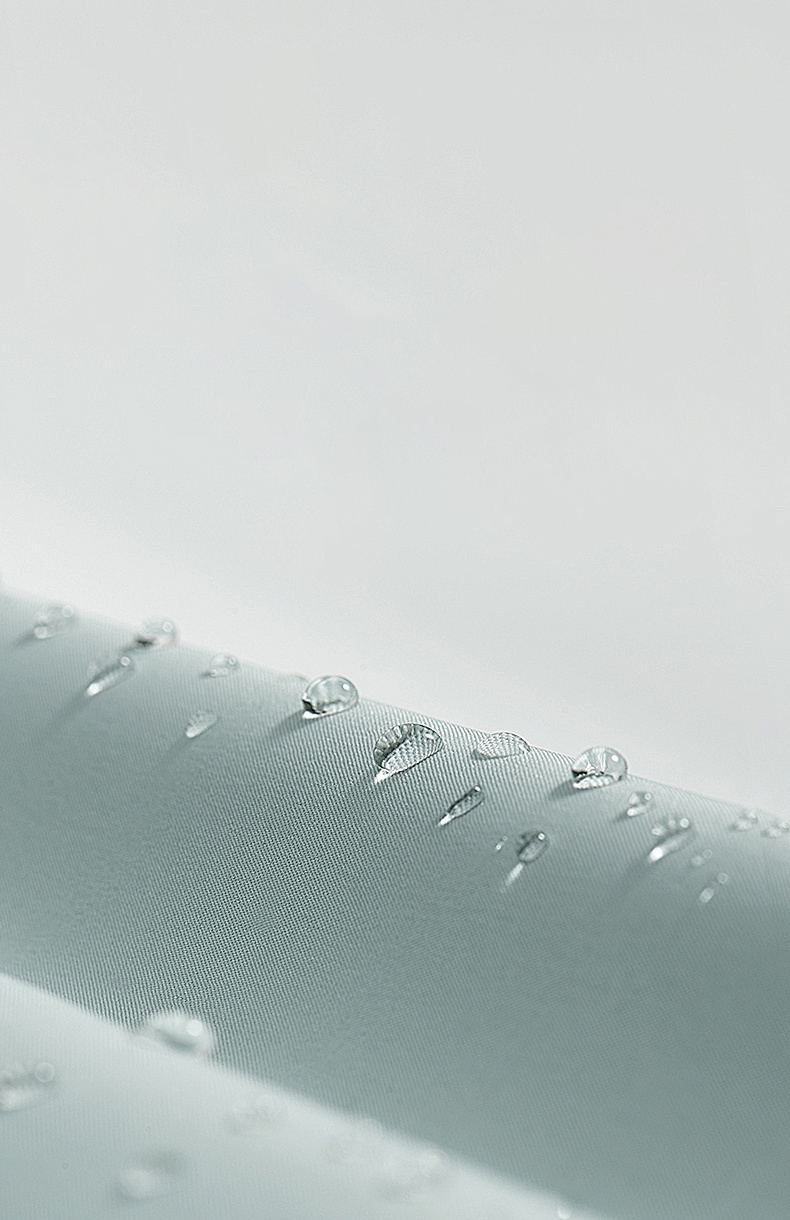
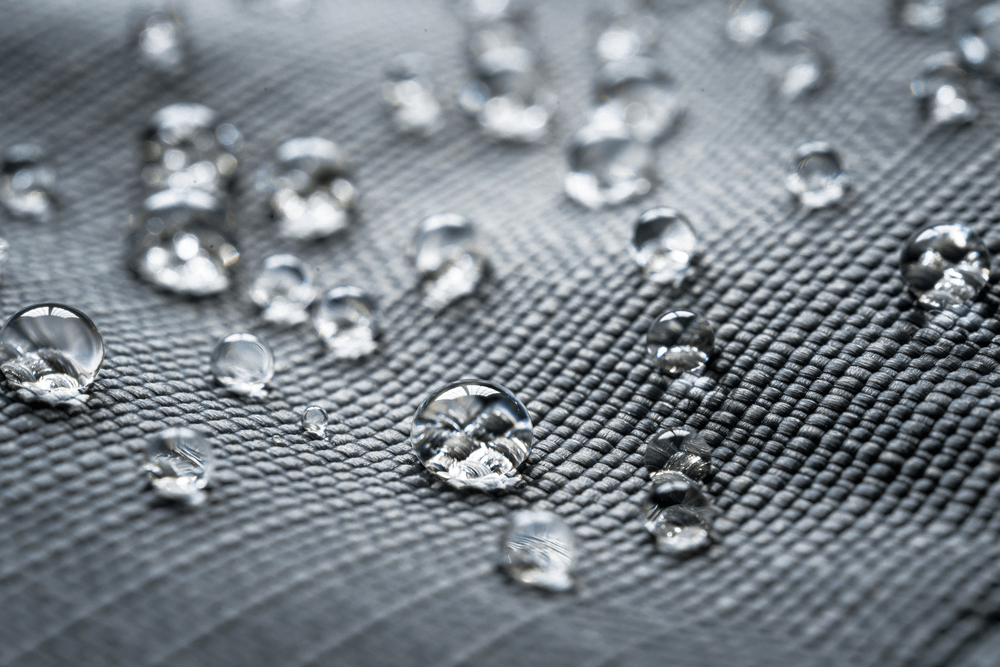
Additionally, PTFE’s wide temperature range, from cryogenic levels to elevated temperatures, supports stable performance in diverse environmental conditions. Its inherent chemical inertness means that PTFE cable wrapping tape is highly resistant to various chemicals and solvents, contributing to a longer service life. Another notable feature is its moisture insensitivity due to the porous structure, which maintains electrical performance even in humid conditions. These properties collectively position PTFE as a preferred material in high-frequency environments, such as those found in advanced communication systems and modern electronic devices.
Benefits of High-Speed Data Transmission
High-speed data transmission significantly improves the efficiency and performance of electronic devices. It enables devices to communicate more rapidly, reducing latency during data exchange. This reduction is crucial for applications requiring real time processing, such as video conferencing and online gaming. By facilitating quicker access to data, high-speed transmission enhances user experience and productivity in various environments.
Moreover, high-speed connections support bandwidth-intensive applications, allowing the transfer of large files swiftly without interruptions. This capability is essential in sectors like cloud computing and big data analytics, where timely access to vast amounts of information is vital for decision making. Additionally, reliable high-speed connections contribute to improved system stability and reduced dropout rates in communication systems.
"The advancement in cable films made from materials like PTFE plays a significant role in achieving these high speeds."
Overall, the benefits of high-speed data transmission resonate across many sectors, making it a fundamental requirement for modern technology solutions.
Recent innovations in PTFE Materials
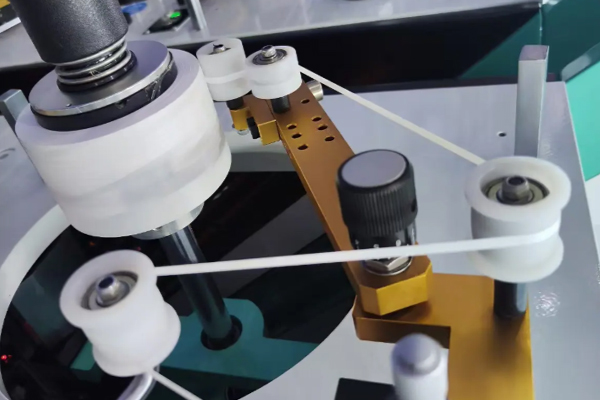
Recent developments in PTFE materials have focused on enhancing their mechanical and electrical properties. Innovations have led to improved creep resistance, which helps maintain the integrity of cable designs under stress. Additionally, advancements in the processing techniques of PTFE have resulted in materials that exhibit better temperature stability, allowing them to perform effectively in a broader range of thermal environments. Researchers have also experimented with modified PTFE formulations that improve dielectric properties, making them even more suitable for high-speed data transmission applications. These efforts contribute to the development of cable films capable of meeting the rigorous demands of modern electronics, including higher frequencies and signal integrity requirements. Innovations such as integrating additives that enhance conductivity while retaining insulation properties further position PTFE as a critical component in various electronic applications. This ongoing progress ensures PTFE remains a competitive choice for high-performance cable solutions essential for the evolving landscape of technology.
Impact of PTFE on Electronic Performance
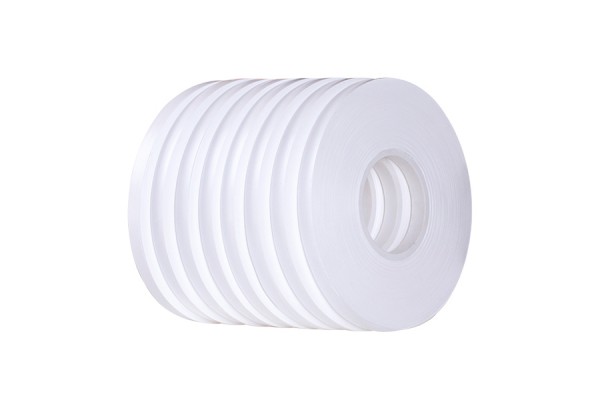
PTFE plays a vital role in enhancing electronic performance across various applications. Its low dielectric constant minimizes signal delay, allowing for faster data transmission by reducing capacitive coupling. This property is essential in high-frequency systems where efficiency and speed are paramount. Furthermore, PTFE’s excellent electrical insulation characteristics ensure that signals remain strong and free from interference, reducing the risk of short circuits. The material’s wide temperature range allows electronics to operate effectively in extreme conditions without compromising performance. Chemical inertness also contributes to the longevity of electronic components, as PTFE withstands exposure to numerous corrosive substances. Additionally, the moisture insensitivity of PTFE helps maintain electrical performance in humid environments, which is crucial for outdoor or industrial applications. Collectively, these attributes position PTFE as an indispensable material for next-generation electronic devices requiring reliable and high-speed data transmission.
Applications of PTFE in Modern Technology
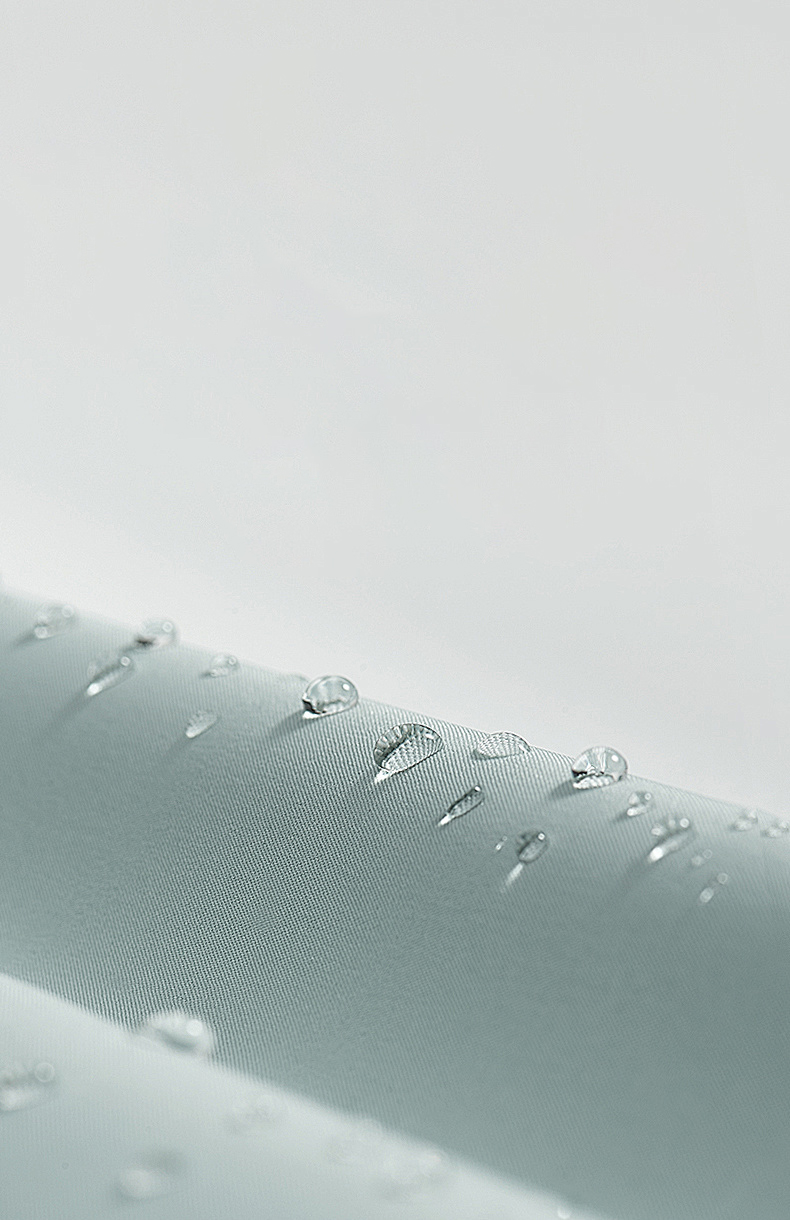
PTFE cable films are widely utilized in various modern technologies, particularly in telecommunications and data transmission systems. Their low dielectric constant makes them suitable for high-frequency applications, ensuring minimal signal loss during transmission. In the realm of consumer electronics, these films are integral to the design of smartphones and tablets, where efficient signal integrity is essential for optimal performance. Additionally, PTFE’s excellent thermal stability allows its use in environments with extreme temperatures, making it ideal for aerospace and automotive applications. In industrial settings, it finds application in sensors and control systems that require reliable electrical insulation under demanding conditions. As advancements in technology continue to evolve, the need for reliable materials like PTFE becomes increasingly critical in the development of high-performance devices and systems.
Comparative analysis of Cable Films
The landscape of cable films reveals a variety of materials, each presenting unique properties and performance characteristics. Traditional materials, such as PVC and polyethylene, offer moderate insulation and mechanical properties but often fall short in high-speed applications due to higher dielectric losses and lower temperature tolerance. In contrast, PTFE cable films exhibit a low dielectric constant, ensuring minimal signal delay and enhanced transmission efficiency.
When comparing these materials, PTFE stands out in its ability to maintain stable electrical performance across a wide range of temperatures and environmental conditions. Its resilience against chemical exposure further adds to its longevity and effectiveness in demanding conditions. Additionally, newer adaptations of PTFE demonstrate remarkable advancements in aspects such as creep resistance and thermal stability, setting them apart from conventional alternatives.
Manufacturers are increasingly focusing on these enhancements to meet the rigorous demands of modern applications like data centers and telecommunications. The ongoing evolution in cable film technology not only addresses current performance challenges but also shapes future trends towards faster, more reliable data transmission solutions.
Future trends in Data Transmission Solutions
Emerging trends in data transmission solutions indicate a growing reliance on advanced materials like PTFE high-speed cable film. As electronic devices evolve, the demand for faster and more efficient data transfer continues to rise. Innovations in cable manufacturing techniques and material properties are shaping the future, promoting lighter, more flexible, and higher-performing cables.
The integration of smart technology into data transmission networks is also on the rise, enabling real time monitoring and resource management. This trend aims to enhance performance while optimizing energy consumption. Additionally, there is an increased focus on sustainability in manufacturing processes, which aligns with global environmental efforts.
Collaboration between industries is further accelerating advancements in PTFE applications. The interplay between telecommunications and computer technology fosters the development of custom solutions tailored to specific high-speed requirements. These advancements not only promise improved bandwidth but also contribute to the versatility needed for evolving use cases such as Internet of Things (IoT) devices and next-generation wireless communication protocols. As these trends unfold, they highlight the importance of next-level innovations in materials like PTFE cable films for future data transmission needs.
Challenges in High-Speed Cable Development
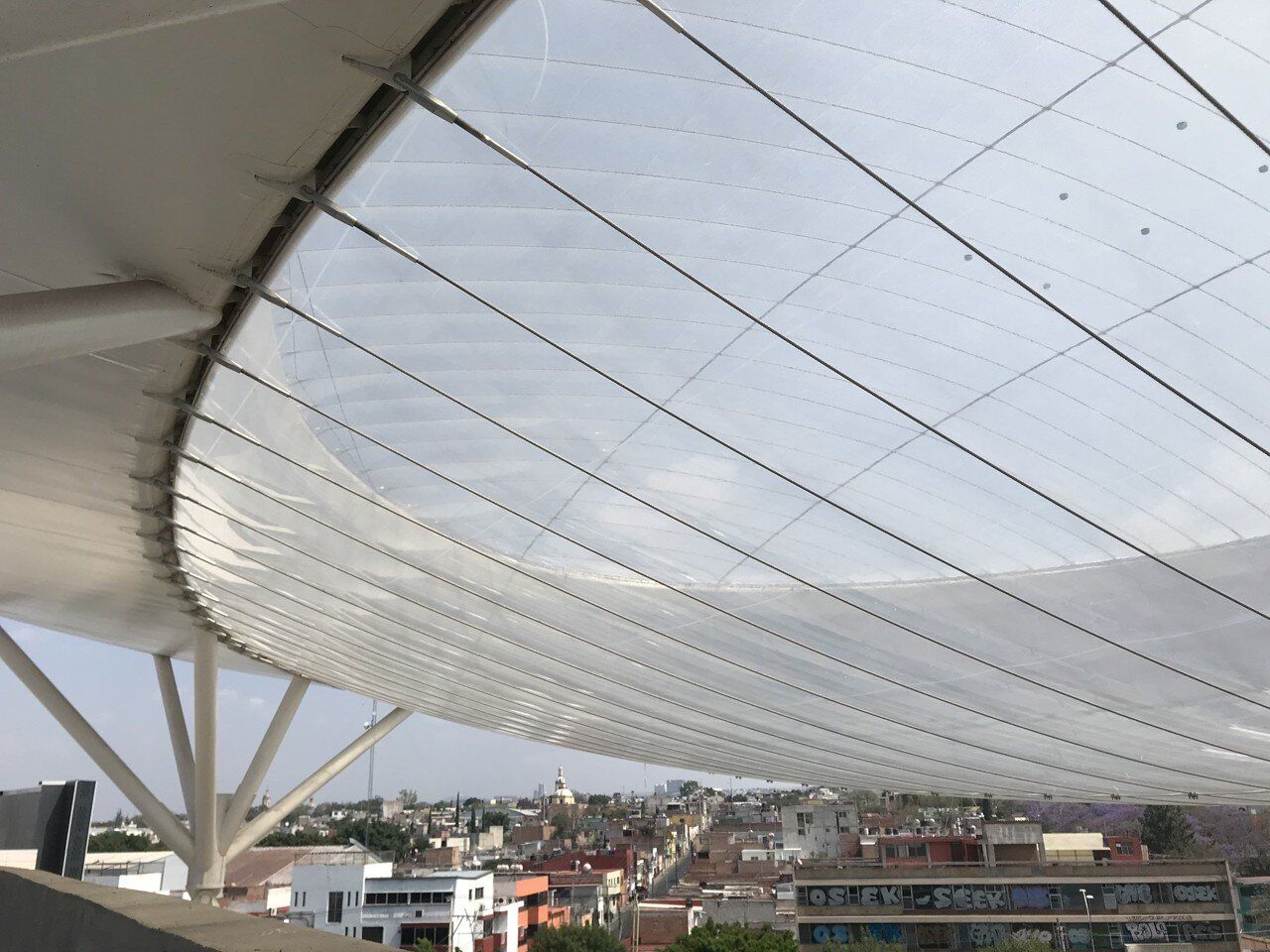
The development of high-speed cables encounters several substantial challenges. One significant issue is maintaining signal integrity over long distances. As data rates increase, even minor losses or distortions can result in noticeable performance degradation. This necessitates advanced materials that can minimize dielectric losses while optimizing insulation properties. Moreover, the thermal stability of these materials is crucial; high-speed cables must operate effectively across a broad temperature range without compromising performance.
Another challenge lies in the manufacturing processes used to produce high-speed cable films. Ensuring uniformity and precision during production is vital, as inconsistencies can affect the cable’s reliability and longevity. Additionally, the evolving demands of modern electronics require continuous innovation in cable design and material composition to keep pace with technological advancements.
Furthermore, regulatory compliance can pose hurdles for manufacturers. Stricter standards are being implemented for electrical safety and environmental impact, requiring companies to adapt their processes and materials accordingly. These factors contribute to the complexity of developing effective high-speed cable solutions, ultimately influencing their availability and cost in emerging markets.
Conclusion
the advancements in PTFE high-speed cable film mark a significant evolution in data transmission technology. As the demand for higher speeds and greater efficiency continues to grow, these developments enable enhanced performance in a variety of applications. The combination of PTFE’s unique properties ensures that it maintains signal integrity while resisting environmental challenges, thereby supporting the expansion of high-frequency communication systems. Moreover, ongoing innovations in material formulations and processing techniques are essential for meeting the stricter requirements posed by modern electronics. While challenges remain in manufacturing and technology adaptation, the future of PTFE cable films appears promising as they play a crucial role in shaping reliable data transmission solutions. As industries increasingly prioritize performance and sustainability, PTFE is poised to become an even more integral contributor to advancements in electronic performance and connectivity.
FAQs
What is PTFE high-speed cable film?
PTFE high-speed cable film is a specialized material used in electronic cables that enhances data transmission capabilities due to its unique properties.
What are the key benefits of using PTFE in cable films?
PTFE provides excellent electrical insulation, low dielectric constant, and resistance to extreme temperatures and chemicals, resulting in improved performance in high-speed applications.
How does PTFE improve data transmission speeds?
PTFE’s low dielectric constant minimizes signal delay and reduces capacitive coupling, allowing for faster data transfer with minimal loss or interference.
In which applications is PTFE high-speed cable film commonly used?
PTFE films are commonly used in telecommunications, consumer electronics, aerospace, and industrial control systems where reliable and efficient data transmission is essential.
What challenges exist in developing PTFE high-speed cables?
Challenges include maintaining signal integrity over long distances, ensuring uniform quality during production, and complying with rigorous safety and environmental regulations.