Advancements in ePTFE Membrane Technology
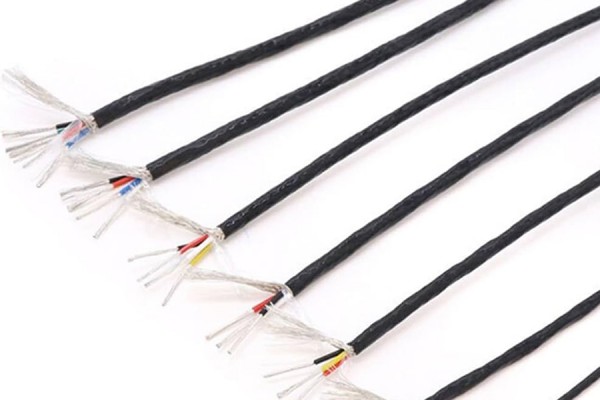
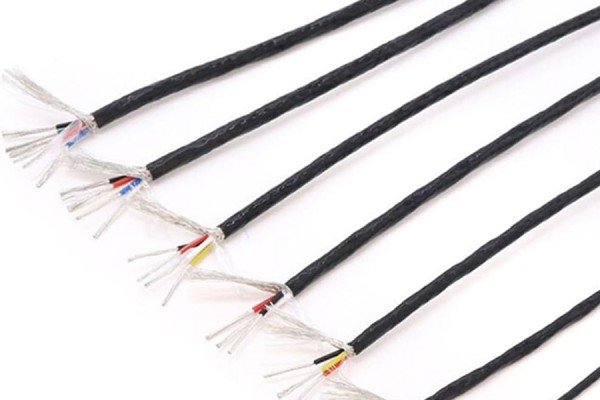
Recent advancements in ePTFE membrane technology have led to significant improvements in performance and durability. These membranes now offer enhanced resistance to high temperatures and chemicals, making them suitable for various demanding applications. The development of high-speed transmission line PTFE wrapping tape and PTFE wrapping film showcases how ePTFE can meet the rigorous requirements of industries such as telecommunications and aerospace. Additionally, innovations like DAC high-speed cable wrapping film and AEC high-speed cable wrapping film illustrate the adaptability of ePTFE membranes in a rapidly evolving technological landscape. These materials not only provide superior protection against environmental factors but also contribute to the reduction of signal loss in high-frequency applications. By integrating features like low density and excellent creep resistance, modern ePTFE membranes enhance the reliability of critical components such as PTFE thread seal tape and PTFE cable rolls. As manufacturers continue to refine their processes, we expect to see even greater capabilities in future iterations, significantly impacting multiple sectors and advancing the potential for ePTFE applications.
Enhancing durability of ePTFE Membranes
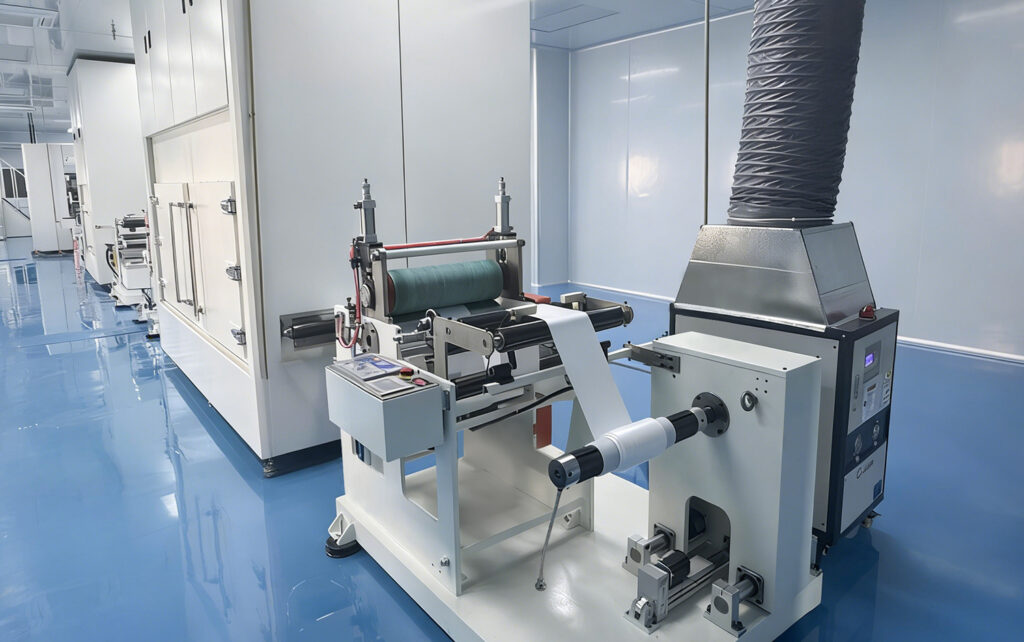
ePTFE membranes are designed to withstand harsh environmental conditions, enhancing their durability across various applications. The materials used in ePTFE membranes provide excellent resistance to chemicals, moisture, and extreme temperatures. This durability allows them to maintain performance over time, particularly in industries such as aerospace and pharmaceuticals, where reliability is crucial. Innovations in membrane engineering have led to improvements in the structural integrity of these materials, reducing the risk of degradation under stress or exposure to corrosive elements. The interplay of molecular structure and processing techniques contributes significantly to their lasting performance. By optimizing the sintering process and adjusting polymer compositions, manufacturers can create membranes that not only resist wear but also adapt effectively to fluctuating operational demands. This enhancement in durability translates into lower maintenance costs and longer lifecycles for products utilizing ePTFE membranes, reinforcing their role as a key component in high-performance applications.
Applications of ePTFE Membranes in Industry
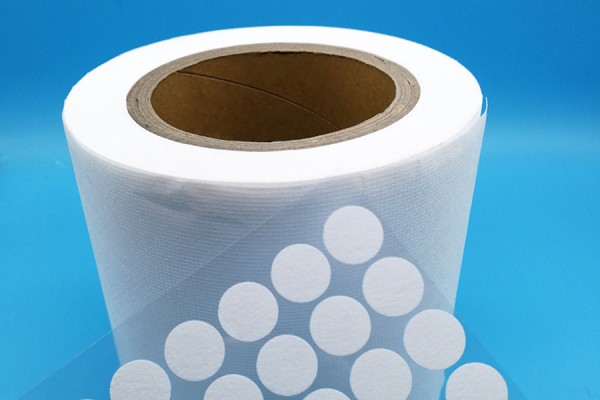
ePTFE membranes are utilized across various industries due to their unique properties. In the medical field, these membranes provide effective barriers in surgical applications, ensuring both safety and sterility. They are also essential in the biotechnology sector, where their biocompatibility plays a key role in devices such as drug delivery systems and implants. In environmental applications, ePTFE membranes are employed in filtration systems to separate contaminants and particulates from gases and liquids, enhancing air and water quality. The automotive industry benefits from these membranes by incorporating them into exhaust systems to manage emissions more effectively. Furthermore, their use in energy applications, such as fuel cells, highlights their versatility; the enhanced durability withstands harsh conditions, ensuring reliable performance over time. These diverse applications showcase the adaptability of ePTFE membranes, making them valuable components for improving efficiency and reliability across multiple sectors.
Improving efficiency with ePTFE Technology
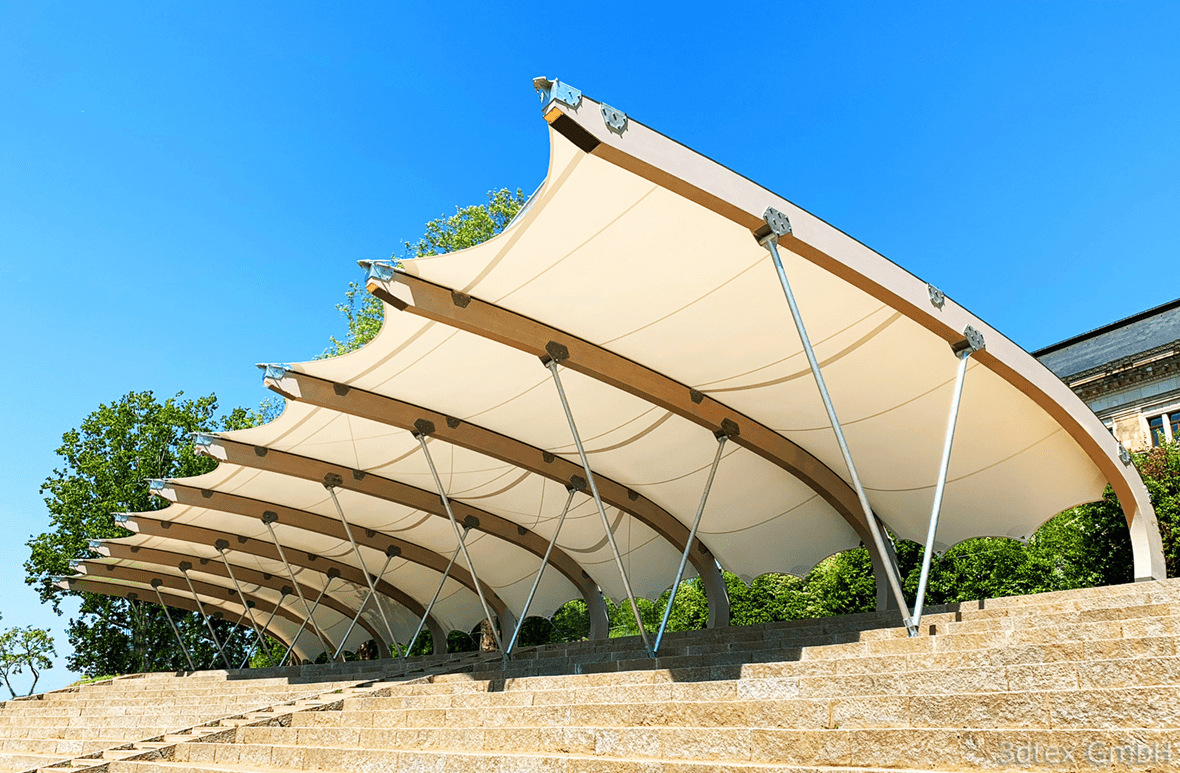
ePTFE technology significantly improves the efficiency of various industrial processes. These membranes facilitate superior gas and liquid permeation while maintaining excellent barrier properties, which is crucial in many applications. Industries such as pharmaceuticals and food processing benefit from the high purity levels achieved through ePTFE membranes. Their chemical resistance allows for compatibility with aggressive substances, preventing contamination and ensuring product integrity. Additionally, the lightweight nature of ePTFE contributes to reduced energy consumption in transportation and installation, promoting sustainability. As a result, systems utilizing ePTFE technology can operate at heightened efficiencies with decreased downtimes due to maintenance-related issues. This blend of durability and performance reinforces the membranes’ role in advancing operational standards across multiple sectors, ultimately supporting long term productivity goals.
Benefits of ePTFE Membranes for Reliability
ePTFE membranes are essential for ensuring reliability across various applications due to their unique properties. They exhibit exceptional chemical resistance, which allows them to maintain integrity even in harsh environments. This resilience helps prevent failures caused by chemical corrosion, thus extending the lifespan of components that rely on these membranes. Additionally, ePTFE membranes are known for their durability under mechanical stress, which is vital in industries where equipment undergoes constant movement or exposure to pressure. Their lightweight and flexible nature further promotes ease of use without compromising performance. Furthermore, these membranes possess excellent hydrophobic characteristics that prevent moisture intrusion, enhancing overall reliability in applications where water exposure is a concern. The combination of these features positions ePTFE membranes as a critical component for industries demanding high levels of consistency and dependability in their operations.
Future trends in ePTFE Membrane Development
The advancement of ePTFE membranes is poised to take significant strides in the coming years, driven by rising industry demands for high performance and reliability. Researchers are focusing on developing membranes with enhanced properties, such as improved gas and liquid permeability while maintaining chemical resistance. Innovations in manufacturing techniques, including the integration of nanomaterials, are expected to bring about more effective barrier properties and versatility for various applications. The trend towards sustainability is also influencing development, emphasizing the need for eco-friendly materials that maintain performance integrity. Additionally, the expansion of applications in fields like renewable energy and biotechnology is set to unveil new opportunities for ePTFE membranes. As industries push towards more efficient solutions, collaborations between manufacturers and research institutions will likely foster groundbreaking advancements that could redefine the membrane landscape. Continued investment in research and development will be key to unlocking the full potential of ePTFE technology.
ePTFE Membranes in Chemical Resistance
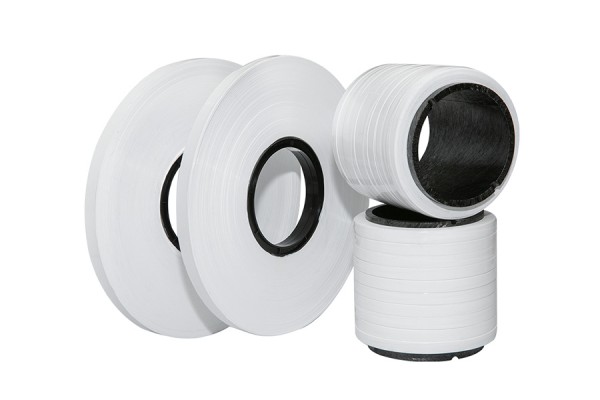
ePTFE membranes exhibit exceptional chemical resistance, making them ideal for various industrial applications. These membranes resist corrosive substances, ensuring they maintain their structural integrity in harsh environments. This characteristic is particularly important in sectors such as chemical processing, pharmaceuticals, and wastewater treatment, where exposure to aggressive chemicals is common. The durability of ePTFE membranes against acids, bases, and solvents contributes to their reliability and longevity. As a result, equipment that utilizes ePTFE membranes often requires less frequent maintenance and replacement, leading to cost savings. Furthermore, the ability of these membranes to perform under extreme conditions enhances their suitability for critical applications where failure is not an option. Overall, the chemical resistance of ePTFE membranes expands their usability across various industries while promoting a safer operational environment.
Performance characteristics of ePTFE Materials
ePTFE materials exhibit a range of remarkable performance characteristics that set them apart in various applications. They are known for their exceptional flexibility, allowing for easy manipulation and integration into different designs. Their low friction coefficient reduces wear and tear, making them ideal for moving components and seals. ePTFE also offers strong thermal stability, maintaining performance across a broad temperature range. This durability is essential in applications where environmental conditions fluctuate significantly.
Furthermore, these materials feature excellent chemical resistance, enabling them to withstand exposure to aggressive substances without degrading. This property enhances their utility in industrial settings, where they are often subjected to harsh chemicals. The dielectric properties of ePTFE contribute to its effectiveness in electronic applications, ensuring reliable insulation and signal integrity. Overall, the combination of flexibility, thermal stability, chemical resistance, and dielectric performance makes ePTFE materials highly valuable across various industries.
Conclusion
advancements in ePTFE membrane technology have fundamentally transformed numerous industries by providing robust solutions to complex challenges. The unique properties of ePTFE membranes, such as exceptional chemical resistance and durability, enable their application in harsh environments where traditional materials would fail. As industries demand improved efficiency and reliability, ePTFE membranes prove to be essential components, enhancing performance in applications ranging from aerospace to pharmaceuticals. The ongoing research and development efforts promise even greater enhancements, including the integration of innovative materials and techniques. These developments are likely to introduce more versatile ePTFE solutions tailored for specific industrial needs. As companies continue to embrace these advancements, they position themselves to achieve long term success through improved operational standards and reduced maintenance costs. The evolution of ePTFE membrane technology not only meets current industry demands but also paves the way for future applications that could redefine performance and reliability benchmarks across various sectors.
FAQs
What is an ePTFE membrane?
An ePTFE membrane is a type of expanded polytetrafluoroethylene that is highly versatile and resistant to chemicals, moisture, and extreme temperatures.
What industries commonly use ePTFE membranes?
ePTFE membranes are widely used in industries such as pharmaceuticals, biotechnology, aerospace, environmental filtration, and automotive.
How does ePTFE technology enhance efficiency?
ePTFE technology improves efficiency by providing superior gas and liquid permeation while maintaining excellent barrier properties, reducing contamination risks.
Are ePTFE membranes environmentally friendly?
While ePTFE membranes are durable and reduce waste through their longevity, their environmental impact depends on manufacturing processes and material sourcing.
What factors contribute to the durability of ePTFE membranes?
The durability of ePTFE membranes stems from their chemical resistance, structural integrity improvements through advanced processing techniques, and abilities to withstand harsh conditions.
Can ePTFE membranes be used in high-temperature applications?
Yes, ePTFE membranes are designed to withstand high temperatures without losing their performance characteristics, making them suitable for demanding environments.
How do manufacturers enhance the properties of ePTFE membranes?
Manufacturers enhance these properties by optimizing polymer compositions and modifying manufacturing processes like sintering to improve structural characteristics.
What is the future trend for ePTFE membrane technology?
Future trends include integrating nanomaterials for improved performance and focusing on sustainable manufacturing practices to meet increasing industry demands.
Are there specific applications where chemical resistance is crucial for ePTFE membranes?
Yes, sectors such as chemical processing, pharmaceuticals, and wastewater treatment require chemical resistance to maintain operational safety and equipment longevity.