Key takeaways
PTFE wrapping tape is crucial for enhancing the performance and reliability of high-speed transmission lines. Its low dielectric loss preserves signal integrity, ensuring that high-frequency signals travel with minimal degradation over long distances. This characteristic is essential in fast-paced communication environments, where even minor signal distortion can result in significant data loss. The tape also provides robust electrical insulation, protecting against short circuits and leakage in tightly packed wiring systems. Moreover, its impressive thermal stability guarantees consistent operation across a broad temperature range, mitigating risks related to thermal cycling. As industries continue to push the limits of data transmission speeds, PTFE wrapping tape emerges as an indispensable material that meets modern demands while outperforming traditional insulation options. Its unique properties not only enhance overall system safety and efficiency but also support the reliability of advanced communication technologies across various applications.
Key properties of PTFE Wrapping Tape
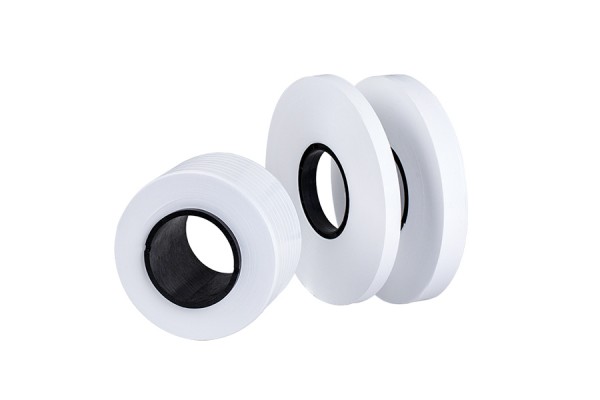
High-speed transmission line PTFE wrapping tape is known for its exceptional characteristics that enhance data transmission quality. Its low dielectric loss is a key property, as it minimizes signal degradation and maintains signal integrity in high-frequency applications. This wrapping tape contains PTFE, which is significant for its reliability in delivering strong electrical insulation. It effectively prevents short circuits and unwanted leakage, particularly in densely packed electrical environments.
Additionally, this tape exhibits excellent thermal stability, enabling it to operate under a wide temperature range. Such performance is vital for applications that face extreme conditions during data transmission. The hydrophobic nature of the PTFE wrapping film contributes to moisture resistance, ensuring that performance remains consistent even in humid environments.
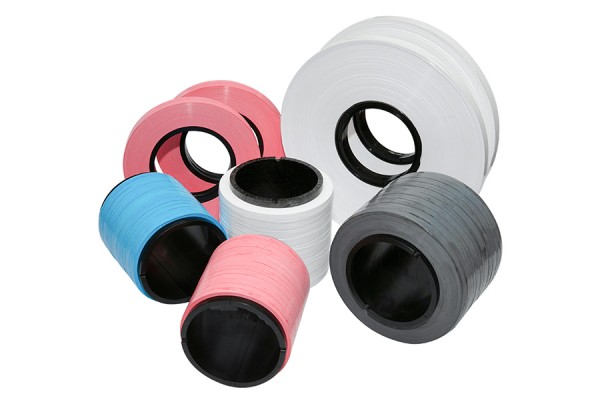
Moreover, when compared with traditional insulation materials, high-speed and high-frequency cable wrapping film demonstrates superior attributes that make it a preferred choice in advanced communication systems. Its unique composition facilitates applications such as PTFE cable wrapping tape and specialized coatings like DAC high-speed cable wrapping film and AEC high-speed cable wrapping film. Together, these properties position PTFE wrapping tape as an essential component for future advancements in communication technology.
Low dielectric loss and Signal Integrity
PTFE wrapping tape is engineered to maintain low dielectric loss, which is vital for ensuring signal integrity in high-speed transmission lines. Its dielectric constant closely resembles that of air, allowing for minimal signal delay and reduced capacitive coupling. This property becomes increasingly important as data rates accelerate, where even slight delays can result in loss of data fidelity. By providing a consistent dielectric environment, PTFE tape mitigates unwanted interference that can detract from signal clarity.
Moreover, the low relative permittivity of PTFE helps ensure that high-frequency signals can travel across transmission lines with minimal attenuation. In applications demanding high reliability, such as telecommunications and data networks, using materials like PTFE wrapping tape constitutes an effective strategy for enhancing performance.
"Ensuring low dielectric loss is essential for optimizing the performance of communication systems."
This emphasis on maintaining signal integrity directly contributes to the overall efficacy of advanced communication systems across various sectors.
Electrical insulation for High-Speed Transmission
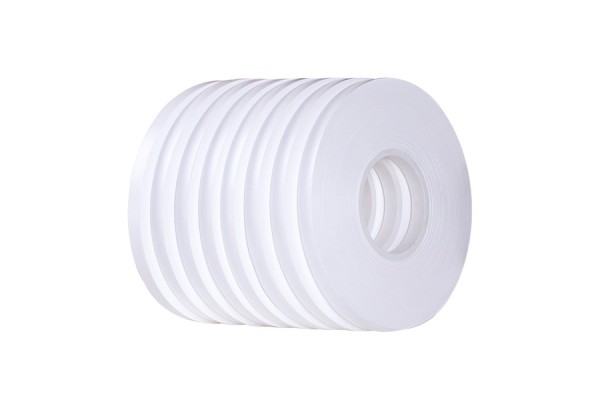
PTFE wrapping tape provides exceptional electrical insulation, vital for maintaining performance in high-speed transmission lines. It effectively prevents short circuits and signal leakage, ensuring that data remains intact during transmission. This insulation capability is particularly important in densely packed wiring systems, where space constraints heighten the risk of interference between conductors. By offering a reliable barrier against electrical faults, PTFE tape significantly enhances the overall safety and functionality of high-speed systems. Its low dielectric loss contributes to signal integrity, allowing devices to operate efficiently without the detrimental effects of noise or crosstalk. The durability of PTFE also supports long-term reliability in various operational environments, making it an ideal choice for advanced communication applications.
Thermal stability in High-Frequency Applications
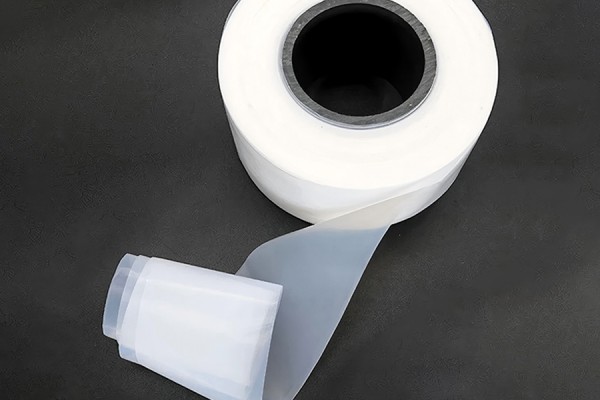
PTFE wrapping tape exhibits impressive thermal stability, making it a suitable choice for high-frequency applications. Its ability to maintain consistent performance across a wide temperature range ensures that it operates effectively even in extreme conditions. This stability helps prevent performance degradation that can result from thermal cycling, which is critical in environments where electronic devices generate significant heat. Furthermore, the material’s low thermal conductivity minimizes heat buildup and promotes efficient heat dissipation. As a result, PTFE wrapping tape contributes to the longevity and reliability of high-speed transmission lines by reducing the risk of thermal-related failures. Its resilience to temperature variations allows for sustained signal integrity in demanding applications, ultimately enhancing the overall performance of communication systems. This ensures that electronic devices can function optimally without interruption, even under fluctuating thermal conditions.
Reducing signal attenuation in Transmission Lines
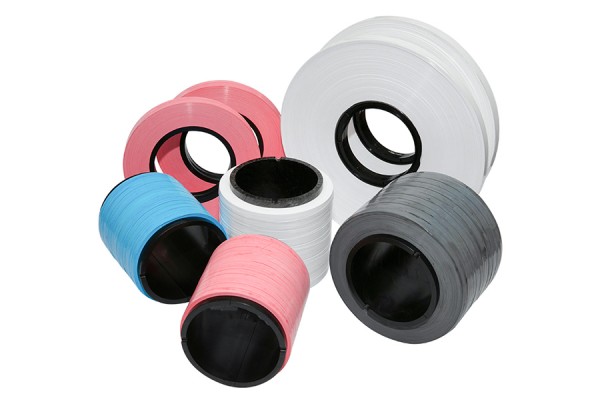
PTFE wrapping tape plays a significant role in minimizing signal attenuation within high-speed transmission lines. Its unique low dielectric loss properties ensure that signals can travel with minimal reduction in strength, which is critical for maintaining signal clarity over long distances. The porous structure of PTFE allows for efficient signal propagation and helps mitigate the interference that often leads to attenuation. Additionally, the exceptional electrical insulation provided by PTFE wrapping tape protects against leakage currents, further preserving the integrity of the transmitted data. Moreover, its ability to maintain performance in various environmental conditions reinforces its importance in high-frequency applications. The combination of these characteristics makes PTFE wrapping tape an essential component for engineers aiming to enhance signal transmission quality and reliability in advanced communication systems.
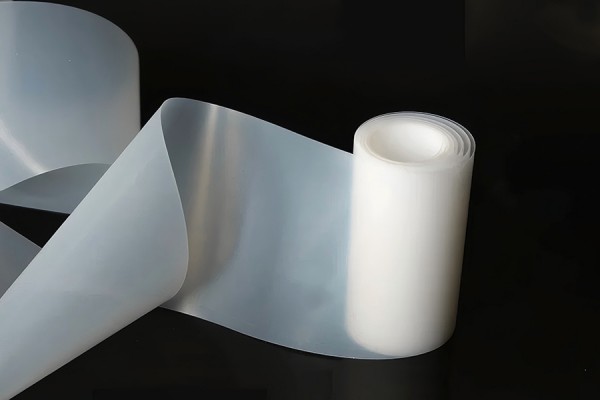
PTFE Tape Compared with Traditional Insulation Materials
PTFE wrapping tape offers advantages over traditional insulation materials such as PVC, rubber, and polyethylene. Its low dielectric loss enhances signal integrity, making it especially effective in high-frequency applications. Unlike PVC, which tends to have a higher dielectric constant leading to increased signal attenuation, PTFE maintains a dielectric constant similar to air. This quality results in reduced signal delay and improved overall transmission quality.
Additionally, PTFE demonstrates superior electrical insulation properties. Traditional materials may struggle under extreme conditions, but PTFE remains stable across a wide temperature range while resisting moisture and chemical exposure. This durability ensures reliable performance in demanding environments where other materials might fail.
Furthermore, PTFE’s chemical inertness differentiates it from materials like rubber that can degrade over time when exposed to certain chemicals. The longevity and resilience of PTFE wrapping tape make it a preferred choice for advanced communication systems that require consistent performance and minimal maintenance. These advantages position PTFE as an essential component for modern high-speed transmission lines, highlighting its potential to outperform conventional insulation options significantly.
Applications in Advanced High-Speed Communication Systems
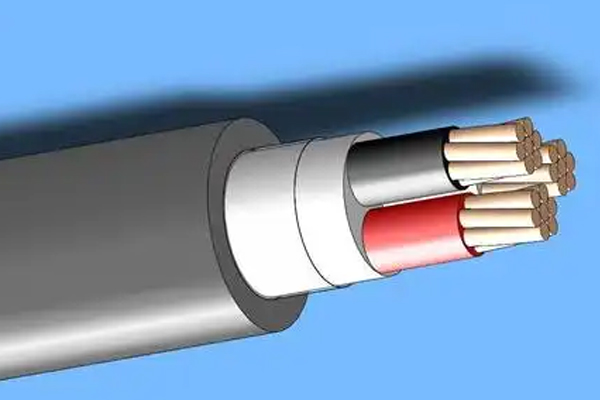
PTFE wrapping tape finds extensive application in advanced high-speed communication systems due to its unique properties. For instance, it effectively supports the construction of RF coaxial cables, which are pivotal in connecting various communication devices. The low dielectric loss associated with PTFE ensures that signals remain clear and robust, even over long distances. Additionally, its superior electrical insulation capabilities protect sensitive components from interference and short circuits, which is crucial in densely packed electronic environments. In microwave communication systems, PTFE wrapping tape contributes to maintaining signal quality by minimizing attenuation and ensuring thermal stability under varying operational conditions. The chemical inertness of this material further enhances its utility in environments exposed to potential corrosive elements. Therefore, using PTFE wrapping tape is essential for optimizing performance in today’s demanding high-frequency applications.
Conclusion
the use of high-speed transmission line PTFE wrapping tape is a critical factor in enhancing data transmission quality across various applications. Its low dielectric loss, reliable electrical insulation, and exceptional thermal stability collectively contribute to maintaining signal integrity in high-frequency environments. The attributes of PTFE wrapping tape not only prevent signal degradation and attenuation but also ensure the safety and functionality of complex electrical systems. As communication technology continues to advance, the demand for materials capable of supporting faster data rates and greater reliability will only increase. PTFE tape stands out as a prime solution, effectively meeting these challenges while offering durability against environmental factors. This positioning underscores its vital role in the ongoing development of advanced high-speed communication systems, ultimately driving improvements in performance and efficiency across industries. The advantages provided by PTFE wrapping tape reinforce its place as a preferred choice for engineers focused on optimizing high-speed data transmission solutions.
FAQs
What is PTFE wrapping tape?
PTFE wrapping tape is a specialized insulation material used in high-speed transmission lines to enhance data transmission quality.
How does PTFE wrapping tape improve signal integrity?
It reduces dielectric loss, allowing high-frequency signals to maintain clarity and strength during transmission.
What are the thermal stability benefits of PTFE wrapping tape?
PTFE wrapping tape maintains consistent performance across a wide temperature range, ensuring reliability in extreme conditions.
In what applications is PTFE wrapping tape commonly used?
This tape is widely used in advanced communication systems, RF coaxial cables, and microwave communication applications.
What advantages does PTFE have over traditional insulation materials?
PTFE provides superior electrical insulation, lower dielectric loss, and greater durability against moisture and chemicals compared to traditional materials like PVC and rubber.