Key takeaways
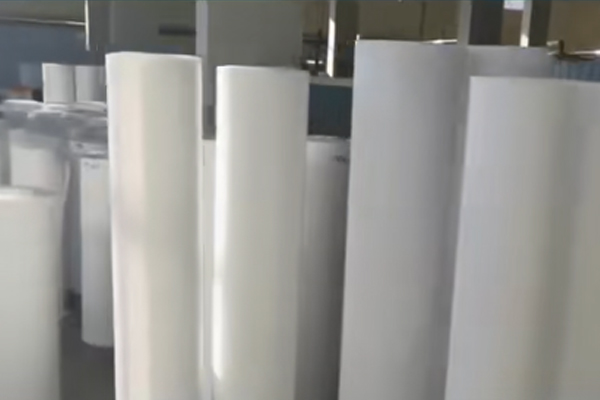
ePTFE membranes play a vital role in enhancing filtration and protection systems across multiple industries due to their unique properties. Their impressive chemical resistance and lightweight design contribute to operational efficiency, enabling effective separation of particulates without sacrificing flow rates. This efficiency is critical in sectors like pharmaceuticals and food processing, where maintaining product purity is essential. Furthermore, the moisture management capabilities of ePTFE membranes allow for breathability while simultaneously providing protection from liquids, enhancing user comfort in protective applications. As technological advancements continue to evolve, the versatility of ePTFE is likely to expand, fostering innovation in filtration processes and protective gear. The ongoing development of sustainable manufacturing practices also aligns with the growing demand for eco-friendly solutions that minimize environmental impacts, ensuring that ePTFE membranes remain at the forefront of effective filtration and protection strategies. Overall, ePTFE technology represents a continued commitment to improving performance standards while addressing environmental concerns in various applications.
The unique properties of ePTFE Membranes
ePTFE membranes possess distinctive characteristics that set them apart from traditional materials. These membranes are known for their superior chemical resistance, allowing them to maintain integrity even when exposed to aggressive substances. Their lightweight nature enhances ease of handling and application across various industries. Notably, the microporous structure of ePTFE enables efficient filtration while simultaneously providing breathability, making it suitable for both protective and performance-enhancing applications.
Additionally, ePTFE membranes are highly hydrophobic, preventing water penetration while allowing vapor transmission. This property is critical in processes requiring moisture control without sacrificing airflow. The compatibility of ePTFE with a wide range of chemicals makes it an invaluable choice in environments where exposure to harsh conditions is common.
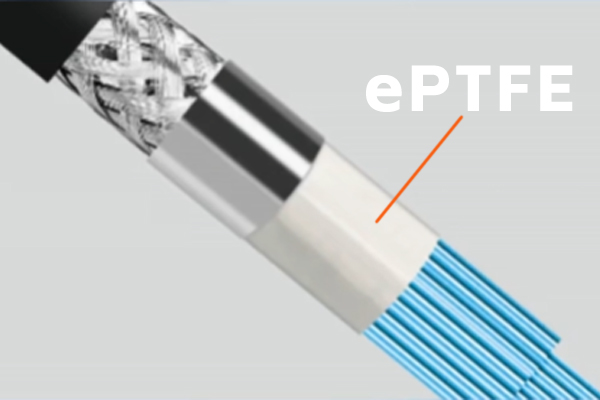
ePTFE’s versatility extends to various products, including high-speed transmission line PTFE wrapping tape, PTFE wrapping film, PTFE Thread Seal Tape, and PTFE cable wrapping tape. Such applications illustrate the membrane’s role in enhancing the durability and functionality of products designed for high-performance environments. With its unique attributes, ePTFE continues to play a significant role in advancing filtration and protection solutions across multiple sectors.
Applications of ePTFE in Filtration
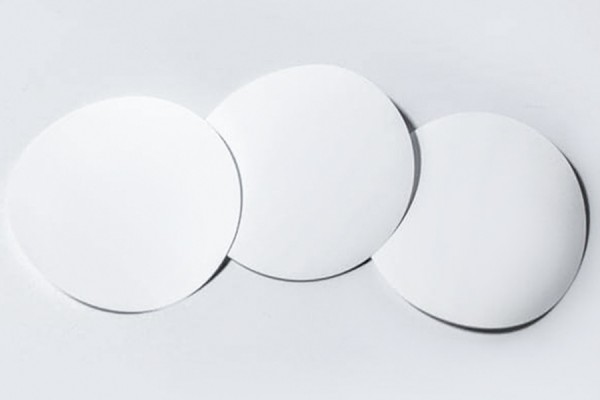
ePTFE membranes are widely utilized in various filtration applications due to their unique properties. These membranes provide excellent chemical resistance, making them suitable for filtering aggressive solvents and gases. In the pharmaceutical industry, ePTFE membranes are crucial for sterilizing air and liquids, ensuring that products remain uncontaminated. Additionally, they are employed in water treatment systems, where their high porosity allows for effective removal of particulates while maintaining flow rates. The aerospace sector also benefits from ePTFE membranes, as these materials enhance fuel filtration processes, ensuring optimal engine performance. Moreover, in industrial settings, these membranes serve critical roles in air and gas filtration systems by capturing fine particles and pollutants. The versatility of ePTFE makes it an exceptional choice for applications requiring reliable filtration solutions across diverse environments and industries.
Enhancing performance with ePTFE
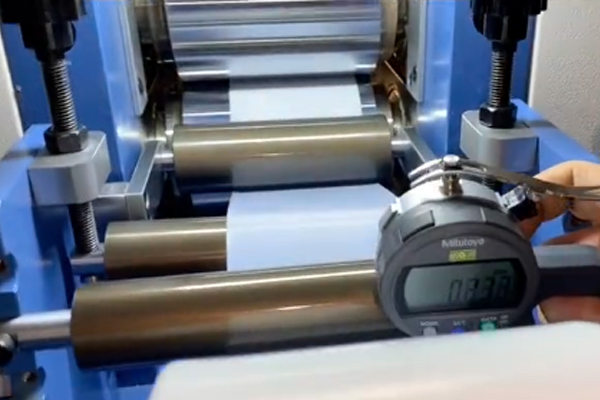
ePTFE membranes significantly improve filtration efficiency across various applications. Their unique porous structure allows for effective air, gas, and liquid separation, which enhances performance in environments requiring high precision and reliability. These membranes provide excellent chemical resistance and temperature stability, making them suitable for demanding industrial processes. By facilitating optimal flow rates while maintaining particulate retention, ePTFE membranes ensure system integrity and operational efficiency. Additionally, their lightweight nature contributes to easier installation and handling compared to heavier filtration materials. In industries such as pharmaceuticals and food production, the enhanced performance of ePTFE membranes is vital for meeting strict regulatory standards while minimizing operational downtime. As technological advancements continue to evolve, the implementation of ePTFE in diverse settings is anticipated to expand, further solidifying its role in optimizing filtration processes.
ePTFE Membranes in Industrial Use
ePTFE membranes are extensively utilized across various industrial sectors due to their exceptional properties. These membranes offer significant chemical resistance, allowing for effective filtration and separation in harsh environments. Industries such as pharmaceuticals, food processing, and chemicals rely on ePTFE membranes to maintain product purity and achieve high levels of contamination control. The breathable yet waterproof nature of these membranes makes them ideal for applications requiring both filtration and protection against liquid penetration. Furthermore, ePTFE membranes are lightweight, which contributes to reducing the overall weight of industrial equipment while maintaining performance standards. This characteristic is particularly beneficial in sectors like aerospace, where weight optimization is crucial. As industries continue to evolve, the demand for efficient and reliable filtration solutions underscores the importance of ePTFE membranes in enhancing operational efficiency and safety across diverse applications. Their durability ensures long-lasting performance, further solidifying their role as a preferred choice for various industrial processes.
The benefits of ePTFE for Protection Solutions
ePTFE membranes offer significant advantages in protection solutions across various applications. Their unique structure provides a high level of chemical resistance, making them suitable for environments where exposure to harsh substances is common. Additionally, the membranes are lightweight yet robust, which allows for flexibility without compromising strength. This balance of characteristics enables manufacturers to create protective gear and equipment that remains functional under stress while offering comfort.
Moreover, ePTFE membranes are highly breathable, ensuring that moisture and heat can escape while still providing a barrier against contaminants. This permeability is crucial in applications like personal protective equipment (PPE), where user comfort can directly affect performance and safety. By integrating ePTFE into protective solutions, industries can enhance user experience without sacrificing protection.
"The incorporation of ePTFE technology can transform ordinary protective measures into advanced solutions that effectively shield users from environmental hazards."
Thus, the benefits of ePTFE in protection solutions highlight its role in enhancing both safety and efficiency across various sectors.
Comparative analysis of Filtration Materials
When comparing filtration materials, ePTFE membranes emerge as a key player due to their distinctive properties and performance capabilities. Unlike traditional materials, ePTFE membranes exhibit a unique combination of high permeability and selectivity, enabling them to efficiently separate particles while allowing gases to pass through effortlessly. This makes them suitable for various applications, including air and liquid filtration systems.
In contrast, other common filtration materials often struggle to maintain efficiency when faced with a diverse range of contaminants. For instance, while fibers such as polypropylene or polyester are widely used, they may not offer the same level of chemical resistance or temperature tolerance as ePTFE. Moreover, ePTFE membranes tend to have longer service lives due to their inherent durability and resistance to clogging.
The choice of filtration material often depends on the specific application and environmental conditions. Each material presents trade-offs related to cost, efficiency, and suitability for the intended use. Therefore, understanding these differences becomes crucial in selecting the appropriate filtration solution for enhanced performance across industries.
Future trends in ePTFE Technology
The ongoing development of ePTFE technology promises to transform the filtration and protection sectors significantly. Innovations are focused on enhancing the durability and performance characteristics of ePTFE membranes, making them suitable for increasingly demanding applications. Researchers are exploring composite materials that combine ePTFE with other fibers to create stronger, more efficient membranes. Simultaneously, advancements in manufacturing techniques aim to reduce costs while maintaining high quality.
Sustainability also stands at the forefront, with efforts to develop eco-friendly production methods and recyclable materials. This shift reflects a growing awareness of environmental impacts across industries that rely on filtration solutions. Moreover, customization options are expanding, allowing users to select specific properties tailored to their requirements. This flexibility is expected to lead to wider adoption across various sectors, including healthcare, food processing, and environmental management. The evolution of ePTFE technology will likely drive increased efficiency and effectiveness in filtration systems globally.
ePTFE Membranes and Environmental Impact
ePTFE membranes offer significant environmental advantages due to their longevity and efficiency in various applications. Their durable nature reduces the need for frequent replacements, which minimizes waste over time. Additionally, ePTFE’s inert properties mean that it does not leach harmful substances into the environment, ensuring that water and air filtration applications remain safe. The production processes of ePTFE membranes have also evolved, with manufacturers increasingly adopting eco-friendly practices to reduce energy consumption and emissions. Furthermore, these membranes contribute to energy efficiency in systems where they are utilized, promoting sustainable practices across industries. In terms of recycling, while ePTFE is technically challenging to recycle due to its unique chemical structure, developments in materials science are ongoing to explore viable recycling solutions that can further lessen environmental footprints. Overall, the implementation of ePTFE membranes reflects a commitment not only to performance but also to environmental stewardship.
Conclusion
the application of ePTFE membranes represents a significant advancement in filtration and protection technologies. Their unique properties, such as chemical resistance, lightweight design, and breathability, make them invaluable across numerous industries. The versatility of ePTFE allows for its use in various settings, from pharmaceutical manufacturing to environmental management, enhancing both performance and safety. As the demand for reliable filtration solutions grows, the adoption of ePTFE membranes is likely to expand, driven by ongoing innovations and a focus on sustainability. The role of these membranes in reducing environmental impact through durability and efficiency cannot be overstated. Overall, ePTFE technology stands poised to transform filtration practices while promoting environmental stewardship across multiple sectors.
FAQs
What are ePTFE membranes?
ePTFE membranes are specialized filtration materials made from expanded polytetrafluoroethylene, known for their unique properties such as chemical resistance and breathability.
How do ePTFE membranes enhance filtration efficiency?
These membranes improve filtration efficiency by allowing effective separation of particles while maintaining optimal flow rates, making them suitable for various applications.
What industries commonly use ePTFE membranes?
ePTFE membranes are widely used in industries such as pharmaceuticals, food processing, aerospace, and environmental management due to their versatility and reliability.
Are ePTFE membranes environmentally friendly?
Yes, ePTFE membranes have a long lifespan, reducing waste. Their inert properties ensure they do not leach harmful substances, contributing to safer filtration processes.
Can ePTFE membranes be recycled?
While recycling ePTFE is challenging due to its unique chemical structure, research is ongoing to develop feasible recycling methods to lessen environmental impact.