Key takeaways
PTFE raw material tape offers significant benefits in industrial applications, characterized by its durability and versatility. It effectively addresses challenges associated with sealing and insulating in harsh environments, ensuring operational reliability. The tape’s low friction properties contribute to enhanced machinery performance, reducing wear and maintenance frequency. Its exceptional chemical resistance prevents degradation when exposed to aggressive substances, thereby safeguarding equipment integrity. Furthermore, PTFE tape’s insulating characteristics ensure the safe and efficient operation of electrical systems by minimizing the risk of short circuits. When selecting PTFE tape, it is essential to consider specific project requirements such as temperature limits and thickness to optimize performance. By incorporating PTFE raw material tape, industries can achieve greater safety and efficiency while extending the life of critical components in various settings.
Key advantages of PTFE Tape
PTFE tape is recognized for its numerous advantages in industrial applications. Its excellent chemical resistance ensures it can withstand harsh environments, making it ideal for sealing and insulating tasks across various sectors. The tape’s low friction coefficient enhances the performance of moving parts, enabling smoother operation in machinery. Additionally, the versatility of PTFE wrapping film allows for effective wrapping of cables, providing superior protection against abrasion and moisture. Moreover, PTFE Thread Seal Tape is vital for preventing leaks in plumbing and gas connections, ensuring safety and efficiency. Utilizing PTFE cable wrapping tape contributes to improved durability and longevity when used in high-speed transmission line applications. It is especially beneficial in high-speed and high-frequency cable wrapping film scenarios where performance consistency is essential. In essence, the wide range of PTFE products, from DAC high-speed cable wrapping film to AEC high-speed cable wrapping film, showcases their integral role in enhancing operational reliability in complex industrial settings.
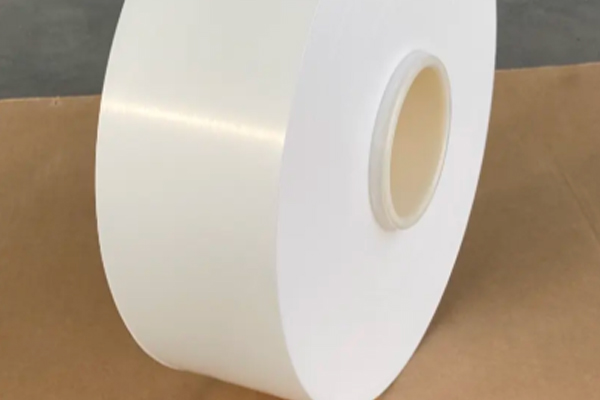
Applications of PTFE Tape
PTFE raw material tape is widely recognized for its versatility in various industrial applications. It is commonly used in plumbing, where it serves as a sealant for threaded joints, preventing leaks and ensuring a tight fit. In the automotive industry, PTFE tape is utilized for sealing fuel and oil lines due to its chemical resistance. Additionally, it finds applications in the aerospace sector, where it is essential for insulating electrical connections and other sensitive components. Its low friction properties make PTFE tape ideal for use in conveyor systems, reducing wear and extending the lifespan of moving parts. Moreover, manufacturers frequently apply this tape in chemical processing to protect equipment from aggressive substances. The adaptability of PTFE tape allows it to perform well across diverse environments, making it an important material choice in many industrial settings.
Chemical resistance of PTFE Tape
PTFE tape is renowned for its excellent chemical resistance, making it an essential material in industrial environments. It effectively withstands exposure to a wide range of chemicals, including acids, bases, and solvents. This durability allows PTFE tape to maintain its integrity and performance where other materials may degrade or fail. Industries that handle aggressive substances benefit significantly from using PTFE tape for sealing joints and connections, as it prevents leaks and ensures operational safety. Additionally, its non-reactive nature means that it does not interact with the chemicals it contacts, ensuring purity in processes sensitive to contamination. The combination of chemical resistance and versatility makes PTFE tape a preferred choice in applications such as plumbing, gas lines, and hydraulic systems. This robust material not only enhances reliability but also contributes to the longevity of the equipment it protects. Overall, the chemical stability of PTFE tape plays a crucial role in its application across various sectors.
Sealing solutions with PTFE Tape
PTFE raw material tape is recognized for its exceptional sealing capabilities in various industrial applications. Its low friction properties ensure that it can easily be applied to complex surfaces, creating a tight seal that effectively prevents leaks. This tape is particularly useful in systems dealing with corrosive substances, as it maintains effectiveness even under extreme conditions. When used in conjunction with other sealing materials, PTFE tape enhances the overall integrity of the seal, ensuring long-lasting performance. Additionally, its conformability allows the tape to fill in gaps and imperfections between surfaces, further improving sealing efficiency. Industries that rely on precise and secure seals benefit significantly from incorporating PTFE tape into their processes, as it contributes to the reliability and safety of equipment and machinery. Its versatility in sealing applications makes it a preferred choice among engineers and technicians alike.
Insulation properties of PTFE Tape
PTFE tape is widely recognized for its excellent insulation properties, making it an ideal choice for a variety of industrial applications. Its low thermal conductivity ensures that it effectively minimizes heat transfer, which is essential in maintaining temperature stability in critical environments. Additionally, PTFE tape’s high resistance to electrical conductivity enhances its role as an insulator in electrical applications. It prevents leakage currents and minimizes the risk of short circuits, thereby safeguarding equipment and maintaining operational efficiency. The chemical inertness of PTFE further contributes to its insulation effectiveness, providing stability against harsh chemicals and environmental factors. This robustness ensures that PTFE tape retains its insulating properties over time, making it a reliable solution for industries requiring durability and performance under challenging conditions. By integrating PTFE tape into insulation applications, users can enhance safety and reliability across various processes, reflecting the material’s versatility and effectiveness in meeting industrial demands.
Choosing the Right PTFE Tape
Selecting the appropriate PTFE tape requires consideration of several factors to ensure optimal performance in various applications. First, identify the tape width and thickness that suits your project needs; wider tapes may provide better coverage, while thinner varieties can fit in tighter spaces. Next, it is essential to consider the specific temperature and pressure ratings of the tape, as different formulations can withstand varying levels of stress and heat. Additionally, evaluate any special features, such as enhanced chemical resistance or electrical insulation capabilities, depending on the operational environment. Moreover, consulting product specifications and manufacturer recommendations can provide valuable insights into which tape will meet your requirements effectively. Ultimately, making an informed choice will enhance performance and longevity in sealing and insulating tasks across industrial settings.
PTFE Tape in Industrial Use
PTFE raw material tape is extensively utilized across various industrial sectors due to its exceptional properties. This tape serves crucial roles in applications involving friction reduction and surface protection, making it a preferred choice for manufacturers. Its low friction coefficient enhances the performance of moving parts, minimizing wear and extending equipment lifespan. In addition to mechanical benefits, PTFE tape is invaluable in chemical processing settings, where it withstands aggressive solvents and corrosive substances without degrading. This resilience allows for safe and effective sealing in pipework, gaskets, and fittings. Moreover, its insulating properties make it suitable for electrical applications, where it provides reliable insulation and reduces energy loss. The versatility of PTFE tape enables its use in diverse environments, from automotive production to food processing facilities. As industries continue to seek efficient materials for their operations, PTFE tape remains a fundamental component in achieving operational reliability and safety.
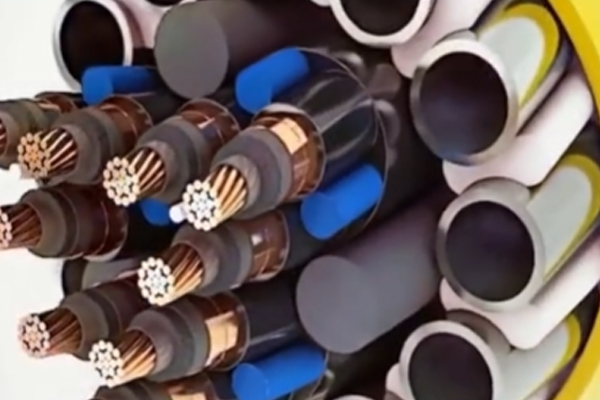
Enhancing performance with PTFE Tape
PTFE raw material tape significantly improves performance in various industrial applications. Its low friction properties facilitate smoother movements in machinery and equipment, reducing wear and tear over time. The tape’s resistance to temperature extremes ensures that it maintains its integrity and functionality, even in challenging environments. This quality makes it ideal for high-temperature operations, where other materials might fail. Furthermore, the excellent chemical resistance of PTFE tape allows it to withstand harsh solvents and corrosive substances without degrading, thereby extending the lifespan of components it is used with. Industries also benefit from its insulating capabilities, which prevent electrical leakage and ensure safety while maintaining performance efficiency. By integrating PTFE tape into production processes, companies can achieve greater durability and reliability in their systems, leading to improved operational efficiency. The versatility of this tape makes it a valuable resource for enhancing overall performance across diverse settings while minimizing maintenance costs associated with equipment failures.
Conclusion
PTFE raw material tape plays a vital role in industrial applications due to its unique properties. Its chemical resistance, low friction, and insulating capabilities contribute to enhanced performance in various settings. The tape not only prevents leaks in plumbing and gas lines but also protects equipment against harsh chemicals in manufacturing environments. By choosing the right PTFE tape, users can ensure that their specific operational demands are met, improving reliability and safety across processes. Its adaptability allows it to be used effectively in diverse industries, from automotive to aerospace. The ongoing reliance on PTFE tape reflects its significance in achieving operational excellence while minimizing maintenance needs and reducing equipment failures. As industries evolve, the importance of using high-quality PTFE products becomes increasingly clear, demonstrating their essential role in modern industrial applications.
FAQs
What is PTFE raw material tape used for?
PTFE raw material tape is primarily used for sealing and insulating applications in industrial settings, particularly in plumbing, automotive, and aerospace industries.
How does PTFE tape enhance performance?
PTFE tape enhances performance by reducing friction between moving parts, minimizing wear, and extending the lifespan of equipment.
Is PTFE tape resistant to chemicals?
Yes, PTFE tape has excellent chemical resistance, allowing it to withstand exposure to various acids, bases, and solvents without degrading.
Can PTFE tape be used for electrical insulation?
Absolutely. PTFE tape provides effective electrical insulation due to its high resistance to electrical conductivity, helping to prevent leaks and short circuits.
What should I consider when choosing PTFE tape?
When selecting PTFE tape, consider factors such as width, thickness, temperature and pressure ratings, as well as any specific features needed for your application.
How long does PTFE tape last?
The longevity of PTFE tape depends on the conditions of use; however, its durability under harsh conditions often results in a long lifespan.
Is PTFE raw material tape suitable for high-temperature applications?
Yes, PTFE raw material tape is suitable for high-temperature applications due to its ability to maintain integrity in extreme thermal environments.
Can PTFE tape improve safety in industrial applications?
Yes, the sealing capabilities and chemical resistance of PTFE tape significantly enhance safety by preventing leaks in systems that handle hazardous materials.
What are the different types of PTFE tapes available?
Various types of PTFE tapes are available including standard thread seal tapes and specialized formulations with enhanced features like chemical resistance or strength.
How do I apply PTFE raw material tape effectively?
To apply PTFE raw material tape effectively, wrap it around the threads of pipes or fittings evenly without overlapping the edges for a tight seal.