Benefits of PTFE Cable Tape Wrapping
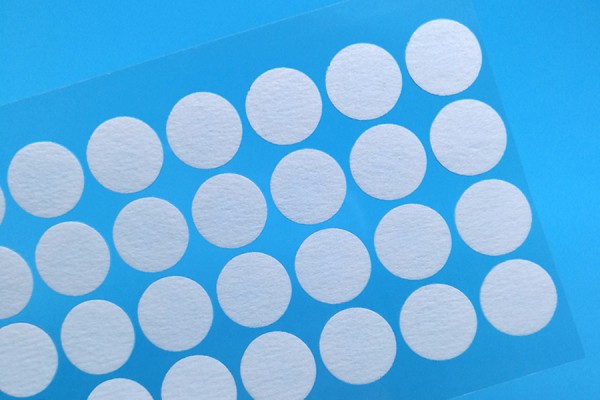
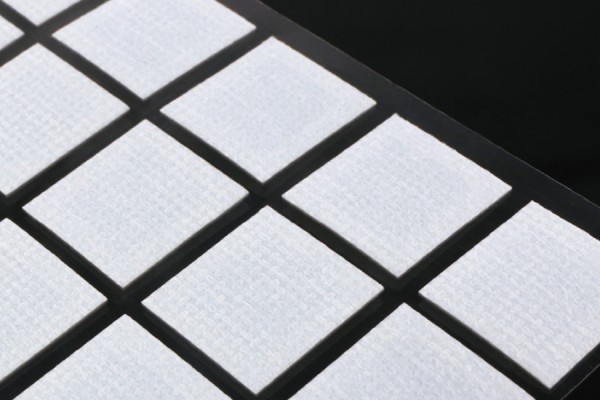
PTFE cable tape wrapping offers numerous benefits that enhance the performance and reliability of electrical systems. Its exceptional durability helps ensure long-lasting insulation, which is essential in high-demand applications. The use of PTFE wrapping film contributes to effective sealing and protection against environmental factors, preventing potential damage from moisture and contaminants. This material’s heat resistance allows it to function effectively in extreme temperature conditions, making it suitable for electrical systems that experience high thermal stress.
Moreover, PTFE cable wrapping tape provides crucial protection against electromagnetic interference, ensuring effective signal integrity in high-speed transmission like DAC high-speed cable wrapping film or AEC high-speed cable wrapping film applications. By utilizing PTFE Thread Seal Tape or high speed and high-frequency cable wrapping film, industries can achieve improved operational efficiency and performance. As technology advances, the robustness and versatility of PTFE materials play a key role in modern electrical insulation solutions across various sectors.
Durability of PTFE Insulation Solutions
The durability of PTFE insulation solutions is one of its most compelling features. This material exhibits a strong resistance to wear, ensuring long-lasting performance even in demanding conditions. Its ability to withstand various environmental factors, such as extreme temperatures and chemical exposure, enhances its reliability in multiple applications. PTFE maintains its integrity where other materials might fail, demonstrating resilience against abrasions and other physical stresses.
Moreover, PTFE’s low friction coefficient contributes to its durability by minimizing mechanical wear during operation. This quality is particularly beneficial in dynamic environments where cables may experience movement or flexing. The inherent chemical resistance of PTFE protects it from degradation caused by aggressive substances, making it ideal for industries like aerospace and telecommunications. By incorporating PTFE cable tape wrapping in their insulation solutions, manufacturers can ensure that their products retain functionality and consistency over extended periods. Ultimately, the durability of PTFE insulation reinforces its role as a preferred choice for reliable electrical insulation across diverse industrial applications.

Heat resistance in Electrical Applications
PTFE cable tape wrapping is designed to withstand extreme temperatures, making it essential in electrical applications where heat resistance is critical. This material maintains its integrity across a broad temperature range, from -150°C to 260°C. Such resilience allows it to perform effectively in environments prone to thermal fluctuations, ensuring consistent electrical insulation. The ability of PTFE to resist thermal degradation significantly extends the lifespan of electrical components, reducing the risk of failure in high-temperature scenarios. Additionally, its low thermal conductivity prevents heat buildup around sensitive wiring, further protecting electronic systems from potential damage. Industries that rely on high-temperature applications, such as aerospace and telecommunications, benefit from PTFE insulation solutions that support operational efficiency while maintaining safety standards. With ongoing advancements in technology and increased demand for reliable electrical systems, the role of PTFE tape wrapping as a heat-resistant solution is more important than ever.
Protection against electromagnetic interference
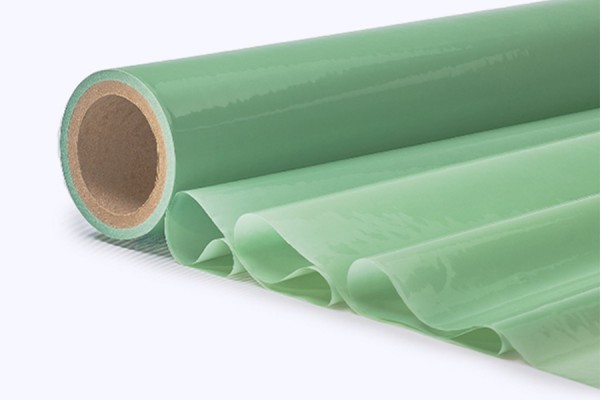
PTFE cable tape wrapping plays a vital role in safeguarding electrical components from electromagnetic interference (EMI). The structure of PTFE inherently provides excellent insulating properties, which help to block unwanted electromagnetic signals that can disrupt communication and data transmission. This quality is especially important in environments where devices are exposed to varying frequencies and intensities of electromagnetic fields. By utilizing PTFE tape, manufacturers can create robust barriers that prevent signal degradation and enhance the reliability of electronic systems. Industries such as telecommunications, aerospace, and military operations, where precision and performance are critical, particularly benefit from these insulation solutions. Additionally, the durability of PTFE ensures long-lasting protection against EMI, reducing the need for frequent replacements and maintenance. This resilience allows devices to operate efficiently while maintaining signal integrity, ultimately improving overall performance in various applications.
Applications of PTFE Cable Tape in Industry
PTFE cable tape wrapping has diverse applications across multiple industries due to its unique properties. In aerospace and military sectors, the film is essential for insulating RF coaxial and microwave communication cables, where reliable performance is critical. The ability of PTFE tape to withstand extreme temperatures ensures that it functions effectively in demanding environments. In the telecommunications industry, PTFE wrapping aids in the transmission of high-frequency signals, supporting innovations in 5G and 6G technology. Electrical equipment in automotive systems also benefits from PTFE tape’s durability and heat resistance, ensuring longevity and performance stability. Furthermore, its resistance to electromagnetic interference makes it a suitable choice for sensitive devices requiring precise signal integrity. Overall, PTFE cable tape plays a vital role in enhancing the reliability and efficiency of various systems across these key sectors.
Enhancing performance with PTFE Wrapping
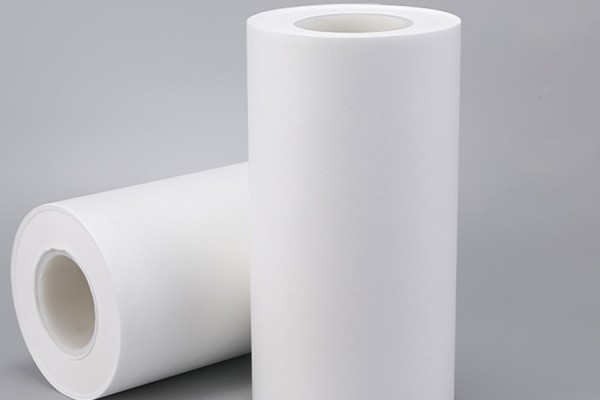
PTFE cable tape wrapping significantly improves the performance of various electrical systems. Its unique properties enhance signal integrity, making it essential for high-frequency applications such as telecommunications and data transmission. PTFE provides a low dielectric constant, which minimizes signal loss and ensures efficient communication, particularly in demanding environments like military or aerospace sectors. The ability of PTFE tape to withstand extreme temperatures also contributes to its performance, allowing it to operate reliably without degradation. Furthermore, the smooth surface of PTFE reduces friction, which helps in minimizing wear during installation and operation. This material’s excellent chemical resistance ensures that it protects underlying components from environmental factors that could compromise functionality. By effectively managing thermal and electromagnetic challenges, PTFE cable tape wrapping serves as an invaluable resource for optimizing system performance across various industries.
Understanding PTFE Material Properties
PTFE, or polytetrafluoroethylene, is known for its unique properties that significantly enhance its utility in electrical insulation. One of its most important characteristics is chemical resistance, which allows PTFE to withstand harsh environments without degrading. This resistance is crucial in applications where exposure to solvents and acids may be frequent. Additionally, PTFE possesses a high dielectric strength, which means it can effectively insulate against electrical currents without breakdown. This attribute makes it ideal for high-frequency applications.
The material’s temperature tolerance is another significant property; it remains stable over a broad temperature range from -150°C to 260°C, ensuring reliable performance in various conditions. Furthermore, the softness of PTFE contributes to its ease of application and ability to conform around cables and connectors, providing secure wrapping that enhances durability. The microporous structure of expanded PTFE adds to its versatility by allowing breathability while blocking contaminants, thus maintaining signal integrity in sensitive electronic devices. These material properties confirm PTFE’s crucial role in modern electrical insulation solutions across diverse industries.
Future trends in Electrical Insulation Solutions
The electrical insulation sector is experiencing significant advancements driven by the increasing needs for efficiency and reliability in various applications. Emerging materials, such as enhanced versions of PTFE cable tape wrapping, are set to play a vital role in this evolution. Industry experts are focusing on developing insulation solutions that not only improve thermal stability but also incorporate smart technologies to monitor performance in real time. Such integrations can lead to more responsive systems that proactively address potential issues before they become critical.
Additionally, sustainability is becoming a critical aspect of material development. Manufacturers are exploring bio-based alternatives that maintain the essential qualities of traditional PTFE while reducing environmental impact. The shift toward digitalization within manufacturing also fosters innovations in production techniques, making it easier to customize insulation products according to specific requirements. As research continues, the focus will likely pivot towards creating multifunctional materials that offer multiple benefits, such as resistance to high temperatures and electromagnetic interference, while maintaining lightweight properties crucial for modern electrical devices.
FAQs
What is PTFE cable tape wrapping?
PTFE cable tape wrapping is a type of insulation material made from polytetrafluoroethylene (PTFE), designed to protect electrical cables from heat, moisture, and electromagnetic interference.
What are the benefits of using PTFE cable tape?
The benefits include excellent durability, high heat resistance, and effective protection against electromagnetic interference, making it suitable for various applications in electrical insulation.
How does PTFE cable tape resist heat?
PTFE has a high melting point and remains stable at elevated temperatures, which allows it to maintain its insulating properties even in extreme conditions.
Can PTFE cable tape protect against electromagnetic interference?
Yes, PTFE cable tape provides effective shielding against electromagnetic interference, ensuring optimal performance of electrical systems and components.
In what industries is PTFE cable tape commonly used?
PTFE cable tape is commonly used in industries such as telecommunications, aerospace, automotive, and manufacturing where reliable insulation is crucial for electrical systems.