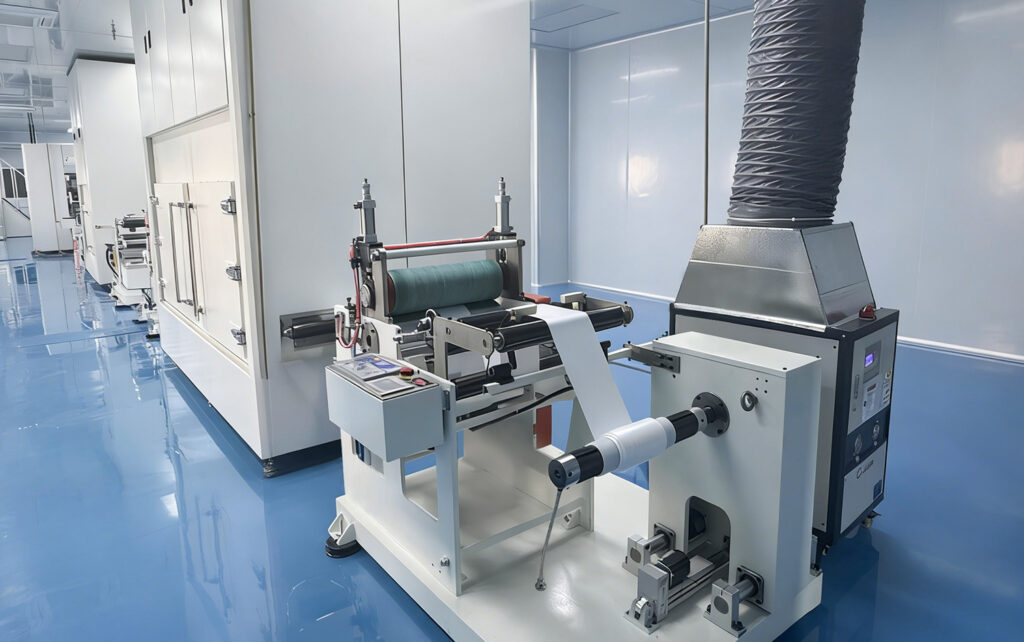
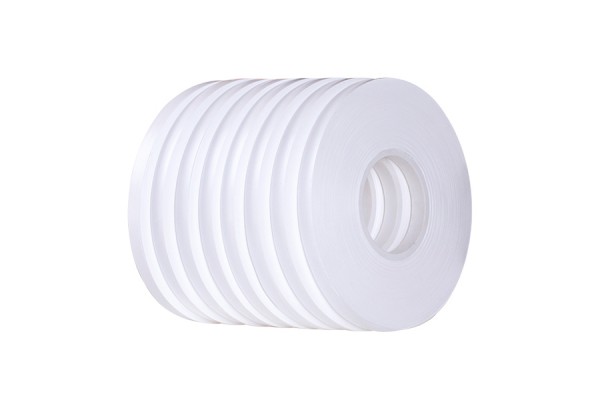
Advancements in PTFE membrane technologies are pushing the boundaries of performance in high-frequency applications. These innovations focus on enhancing insulation and improving signal transmission, which is critical in industries where data integrity is paramount. The unique properties of PTFE, including low dielectric loss and high thermal stability, make these membranes suitable for a variety of demanding environments. As applications evolve, so does the need for materials that can withstand fluctuations while maintaining efficiency. This ongoing development ensures that PTFE membranes remain vital components in next-generation communication systems and other high-performance technologies, aligning with the increasing demands for faster data rates and reliable operation.
Latest Innovations in PTFE Membrane for High-Frequency Applications
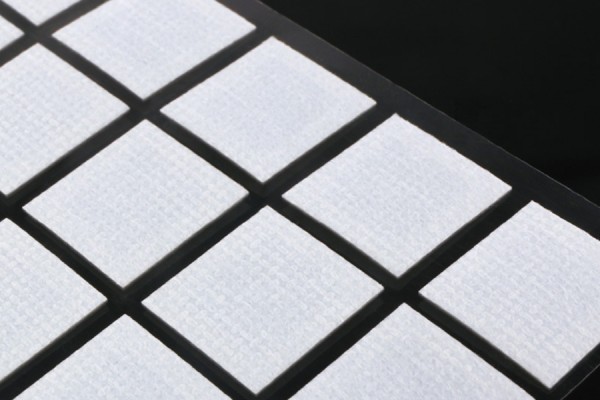
Recent advancements in PTFE membrane technologies have significantly enhanced performance in high-frequency applications. The introduction of high-speed transmission line PTFE wrapping tape showcases a robust solution for insulation, improving signal clarity and reducing losses. Products like PTFE wrapping film and PTFE cable wrapping tape are critical for ensuring reliable operation in high-speed circuits. Furthermore, innovations such as DAC, AEC, and AOC high-speed cable wrapping films provide tailored solutions that meet the demanding requirements of modern applications. These materials come with features designed to optimize thermal stability and dielectric performance, making them indispensable for industries focused on high-speed data transmission.
"Choosing the right PTFE cable roll coating can greatly impact overall system efficiency." As these technologies develop, their role in maintaining signal integrity in next-gen communication systems becomes more critical, ensuring that industries can leverage improved performance to meet future demands.
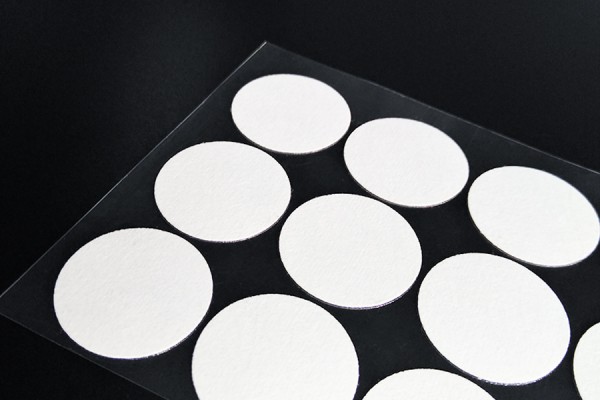
Enhancing Signal Transmission with Advanced PTFE Membrane Technologies
Advanced PTFE membrane technologies play a crucial role in enhancing signal transmission across high-frequency applications. The unique properties of PTFE, such as low dielectric loss and high thermal stability, contribute to improved signal integrity in various electronic components. These membranes are designed to withstand temperature fluctuations and environmental stresses, ensuring consistent performance even in demanding conditions. As a result, industries such as telecommunications and aerospace increasingly rely on advanced PTFE membranes for RF coaxial cables and data communication systems. Furthermore, the development of low-capacitance variants facilitates efficient signal transfer for next-generation semiconductor and AI server technologies. This optimization leads to reduced energy loss while supporting higher data rates, positioning advanced PTFE membranes as essential components in the evolution of modern high-frequency solutions.
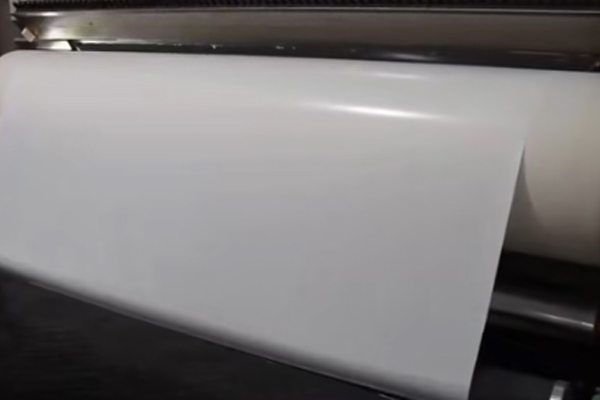
Revolutionary Developments in PTFE Membranes for Efficient Insulation
Recent advancements in PTFE membranes have significantly enhanced their efficiency in insulation applications. The introduction of materials like PTFE Thread Seal Tape showcases improved dielectric properties that are essential in high-frequency environments. Innovations such as PTFE cable roll coating also contribute to extending the performance of coaxial cables and data communications, providing reliable insulation that minimizes signal loss. Furthermore, AOC high-speed cable wrapping film has emerged as a game-changer, ensuring optimal performance while maintaining flexibility and durability. These developments are pivotal for industries that rely on precise signal transmission, underscoring the critical role of advanced PTFE membranes in achieving outstanding insulation standards.
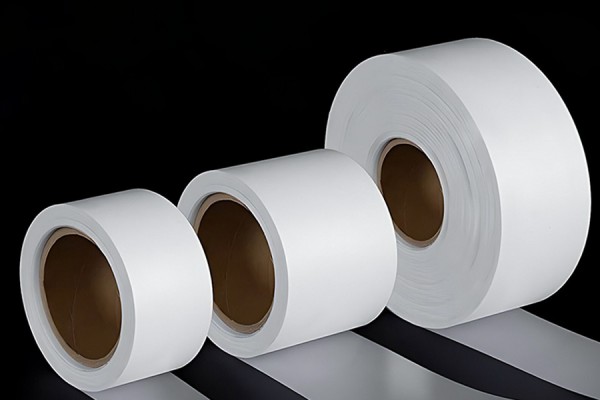
The Role of PTFE Membranes in Next-Gen High-Frequency Solutions
PTFE membranes play a pivotal role in advancing high-frequency solutions across various sectors. Specifically, the adoption of high-speed transmission line PTFE wrapping tape is crucial for enhancing insulation and signal integrity. These membranes, such as DAC high-speed cable wrapping film and AEC high-speed cable wrapping film, are designed to offer superior dielectric properties, enabling them to perform effectively even under demanding conditions. The unique fibrous micro-porous structure of these PTFE products enhances not only their performance but also their reliability in applications involving microwave communications and data transmission. As industries move towards more advanced technologies, these innovations in PTFE membranes contribute significantly to achieving high operational efficiency and reduced signal loss within next-gen devices.
| Product Type | Key Features | Applications |
|---|---|---|
| High-Speed Transmission Tape | Low dielectric loss, robust insulation | Microwave communications |
| DAC High-Speed Cable Film | Enhanced capacitance performance | Data transmission |
| AEC High-Speed Cable Film | Improved thermal stability | High-frequency circuits |
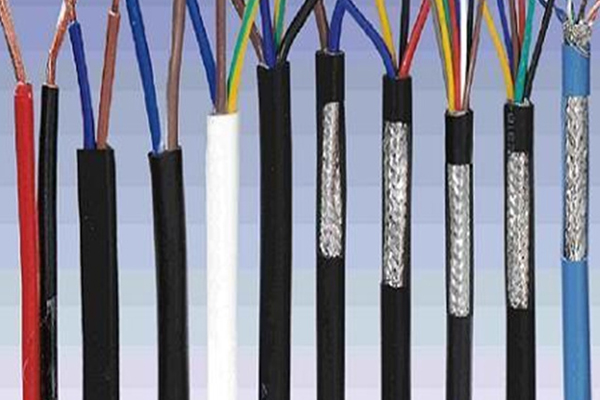
Optimizing Performance: The Impact of Modern PTFE Membrane Technologies
Modern PTFE membrane technologies are transforming the landscape of high-frequency applications by significantly enhancing the performance of insulation and signal transmission. Specifically, innovations in PTFE cable wrapping tape and high-speed, high-frequency cable wrapping film contribute to improved dielectric properties, which are crucial for applications in telecommunications and data centers. These advancements allow for better signal integrity, enabling faster data rates and reducing loss. As industries rely increasingly on high-performance materials, the ability of these membranes to withstand various environmental factors while maintaining stability at elevated temperatures is essential. Moreover, the development of tailored PTFE formulations allows for customization to meet specific application requirements, ensuring optimal performance while also supporting sustainability trends in material usage.
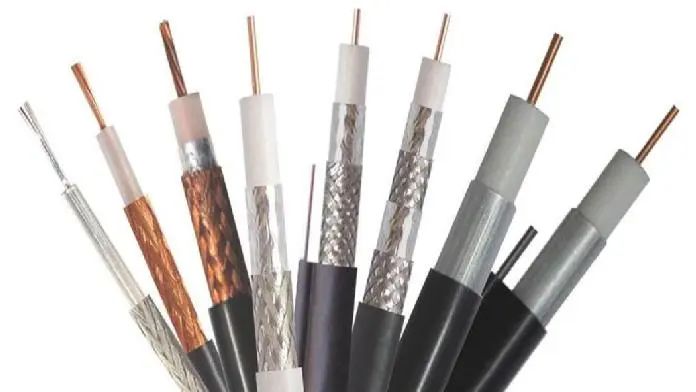
Advanced PTFE Membrane: A Game Changer in High-Frequency Applications
The integration of advanced PTFE membranes into high-frequency applications has significantly transformed performance benchmarks across various industries. These membranes exhibit exceptional dielectric properties, which are crucial for minimizing signal loss during transmission. By reducing capacitance and enhancing thermal stability, these membranes provide reliable insulation even in demanding environments. Additionally, their unique micro-porous structure aids in efficient heat dissipation, ensuring optimal functioning of high-speed circuits. As industries embrace the shift towards more sophisticated technologies like AI and 5G, the role of PTFE membranes becomes increasingly vital. Their ability to maintain signal integrity while withstanding extreme temperature variations positions them as essential components in next-generation communication systems and other high-performance applications. The ongoing development of these materials points to a future where efficiency and reliability are paramount, particularly in fields requiring stringent performance criteria.
Exploring the Efficiency Benefits of PTFE Membranes in Cutting-Edge Industries
PTFE membranes are pivotal in enhancing efficiency across various advanced industries. These membranes operate effectively in high-frequency environments, significantly reducing dielectric loss and improving insulation performance. Their unique fibrous micro-porous structure not only resists temperature fluctuations but also ensures stability under varying conditions, which is crucial for applications in telecommunications and data transmission. Furthermore, their low-capacitance characteristics make them ideal for AI server environments where signal clarity and speed are paramount. As a result, industries utilizing PTFE membranes can achieve higher performance levels while minimizing energy loss, thus supporting more sustainable operations. With innovations in these materials, companies can leverage enhanced efficiency to meet growing demands and remain competitive in an evolving market landscape.
The Future of High-Frequency Performance: Innovations in PTFE Membrane Technologies
Innovations in PTFE membrane technologies are setting new benchmarks for performance in high-frequency applications. These advancements focus on enhanced signal transmission, efficiency, and insulation properties. The introduction of advanced PTFE wrapping film, with its unique micro-porous structure, allows for lower capacitance and improved dielectric performance, making it increasingly suitable for high-speed data communication. This film shows great promise in industries that demand robust insulation and reliability, particularly for RF coaxial cables in microwave communications. As the market shifts towards more complex technologies such as AI servers and next-generation semiconductors, the role of these membranes is becoming crucial. Enhanced features like creep resistance and thermal stability help ensure that high-frequency systems operate effectively under varying conditions. With ongoing research and development, the potential for further optimization of PTFE membranes remains significant, paving the way for breakthroughs in high-frequency performance across various cutting-edge industries.
Conclusion
The ongoing advancements in PTFE membrane technologies are redefining the performance standards in high-frequency applications. These innovations enhance insulation and signal transmission, making PTFE materials indispensable across various sectors, including telecommunications and aerospace. The improved dielectric properties and thermal stability of modern PTFE membranes enable them to effectively address the challenges of demanding environments, thus supporting reliable operation in next-generation systems. As industries continue to evolve and seek higher efficiency levels, the role of advanced PTFE membranes will become even more significant in facilitating the seamless operation of high-speed circuits and communication systems. These developments underscore the potential for further enhancements that can lead to remarkable improvements in performance across cutting-edge applications.
FAQs
What are the key benefits of using PTFE membranes in high-frequency applications?
PTFE membranes offer low dielectric loss, enhanced thermal stability, and improved insulation, making them ideal for applications requiring reliable signal transmission.
How do PTFE membranes enhance signal clarity in communication systems?
Their unique micro-porous structure helps maintain signal integrity by minimizing capacitance, which is critical for efficient data transfer in high-speed environments.
What industries benefit the most from advancements in PTFE membrane technologies?
Industries such as telecommunications, aerospace, and data centers significantly benefit from these innovations due to their reliance on high-performance materials for efficient operation.
Can modern PTFE membranes operate effectively under varying environmental conditions?
Yes, modern PTFE membranes are designed to withstand temperature fluctuations and environmental stresses while maintaining stability and performance across different applications.
What recent developments have been made in PTFE membrane technologies?
Recent advancements include the introduction of specialized wrapping films and improved formulations that enhance dielectric properties, thereby optimizing efficiency for high-frequency applications.