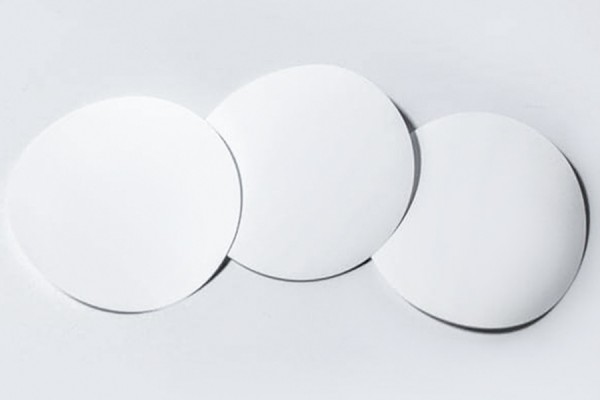
Teflon film is increasingly recognized for its diverse applications in industrial settings, significantly enhancing performance and efficiency. Its unique properties, such as outstanding chemical resistance and thermal stability, allow it to thrive in demanding environments. Industries benefit from Teflon’s non-stick characteristics, minimizing friction and wear in machinery, which leads to lower maintenance costs. As a reliable insulation material, it effectively protects components from external factors, while its role in 3D printing optimizes light exposure for improved print quality. Through the effective integration of Teflon film across various sectors, companies can achieve greater productivity and longevity in their operations.
Industrial Uses of Teflon Film: Elevating Performance Standards
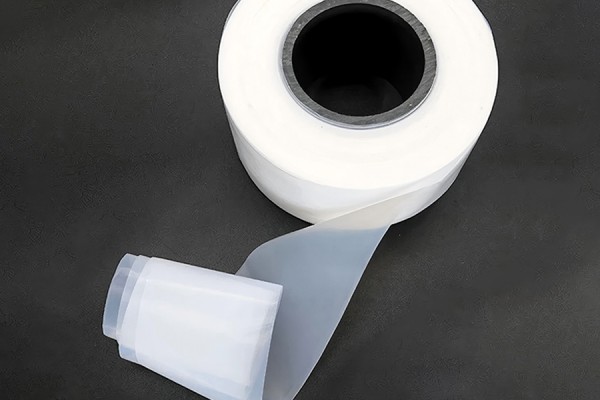
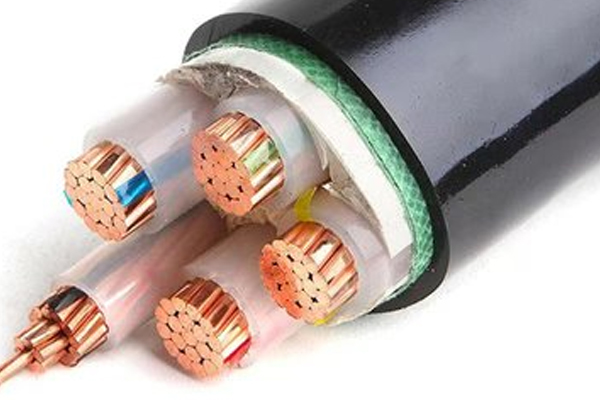
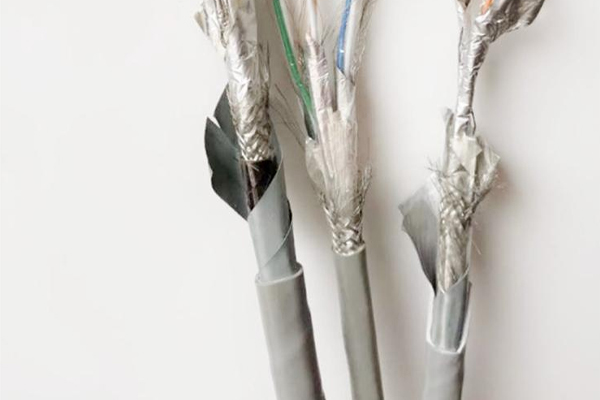
Teflon film has become a vital component across various industrial applications due to its unique properties. One notable use is in high-speed transmission lines, where high speed and high-frequency cable wrapping films provide the necessary insulation and stability. The durability of PTFE wrapping film is particularly advantageous for ensuring consistent performance under challenging conditions. Industries often turn to PTFE Thread Seal Tape for reliable sealing solutions, enhancing process efficiency significantly. For manufacturers focusing on cable production, PTFE cable wrapping tape and PTFE cable roll coating are essential for protecting cables and ensuring longevity.
"Selecting the right Teflon-based solution can make a substantial difference in production quality."
Companies also utilize DAC, AEC, and ACC high-speed cable wrapping films for specialized needs in applications requiring optical clarity and gas permeability, demonstrating the versatility of Teflon film. The chemical resistance that Teflon offers ensures these wraps withstand various industrial environments, making them essential for maintaining performance standards in manufacturing processes.
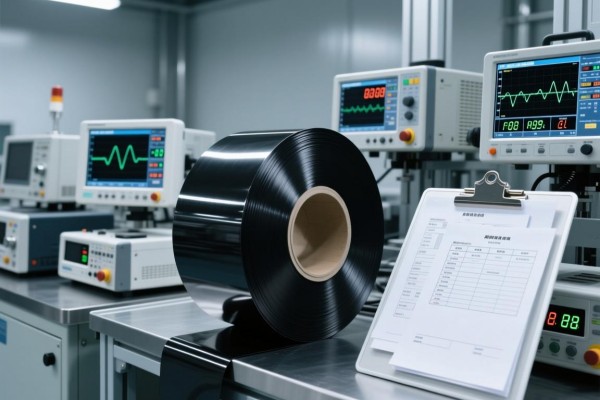
Teflon Film in Manufacturing: Enhancing Process Efficiency
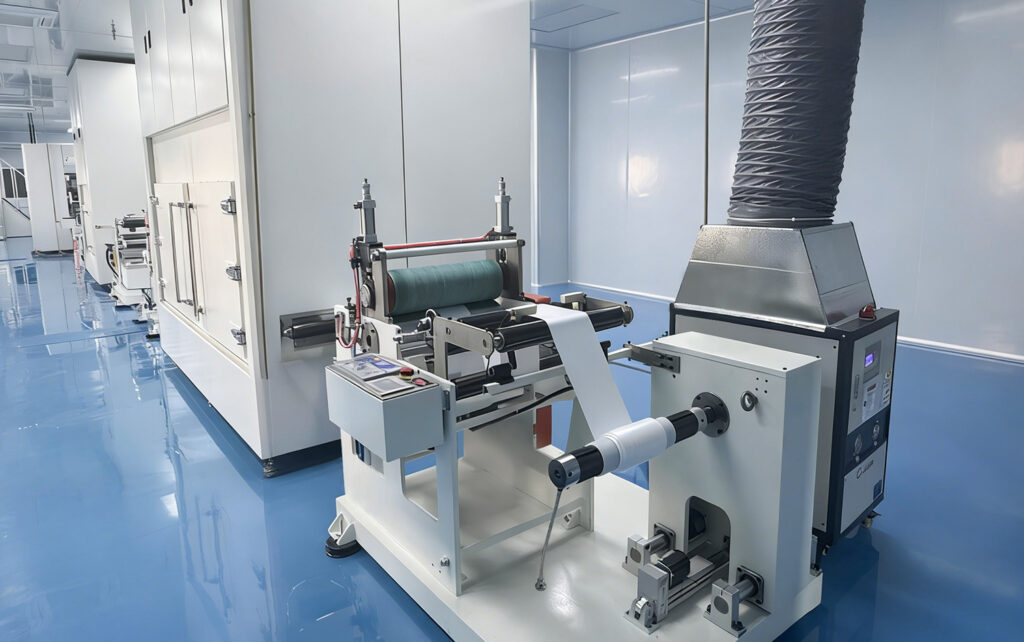
Teflon film plays a critical role in enhancing process efficiency in various manufacturing sectors. Its properties make it an ideal material for products like PTFE wrapping film and PTFE Thread Seal Tape, which are utilized to ensure tight seals and reduce friction during assembly. The application of PTFE cable wrapping tape provides excellent insulation for wires, ensuring durability and safety in high-speed applications. Additionally, high speed and high-frequency cable wrapping film significantly improves performance in electrical engineering, as it minimizes signal loss and maintains integrity under challenging conditions. By integrating Teflon solutions into manufacturing processes, companies can not only boost efficiency but also extend the lifespan of their equipment, ultimately leading to higher productivity and cost savings.
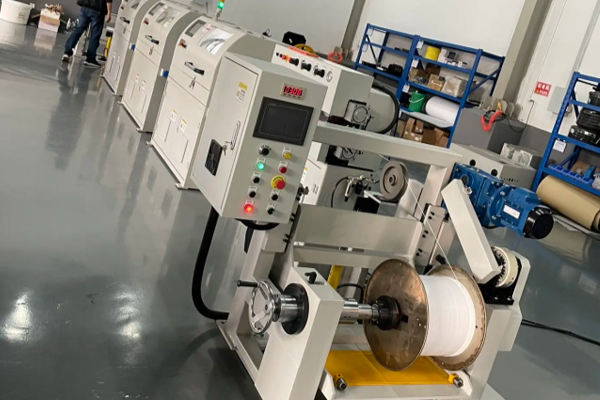
The Durability of Teflon Film: A Key to Industrial Resilience
Teflon film, known for its outstanding durability, plays a crucial role in various industrial applications. Its structural integrity allows it to withstand extreme temperatures and harsh chemicals, making it ideal for environments where resilience is paramount. This durability is particularly important in industries involved in cable production, where PTFE cable roll coating offers reliable protection against wear and tear. Additionally, the ACC high-speed cable wrapping film utilizes Teflon’s robust properties to ensure efficient operation under demanding conditions. As industries increasingly focus on performance and longevity, the ability of Teflon film to maintain its characteristics over time provides a competitive edge in manufacturing processes and 3D printing applications.
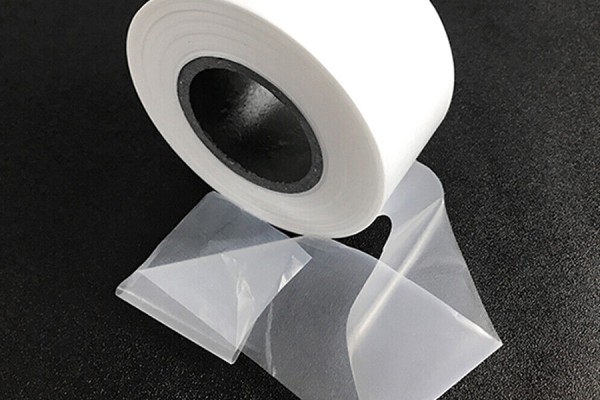
Exploring Teflon Film Applications in 3D Printing Technology
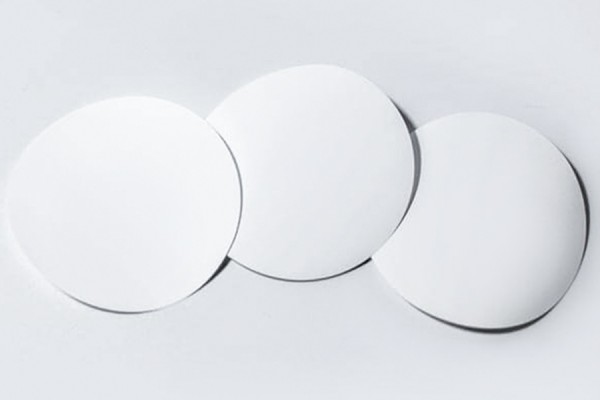
Teflon film plays a pivotal role in the realm of 3D printing technology by providing essential properties that enhance the overall printing process. Its optical clarity allows for precise visibility during operations, while its gas permeability is crucial for effective UV light exposure, particularly during additive manufacturing using the Continuous Liquid Interface Production (CLIP) technique. This film acts as a transparent window that not only optimizes light transmission but also maintains the integrity of the resin beneath. Moreover, Teflon film’s unique chemical resistance contributes to its durability, ensuring that it withstands various printing materials without degrading. As industries continue to explore advanced 3D printing applications, Teflon film stands out as a reliable solution that supports innovation and enhances print quality while ensuring operational efficiency.
Maximizing Output with Teflon Film in Industrial Settings
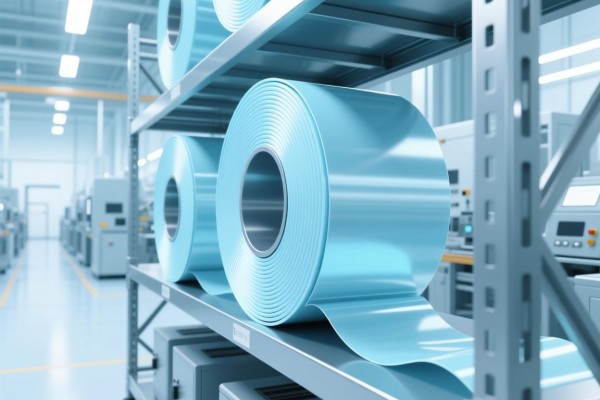
In industrial environments, Teflon film plays a crucial role in maximizing productivity across various processes. Its non-stick properties reduce friction, allowing for smoother operations in machinery and equipment. This results in less wear and tear, translating into lower maintenance costs and increased machine lifespan. Moreover, Teflon’s chemical resistance enables it to withstand harsh environments, ensuring stable performance without degradation.
A significant advantage of Teflon film is its ability to maintain clarity and high transparency, particularly beneficial in applications like additive manufacturing. Here’s how Teflon film is integrated into different industrial settings:
| Application Area | Benefits | Common Uses |
|---|---|---|
| Manufacturing | Reduces friction, enhances durability | Conveyor systems |
| 3D Printing | Optical clarity for UV exposure | CLIP process |
| Chemical Processing | Resists various chemicals | Liners and seals |
By incorporating Teflon film into these applications, companies can enhance efficiency and ultimately achieve higher production outputs. The strategic use of this material assists industries in meeting demanding operational standards while ensuring reliable performance under pressure.
Advantages of Teflon Film for Chemical Resistance and Stability
Teflon film provides unmatched chemical resistance, making it suitable for various industrial applications. Its ability to withstand harsh chemicals allows it to perform reliably in environments where other materials might fail. The thermal stability of Teflon also contributes to its durability, ensuring performance under high temperatures without degradation. This characteristic is particularly vital in manufacturing processes where heat and chemical exposure are prevalent. Additionally, Teflon’s low-friction properties offer advantages in applications requiring smooth movement, such as DAC high-speed cable wrapping films, improving efficiency. Overall, Teflon film stands out for its capability to maintain integrity and performance across a wide range of challenging conditions.
Innovative Solutions with Teflon Film Across Various Industries
Teflon film offers innovative solutions that meet the diverse demands of various industries. In the electrical sector, its insulation properties provide a reliable barrier against environmental factors, enhancing the longevity of components. The film’s chemical resistance is particularly beneficial in sectors like pharmaceuticals and food processing, where safety and hygiene are paramount. Additionally, its application in automotive manufacturing as a protective coating demonstrates Teflon’s versatility; it reduces friction and improves component efficacy. The film’s ability to withstand extreme temperatures makes it an excellent choice for applications involving high-performance machinery, ensuring operational stability. Overall, Teflon film stands as a crucial material that addresses specific needs across multiple sectors, promoting efficiency and reliability in industrial processes.
Conclusion
The versatility of Teflon film across multiple industries underscores its importance in modern manufacturing and process efficiency. From high-speed cable wrapping to its role in 3D printing, Teflon film continues to enhance operational performance while providing durability and stability. Its chemical resistance and low-friction properties ensure that it can withstand challenging environments, contributing to improved equipment longevity and reduced maintenance costs. Moreover, as industries evolve, the innovative applications of Teflon film will likely expand, solidifying its role as a key material in achieving enhanced productivity and performance standards. By effectively integrating Teflon solutions into various processes, companies can leverage its unique characteristics for significant operational advantages across diverse sectors.
FAQs
What is Teflon film used for in industrial applications?
Teflon film is widely used in industrial applications due to its remarkable properties, including chemical resistance and durability. It serves as insulation for cables, protective coatings for machinery, and components in manufacturing processes.
How does Teflon film enhance manufacturing efficiency?
Teflon film reduces friction and wear, allowing machinery to operate smoothly. This leads to lower maintenance costs and extended equipment lifespan, ultimately increasing overall productivity in manufacturing processes.
In what ways does Teflon film contribute to 3D printing?
In 3D printing, Teflon film ensures optimal light transmission and chemical resistance, which enhances the quality of prints. Its transparency is crucial during processes that require UV exposure, like the CLIP technique.
Why is the chemical resistance of Teflon film important?
The chemical resistance of Teflon film is vital as it allows the material to perform reliably in harsh environments. This feature is essential in industries like pharmaceuticals and food processing where safety standards must be upheld.
Can Teflon film withstand high temperatures?
Yes, Teflon film exhibits excellent thermal stability, enabling it to function effectively under high temperatures without degrading. This characteristic makes it suitable for demanding industrial applications where heat exposure is common.