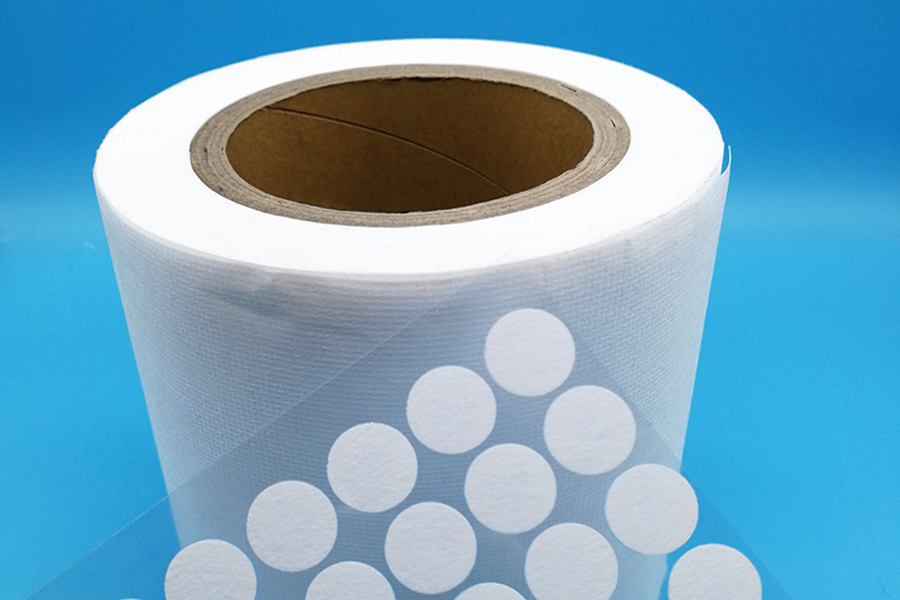
ePTFE membranes are increasingly recognized for their diverse applications across sectors like wire and cable, medical packaging, microfluidics, and PEM fuel cells. In the wire and cable industry, these membranes provide exceptional thermal stability and insulation properties, reducing fire hazards significantly. Their role in medical packaging extends to creating leak-proof seals that ensure the safe transport of sensitive materials. In microfluidics, ePTFE facilitates controlled gas flow under high pressures, thus preventing contamination during critical processes. Furthermore, PEM fuel cells benefit from ePTFE membranes due to their ability to separate compartments while resisting chemical interactions. Overall, the distinct properties of ePTFE significantly enhance safety and efficiency across various applications, establishing them as a vital component in modern technologies.
Innovative Applications of ePTFE Membranes in Wire and Cable Industries
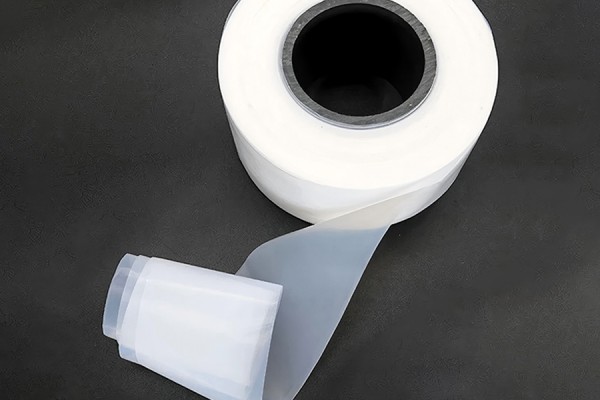
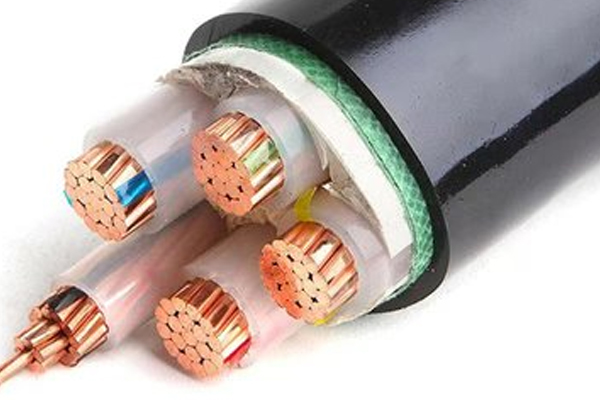
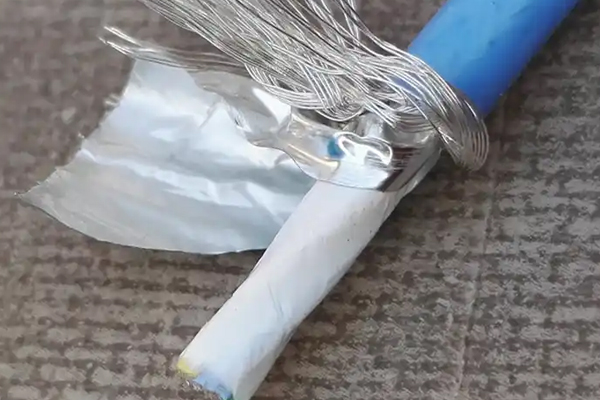
The wire and cable industry benefits significantly from the innovative use of ePTFE membranes. These membranes enhance the performance of various products, including high speed transmission line PTFE wrapping tape and PTFE wrapping film, which provide superior insulation and protection. Moreover, the application of PTFE Thread Seal Tape ensures the integrity of connections in critical environments. Enhanced versions like PTFE cable wrapping tape serve specific needs in high-frequency transmissions, while PTFE cable roll coating offers a robust solution for cable durability. Additionally, advancements such as DAC high-speed cable wrapping film and AEC high-speed cable wrapping film are meeting the increasing demands for efficiency and reliability in communications technology. These innovative materials allow for reduced signal loss and improved thermal stability, making them essential for modern high speed and high-frequency applications. The continuous evolution of ePTFE technology solidifies its position as a key player within this industry, enabling cables to perform optimally under various conditions while maintaining safety standards.
Enhancing Medical Packaging with ePTFE Membrane Technology
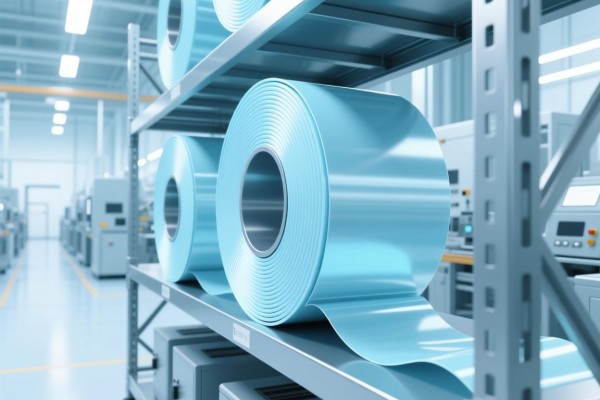
ePTFE membranes play a crucial role in medical packaging, offering enhanced protection for sensitive materials. The combination of ePTFE with PET results in leak-proof seals, which are essential for safely containing harsh chemicals such as peracetic acid during transit. This advanced packaging technology not only ensures safety but also maintains the integrity of the product inside. The inert nature of ePTFE contributes significantly to purification processes for low-temperature solutions, making it ideal for various medical applications. Moreover, the use of high-speed transmission line PTFE wrapping tape further increases the reliability of medical packaging systems. Similarly, PTFE wrapping film and ACC high-speed cable wrapping film provide additional layers of protection that help withstand extreme conditions while preventing contamination and facilitating efficient product transport.
The Role of ePTFE in Advancing Microfluidic Solutions
ePTFE membranes play a crucial role in the microfluidics domain, particularly due to their ability to manage controlled gas flow while enduring high pressures beyond 100 KPa. This unique structure is essential for precise delivery and consistent flow rates of reagents in medical testing applications. By utilizing ePTFE, researchers can prevent contamination from microorganisms, ensuring the purity of solutions and reliability of test results. Furthermore, the inert nature of ePTFE allows it to withstand harsh chemical environments without degrading over time. As advancements continue, integrating ePTFE membranes into microfluidic systems is expected to enhance efficiency and precision significantly.
"The effectiveness of any microfluidic device hinges on maintaining a sterile and controlled environment."
ePTFE Membranes: A Game Changer for PEM Fuel Cells
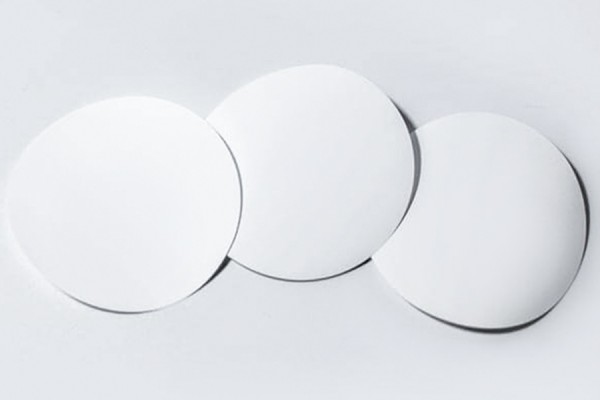
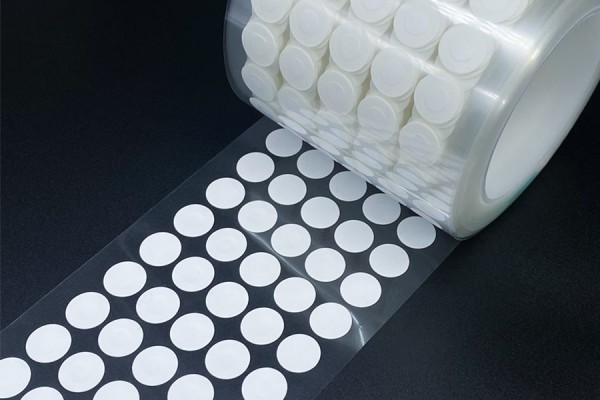
ePTFE membranes play a crucial role in the efficiency of PEM fuel cells by facilitating the separation of anode and cathode compartments. Their unique thin design, approximately 50 microns, enhances performance by allowing high current densities which are essential for commercial applications, including automotive fuel cells. Additionally, ePTFE membranes are resistant to chemical interactions, aiding in long-term reliability. Complementary materials like PTFE thread seal tape are often utilized alongside these membranes to ensure leak-proof installations. Innovations such as AOC high-speed cable wrapping film further demonstrate how ePTFE technology can be integrated into multiple applications, showcasing its versatility across sectors. The exceptional properties of ePTFE continue to drive advancements in energy solutions and contribute to safer and more efficient operational environments.
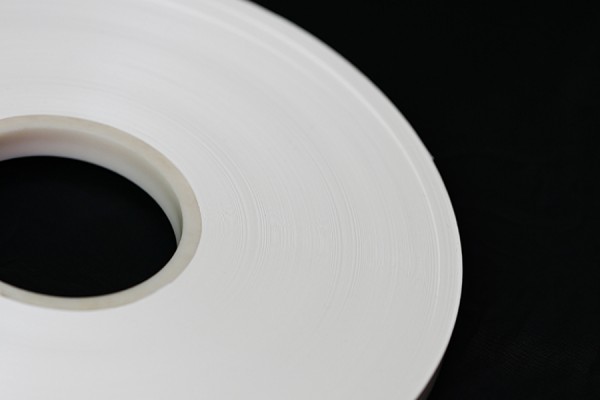
Unique Properties of ePTFE Membranes in Safety and Efficiency
ePTFE membranes provide exceptional safety and efficiency benefits across various applications. Their low flammability and thermal stability make them a reliable choice for wire and cable industries, especially in environments where traditional materials like polyethylene (PE) may pose risks. Incorporating ePTFE technology into cables allows for better insulation properties, which can be further enhanced using PTFE cable roll coating. In medical packaging, these membranes create leak-proof seals that maintain sterility while transporting aggressive chemicals, ensuring safety during use. Additionally, the use of DAC high-speed cable wrapping film with ePTFE protects sensitive components from environmental factors while enabling efficient signal transmission. This combination of unique properties positions ePTFE membranes as a vital component in improving safety standards and operational efficiency across multiple sectors.
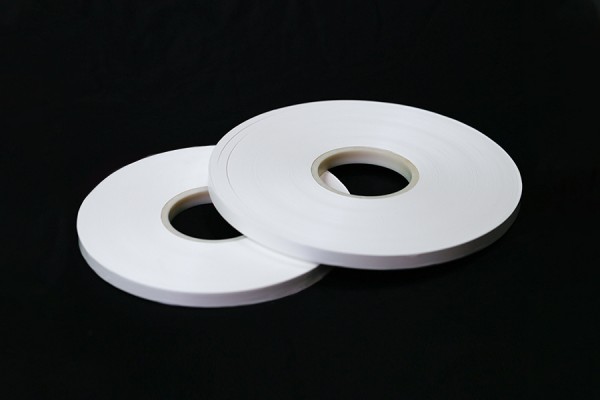
Comparative Benefits of ePTFE Versus Traditional Insulation Materials
When examining ePTFE membranes in comparison to traditional insulation materials like polyethylene (PE) and polyvinyl chloride (PVC), notable benefits emerge. ePTFE stands out due to its superior thermal stability and low flammability, making it a safer option in high-risk applications such as wire and cable insulation. Traditional materials often exhibit limited oxygen indices, leading to greater susceptibility to burning. The unique properties of ePTFE membranes ensure lower smoke emissions during thermal events, enhancing overall safety.
The integration of ePTFE in applications like AEC high-speed cable wrapping film exemplifies how it delivers enhanced performance while maintaining electrical integrity. In terms of efficiency, ePTFE membranes facilitate better signal transmission due to their favorable attenuation characteristics, particularly in high-frequency environments.
Additionally, the chemical resistance and structural integrity of ePTFE lend themselves well for diverse applications where durability is critical. As industries continue to evolve, the comparative advantages of ePTFE over traditional materials will likely drive increased adoption across various sectors.
ePTFE Membranes: Transforming Multiple Industry Sectors
ePTFE membranes are revolutionizing various industries with their remarkable versatility and performance. In the wire and cable sector, ePTFE is increasingly favored over traditional materials, such as polyethylene and PVC, due to its superior thermal stability and low flammability. This makes it an ideal choice for applications that demand robust insulation, particularly in high-frequency communication cables. Notably, products like PTFE cable wrapping tape effectively leverage the benefits of ePTFE to enhance signal integrity while reducing fire hazards. In medical packaging, when combined with PET, ePTFE provides leak-proof seals crucial for storing aggressive chemicals, ensuring safety throughout transportation. Additionally, its distinct properties make ePTFE an essential component in microfluidic devices where pressure control and contamination prevention are vital. Its role extends to PEM fuel cells as well, where reinforced designs enhance current efficiency while maintaining a compact size. By integrating these unique features across multiple sectors, ePTFE membranes are setting new standards for safety and efficiency in modern applications.
Key Performance Indicators of ePTFE Membranes in Modern Applications
The performance of ePTFE membranes is measured through various key indicators that highlight their efficiency and reliability across multiple applications. Notably, thermal stability is a critical factor, ensuring that these membranes can withstand high temperatures without compromising their integrity. Additionally, low flammability is essential for safety in environments where there is a risk of fire; ePTFE membranes exhibit minimal smoke emission, enhancing safety during usage. Electrical properties such as dielectric strength contribute to their effectiveness in wire and cable applications, allowing for high-frequency signal transmission with low attenuation. Furthermore, in medical and microfluidic systems, the ability to maintain consistent flow rates under pressure showcases the membranes’ ability to facilitate precise operations while preventing contamination. Overall, these performance indicators demonstrate that ePTFE membranes are invaluable across industries requiring advanced material properties for improved safety and efficiency.
Conclusion
The transformative impact of ePTFE membranes across multiple sectors is evident in their diverse applications and superior performance characteristics. Their unique properties, such as low flammability and chemical resistance, highlight their effectiveness in enhancing safety in environments where traditional materials may fail. As industries like wire and cable, medical packaging, microfluidics, and fuel cells continue to integrate ePTFE technology, the focus on efficiency and reliability grows. These membranes not only meet current demands but also pave the way for innovative solutions tailored to future challenges. The ongoing development of ePTFE applications underscores its crucial role in advancing material science while prioritizing safety and efficiency across various fields.
FAQs
What are ePTFE membranes primarily used for?
ePTFE membranes are used in various sectors, including wire and cable insulation, medical packaging, microfluidics, and PEM fuel cells, due to their unique properties.
How do ePTFE membranes enhance wire and cable performance?
They provide superior thermal stability and low flammability, which improves insulation properties and reduces fire hazards in high-frequency applications.
What advantages do ePTFE membranes offer in medical packaging?
These membranes facilitate leak-proof seals that ensure the safe transport of sensitive materials, preventing contamination and maintaining sterility.
Can ePTFE be utilized in microfluidic devices?
Yes, ePTFE is ideal for microfluidics as it can handle high pressures while ensuring controlled gas flow and preventing microbial contamination.
How does ePTFE contribute to the efficiency of PEM fuel cells?
It separates compartments within the fuel cells while withstanding harsh chemical environments, enhancing long-term reliability and performance.