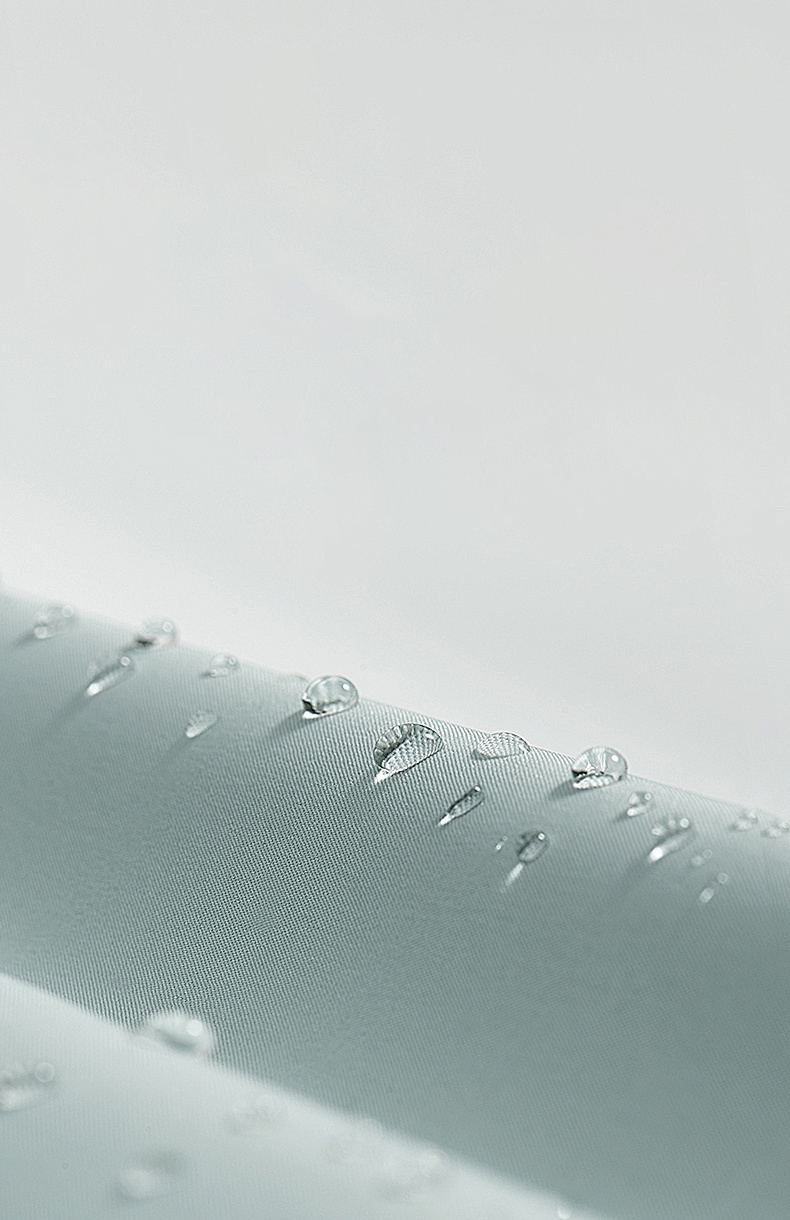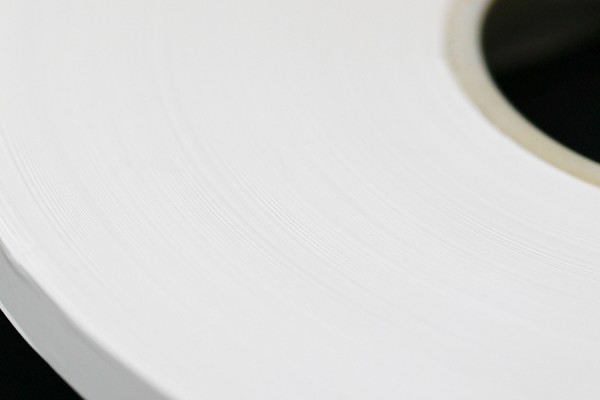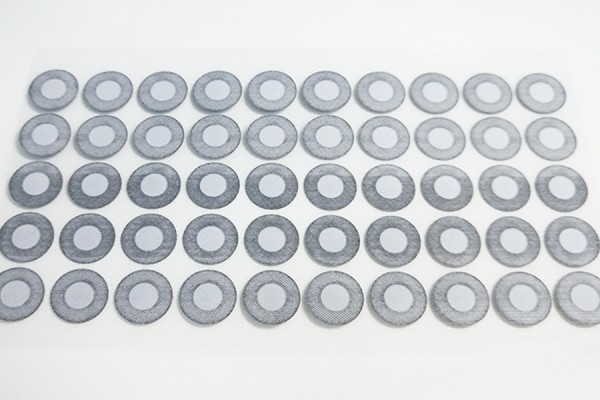
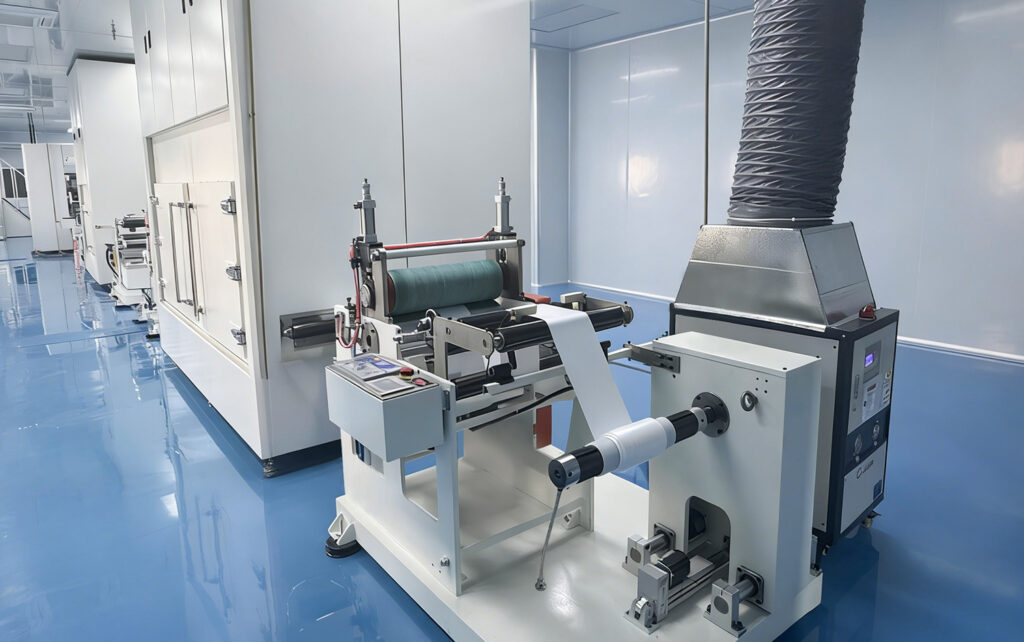
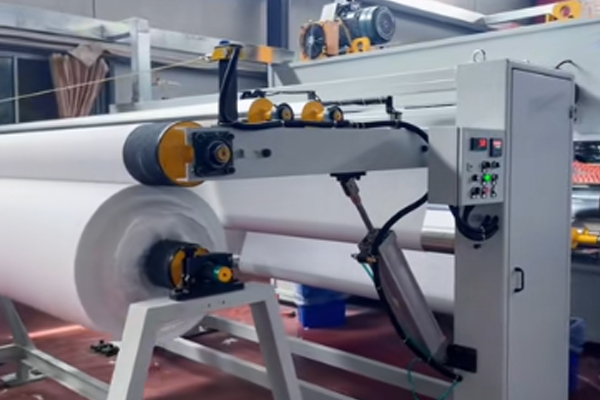
The unique properties of ePTFE membranes make them indispensable in various applications, particularly in electrical insulation and medical packaging. Their superior thermal stability ensures that electrical systems can operate safely under high temperatures, significantly reducing risks associated with overheating and signal loss. Additionally, ePTFE’s remarkable chemical resistance safeguards the integrity of enclosed substances, which is crucial for medical products that face harsh cleaning agents and must remain sterile. The versatility of these membranes allows them to perform effectively across diverse industries, demonstrating their potential for optimizing safety and efficiency in critical applications. As the demand for reliable materials continues to grow, ePTFE stands out as a key player in innovative technological solutions.
Innovative Uses of ePTFE Membranes in Electrical Insulation
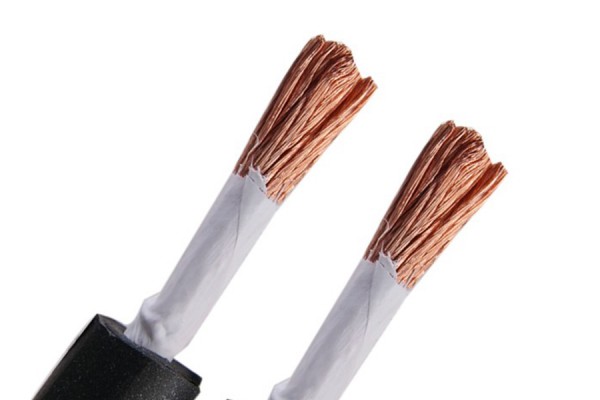
The integration of ePTFE membranes into electrical insulation applications proves to be a significant advancement. These materials not only enhance the insulation properties but also improve performance in high-speed transmission systems. Utilizing high-speed transmission line PTFE wrapping tape can significantly reduce signal attenuation, making it a preferred choice in modern electrical setups. Additionally, products like PTFE cable wrapping tape and PTFE Thread Seal Tape ensure consistent and reliable performance under high-frequency conditions. The use of DAC high-speed cable wrapping film and other specialized AEC, AOC, and ACC variants further exemplifies the versatility of ePTFE membranes. These films contribute to lower flammability and higher thermal stability when compared to traditional materials such as PE and PVC, securing their role in mission-critical applications where safety is a top priority.
"For optimal performance in electrical insulation, always choose materials that align with your specific application needs."
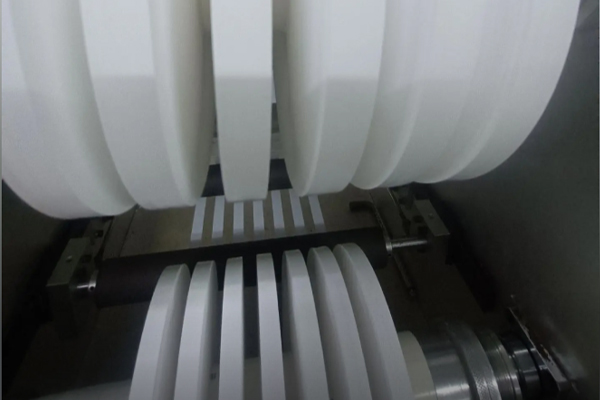
Enhancing Electrical Insulation Performance with ePTFE Membranes
The superior insulation properties of ePTFE membranes have made them a preferred choice in various electrical applications. Unlike traditional materials, ePTFE offers enhanced thermal stability and low flammability, which are critical when insulating wires and cables. Furthermore, the use of advanced products such as PTFE thread seal tape and PTFE cable wrapping tape ensures robust protection against environmental stressors. These materials contribute to minimizing signal loss in high-speed and high-frequency applications, particularly when utilizing ACC high-speed cable wrapping film and high-speed and high-frequency cable wrapping film. By integrating these innovative ePTFE solutions, manufacturers can achieve improved performance and safety in their electrical insulation designs, ultimately leading to more reliable and efficient products on the market.
The Role of ePTFE Membranes in Medical Packaging Solutions
ePTFE membranes are increasingly recognized for their critical functions in medical packaging, particularly in ensuring the safe transport of sensitive substances. Their exceptional chemical resistance allows them to effectively contain corrosive agents, such as peracetic acid disinfectants, preventing leaks and ensuring sterility. In addition to leak-proof capabilities, ePTFE membranes enhance the longevity and reliability of packaging by resisting degradation over time, which is crucial for maintaining the integrity of medical products. The use of ePTFE in microfluidic devices further exemplifies its versatility; it facilitates consistent air pressure and precise reagent flow rates while simultaneously minimizing contamination risks. This combination of safety and performance underscores the vital role that ePTFE membranes play in modern medical packaging solutions.
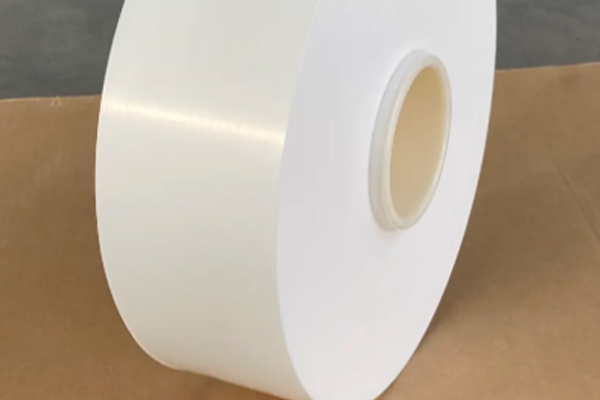
ePTFE: A Game Changer for Thermal Stability in Insulation Applications
ePTFE membranes are increasingly recognized for their exceptional thermal stability, making them a preferred choice in insulation applications. Unlike traditional materials such as polyethylene and polyvinyl chloride, which have lower oxygen indices and can be flammable under high temperatures, ePTFE offers superior safety and performance. The ability to withstand high temperatures without degrading enhances the insulation properties of electrical cables. AOC high-speed cable wrapping film, featuring ePTFE technology, ensures that signal integrity is maintained while minimizing attenuation.
Table 1: Comparison of Insulation Materials
| Material | Thermal Stability | Oxygen Index | Flammability |
|---|---|---|---|
| Polyethylene (PE) | Moderate | 18 | Yes |
| Polyvinyl Chloride (PVC) | Moderate | 36 | Yes |
| ePTFE | High | >36 | No |
This advanced thermal performance is complemented by the low flammability of ePTFE membranes, contributing to overall safety in various applications. Moreover, the unique properties of PTFE wrapping film facilitate better insulation solutions that not only protect electrical components but also contribute to improved longevity and durability.
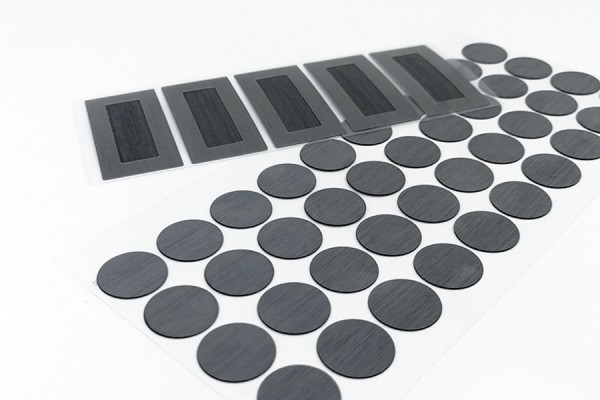
Chemical Resistance Benefits of ePTFE in Medical Packaging
ePTFE possesses remarkable chemical resistance, making it a preferred choice in medical packaging applications. Its ability to withstand harsh chemicals, such as peracetic acid, ensures that products maintain their integrity during storage and transportation. This property is vital for packaging materials used in disinfection processes. Moreover, ePTFE can prevent interactions with contained substances, enhancing product safety and efficacy. For specific applications, such as DAC high-speed cable wrapping film and high speed transmission line PTFE wrapping tape, the stability of ePTFE contributes to longer shelf life and reliable performance. By employing ePTFE membranes, manufacturers can reduce risks associated with leaks or chemical reactions, thus ensuring safer medical environments. The adaptability of these membranes further extends their usage across various medical packaging needs, affirming the significance of ePTFE in these contexts.
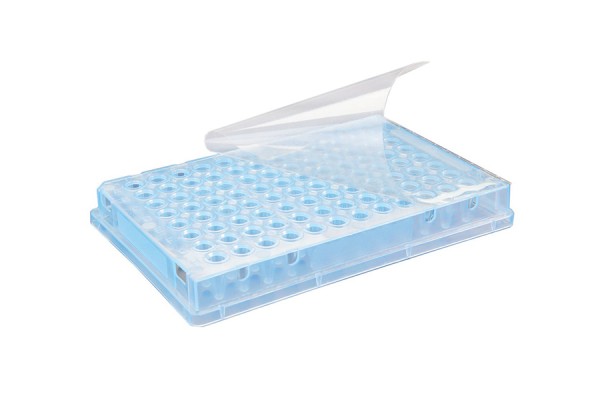
Optimizing High-Frequency Performance with ePTFE Membranes
ePTFE membranes play a crucial role in enhancing high-frequency applications due to their exceptional electrical insulation properties. These membranes significantly reduce signal attenuation, ensuring optimal transmission performance in various electronic devices. Their low flammability and superior thermal stability further support safe operation under demanding conditions, making them highly reliable for sensitive equipment. In applications such as telecommunications and aerospace, maintaining consistent signal integrity is essential. By minimizing interference and providing robust insulation, ePTFE membranes contribute to the overall efficiency and reliability of high-frequency systems. As industries continue to evolve, the use of ePTFE in these critical applications underscores its importance in advancing technology and improving performance outcomes.
Advanced Applications of ePTFE Membranes in Safety and Efficiency
ePTFE membranes play a crucial role in enhancing safety and efficiency across various applications. In electrical insulation, their low flammability and excellent thermal stability make them ideal for environments with high temperatures, preventing hazards that commonly arise with traditional materials. This is particularly valuable in high-frequency applications where signal integrity is paramount; ePTFE reduces signal attenuation, ensuring reliable performance. In the medical packaging sector, the chemical resistance of ePTFE allows it to contain reactive substances safely, reducing the risk of leaks during transport. Its use in microfluidic devices further optimizes safety by maintaining consistent pressures and preventing microbial contamination during medical analyses. Such diverse applications underline the growing importance of ePTFE membranes in promoting efficiency and safety in critical industries.
Exploring the Adaptive Features of ePTFE Membranes in Diverse Industries
ePTFE membranes exhibit a remarkable versatility that makes them suitable for various applications across different sectors. In the wire and cable industry, the adoption of ePTFE cable roll coating helps improve thermal stability and provides superior insulation compared to traditional materials. This membrane not only enhances performance but also mitigates issues related to flammability and smoke emissions. In medical packaging, these membranes play a vital role in ensuring leak-proof designs for containers that house sensitive materials, such as disinfectants that require corrosion-resistant features. The inherent chemical resistance of ePTFE also supports its use in medical devices by maintaining consistent pressurization in microfluidic systems. The adaptability of ePTFE allows it to excel in diverse environments, proving invaluable across numerous applications from electrical insulation to healthcare solutions.
Conclusion
The applications of ePTFE membranes in electrical insulation and medical packaging highlight their indispensable role in enhancing performance and ensuring safety. Their low flammability and exceptional thermal stability make them suitable for a range of electrical setups, reducing risks associated with overheating and signal loss. Similarly, in medical contexts, the chemical resistance of ePTFE ensures the integrity of sensitive substances during storage and transport. This reliability is critical for maintaining sterility and preventing leaks. As industries evolve, ePTFE membranes will continue to be vital in driving innovations that prioritize safety, efficiency, and effectiveness across diverse applications.
FAQs
What are ePTFE membranes primarily used for?
ePTFE membranes are primarily used in electrical insulation and medical packaging due to their excellent thermal stability and chemical resistance.
How do ePTFE membranes enhance electrical insulation performance?
These membranes reduce signal attenuation in high-speed applications, ensuring reliable performance and improved safety in electrical systems.
What advantages do ePTFE membranes offer in medical packaging?
In medical packaging, ePTFE membranes ensure leak-proof storage of sensitive materials and maintain sterility by resisting degradation from harsh chemicals.
Can ePTFE be used in high-frequency applications?
Yes, ePTFE is highly effective in high-frequency applications, minimizing interference and maintaining signal integrity while providing robust insulation.
How does the chemical resistance of ePTFE benefit its applications?
The chemical resistance of ePTFE prevents material degradation and ensures the safe transport of reactive substances, crucial for maintaining product integrity.