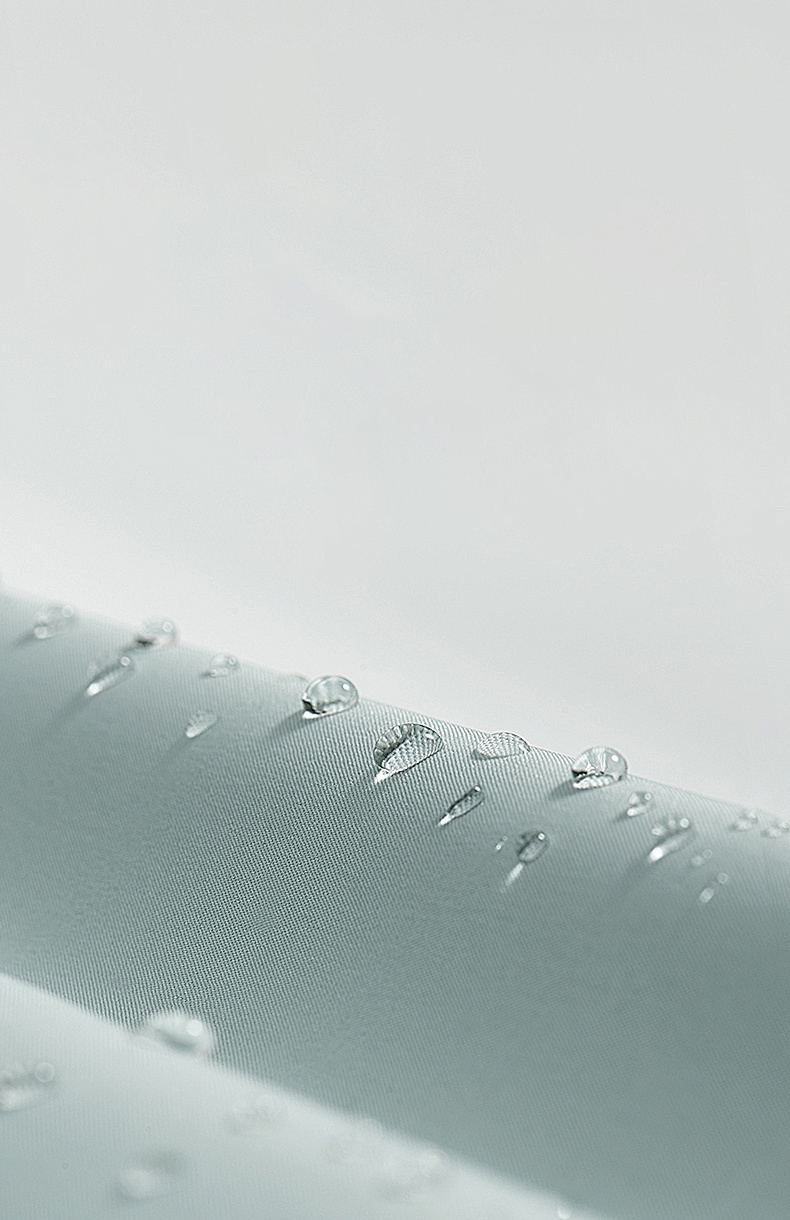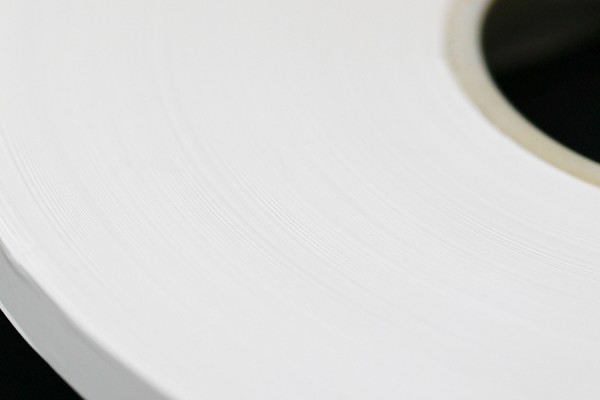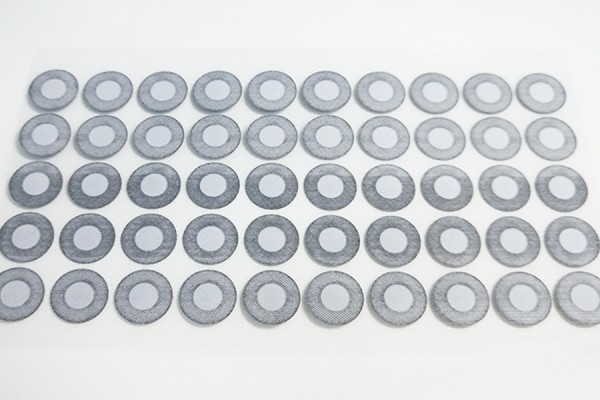
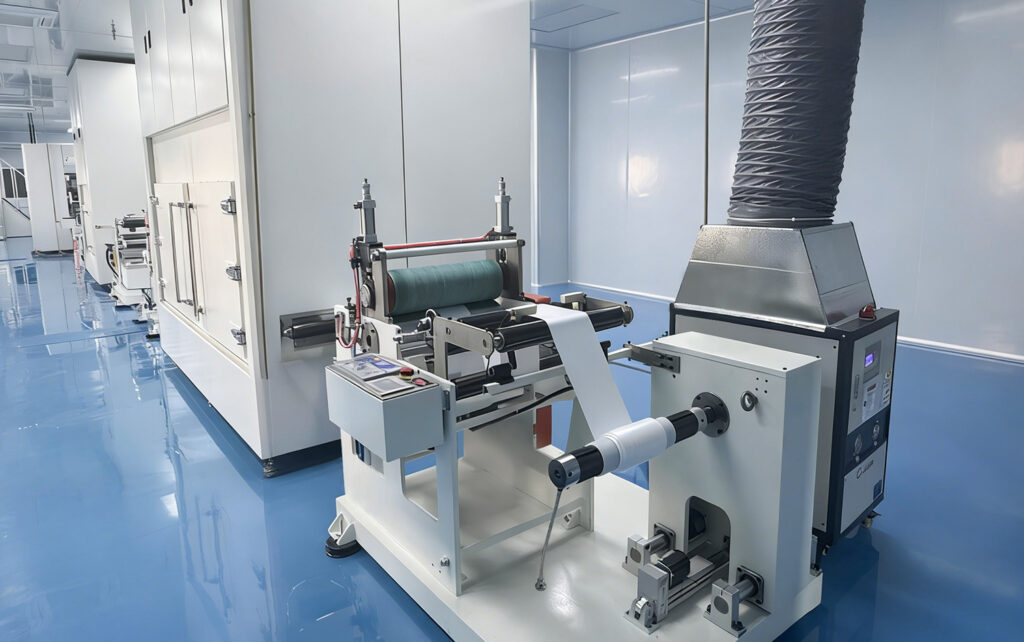
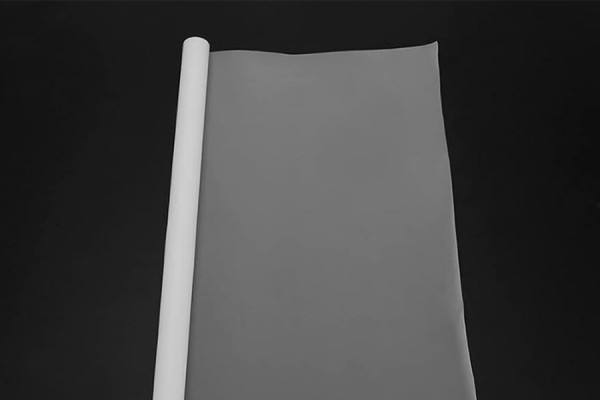
Teflon film offers a range of key advantages that enhance its application across various industrial processes. Its outstanding chemical resistance ensures reliability, allowing it to maintain functionality in harsh environments. Furthermore, the film’s low friction properties contribute to improved operational efficiency by reducing wear and tear on machinery. The thermal stability of Teflon film guarantees consistent performance in extreme temperatures, making it suitable for numerous applications. Notably, its non-stick surface facilitates easier maintenance and cleaning, thereby optimizing workflow. These essential characteristics position Teflon film as an indispensable material across diverse manufacturing sectors, supporting enhanced efficiency and productivity in industrial operations.
Essential Characteristics of Teflon Film for Industrial Use
Teflon film exhibits unique properties that make it indispensable in various industrial applications. Its exceptional chemical resistance and low friction characteristics enhance performance in high-speed transmission lines. For instance, using high-speed transmission line PTFE wrapping tape ensures longevity and reliability under extreme conditions. The film’s durability also plays a critical role in PTFE wrapping film applications, particularly in sealing and insulating situations, where water resistance is crucial.
Additionally, Teflon’s thermal stability supports its use in PTFE Thread Seal Tape, which guarantees effective sealing even at elevated temperatures. The flexibility of PTFE cable wrapping tape allows for seamless integration across numerous devices without compromising quality. Furthermore, innovations like DAC high-speed cable wrapping film and AEC high-speed cable wrapping film leverage Teflon’s properties to improve signal integrity and reduce energy loss.
Here’s a concise overview of the essential characteristics:
| Property | Description |
|---|---|
| Chemical Resistance | Protects against corrosive environments |
| Low Friction | Reduces wear and tear |
| Thermal Stability | Maintains performance under heat |
| Flexibility | Allows adaptability in various applications |
"Utilizing Teflon film effectively can lead to substantial efficiency gains across manufacturing processes."
Understanding these characteristics emphasizes the pivotal role of Teflon film in optimizing industrial operations.
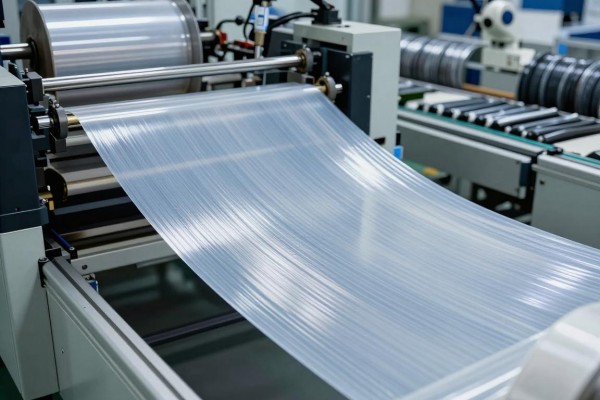
Understanding the Versatility of Teflon Film in Manufacturing
Teflon film, or polytetrafluoroethylene (PTFE), is prized for its exceptional properties, making it highly versatile in various manufacturing applications. One prominent use is in the production of PTFE thread seal tape, which aids in creating leak-proof seals for pipes and fittings. In the cable industry, Teflon film plays a crucial role as both DAC high-speed cable wrapping film and AOC high-speed cable wrapping film. These films enhance durability and reduce friction in electrical wiring, ensuring optimal performance. The chemical resistance and low friction surface of Teflon film contribute to its wide acceptance across diverse sectors, promoting efficiency and reliability. As industries continue to adapt to evolving challenges, the unique characteristics of Teflon film ensure it remains a fundamental material in enhancing operational effectiveness.
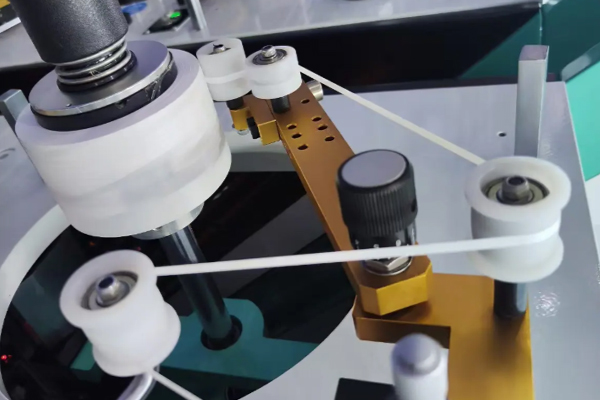
Teflon Film: A Key Component in Performance Enhancement
Teflon film serves as a vital element in enhancing performance across various industrial applications. One notable use is in high-speed transmission line PTFE wrapping tape, which benefits from the film’s excellent electrical insulation properties and chemical resistance. This ensures reliable performance, even in demanding environments. Additionally, the AEC high-speed cable wrapping film leverages Teflon’s low friction characteristics, contributing to smoother operation and reduced wear over time. These attributes make Teflon film indispensable for industries seeking to optimize their manufacturing processes while maintaining high standards of efficiency and durability. Its unique composition not only improves product lifespan but also enhances overall system reliability, fostering greater productivity in the long run.
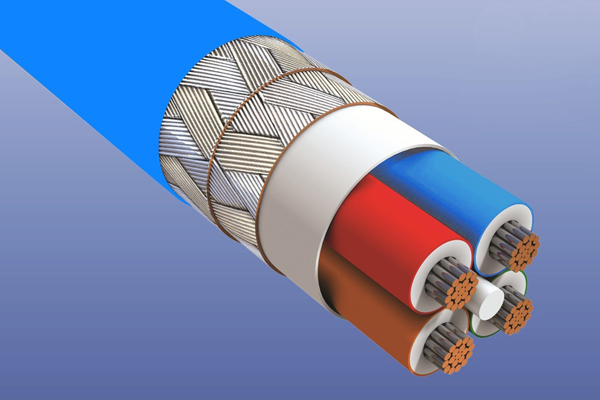
The Role of Teflon Film in Improving Efficiency Across Industries
Teflon film plays a pivotal role in enhancing efficiency across various industries due to its unique properties, such as excellent thermal stability, chemical resistance, and low friction. These characteristics allow for smoother operations and reduce wear and tear in machinery, leading to longer service life and decreased maintenance costs. For instance, Teflon film is often utilized in manufacturing processes that involve high temperatures or corrosive materials, where traditional materials may fail. Additionally, when combined with products like PTFE cable wrapping tape, Teflon film contributes to better insulation and protection against environmental factors. This synergy not only improves performance but also optimizes the overall manufacturing workflow, ensuring that production lines operate seamlessly and effectively. As industries strive for greater efficiency and reliability, Teflon film emerges as a key material that supports these critical objectives.
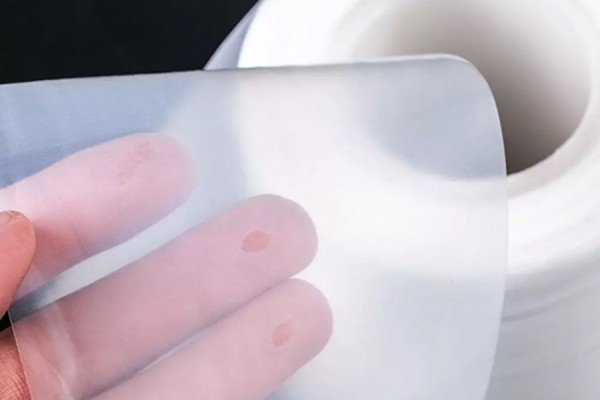
Innovative Applications of Teflon Film in Today’s Manufacturing Landscape
Teflon film has carved a significant niche in various manufacturing sectors due to its remarkable properties. Its resistance to heat and chemicals makes it ideal for use in the automotive and aerospace industries, where durability is crucial. Additionally, Teflon film’s low friction coefficient enhances performance, making it an essential material for PTFE cable roll coating applications, which require protection against wear and tear while maintaining efficiency. Furthermore, the electronic industry benefits from Teflon film’s excellent insulating properties, allowing for safer and more reliable performance in devices. As companies strive for higher operational efficiency, Teflon film’s versatility continues to open new avenues for innovation across different manufacturing landscapes. Its applications exemplify how advanced materials can effectively meet demanding industry requirements.
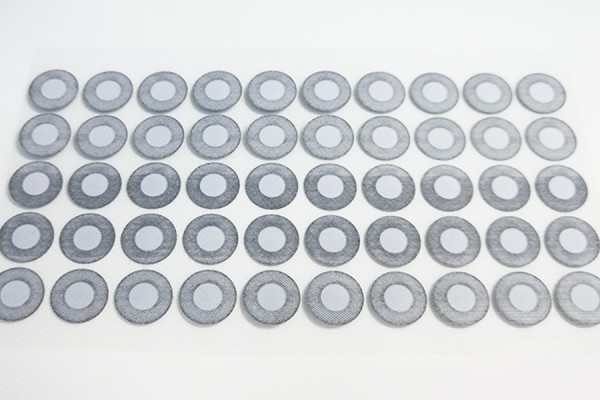
Why Teflon Film Stands Out: An In-Depth Look at Its Properties
Teflon film is renowned for its remarkable properties that make it a staple in various industrial applications. Its exceptional chemical resistance ensures durability in harsh environments, while its low friction coefficient enhances the efficiency of moving parts. This film also exhibits excellent thermal stability, maintaining performance across a wide temperature range. Additionally, Teflon film possesses excellent dielectric properties, making it ideal for electrical and electronic applications. One noteworthy use is in the production of ACC high-speed cable wrapping film, where Teflon’s attributes improve insulation and protect sensitive components. The combination of these characteristics positions Teflon film as a critical material across multiple sectors, reinforcing its importance in modern manufacturing.
A Guide to the Benefits of Teflon Film in Industrial Processes
Teflon film offers numerous benefits that enhance its utility across various industrial processes. One of its key advantages is its exceptional chemical resistance, allowing it to withstand harsh environments and aggressive substances without degrading. This property ensures reliability and longevity in applications ranging from electronics to food processing. Additionally, Teflon film is renowned for its low friction coefficient, which significantly reduces wear and tear on equipment, thereby minimizing maintenance costs and downtime. Its thermal stability also enables it to perform well under extreme temperatures, ensuring that manufacturing operations remain efficient even in challenging conditions. The non-stick nature of Teflon film further simplifies cleaning processes and improves overall workflow efficiency. These attributes make Teflon film an invaluable asset in enhancing productivity and performance in diverse industrial applications.
Conclusion
In conclusion, Teflon film stands as a crucial material in modern manufacturing due to its distinct properties. Its ability to resist chemical degradation and withstand high temperatures makes it vital for various industrial applications. Moreover, its low friction characteristic enhances the longevity and efficiency of machinery, helping to reduce operational costs. The versatility of Teflon film allows for its application across multiple sectors, including automotive, aerospace, and electronics. As industries continue to evolve, the demand for innovative solutions will likely keep Teflon film at the forefront of material selection in striving for increased performance and reliability in manufacturing processes.
FAQs
What is Teflon film commonly used for in industrial applications?
Teflon film is widely used for its chemical resistance and low friction properties, making it ideal for applications such as cable insulation, sealing, and manufacturing high-speed transmission lines.
How does Teflon film enhance performance in manufacturing?
The properties of Teflon film contribute to smoother operations, reduced wear on machinery, and prolonged service life of equipment, ultimately leading to greater operational efficiency.
Is Teflon film effective in high-temperature environments?
Yes, Teflon film exhibits excellent thermal stability, enabling it to perform reliably even in elevated temperature conditions, which is crucial for various industrial processes.
What advantages does Teflon film offer in terms of maintenance?
The low friction coefficient of Teflon film reduces wear and tear on machinery, which can lead to lower maintenance costs and less downtime during operations.
Are there any specific industries that particularly benefit from Teflon film?
Teflon film finds applications across several industries including automotive, aerospace, electronics, and food processing due to its versatile properties that meet diverse manufacturing needs.