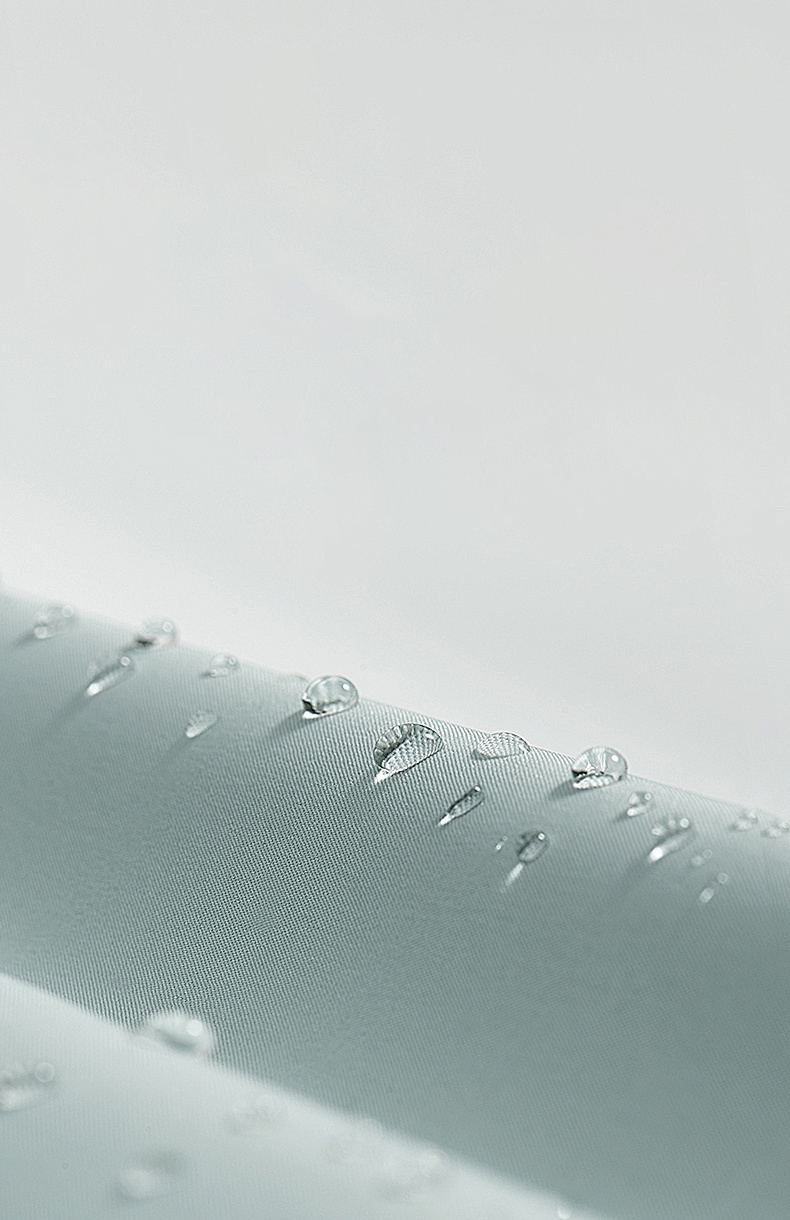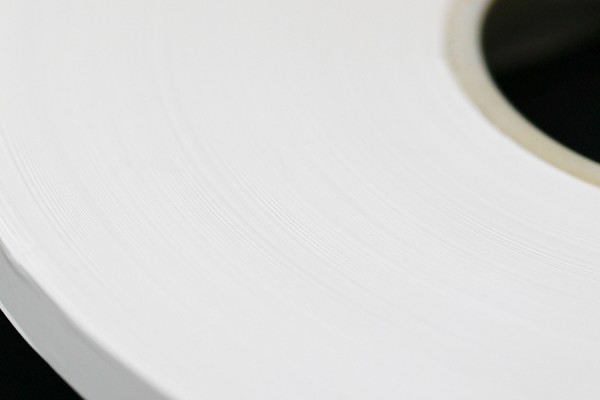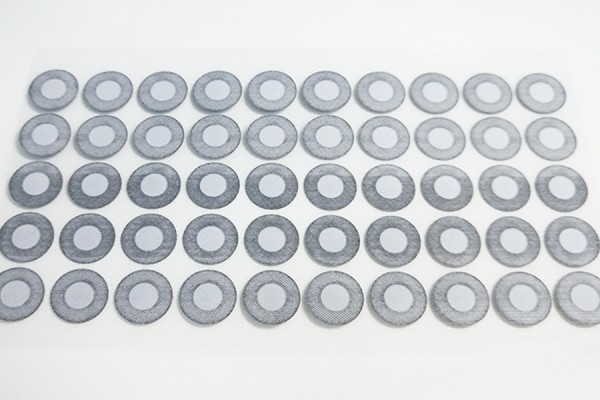
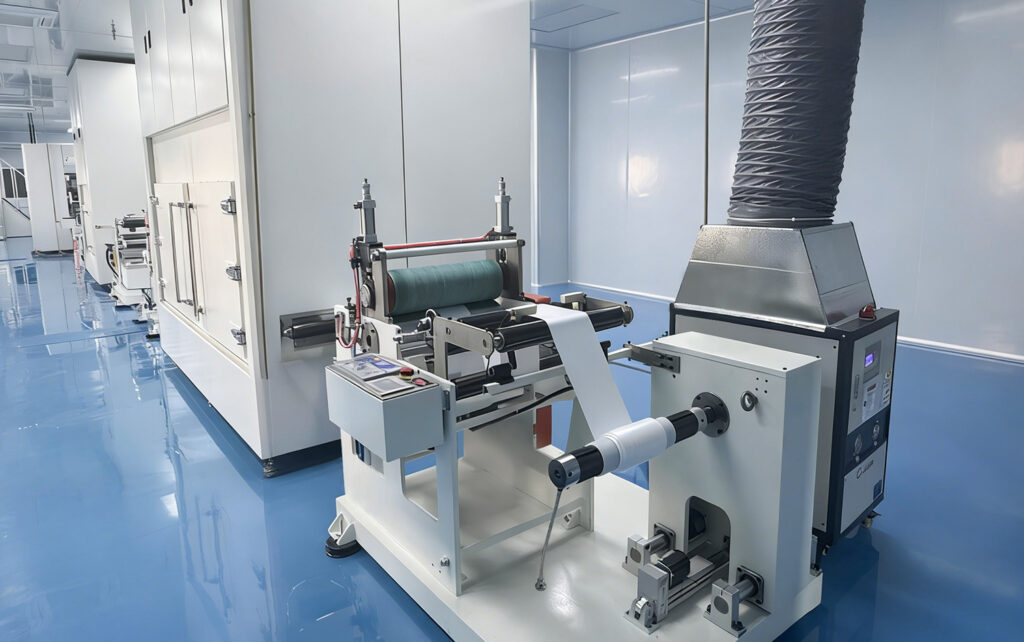
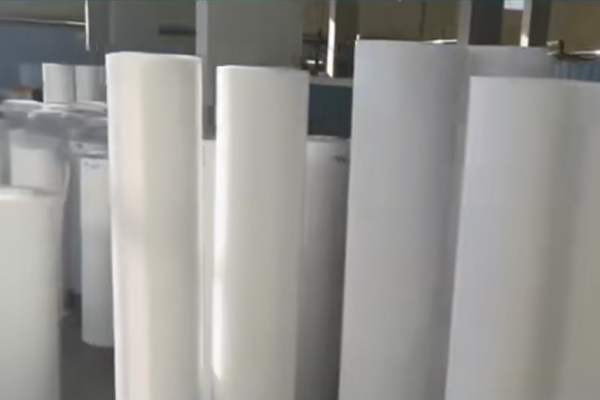
PTFE film is a highly versatile material that addresses the needs of several industries by offering unique properties such as remarkable chemical resistance and low friction. These attributes make it indispensable in sectors like aerospace and electronics, where performance and reliability are paramount. Additionally, the film’s non-stick characteristics ensure longevity in various applications, particularly in food processing, where contamination prevention is vital. Across different domains, PTFE film not only enhances product efficiency but also fosters innovations that meet evolving technological demands. By integrating PTFE film into equipment and processes, industries can enjoy improved durability and operational efficiency.
The Advantages of PTFE Film in Modern Industries
PTFE film offers a range of benefits making it an essential material in modern industries. Its chemical resistance ensures it can withstand harsh environments, which is crucial for applications in sectors like aerospace and electronics. Additionally, the low friction properties of PTFE film enhance its performance in various applications, reducing wear and increasing efficiency. In cable manufacturing, high-speed transmission line PTFE wrapping tape and PTFE cable wrapping tape are frequently employed due to their ability to protect sensitive cables from environmental damage while maintaining flexibility. Furthermore, innovative options such as DAC high-speed cable wrapping film and AEC high-speed cable wrapping film are specifically designed to meet the needs of modern high-speed transmission lines. The utility of PTFE Thread Seal Tape further exemplifies its versatility, allowing for effective sealing in plumbing applications across diverse environments. Overall, the unique characteristics of PTFE film make it invaluable across many sectors, ensuring durability and reliability in product performance.
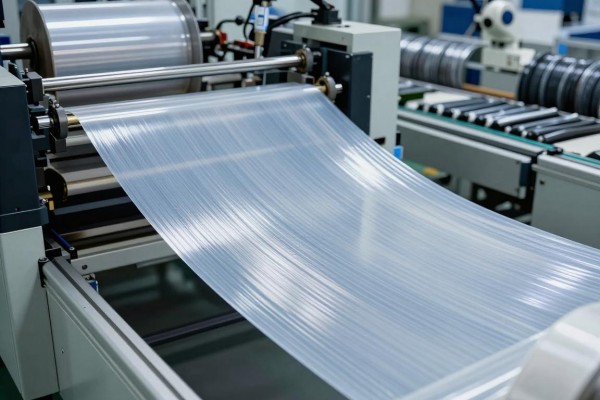
Understanding the Chemical Resistance of PTFE Film
PTFE film exhibits exceptional chemical resistance, making it a preferred material across various industries. This resistance to corrosive substances allows PTFE film to maintain its integrity and functionality, even in harsh environments. For instance, when used as a lining for tanks or pipes, it effectively prevents chemical reactions that could compromise structural safety. In the realm of electrical applications, products like PTFE cable wrapping tape benefit from this property by ensuring that cables remain insulated against chemical exposure. Additionally, PTFE cable roll coating utilizes this durability to enhance the lifespan of equipment in challenging conditions. Overall, the resilience of PTFE film against chemicals underscores its value, especially in settings like laboratories and industrial facilities where safety and reliability are paramount.
"The material’s unique properties enable it to withstand extreme conditions without degradation."
Low Friction Properties of PTFE Film Explained
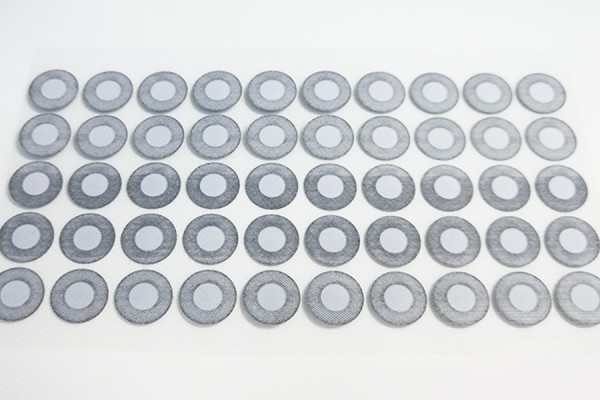
PTFE film is renowned for its exceptional low friction properties, making it a preferred choice in various applications. This characteristic arises from its unique molecular structure, which allows for a smooth surface that reduces drag. In practical terms, when PTFE film is used in machinery, it minimizes wear and tear on components, leading to increased efficiency and longer lifespans. The table below highlights the friction coefficients of PTFE film compared to other materials:
| Material | Static Friction Coefficient | Dynamic Friction Coefficient |
|---|---|---|
| PTFE Film | 0.04 | 0.02 |
| Steel | 0.5 | 0.4 |
| Aluminum | 0.3 | 0.25 |
These low coefficients facilitate smoother operation in moving parts, which is particularly beneficial in aerospace and electronic applications where precision is critical. Moreover, the ability of PTFE to maintain these low friction characteristics across a wide range of temperatures further enhances its utility in environments subject to thermal fluctuations. Thus, the low friction properties contribute significantly to the performance and reliability of products incorporating PTFE film.
Applications of PTFE Film in Aerospace and Electronics
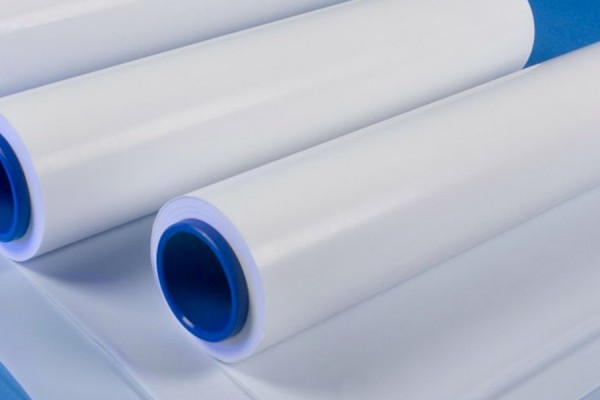
PTFE film plays a significant role in both the aerospace and electronics industries due to its robust properties. In aerospace applications, the film’s chemical resistance and low friction characteristics make it an ideal choice for insulating critical components, ensuring reliability under extreme conditions. Similarly, in electronics, PTFE film is utilized for cable insulation, particularly in high-performance environments. Products like DAC high-speed cable wrapping film and ACC high-speed cable wrapping film showcase how PTFE’s durability enhances the performance of electrical systems by minimizing interference and protecting wires from harsh conditions. These applications illustrate how PTFE film contributes to the advancement of technology, ensuring safety and efficiency in numerous applications across these vital sectors.
The Role of PTFE Film in Food Processing Technology
PTFE film plays a crucial role in food processing technology due to its exceptional chemical resistance and low friction properties. These characteristics make it suitable for various applications, including equipment linings and food packaging. The film’s ability to withstand harsh chemicals ensures that it maintains the integrity of food products during processing, preventing contamination and preserving quality. Additionally, its low friction surface facilitates smoother movement in machinery, enhancing productivity in operations such as conveyor systems. Furthermore, high-speed transmission line PTFE wrapping tape is increasingly utilized for securing wires and cables in food processing equipment, ensuring electrical safety and performance standards are met. Overall, PTFE film’s versatility contributes significantly to improving efficiency and safety within the food industry.
How PTFE Film Enhances Durability in Various Products
PTFE film is essential in improving the durability of products across multiple sectors. Its remarkable chemical resistance allows it to withstand aggressive substances without degrading, ensuring longevity in demanding environments. The film’s low friction properties significantly reduce wear and tear, making it ideal for applications where smooth movement is crucial. In the aerospace and electronics industries, for instance, AEC high-speed cable wrapping film provides outstanding protection against environmental factors while maintaining electrical performance. Moreover, PTFE film’s non-stick features contribute to the extended life of machinery and equipment by preventing the buildup of contaminants. This combination of attributes leads to reliable performance and reduced maintenance costs across a wide range of applications.
Innovative Uses of PTFE Film Across Different Sectors
PTFE film boasts remarkable versatility, finding innovative applications across various sectors. In the automotive industry, PTFE wrapping film is utilized for cable insulation and protection against heat and chemicals, ensuring reliable performance under demanding conditions. In electronics, its low friction properties facilitate smoother operation of components, enhancing overall efficiency. Additionally, the medical sector leverages PTFE Thread Seal Tape for crucial sealing tasks in medical devices, ensuring airtight connections that are vital for maintaining sterility. Furthermore, the food processing industry employs PTFE film in packaging materials to preserve product freshness while maintaining a non-stick surface that simplifies handling. Each sector reaps the benefits of PTFE film’s unique attributes, leading to improved product longevity and performance amid diverse environments.
Why Choose PTFE Film for Insulation and Gasketing Solutions
PTFE film is an excellent choice for insulation and gasketing solutions due to its high chemical resistance and thermal stability. These properties ensure reliable performance in various demanding environments, making it a go-to material in industries such as aerospace and electronics. Additionally, the low-friction characteristics of PTFE film enhance the efficiency of operating machinery by reducing wear and tear on components. Moreover, when specifically considering cable applications, high speed and high-frequency cable wrapping film made from PTFE is designed to improve electrical performance while maintaining flexibility. This combination of durability, resistance to harsh conditions, and versatility makes PTFE film a preferred option for a wide range of insulation and gasketing needs.
Conclusion
The extensive applications of PTFE film across numerous industries underscore its significant role in modern technology. Its inherent properties, such as exceptional chemical resistance and low friction, empower it to meet diverse requirements in sectors ranging from aerospace to food processing. As industries continue to evolve, the demand for materials that can withstand extreme conditions while enhancing operational efficiency will remain integral. PTFE film not only fulfills these demands but also facilitates innovation through its unique characteristics. This versatility positions PTFE film as a vital component in enhancing product durability, reliability, and performance across various applications, ensuring that it will continue to be a material of choice in the years to come.
FAQs
What makes PTFE film suitable for high-temperature applications?
PTFE film is designed to handle high temperatures without losing its integrity, making it ideal for applications where heat exposure is common.
How does PTFE film contribute to food safety?
Its chemical resistance prevents contamination during food processing, ensuring that the quality of food products is maintained.
Can PTFE film be used in insulation for electrical components?
Yes, PTFE film provides excellent insulation properties, protecting cables and electrical parts from chemical damage and electrical interference.
What industries benefit the most from PTFE film?
Industries such as aerospace, electronics, and food processing benefit significantly due to its unique properties like durability and low friction.
Is PTFE film environmentally friendly?
PTFE is generally stable and does not decompose easily; it is crucial to consider disposal methods in line with environmental guidelines.