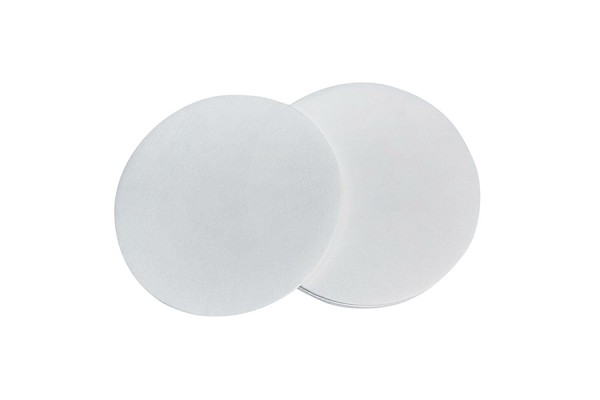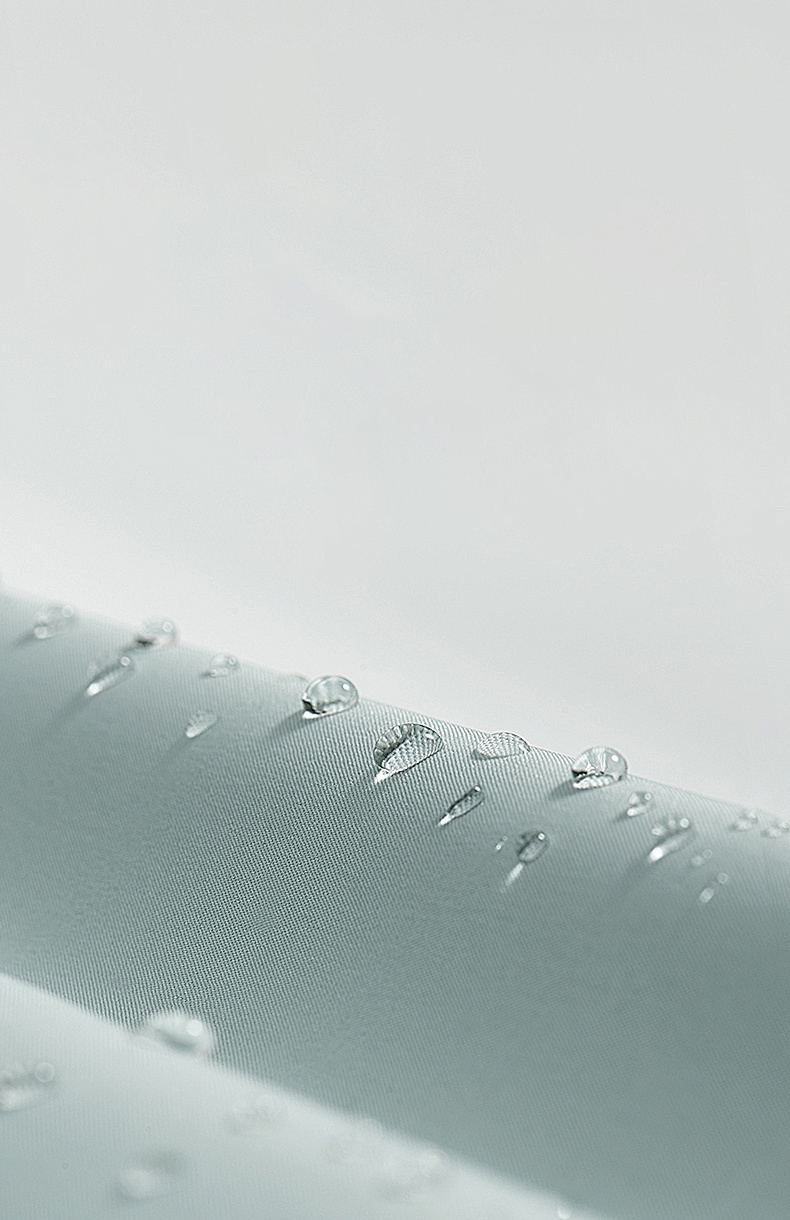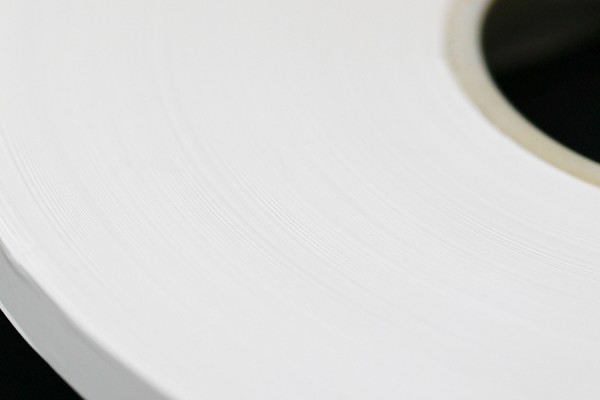
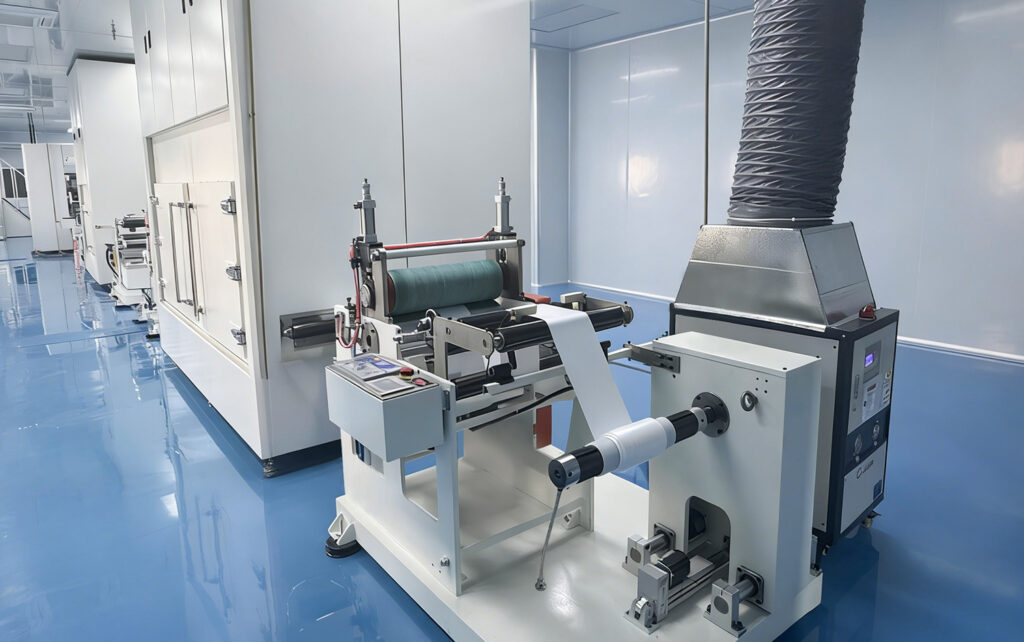
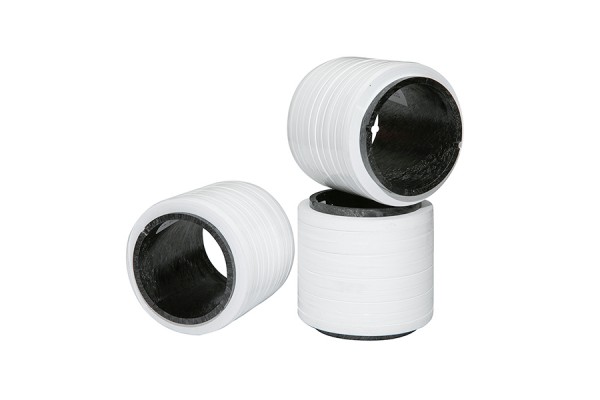
PTFE high-speed cable film presents a range of advantages critical to modern applications, particularly in aerospace and high-frequency communication sectors. Its low dielectric loss ensures minimal energy dissipation during signal transmission, enhancing overall efficiency and clarity. Additionally, the exceptional thermal resistance of PTFE allows it to perform reliably under harsh conditions, making it suitable for environments subject to temperature fluctuations. The lightweight nature of these films facilitates easy integration into various designs while maintaining structural integrity. Moreover, as industries evolve towards greater technological demands, the role of PTFE films becomes increasingly pivotal in achieving performance benchmarks essential for future-ready electronic systems.
Benefits of PTFE High-Speed Cable Film in Aerospace Applications
The benefits of PTFE high-speed cable film in aerospace applications are significant, particularly when it comes to enhancing the performance of high-speed transmission lines. The use of PTFE wrapping film provides superior insulation and plays a critical role in maintaining signal integrity in challenging environments. With excellent thermal resistance properties, PTFE cable wrapping tape is ideally suited for high-frequency applications that demand reliability.
Furthermore, minimal dielectric loss is a hallmark of high-speed and high-frequency cable wrapping film, which translates to improved efficiency for systems utilized in aerospace technology. The lightweight yet durable nature of DAC and AEC high-speed cable wrapping films ensures that they can withstand the rigorous conditions associated with aviation, including temperature extremes and electromagnetic interference. As technology progresses, employing PTFE cable roll coating helps reinforce the structural integrity and longevity of components essential for advanced aerospace systems.
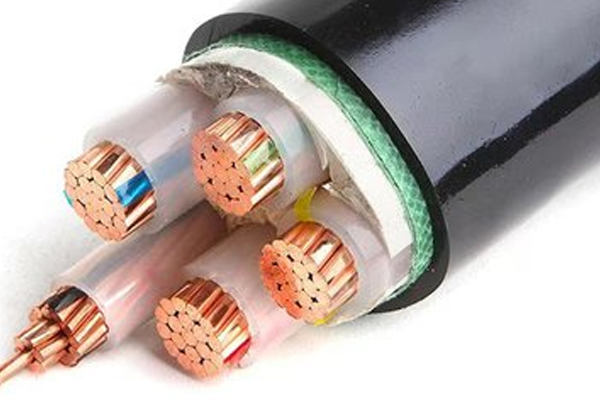
Enhancing Signal Integrity with Advanced PTFE Film Technology
The advanced PTFE wrapping film offers significant advantages in enhancing signal integrity for high-frequency communication systems. Its low dielectric loss ensures minimal energy dissipation, allowing for sharper and clearer signals during transmission. Additionally, the lightweight structure of the PTFE cable roll coating contributes to higher efficiency in data transfer, making it suitable for demanding applications such as aerospace and advanced telecommunications.
Furthermore, the excellent thermal resistance of PTFE minimizes signal degradation under varying temperature conditions, ensuring consistent performance across different environments. The combination of these properties allows the use of PTFE films to maintain optimal signal fidelity, critical for applications requiring high-speed data transmission. With technology evolving rapidly, the implementation of PTFE film technology becomes essential for future-ready communication solutions.
| Property | Advantage |
|---|---|
| Dielectric Loss | Low energy dissipation |
| Thermal Resistance | Consistent signal performance |
| Structure | Lightweight and efficient |
| Application | High-frequency systems |
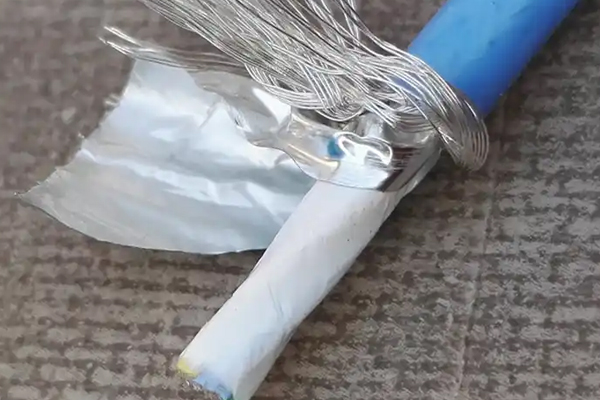
Why Choose PTFE Films for High-Frequency Communication Needs?
PTFE films are increasingly recognized for their effectiveness in high-frequency communication applications. Their unique properties, including low dielectric loss and excellent thermal resistance, make them ideal for environments where signal integrity is paramount. By minimizing signal attenuation, PTFE high-speed cable film ensures reliable transmission even at elevated frequencies. Moreover, the lightweight and thin nature of these films facilitates easy integration into various cable designs. The incorporation of DAC high-speed cable wrapping film enhances the overall performance further, providing added durability and flexibility essential for aerospace and communication technologies. As industries continue to pursue higher transmission speeds, the advantages offered by PTFE films become essential to meet technological advancements.
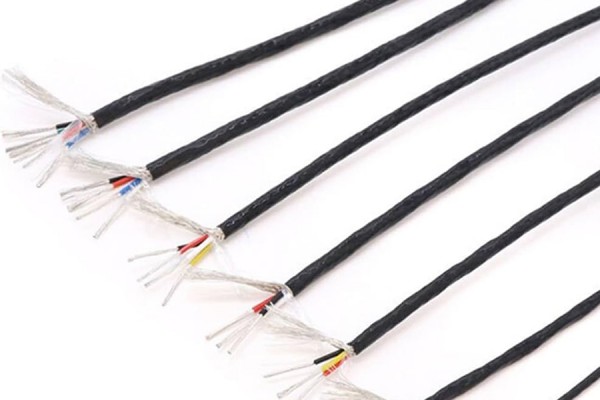
Maximizing Durability in High-Temperature Environments with PTFE
PTFE high-speed cable film stands out for its exceptional durability in high-temperature environments. Its structure provides excellent thermal resistance, allowing it to withstand extreme conditions without compromising performance. This is particularly important in aerospace applications, where reliability is paramount. The lightweight nature of PTFE films facilitates easier installation and processing, while its low thermal expansion minimizes the risk of damage during temperature fluctuations. Additionally, the low dielectric loss characteristic of PTFE enhances signal integrity, making it ideal for high-frequency applications. When integrated into advanced ACC high-speed cable wrapping film, these qualities collectively support the demands of modern technology and ensure robust performance in challenging environments.
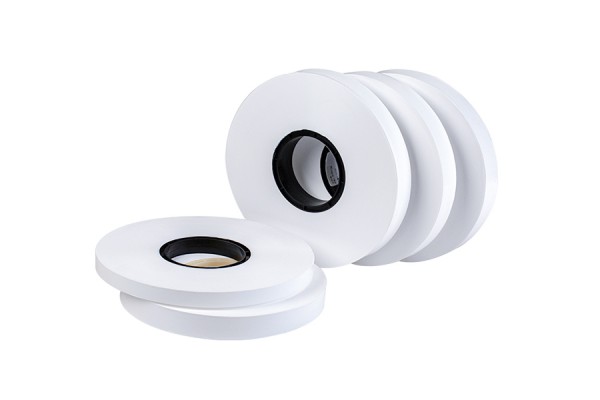
Key Features of PTFE High-Speed Cable Film for Electronic Wires
PTFE high-speed cable film is renowned for its excellent properties that cater specifically to the demands of electronic wire applications. One of its standout features is its effective thermal resistance, allowing it to perform reliably in high-temperature environments often encountered in aerospace and communications sectors. Additionally, the low dielectric loss associated with PTFE films enhances signal integrity, making them an optimal choice for high-speed transmission line PTFE wrapping tape and AEC high-speed cable wrapping film. The unique microporous structure of these films not only contributes to their lightweight design but also provides superior insulation capabilities, essential for preventing signal degradation in RF and microwave communication systems. Furthermore, the robust composition ensures greater durability against abrasion and corrosion, which is critical for maintaining performance over extended periods.
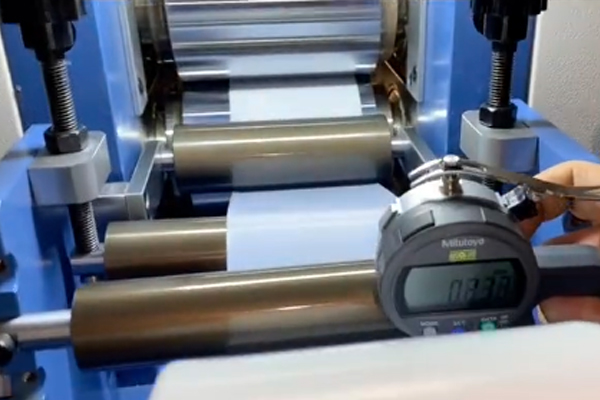
The Role of Low Dielectric Loss in Modern Cable Design
Low dielectric loss is a critical attribute in modern cable design, particularly for high-speed and high-frequency cable wrapping film. This property ensures minimal energy loss during transmission, which is essential for maintaining signal integrity and efficiency. In aerospace and telecommunications, where data transmission rates are paramount, using materials with low dielectric loss directly impacts the performance of cables in demanding environments. Advanced PTFE high-speed cable films are engineered to provide these benefits, ensuring they withstand high temperatures and frequencies without degrading signal quality. The lightweight and stable structure of these films not only enhances performance but also supports the reliability required in cutting-edge applications. By effectively minimizing dielectric loss, engineers can design cables that meet the increasing demands for speed and reliability in data communication technologies.
Understanding the Thermal Resistance Properties of PTFE Films
PTFE films are renowned for their exceptional thermal resistance, making them a preferred choice in applications dealing with high temperatures. The thermal resistance of PTFE is attributed to its unique chemical structure, which withstands intense heat without degrading. This property is crucial in aerospace and communication technologies where reliability and stability are paramount. Additionally, PTFE exhibits a low thermal expansion coefficient, ensuring minimal dimensional changes under varying conditions.
In high-frequency applications, maintaining signal integrity is vital. Therefore, choosing PTFE high-speed cable film not only enhances insulation but also minimizes thermal losses that can compromise performance. As technology evolves and demands for higher efficiency increase, relying on advanced materials like PTFE becomes essential.
"Using PTFE Thread Seal Tape can also provide effective insulation solutions under extreme conditions." This recommendation is particularly beneficial for sealing joints in high-temperature environments to prevent leaks and ensure optimal performance of electrical systems.
Applications of PTFE High-Speed Cable Film in Future Technologies
The versatility of PTFE high-speed cable film positions it as a critical component in various future technology applications. Its ability to provide excellent thermal resistance and low dielectric loss makes it indispensable in the aerospace sector, where light weight and durability are paramount. In communication technologies, PTFE film enhances the performance of RF cables and microwave communication systems by ensuring signal integrity during high-frequency operations. Furthermore, its application in automotive wiring harnesses is becoming increasingly relevant as vehicles evolve towards greater electrical complexity. With the rise of 5G technology, PTFE high-speed cable film is also being integrated into base station cables, supporting faster data transmission and improved network reliability. Its unique properties enable efficient performance across a variety of demanding environments, making it a preferred choice for innovative engineering solutions.
Conclusion
The application of PTFE high-speed cable film across various industries highlights its significance in ensuring reliable performance in high-frequency environments. Its thermal resistance and low dielectric loss are critical in aerospace and communication technologies, where signal integrity is essential. As the demand for faster, more efficient transmission systems grows, the unique properties of PTFE films will continue to play a vital role in the evolution of modern technologies. The integration of these films not only enhances durability and performance but also supports ongoing advancements that strive for higher efficiency and reliability in electronic systems. Adopting PTFE cable film is more than a choice—it’s a necessity for future-ready solutions across diverse applications.
FAQs
What is PTFE high-speed cable film?
PTFE high-speed cable film is a specialized material designed for use in high-frequency applications, offering excellent thermal resistance and low dielectric loss.
How does PTFE improve signal integrity?
PTFE enhances signal integrity by minimizing energy dissipation, which leads to clearer and sharper signals during transmission.
Can PTFE cable film withstand extreme temperatures?
Yes, PTFE cable film boasts exceptional thermal resistance, making it suitable for high-temperature environments often encountered in aerospace and communications.
Why is low dielectric loss important in cable design?
Low dielectric loss is crucial as it ensures minimal energy loss during transmission, resulting in improved efficiency and performance of cables.
In what applications can PTFE films be used?
PTFE films are utilized across various fields, including aerospace, telecommunications, and automotive wiring harnesses, supporting high-frequency data transmission.