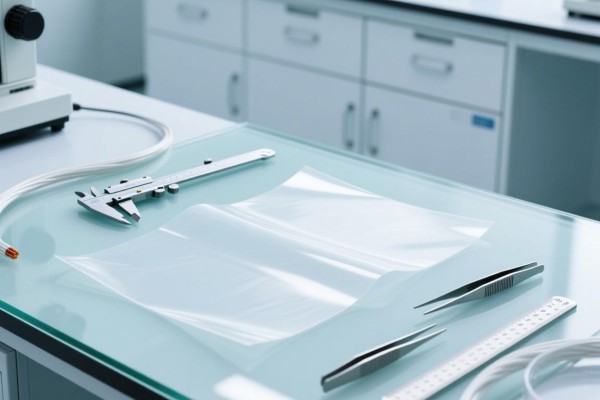
Polytetrafluoroethylene (PTFE) wrapping film is a crucial material in various industrial sectors, known for its unique advantages. Its low-friction properties minimize wear on machinery, translating to longer operational life and reduced maintenance costs. PTFE’s outstanding chemical resistance ensures equipment integrity, particularly in high-stress environments where exposure to corrosive substances is common. Additionally, the film’s thermal stability allows for reliable performance in extreme temperatures, making it suitable for diverse applications from aerospace to medical uses. These factors collectively enhance equipment efficiency and ensure that processes run smoothly under demanding conditions. Overall, PTFE wrapping film remains a key player in optimizing performance across multiple industries.
Applications of Polytetrafluoroethylene (PTFE) Wrapping Film in Industrial Sectors
Polytetrafluoroethylene (PTFE) wrapping film finds widespread use across various industrial sectors due to its exceptional properties. In electrical applications, the high speed transmission line PTFE wrapping tape effectively insulates and protects cables, reducing signal loss and enhancing performance. The versatility of PTFE cable wrapping tape also extends to high-temperature environments, ensuring durability in demanding conditions. Furthermore, PTFE Thread Seal Tape is crucial in plumbing and gas installations, providing leak-proof seals that withstand corrosive substances. Industries such as aerospace benefit from DAC, AEC, and AOC high-speed cable wrapping films, which maintain functionality even in extreme temperatures. Additionally, the ACC high-speed cable wrapping film optimizes signal transmission for high speed and high-frequency cable applications. The diverse applications of PTFE wrapping film demonstrate its critical role in improving operational efficiency across multiple sectors.
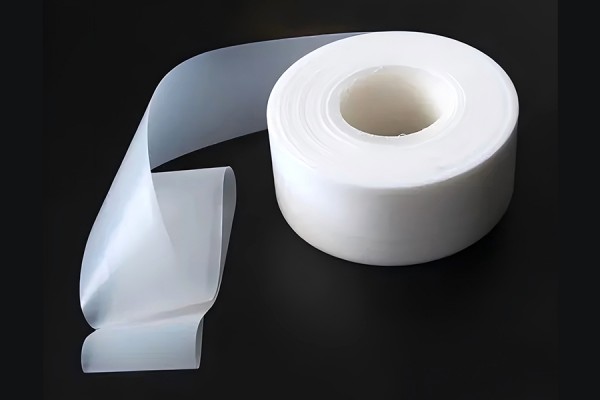
Key Properties of Polytetrafluoroethylene (PTFE) Wrapping Film Boosting Performance
Polytetrafluoroethylene (PTFE) wrapping film exhibits several key properties that enhance its performance across various applications. One of its most significant features is its remarkable chemical resistance, allowing it to perform well in harsh environments without degrading. Additionally, PTFE wrapping film provides low friction properties, making it ideal for applications where reducing wear is crucial. Its thermal stability ensures that it can withstand extreme temperatures without losing integrity, further making it suitable for challenging industrial processes. In particular, the DAC high-speed cable wrapping film showcases how PTFE’s versatility and durability can significantly improve efficiency and reliability in cable installations. With the ability to endure mechanical stress and resist moisture infiltration, PTFE wrapping film stands out as a preferred choice for many sectors requiring dependable performance under demanding conditions.
The Versatility of PTFE Wrapping Film in Extreme Environments
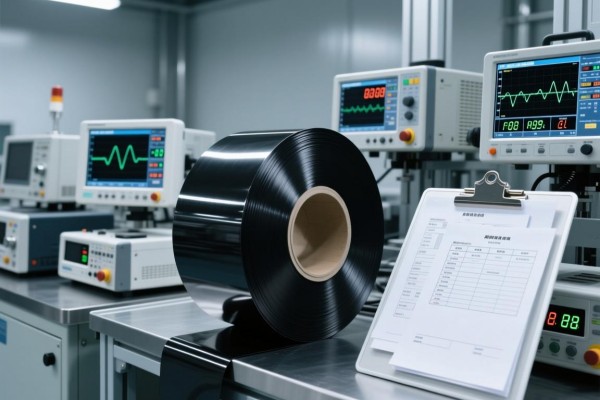
Polytetrafluoroethylene (PTFE) wrapping film demonstrates remarkable versatility in extreme environments, making it a preferred choice across various applications. Its unique properties enable it to perform reliably under conditions that include high temperatures and intense chemical exposure. For instance, when utilized as PTFE cable roll coating, the film effectively insulates and protects wires in both automotive and aerospace industries.
This adaptability is further enhanced by its ability to maintain flexibility while ensuring a robust barrier against moisture and corrosive substances. Industry experts often highlight the practicality of high-speed and high-frequency cable wrapping film in electronic applications, where performance is critical. The table below summarizes key environments where PTFE wrapping film excels:
| Environment | Benefits of PTFE Wrapping Film |
|---|---|
| High Temperature | Retains integrity under continuous heat |
| Chemical Exposure | Excellent resistance to corrosive agents |
| High-Frequency Signals | Minimizes signal interference |
“The right material can mean the difference between failure and success in extreme conditions.”
Overall, the versatility of PTFE wrapping film significantly enhances equipment performance, ensuring stability and reliability across various demanding sectors.
Chemical Resistance of PTFE Wrapping Film: Benefits for Various Applications
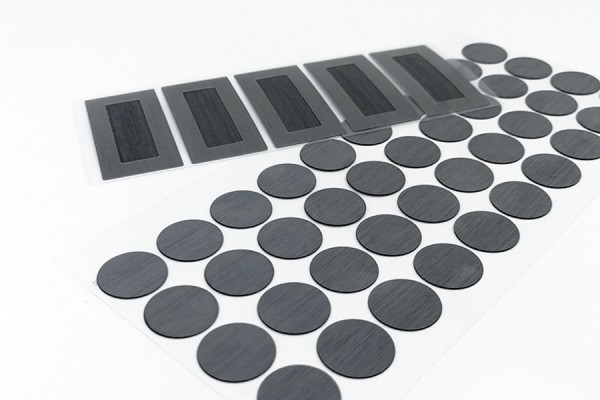
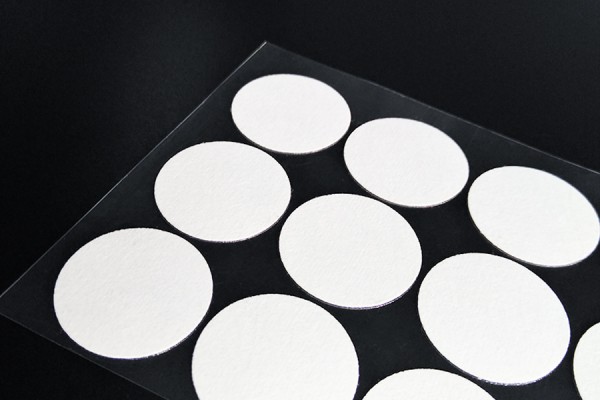
Polytetrafluoroethylene (PTFE) wrapping film stands out due to its exceptional chemical resistance, making it a preferred choice in industries requiring reliability in harsh environments. This quality is particularly vital for applications like high speed transmission lines, where PTFE wrapping tape ensures optimal performance and prevents degradation from corrosive substances. Additionally, PTFE Thread Seal Tape is widely used in plumbing and gas applications, providing a secure seal that withstands chemical exposure without compromising integrity. The ACC high-speed cable wrapping film further enhances this versatility, offering protection against various chemicals while maintaining flexibility and durability. Overall, the resistance to chemicals not only boosts the lifespan of equipment but also reduces maintenance costs across multiple sectors.
Durability and Reliability of PTFE Wrapping Film across Industries
Polytetrafluoroethylene (PTFE) wrapping film stands out for its exceptional durability and reliability when used across various industries. Its robust nature makes it an optimal choice for protecting cables, such as in the case of PTFE cable wrapping tape, which offers increased resistance to wear, chemicals, and temperature fluctuations. Additionally, AEC high-speed cable wrapping film is designed specifically for high-performance applications where consistent reliability is critically needed. This durability extends to different contexts, allowing PTFE wrapping films to maintain performance under challenging conditions. Similarly, the AOC high-speed cable wrapping film exemplifies how PTFE can enhance product longevity while providing insulation and protection from environmental stressors. Such reliability ensures that machinery and components operate smoothly while minimizing maintenance-related disruptions across sectors.
Innovative Uses of PTFE Wrapping Film in Medical and Aerospace Fields
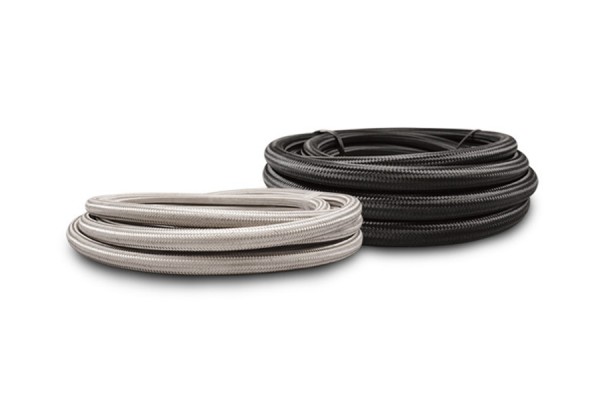
PTFE wrapping film has garnered attention in both medical and aerospace sectors due to its remarkable properties. In the medical field, its non-stick surface is crucial for preventing adhesion in surgical instruments, enhancing the performance and safety of various devices. Additionally, PTFE films are utilized in catheter coatings and diagnostic instruments to improve biocompatibility and reduce friction during procedures. In aerospace, PTFE wrapping film is prized for its lightweight and durable nature, making it ideal for insulating wires and cables exposed to high temperatures and harsh environments. This resilient material also serves as a protective layer for components subject to wear and corrosion, helping ensure long-term reliability in critical applications. The integration of PTFE wrapping film into these industries not only boosts efficiency but also meets rigorous performance standards essential for safety and functionality.
Enhancing Equipment Efficiency with Polytetrafluoroethylene (PTFE) Wrapping Film
Polytetrafluoroethylene (PTFE) wrapping film significantly enhances equipment efficiency across various applications. Its low friction properties minimize wear and tear on machinery, allowing components to operate smoothly and reducing maintenance costs. PTFE’s chemical resistance ensures that it withstands exposure to harsh substances, thereby protecting equipment integrity and extending service life. Additionally, the film’s ability to perform in extreme temperature ranges ensures consistent functionality, even in challenging environments. This reliability translates to reduced downtime and higher productivity in industrial processes. As a result, PTFE wrapping film serves as a valuable asset in optimizing equipment performance and achieving operational excellence.
Conclusion
The applications of Polytetrafluoroethylene (PTFE) wrapping film across various industries underline its significance in enhancing performance and reliability. Its unique properties, such as exceptional chemical resistance, durability, and low friction characteristics, contribute to improved operational efficiency. The film’s versatility is evident in sectors ranging from aerospace to medical, where it is utilized for cable insulation and surgical instrument protection. Furthermore, PTFE wrapping film consistently proves its worth by maintaining integrity under extreme conditions, ultimately leading to reduced maintenance costs and increased productivity. As industries continue to evolve, the role of PTFE wrapping film will likely expand, highlighting its importance in meeting rigorous performance standards across diverse applications.
FAQs
What is Polytetrafluoroethylene (PTFE) wrapping film used for?
PTFE wrapping film is widely used for insulation and protection in electrical applications, plumbing installations, and high-performance cable management.
How does PTFE wrapping film enhance equipment performance?
Its low friction properties reduce wear, while its chemical resistance and thermal stability protect machinery from harsh conditions.
Can PTFE wrapping film withstand extreme temperatures?
Yes, PTFE wrapping film maintains its integrity and performance even in high-temperature environments, making it suitable for diverse industrial applications.
What are the benefits of using PTFE in medical applications?
In the medical field, PTFE prevents instrument adhesion and enhances biocompatibility, improving safety and efficiency during procedures.
How does the durability of PTFE wrapping film affect maintenance costs?
The robust nature of PTFE wrapping film reduces the need for frequent replacements or repairs, leading to lower overall maintenance costs in various industries.