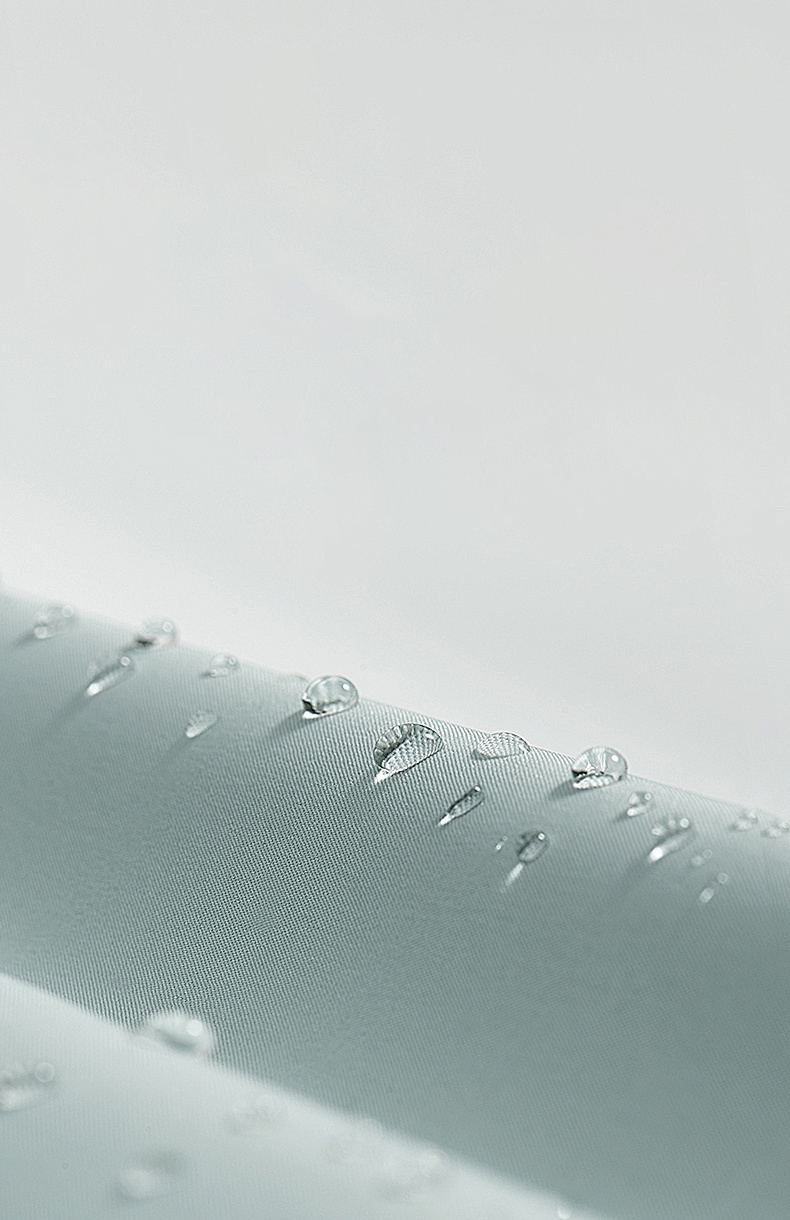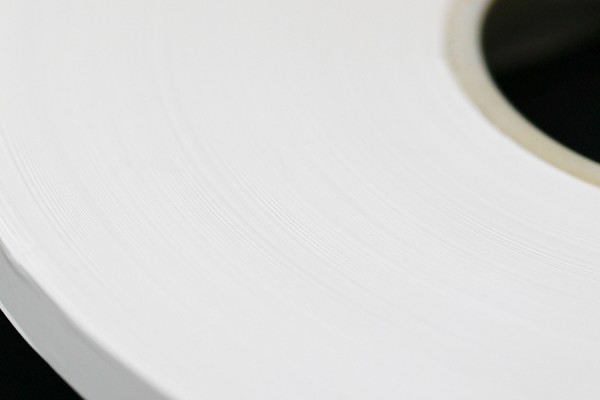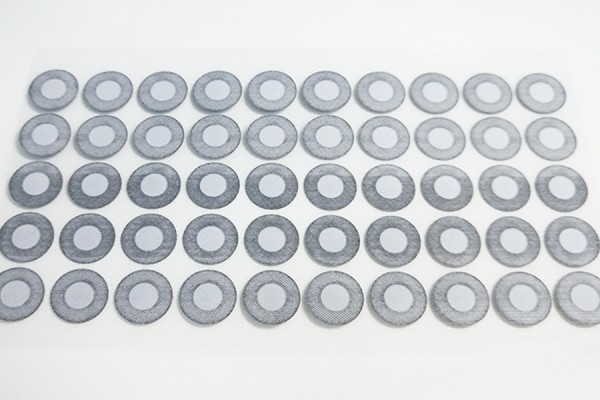
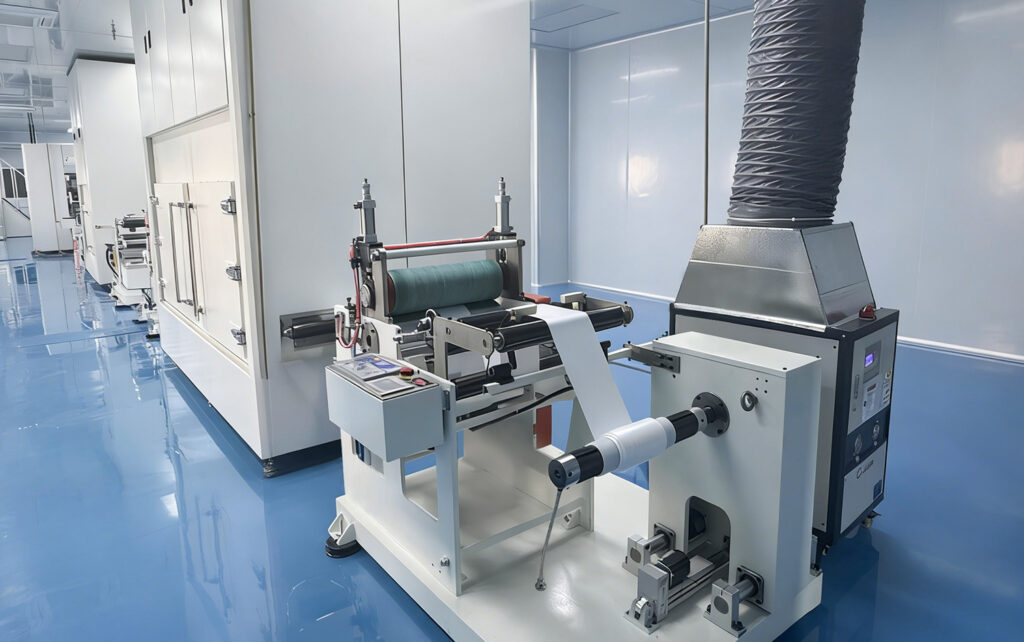
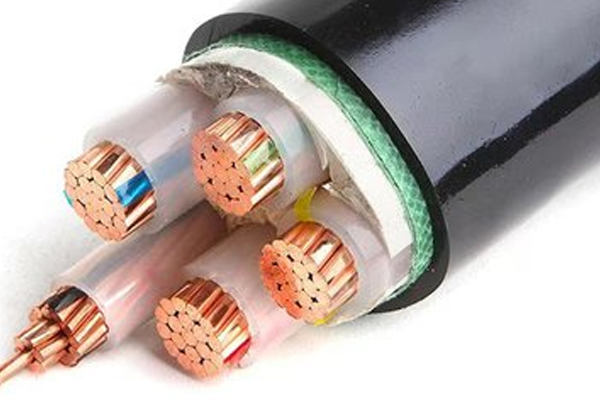
Polytetrafluoroethylene (PTFE) wrapping film demonstrates exceptional versatility and utility across multiple industries, notably due to its distinctive characteristics. The film’s chemical resistance ensures durability, even in harsh environments, allowing it to maintain performance when exposed to aggressive substances. Furthermore, the low friction attributes of PTFE significantly enhance the efficiency of machinery by minimizing wear and enabling smoother operations. As a result, industries like aerospace and food processing reap substantial benefits from using PTFE wrapping films for insulation and protection of critical components. The continual advancements in PTFE technology further solidify its position as a preferred material for industrial applications, ensuring that it meets evolving demands for safety and reliability.
Applications of Polytetrafluoroethylene (PTFE) Wrapping Film Across Industries
Polytetrafluoroethylene (PTFE) wrapping film is gaining traction across various industries due to its unique properties. Notably, the high speed transmission line PTFE wrapping tape is vital in electrical applications, providing essential insulation and protection for wires and connectors. Additionally, PTFE Thread Seal Tape is often employed in plumbing to create leak-proof seals, thanks to its resistance to harsh chemicals and high temperatures. In the telecommunications sector, PTFE cable wrapping tape ensures durability and performance under high frequency and temperature conditions. Emerging products like DAC high-speed cable wrapping film and AEC high-speed cable wrapping film are designed for optimal performance in demanding environments. Furthermore, PTFE cable roll coating contributes significantly to enhancing the longevity of cables by shielding them from potential damage through corrosion or abrasion. As industries continue to innovate, products like ACC high-speed cable wrapping film and AOC high-speed cable wrapping film are expected to transform how companies approach insulation in both standard and high-performance applications.
Exploring the Benefits of Polytetrafluoroethylene (PTFE) Wrapping Film
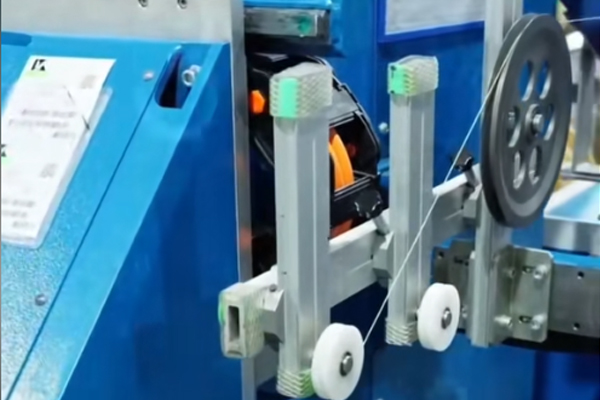
Polytetrafluoroethylene (PTFE) wrapping film offers a range of benefits, making it a valuable material across various industries. Its chemical resistance ensures longevity and reliability, particularly in challenging environments where exposure to aggressive substances is common. Additionally, the low friction properties of PTFE wrapping film facilitate smoother operations in machinery and electrical applications.
For instance, high speed transmission line PTFE wrapping tapeis designed to withstand intense conditions while maintaining performance integrity. In the realm of telecommunications, ACC high-speed cable wrapping filmeffectively protects sensitive wiring from environmental damage and enhances signal quality. Furthermore, high speed and high-frequency cable wrapping filmprovides the necessary insulation for critical applications such as aerospace and military communications.
"When selecting a wrapping film, consider both the operational environment and the specific technical requirements."
Incorporating PTFE wrapping films is a strategic move for industries looking to enhance product performance while ensuring longevity and reduced maintenance costs.
Understanding the Chemical Resistance of Polytetrafluoroethylene (PTFE) Wrapping Film
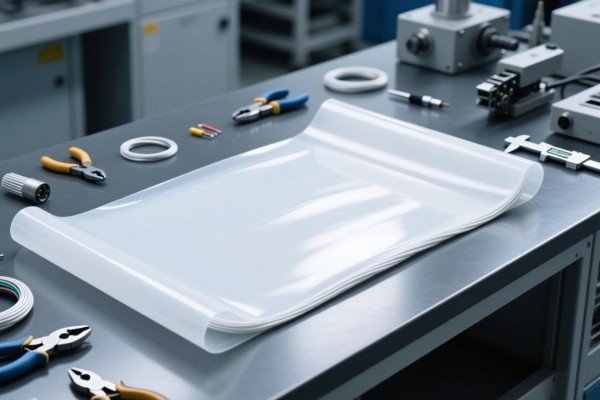
Polytetrafluoroethylene (PTFE) wrapping film is renowned for its exceptional chemical resistance, making it a preferred choice in various demanding environments. The film’s unique molecular structure allows it to withstand a wide range of corrosive substances, including acids, bases, and solvents. This property is particularly critical in industries such as petrochemical processing and pharmaceuticals, where exposure to harsh chemicals is commonplace. Additionally, PTFE does not react with most chemicals, ensuring that it maintains its integrity over time. This stability minimizes the risk of contamination and preserves the functionality of equipment and components wrapped in PTFE film. Whether in sealing applications or as insulation, the chemical resistance of PTFE wrapping film enhances reliability and performance across numerous industrial uses.
The Role of Polytetrafluoroethylene (PTFE) Wrapping Film in Aerospace and Food Processing
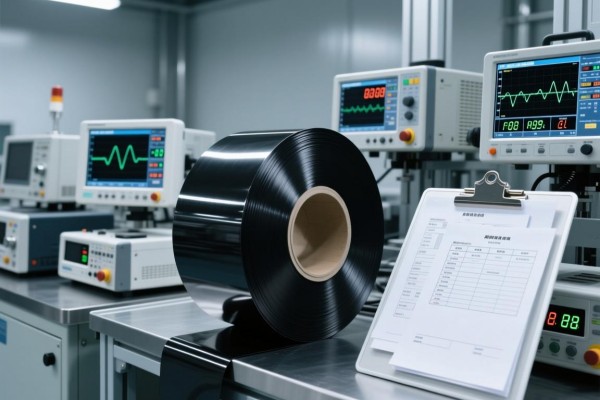
Polytetrafluoroethylene (PTFE) wrapping film plays a vital role in both aerospace and food processing industries due to its unique properties. In aerospace applications, the high-temperature resistance and chemical stability of PTFE wrapping film make it an ideal choice for insulating cables, protecting sensitive components from environmental factors. Furthermore, PTFE Thread Seal Tape is commonly utilized in sealing connections to prevent leakage of fuels and fluids, ensuring operational safety.
In the food processing sector, the non-toxic nature of PTFE allows for safe contact with food products. The use of PTFE cable roll coating provides effective insulation that withstands exposure to various cleaning agents, vital for maintaining hygiene standards. AEC high-speed cable wrapping film is particularly noted for its efficiency in protecting cables during high-speed operations, contributing to streamlined production processes. Overall, the functionality of PTFE wrapping film enhances performance across these critical industries by delivering reliability and safety.
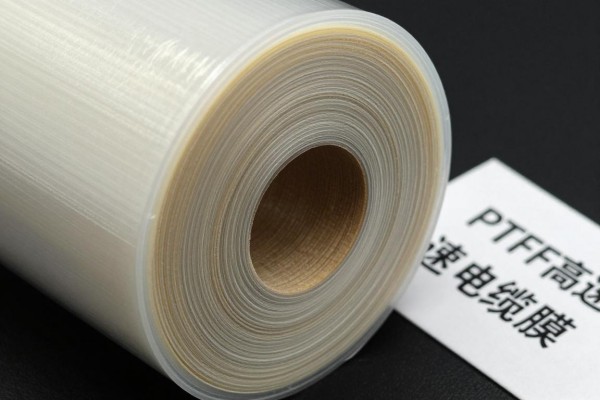
Low Friction Properties of Polytetrafluoroethylene (PTFE) Wrapping Film: Advantages and Uses
Polytetrafluoroethylene (PTFE) wrapping film is celebrated for its low friction properties, making it particularly valuable in various industrial settings. This film reduces friction between surfaces, which enhances the efficiency of moving parts in machinery and minimizes wear. Its non-stick surface means that it does not adhere to other materials, making it an excellent choice for applications where sticky residues can be problematic. For example, in the aerospace industry, PTFE wrapping film is utilized in components that require smooth movement under extreme conditions, ensuring reliable operation over extended periods. Similarly, in food processing equipment, this low friction characteristic aids in maintaining cleanliness and operational efficiency, as food particles are less likely to cling to surfaces. Overall, the benefits of PTFE wrapping film’s low friction properties contribute significantly to improved performance across multiple sectors.
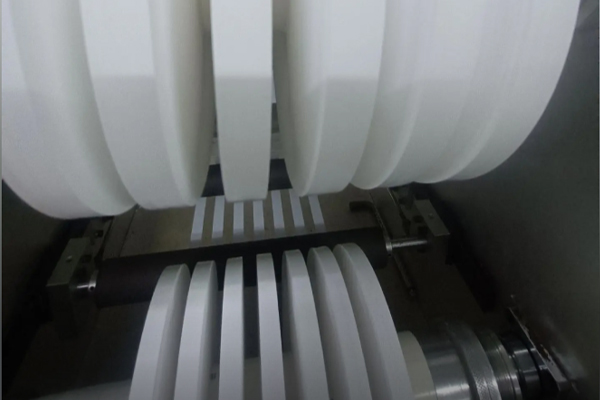
Innovations in Polytetrafluoroethylene (PTFE) Wrapping Film for Enhanced Performance
Recent advancements in Polytetrafluoroethylene (PTFE) wrapping film focus on improving durability and expanding its applications across various industries. Researchers are developing formulations that enhance the mechanical strength of PTFE, enabling it to withstand harsher conditions without compromising its chemical resistance. New manufacturing techniques allow for thinner films without reducing performance, making them more cost-effective and easier to use in complex assemblies. Additionally, some innovations include incorporating fillers that enhance thermal stability or modify the surface properties for better adhesion without losing the characteristic low friction benefits of PTFE. These enhancements position PTFE wrapping film as an even more versatile solution in sectors like electronics, automotive, and beyond.
Why Choose Polytetrafluoroethylene (PTFE) Wrapping Film for Industrial Applications?
Polytetrafluoroethylene (PTFE) wrapping film stands out as a premier choice for industrial applications due to its exceptional properties. Its remarkable chemical resistance makes it ideal for environments where exposure to harsh substances is common, ensuring longevity and reliability. In addition, the low friction characteristics of PTFE wrapping film help reduce wear and tear on equipment, thereby enhancing operational efficiency. Industries such as aerospace and food processing benefit greatly from these attributes, as they require materials that can withstand stringent safety and performance standards. Moreover, PTFE wrapping film’s versatility allows it to be easily customized for various applications, making it a cost-effective solution for manufacturers. This combination of durability, adaptability, and safety solidifies PTFE wrapping film’s role in modern industrial settings.
Comparing Polytetrafluoroethylene (PTFE) Wrapping Film with Traditional Materials
Polytetrafluoroethylene (PTFE) wrapping film stands out when compared to traditional materials such as PVC or polyethylene. One major advantage of PTFE is its superior chemical resistance, making it ideal for applications involving harsh substances. While traditional materials may degrade or lose effectiveness over time in corrosive environments, PTFE maintains its integrity, offering longevity and reliability. Furthermore, PTFE’s low friction properties contribute to reduced wear in dynamic applications, which is rarely matched by conventional films. Traditional materials often experience higher friction levels, leading to increased heat and potential breakdown during operations. This characteristic ensures smoother performance in industries where friction management is vital. Additionally, PTFE’s non-stick nature simplifies cleaning processes that would otherwise be cumbersome with traditional materials, enhancing overall efficiency in various settings.
Conclusion
The versatility and benefits of Polytetrafluoroethylene (PTFE) wrapping film make it an essential material across numerous industries. Its superior chemical resistance and low friction properties ensure that it meets the demands of challenging applications, from aerospace to food processing. Industries are increasingly adopting PTFE wrapping film not only for its functional advantages but also for its adaptability to specific operational needs. As innovations continue to evolve, PTFE wrapping film is likely to play an even more significant role in enhancing product performance and reliability while supporting sustainability efforts through its long-lasting nature. The commitment to harnessing these advanced materials showcases the importance of providing safe and effective solutions in various industrial environments.
FAQs
What industries commonly use Polytetrafluoroethylene (PTFE) wrapping film?
PTFE wrapping film is widely used in industries such as aerospace, food processing, telecommunications, and petrochemical.
How does PTFE wrapping film enhance operational efficiency?
The low friction properties of PTFE wrapping film reduce wear on machinery and facilitate smoother operations.
Is PTFE wrapping film resistant to chemicals?
Yes, PTFE wrapping film exhibits exceptional chemical resistance, allowing it to withstand exposure to many corrosive substances.
Can PTFE wrapping film be used in high-temperature applications?
Yes, PTFE wrapping film is designed to perform well under high-temperature conditions, making it suitable for demanding environments.
Why is PTFE considered a superior choice over traditional materials?
PTFE offers better chemical resistance and lower friction compared to traditional materials like PVC or polyethylene, ensuring longer service life and efficiency.