important Takeaways
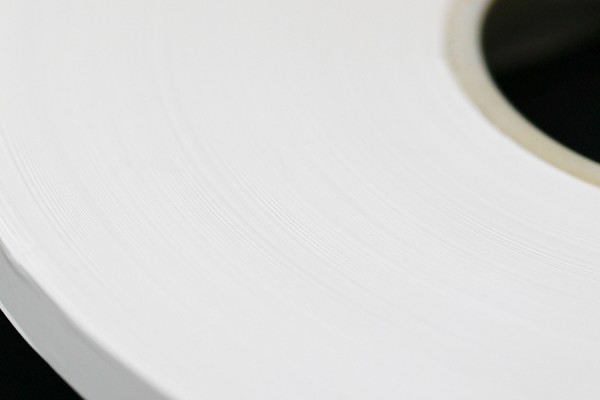
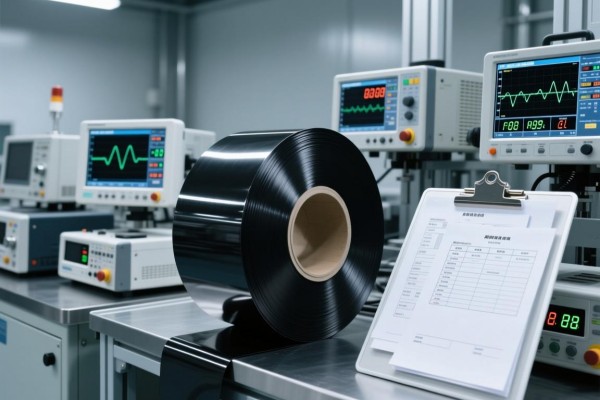
PTFE wrapping film stands out for its versatility and durability across many industries. It holds up in harsh environments, making it a common choice for protecting delicate equipment in aerospace and electronics. Its chemical resistance helps it stay intact when exposed to aggressive substances—crucial in chemical processing where degradation can mean costly failures. The film’s non-stick properties simplify cleaning and maintenance, which matters in food processing. Its flexibility lets it conform to different shapes, streamlining production. All of this adds up to reliability and better efficiency in demanding settings.
Versatile PTFE Wrapping Film Benefits
PTFE wrapping film offers numerous advantages across applications. Its durability makes it a reliable choice for high-speed transmission lines, where protection against physical and environmental stressors matters. Its chemical resistance helps it withstand exposure to aggressive substances without degrading, which is especially important in electrical settings where safety and performance are on the line.
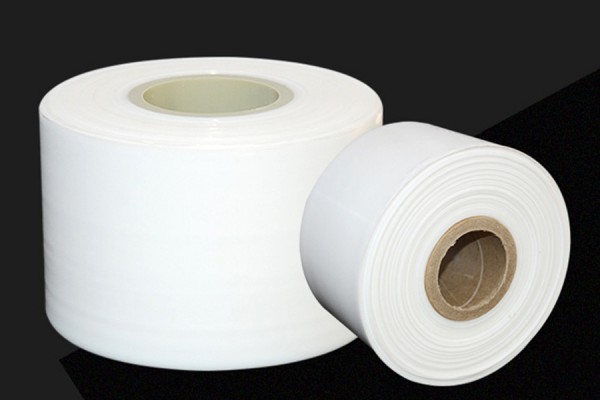
PTFE Thread Seal Tape is widely used in plumbing and industrial settings, providing a secure seal while resisting corrosion. Similarly, PTFE cable wrapping tape adds an extra layer of reliability for high-speed and high-frequency cables, preventing signal interference and deterioration. The flexibility of PTFE cable roll coating allows it to conform to various shapes and sizes, ensuring full coverage.
Moreover, specialized variations like DAC high-speed cable wrapping film and AEC high-speed cable wrapping film apply advanced formulations that cater to specific industry needs. This evolution reassures users of optimal performance regardless of environment or application demands.
"When choosing a wrapping film, make sure it fits your application."
Industrial uses of PTFE Film
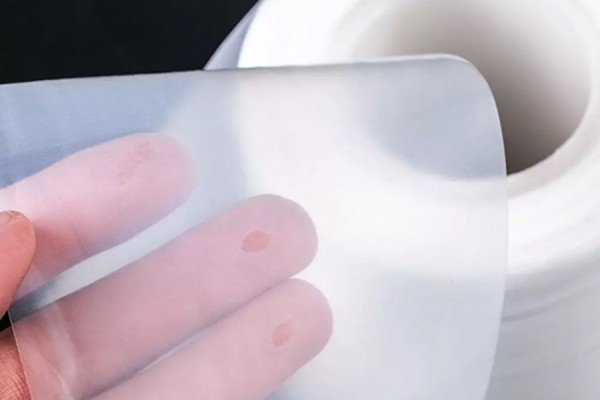
PTFE film serves a broad range of industrial applications thanks to its unique properties. In the aerospace sector, PTFE film is utilized for insulation and surface protection, contributing to weight reduction and efficiency. Its low friction and non-stick characteristics make it ideal for parts that experience high wear, such as bearings and seals. In the electrical industry, PTFE film is main for manufacturing components like capacitors and transformers, where reliable electrical insulation is vital. The chemical processing industry employs PTFE film for gaskets and linings in equipment prone to corrosive substances. PTFE’s resilience under extreme conditions also finds utility in manufacturing chemical tanks and pipes. also, food processing facilities leverage PTFE film due to its FDA-approved status, ensuring hygiene during operations. Its versatility enables integration into diverse manufacturing scenarios, showcasing the material’s adaptability in response to industry demands.
Enhancing durability with PTFE
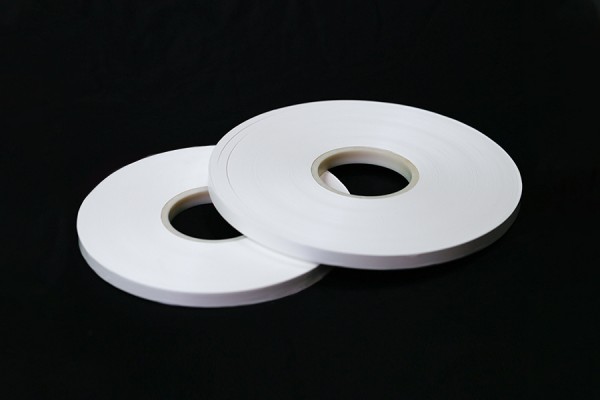
PTFE wrapping film exhibits impressive durability, making it a reliable choice for various applications. Its inherent resistance to wear and tear allows it to maintain integrity even in harsh conditions. For instance, in the aerospace industry, PTFE film can withstand extreme temperatures and pressures without compromising performance. This characteristic is especially beneficial in environments where equipment faces continuous stress and potential damage.
Furthermore, PTFE’s resilience against impacts contributes to its effectiveness as a protective wrapping. It safeguards underlying materials from mechanical abrasion and environmental effects, thus prolonging the lifespan of important components. Industries that require robust solutions, such as manufacturing and construction, often rely on PTFE wrapping films to protect machinery and ensure operational reliability.
In addition to physical toughness, PTFE offers electrical insulation properties that boost its durability in electronic applications. This film’s combination of thermal stability and chemical resistance ensures that it remains effective across a wide range of settings, making it a versatile material for those seeking long-lasting performance.
Chemical resistance of PTFE Materials
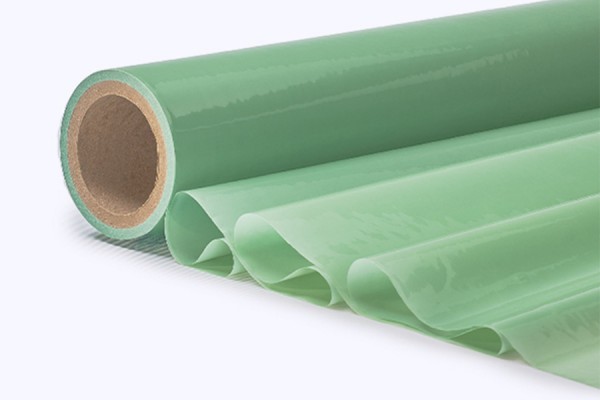
PTFE exhibits outstanding chemical resistance, which makes it ideal for various applications in industries prone to exposure to aggressive substances. This material withstands oxidizing agents, acids, and bases without degrading or compromising structural integrity. Its non-reactive nature ensures that PTFE remains stable even when in contact with harsh chemicals, which is essential in environments like chemical manufacturing and processing. furthermore, PTFE’s resistance to environmental stress cracking allows it to perform reliably under fluctuating temperatures and pressures. This durability protects equipment and maintains operational efficiency by reducing maintenance needs and extending the lifecycle of components. Overall, PTFE’s superior chemical resistance is paramount in ensuring safety and performance across demanding industrial landscapes.
PTFE Film in Demanding Settings
PTFE wrapping film is particularly valued in settings that demand high performance under extreme conditions. Its ability to withstand intense temperatures and harsh chemicals makes it ideal for industries like aerospace, electronics, and food processing. In aerospace, PTFE film provides reliable insulation and protection for critical components exposed to extreme thermal variations. The electrical industry benefits from its insulating properties, where it prevents short circuits and maintains integrity in high-voltage applications. In food processing, PTFE film ensures that surfaces remain non-stick and easy to clean, promoting hygiene without compromising on durability. Its resilience against corrosion further supports its use in the petrochemical sector, where exposure to aggressive substances is common. Across these sectors, PTFE wrapping film is a dependable solution that meets the rigorous demands of diverse operational environments.
Applications of PTFE Across Sectors
PTFE wrapping film serves a wide range of industries due to its unique properties. In the aerospace sector, it’s utilized for insulating and protecting sensitive electronic components, where durability and resistance to extreme temperatures are critical. The food processing industry also benefits from PTFE’s non-stick characteristics, ensuring hygiene and ease of cleaning in manufacturing processes. In the petrochemical field, PTFE is used for gaskets and seals that require excellent chemical resistance to prevent leaks and ensure safety. Moreover, the semiconductor industry relies on PTFE film for high-performance insulation materials needed in environments with extreme temperatures. Its non-reactivity makes it a favored choice in pharmaceuticals, where it protects sensitive equipment from contamination. These diverse applications across multiple sectors illustrate PTFE’s adaptability and reliability in challenging conditions.
Performance features of PTFE Wrapping
PTFE wrapping film displays several performance features that make it an ideal choice for various applications. Its low friction properties ensure smooth operations, which is essential in applications where movement is needed. The non-stick surface prevents material from adhering, facilitating easy cleaning and maintenance. PTFE also exhibits remarkable thermal stability, allowing it to perform well in extreme temperature conditions without degrading.
Moreover, its excellent chemical resistance protects against a wide range of corrosive substances, making it suitable for industries that handle aggressive chemicals. This durability extends the lifespan of equipment and reduces maintenance costs. The film’s flexibility allows it to conform to different shapes and surfaces, enabling versatile application across sectors such as aerospace, automotive, and manufacturing. These characteristics make PTFE wrapping film a reliable solution for demanding environments where performance and safety are critical.
original Uses for PTFE Films
PTFE films serve various original purposes, particularly in specialized applications requiring high performance. In the electronics sector, PTFE films are utilized as insulators in circuit boards, providing excellent dielectric properties that help in enhancing electrical efficiency. The medical field also benefits from PTFE films, where they are used as protective barriers for surgical instruments and for their non-stick coatings on devices that require sterilization. In the automotive industry, PTFE films are applied in fuel lines and gaskets, where their chemical resistance ensures longevity under harsh conditions. also, they are employed in manufacturing conveyor belts and food processing equipment due to their safety and hygiene compliance with FDA regulations. Their ability to withstand extreme temperatures further allows their use in aerospace applications, where reliability is essential. This diversity underscores the adaptability of PTFE films across sectors, catering to specific needs while maintaining performance integrity in demanding environments.
Conclusion
PTFE wrapping film’s extensive benefits render it an essential material across various industries. Its unique attributes ensure reliability and longevity, making it suitable for applications in aerospace, electrical, food processing, and more. The film’s impressive durability and chemical resistance allow it to perform admirably even in extreme environments where other materials may fail. By effectively safeguarding equipment and ensuring seamless operation, PTFE wrapping film supports industries focused on efficiency and safety. The adaptability of PTFE films to diverse applications demonstrates their value, enabling manufacturers to address specific challenges while maintaining operational excellence.
FAQs
What is PTFE wrapping film?
PTFE wrapping film is a high-performance material known for its durability, chemical resistance, and versatility in various industrial applications.
What industries commonly use PTFE wrapping film?
PTFE wrapping film is used across multiple industries, including aerospace, electronics, food processing, and petrochemicals.
How does PTFE wrapping film boost durability?
Its inherent resistance to wear and tear allows PTFE wrapping film to maintain its integrity even in harsh environments.
Is PTFE film safe for food processing?
Yes, PTFE films are FDA-approved for use in food processing due to their non-reactive nature and non-stick properties.
Can PTFE wrapping film withstand extreme temperatures?
Yes, PTFE wrapping film exhibits excellent thermal stability, making it suitable for use in environments with extreme temperature variations.