Key takeaways
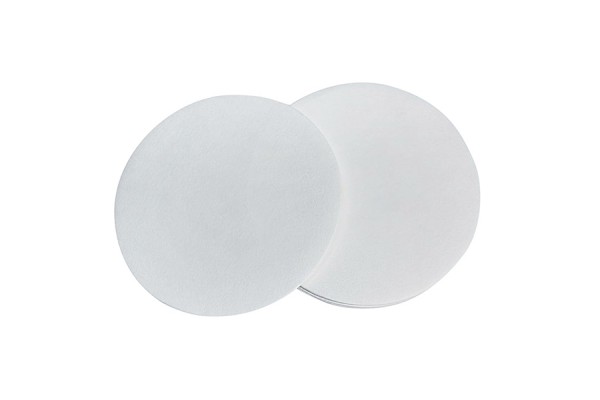
advancements in ePTFE membrane technology demonstrate a significant improvement in their properties, which are critical for effective industrial applications. Enhanced durability through innovative manufacturing processes allows these membranes to withstand diverse challenges, including mechanical stress and harsh environmental conditions. The ability of ePTFE membranes to prevent contamination boosts their reliability in sensitive areas, such as pharmaceuticals and food processing. Operational efficiency is another vital aspect, as these membranes help reduce energy consumption and maintenance needs while ensuring consistent performance. The versatility of ePTFE enables its application across various sectors, including electronics and aerospace. Future trends indicate ongoing innovations aimed at improving performance and sustainability, suggesting that ePTFE technology will continue to adapt to evolving industrial demands efficiently. Overall, the developments within ePTFE membrane technology underscore its essential role in modern industry and its potential for future advancements.
Advancements in ePTFE Membrane Properties
Recent advancements in ePTFE membrane technology have significantly enhanced their properties, making them essential in various industrial applications. These membranes are characterized by improved permeability and exceptional chemical resistance, allowing them to perform effectively even in challenging environments. The advancements include innovations that address durability, with new formulations increasing resistance to mechanical stress and thermal fluctuations. Additionally, the integration of high-speed transmission line PTFE wrapping tape into designs has further optimized performance, leading to better signal integrity. Similarly, PTFE wrapping films and PTFE Thread Seal Tape are now being utilized to improve the sealing capabilities of ePTFE membranes, minimizing leakage in sensitive applications. The use of DAC high-speed cable wrapping film, along with other high-speed cable technologies like AEC and AOC films, has contributed to enhanced operational efficiency by reducing friction losses and ensuring stable performance under varying conditions. These developments highlight the adaptability of ePTFE membranes across multiple sectors, placing them as a key material for modern industrial needs.
Enhancing durability in ePTFE Membranes
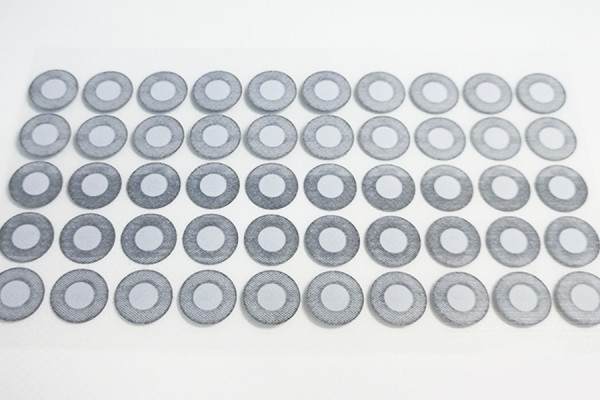
The durability of ePTFE membranes is significantly improved through various advanced manufacturing techniques and material enhancements. These modifications enable the membranes to withstand extreme mechanical stresses and environmental conditions, which are common in industrial applications. For instance, incorporating additives enhances the membrane’s ability to resist degradation from exposure to chemicals, temperature fluctuations, and humidity. This resilience is critical for sectors that require reliable performance under challenging conditions, such as energy production or chemical processing. Additionally, the structural design of ePTFE membranes can be optimized to absorb shock and flex without compromising integrity. The result is a product that not only performs well in standard situations but also maintains functional reliability over extended periods. This increased durability not only supports operational efficiency but also reduces costs associated with frequent replacements or maintenance.
Contamination prevention with ePTFE Technology
ePTFE technology offers significant advantages in contamination prevention across various industrial applications. Due to its unique porous structure, ePTFE membranes enable the selective filtration of particles, effectively blocking contaminants while allowing gases to pass through. This property is particularly valuable in sensitive environments, such as laboratories and pharmaceutical manufacturing, where even minute levels of contamination can compromise product integrity. The chemical resistance of ePTFE also plays a crucial role, as it can withstand harsh substances without degrading, ensuring reliable performance even in extreme conditions. By integrating ePTFE membranes into systems designed for air and liquid filtration, industries can achieve higher levels of safety and efficiency while reducing maintenance costs. Moreover, ongoing advancements aim to further enhance the capabilities of ePTFE technology, positioning it as a key solution for current and future challenges in contamination control.
Operational efficiency of ePTFE Membranes
ePTFE membranes contribute significantly to operational efficiency across various industrial sectors. Their unique properties, such as low friction and high chemical resistance, play a key role in enhancing equipment performance. This performance improvement leads to reduced energy consumption and prolonged equipment life. The membranes’ ability to maintain structural integrity under extreme temperatures and humid conditions allows them to operate effectively in challenging environments, minimizing the need for frequent maintenance or replacement.
Moreover, ePTFE technology prevents contamination in processes where precision is crucial. By creating a barrier against external particles, these membranes ensure consistent product quality and reduce downtime caused by contamination-related issues. Industries utilizing ePTFE membranes benefit from streamlined operations, as their inherent durability reduces operational interruptions caused by equipment failures. Overall, ePTFE membranes not only optimize performance but also promote sustainability through their ability to enhance resource efficiency while mitigating waste generation.
Industrial applications of ePTFE Membranes
ePTFE membranes are increasingly utilized across various industrial applications due to their unique properties. Their chemical resistance and durability make them suitable for equipment in sectors such as pharmaceuticals, food processing, and electronics. In the pharmaceutical industry, ePTFE membranes help maintain product integrity by preventing contamination during processes like filtration and packaging. In food processing, these membranes ensure hygiene and compliance with strict regulations by acting as barriers against contaminants while allowing suitable airflow.
Furthermore, in the electronics sector, ePTFE membranes are essential for protecting sensitive components from moisture and dust. They enhance the longevity of devices by providing reliable sealing solutions in harsh environments. Additionally, industries such as aerospace and automotive also benefit from ePTFE technology due to its thermal stability and lightweight nature, contributing to fuel efficiency and performance. The versatility of ePTFE membranes positions them advantageously for future innovations aimed at meeting the diverse demands of industrial applications.
ePTFE Membranes in Harsh Environments
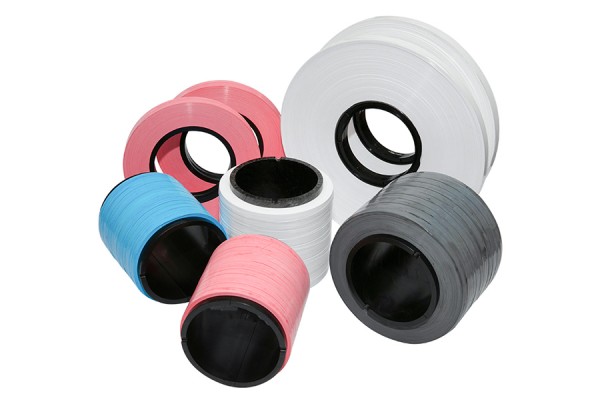
ePTFE membranes are designed to perform effectively under extreme conditions, making them suitable for various harsh environments. They exhibit remarkable resistance to a wide range of chemicals, high temperatures, and mechanical stress. This resilience is essential in industries such as pharmaceuticals and petrochemicals, where exposure to corrosive substances and fluctuating temperatures is common. The structure of ePTFE allows for a flexible yet robust performance, ensuring that physical integrity is maintained even during intense operational demands.
Furthermore, ePTFE membranes prevent contamination from external particles, which is crucial in controlled environments like clean rooms and laboratories. They significantly reduce the risk of leaks and structural failures in applications involving liquids or gases under pressure. As industries seek materials that can uphold performance while reducing maintenance times and costs, the durability and reliability of ePTFE membranes position them as an advantageous choice for manufacturers operating in challenging settings. This adaptability bolsters operational efficiency by minimizing downtime and extending the lifespan of equipment and systems utilizing these advanced materials.
Innovations in ePTFE for Fuel Cells
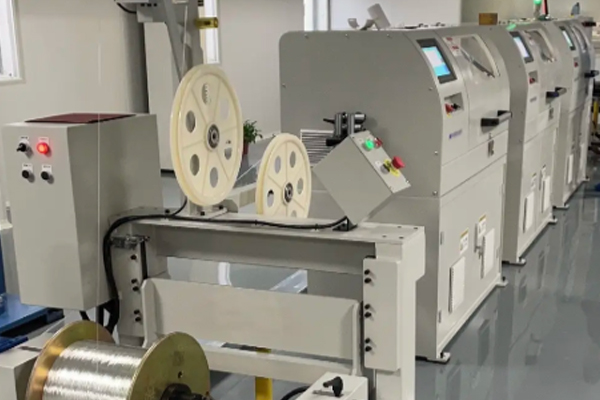
Innovations in ePTFE technology have significantly improved the performance of fuel cells, particularly by addressing issues related to mechanical stresses and durability. The unique properties of ePTFE membranes allow them to effectively manage the expansion and contraction that occurs during operation, especially under varying humidity conditions. This adaptability is vital for maintaining the operational integrity of fuel cells over time. Additionally, advancements in the membrane structure enhance ionic conductivity while reducing gas permeability, which is essential for optimizing fuel cell efficiency. These innovations also play a critical role in preventing contamination from external particles, ensuring longer service life and reliability. The ongoing development in ePTFE membranes positions them as a valuable component in the push toward cleaner energy solutions, enabling fuel cells to perform optimally within demanding industrial environments.
Future trends in ePTFE Technology
Emerging trends in ePTFE technology emphasize improvements in material properties and application versatility. Manufacturers are focusing on enhancing the permeability and chemical resistance of ePTFE membranes, which allows for greater adaptability in various industrial environments. The interaction between ePTFE and advanced composite materials enhances mechanical strength while maintaining lightweight characteristics, making them suitable for demanding applications. Research is also exploring the integration of ePTFE membranes with smart technologies, enabling real-time monitoring of conditions such as temperature and humidity. Additionally, sustainability remains a key consideration, driving innovations toward biodegradable alternatives in membrane production. The development of hybrid membranes that combine the benefits of ePTFE with other materials shows promise for increased efficiency and functionality across sectors, from aerospace to energy storage systems. As these technologies progress, they will likely address ongoing challenges in durability and operational efficiency, contributing to more effective solutions in varied industrial applications.
Conclusion
the advancements in ePTFE membrane technology signify a crucial shift towards enhancing durability, contamination prevention, and operational efficiency in various industrial applications. As industries continue to demand more resilient materials, ePTFE membranes are positioned to meet these challenges effectively. Improved chemical resistance and mechanical strength allow these membranes to perform reliably in harsh environments, thereby extending their lifespan and reducing maintenance needs. Furthermore, innovations such as smart technology integration open doors to real time monitoring capabilities, elevating their functionality. This evolution not only addresses existing challenges but also paves the way for future applications across diverse sectors such as energy production and pharmaceuticals. The ongoing research and development surrounding ePTFE membranes will likely yield even more effective solutions that respond to the growing need for sustainable, efficient materials in industrial settings.
FAQs
What is an ePTFE membrane?
An ePTFE membrane is a porous membrane made from expanded polytetrafluoroethylene, known for its chemical resistance, durability, and selective filtration capabilities.
What industries commonly use ePTFE membranes?
ePTFE membranes are used in various industries, including pharmaceuticals, food processing, electronics, aerospace, and energy production.
How do ePTFE membranes prevent contamination?
ePTFE membranes prevent contamination by selectively filtering particles while allowing gases to pass through, making them ideal for sensitive environments.
What are the advantages of using ePTFE membranes in fuel cells?
The advantages of using ePTFE membranes in fuel cells include improved mechanical stress management and enhanced ionic conductivity, which optimize overall efficiency.
How do advancements in ePTFE technology improve operational efficiency?
Advancements in ePTFE technology enhance operational efficiency by reducing energy consumption, minimizing maintenance needs, and ensuring consistent performance under extreme conditions.
Can ePTFE membranes withstand harsh environmental conditions?
Yes, ePTFE membranes are designed to endure a wide range of chemical exposures and temperature fluctuations while maintaining structural integrity.
What innovations are being explored in ePTFE technology?
Innovations include integrating smart technologies for real-time monitoring and developing hybrid membranes that combine the benefits of different materials for enhanced functionality.