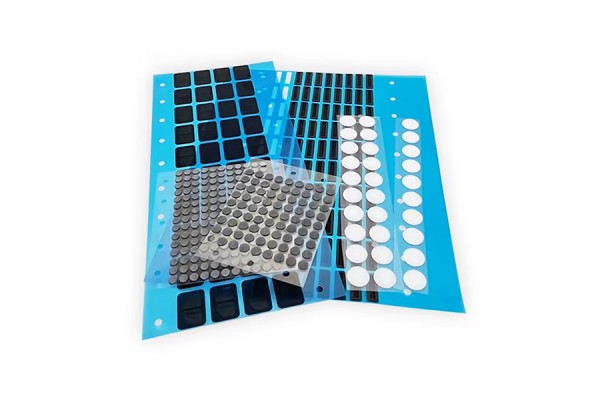
important Takeaways
ePTFE membranes represent a significant advancement in material technology, blending waterproof and breathable properties that cater to an array of critical applications. Their microporous structure enables them to effectively filter moisture while repelling liquid water, making them ideal for environments where such traits are essential. The resilience of ePTFE against harsh chemicals and varied pH levels increases its utility across diverse sectors—especially in electronics and medical devices, where reliability is paramount. Moreover, the lightweight yet strong nature of ePTFE facilitates efficient design in various applications without compromising functionality. As industries increasingly prioritize sustainability and performance efficiency, ePTFE’s versatility positions it as a cornerstone material that meets the evolving needs of modern manufacturing and product innovation. Continuous enhancements in production techniques promise to unlock further applications for ePTFE membranes, ensuring they remain at the forefront of technological advancements across multiple fields.
Advancements in ePTFE Technology
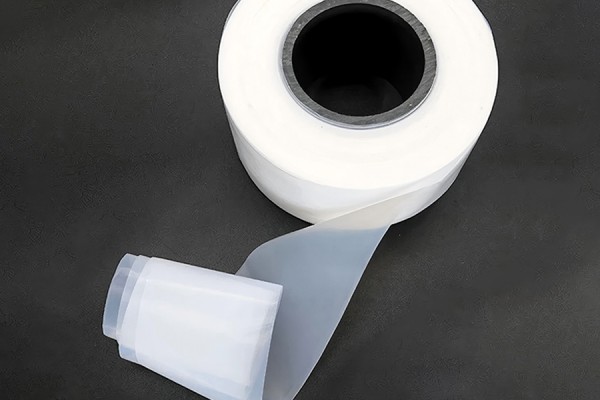
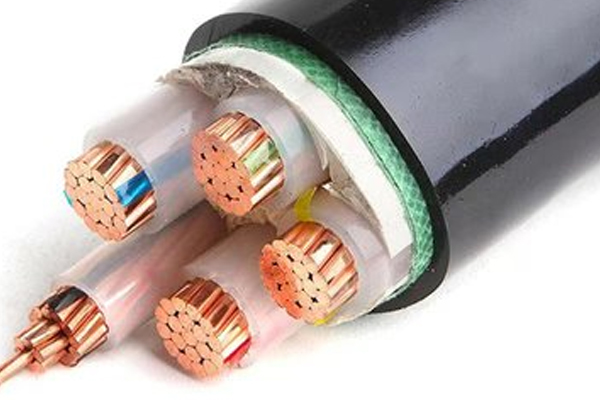
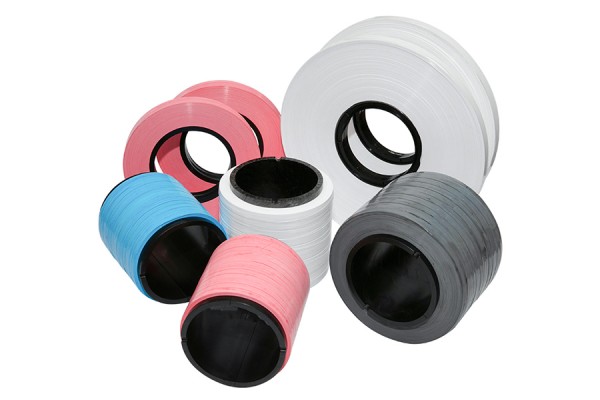
Recent advancements in ePTFE technology have led to improved performance characteristics, making these membranes indispensable in various applications. Innovations have resulted in the development of high-speed transmission line PTFE wrapping tape and PTFE wrapping film, which ensures efficient signal transmission while maintaining insulation integrity. These materials resist extreme environmental factors, enhancing longevity and reliability in often harsh applications, such as high-frequency cable systems.
Furthermore, enhanced formulations for PTFE cable wrapping tape and PTFE cable roll coating are now available, providing superior chemical resistance and mechanical strength. With the introduction of DAC, AEC, AOC, and ACC high-speed cable wrapping films, manufacturers can achieve better stability in signal quality over longer distances.
"The evolution of ePTFE membranes reflects a growing demand for materials that can withstand modern technological challenges while ensuring optimal performance."
furthermore, these developments ensure membranes can handle a broader pH range (1-14), effectively filtering corrosive chemicals without compromising structural integrity. This continuous improvement positions ePTFE technology as a leader in not only electronic applications but also in sectors focused on environmental protection.
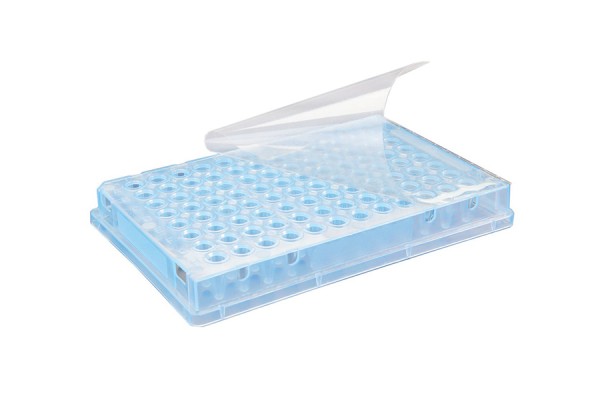
ePTFE Membranes Explained
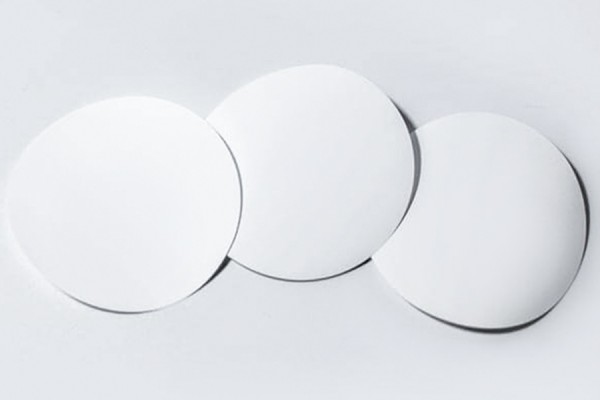
ePTFE membranes are made from expanded polytetrafluoroethylene, a polymer known for its unique structure that consists of billions of microscopic pores. These pores measure around 0.1 microns in size, allowing vapor to pass through while preventing liquid water from penetrating. This characteristic makes ePTFE membranes both waterproof and breathable, ideal for a variety of applications. In electronics, they provide vital insulation and protection for sensitive components, preventing moisture damage while facilitating optimal performance. In the medical field, their biocompatibility and resistance to bodily fluids make them suitable for use in devices like catheters and wound dressings. Furthermore, ePTFE’s chemical resistance enhances its performance in environmental filtration systems where it effectively filters out pollutants and particulate matter from air and water sources. Its versatility extends to renewable energy applications as well, where it’s used to improve the efficiency of batteries and fuel cells. The ongoing advancements in ePTFE technology continue to expand its utility across multiple industries, positioning it as a critical material in modern manufacturing solutions.
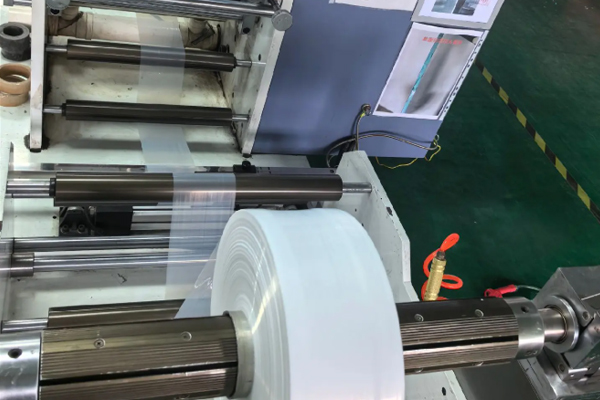
main Benefits of ePTFE
ePTFE membranes offer a unique combination of waterproof and breathable characteristics, setting them apart in various applications. Their minimum pore size of 0.1 microns allows vapor to pass through while effectively blocking water, making them ideal for environments where moisture control is essential. The inherent chemical resistance of ePTFE means it can withstand exposure to aggressive substances across a wide pH range, enhancing its durability in challenging conditions.
These membranes are lightweight yet strong, contributing to their versatility in industries such as electronics, where they protect sensitive components without adding significant weight. also, the thermal stability of ePTFE ensures performance consistency under varying temperature conditions. This resilience extends to their role in medical applications where sterile environments are main; ePTFE’s properties help maintain hygiene and safety. Furthermore, the material’s low dielectric constant benefits electronics through efficient signal transmission while providing environmental protection by repelling water and dirt.
ePTFE in Medical Solutions
ePTFE membranes play a vital role in various medical applications due to their unique properties. Their biocompatibility makes them suitable for use in artificial blood vessels, where they help restore normal blood flow while minimizing rejection by the body. Wound dressings benefit from the breathable nature of ePTFE, allowing for moisture vapor transmission while keeping external contaminants out, which is essential for faster healing. In sterilizing filtration membranes, ePTFE is an effective barrier against bacteria and other pathogens, ensuring safety in medical environments. furthermore, its use in medical catheters provides flexibility and durability while maintaining a sterile environment, important for patient care. The chemical resistance of ePTFE also stands out, enabling its application across various pH levels, making it reliable even when exposed to corrosive substances used in medical procedures. These attributes solidify the essential role that ePTFE membranes play in enhancing medical solutions and improving patient outcomes across healthcare settings.
Future of ePTFE Membranes
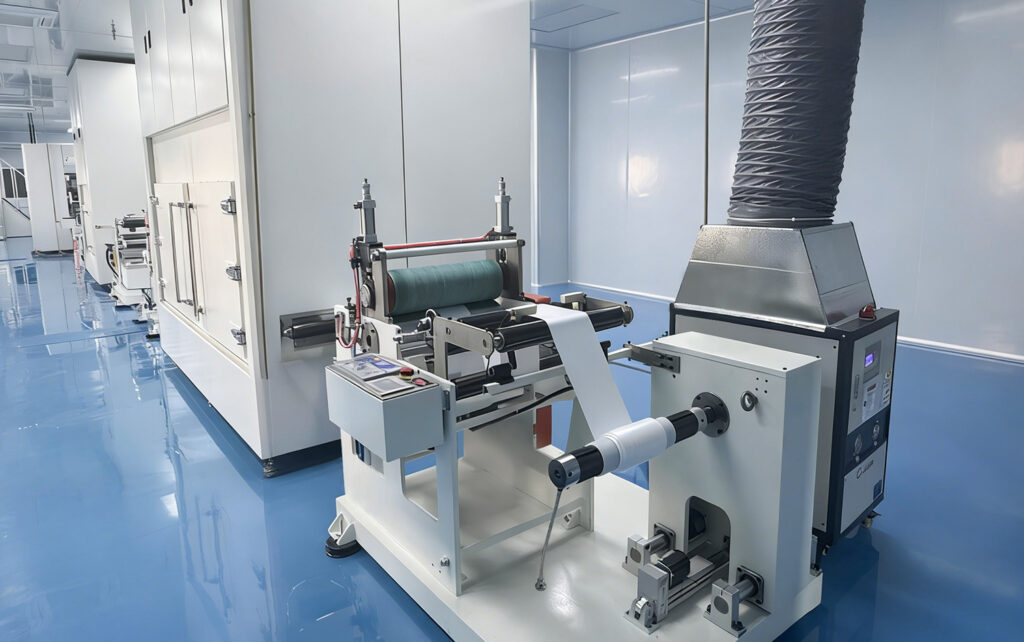
The future of ePTFE membranes looks promising as technological advancements drive innovation. Enhanced manufacturing techniques are leading to improved membrane structures with finer pore sizes, optimizing breathability and waterproofing. Research continues into specialized applications, including multifunctional membranes that integrate filtration with acoustic properties for use in advanced electronic devices. As industries become increasingly focused on sustainability, ePTFE’s role in environmental protection is expected to grow. Manufacturers are exploring biodegradable and recyclable options within this material family, ensuring compliance with eco-friendly standards. Moreover, advancements in surface treatments aim to improve chemical resistance and oil repellency further, broadening the range of corrosive environments where ePTFE can be effectively employed. This evolution positions ePTFE membranes as vital components in emerging technologies such as hydrogen fuel cells and electric vehicle systems, meeting the evolving demands for performance and efficiency across various fields.
Applications of ePTFE Today
ePTFE membranes are versatile and find extensive applications across multiple sectors. In the electronics industry, they serve as insulation for high-speed cables, ensuring efficient signal transmission while resisting water and dirt ingress. The medical field uses ePTFE membranes in devices like artificial blood vessels and wound dressings, where their biocompatibility and permeability are main for patient safety. Environmental filtration benefits from ePTFE’s ability to effectively filter airborne contaminants while offering chemical resistance for industrial applications. In renewable energy, these membranes support innovations in battery technology and fuel cells, where they boost efficiency by allowing necessary gas exchange while preventing liquid intrusion. Beyond these areas, ePTFE is applied in construction as waterproof barriers and in aerospace for insulation components. Its adaptability makes it an essential material, addressing both functional performance and durability needs across diverse industries.
ePTFE for Environmental Protection
ePTFE membranes play an essential role in environmental protection, particularly in filtration applications. Their microporous structure effectively captures particulate matter, ensuring cleaner air and water. In industrial settings, these membranes assist in dust control by preventing the escape of harmful particles into the atmosphere. They are also vital in flue gas desulfurization and denitrification processes, where they help to minimize emissions from power plants and manufacturing facilities. This capability not only supports regulatory compliance but also contributes to cleaner environments.
Furthermore, ePTFE membranes excel in water treatment applications by blocking contaminants while allowing for efficient water flow. Their chemical resistance allows them to function effectively across varying pH levels, providing reliable filtration even when exposed to corrosive substances. In summary, the versatility and effectiveness of ePTFE membranes make them important tools in promoting sustainable practices and reducing environmental impact across various industries.
Enhancing electronics with ePTFE
ePTFE membranes play a critical role in the electronics sector, particularly in improving the performance and durability of devices. Their low dielectric constant insulation is instrumental for high-speed signal transmission in applications like 5G and upcoming 6G technologies. This property ensures minimal signal loss, which is important for maintaining reliability in fast-paced electronic communications. Moreover, ePTFE’s microporous structure protects sensitive components from environmental factors such as moisture and dust, which can lead to performance degradation. This advantage is particularly important for consumer electronics where longevity and performance are paramount.
In devices such as smartphones and laptops, ePTFE membranes help maintain internal pressure balance while providing acoustic insulation, thereby reducing sound transmission loss. Their application extends to other high-performance electronics like semiconductors, where they assist in chemical filtration processes essential for maintaining component integrity. The remarkable thermal tolerance and chemical resistance of ePTFE contribute to its suitability for these applications, providing stability across a wide range of operating conditions. This versatility makes ePTFE an integral material as the demand for advanced electronic devices continues to grow across various markets.
Conclusion
the advancements in ePTFE membranes have profoundly impacted various industries, demonstrating their versatility and efficacy. The unique properties of ePTFE, particularly its waterproof yet breathable characteristics, will continue to provide essential solutions in electronics, medical applications, environmental filtration, and renewable energy. As industries evolve with increasing demands for efficiency and sustainability, ePTFE membranes will likely see enhanced formulations and applications that meet these needs. The continuous innovation in manufacturing processes promises to yield membranes with improved performance metrics suitable for some of the most challenging environments. As these materials become integral to more applications, their role in promoting health, safety, and environmental protection will remain main. The trajectory of ePTFE technology suggests a future where its potential is fully realized across diverse fields, ultimately strengthening its presence in modern manufacturing and design solutions.
FAQs
What are ePTFE membranes used for?
ePTFE membranes are utilized in various applications, including electronics, medical devices, environmental filtration, and renewable energy.
How do ePTFE membranes work?
These membranes function by allowing vapor to pass through while blocking liquid water, thanks to their microporous structure.
Are ePTFE membranes safe for medical applications?
Yes, ePTFE membranes are biocompatible and commonly used in medical devices like catheters and wound dressings.
What advantages do ePTFE membranes offer in electronics?
In electronics, ePTFE membranes provide insulation, protect sensitive components from moisture and dust, and facilitate efficient signal transmission.
Can ePTFE membranes withstand harsh chemicals?
Yes, ePTFE is highly resistant to a wide range of chemicals and can maintain its integrity even in corrosive environments.
How do ePTFE membranes contribute to environmental protection?
They capture airborne contaminants and are effective in filtration processes that help minimize pollutants in air and water systems.
What makes ePTFE unique compared to other materials?
ePTFE’s unique combination of waterproof yet breathable characteristics makes it particularly effective for demanding applications.
Is there ongoing research or improvements in ePTFE technology?
Yes, advancements continue to focus on enhancing performance characteristics and exploring new applications across various industries.