main Takeaways
The advancements in Teflon film technology present noteworthy implications for various industrial applications. Industries are increasingly recognizing benefits such as enhanced efficiency, improved safety features, and greater durability when utilizing Teflon film solutions. The film’s low friction properties minimize machinery wear, helping to streamline production processes and reduce maintenance costs. Furthermore, Teflon’s chemical resistance and thermal stability make it suitable for challenging environments, including automotive and electronics manufacturing. The integration of new production techniques also leads to cost savings while adhering to strict quality standards. As organizations continue to adopt Teflon films, they signal a shift toward materials that not only boost operational performance but also align with sustainability objectives, ultimately shaping the future situation of industrial solutions. These aspects emphasize the role of Teflon film as a critical element in meeting contemporary manufacturing needs while ensuring safety and efficiency across multiple sectors.
Advancements in Teflon Film
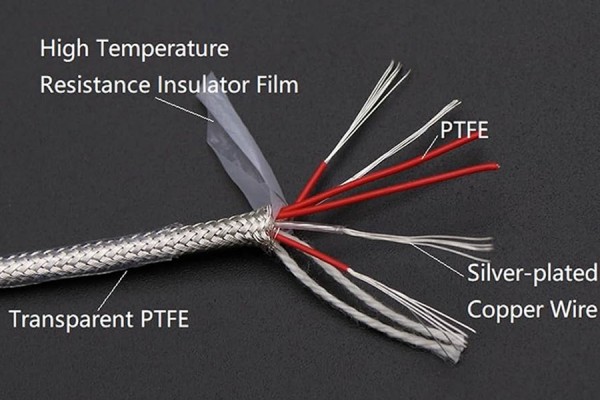
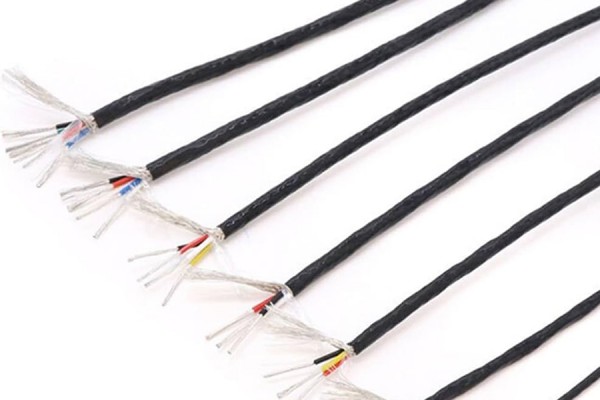
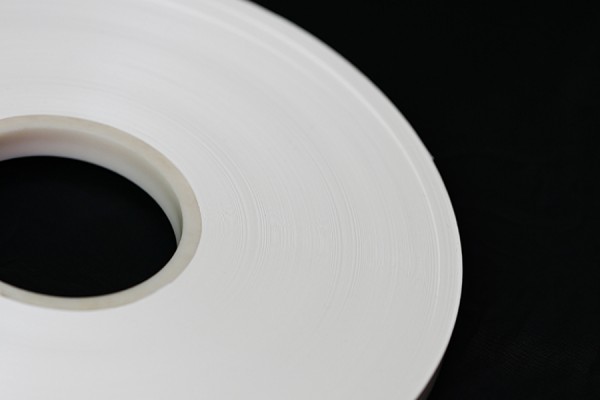
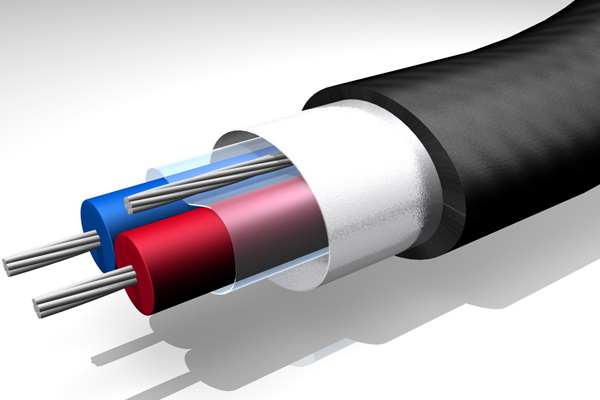
Recent developments in Teflon film technology have led to significant improvements in various industrial applications. Innovations such as high-speed transmission line PTFE wrapping tape and PTFE wrapping film have emerged, enhancing performance in demanding environments. These advanced materials boast properties like excellent chemical resistance and thermal stability, making them ideal for use in manufacturing processes and safety applications. The introduction of PTFE Thread Seal Tape and PTFE cable wrapping tape has revolutionized how industries ensure secure and efficient connections. Moreover, products like DAC high-speed cable wrapping film, AEC high-speed cable wrapping film, AOC high-speed cable wrapping film, and ACC high-speed cable wrapping film are now utilized for their superior insulating properties. These advancements contribute to greater efficiency in operations while bolstering safety standards across the sectors they serve. The ongoing evolution of Teflon films continues to influence industrial solutions positively, offering a blend of durability and versatility that meets the diverse needs of modern manufacturing environments.
Teflon film breakthroughs
recent advancements in Teflon film technology have led to significant improvements in its properties and applications. Researchers are exploring new formulations that boost the film’s thermal stability and chemical resistance, which are vital for industrial processes. For example, innovations such as multi-layer constructions enable better barrier properties while maintaining flexibility. These developments are particularly useful in manufacturing environments where extreme temperatures and corrosive substances are present.
Moreover, the integration of Teflon films with other materials is showing promise in maximizing performance. This synergy not only improves the durability of end products but also contributes to energy efficiency in production processes. Companies are also focusing on creating thinner films without compromising strength, making them ideal for applications that require lightweight yet robust materials.
"The evolution of Teflon film technology is essential for meeting the demands of modern industries, pushing boundaries and enabling more efficient manufacturing solutions."
original Teflon Applications
Teflon film has found diverse applications across multiple industrial sectors, owing to its unique properties. One significant area is the electronics industry, where Teflon film acts as an insulator in circuit boards and connectors. This application enhances the reliability of electrical systems by providing superior resistance to heat and chemicals. In the automotive sector, Teflon film is used in gaskets and seals, contributing to improved engine performance and longevity by preventing leaks. Furthermore, Teflon’s non-stick characteristics are beneficial in food processing equipment, ensuring efficient production while minimizing waste. Another notable application is in medical devices, where Teflon film’s biocompatibility allows for its use in implants and surgical tools. As industries seek more efficient materials that can withstand harsh conditions, Teflon continues to rise as a preferred choice for enhancing operational effectiveness. These applications not only point out the versatility of Teflon but also its role in driving innovation across various fields.
Teflon in Manufacturing Efficiency
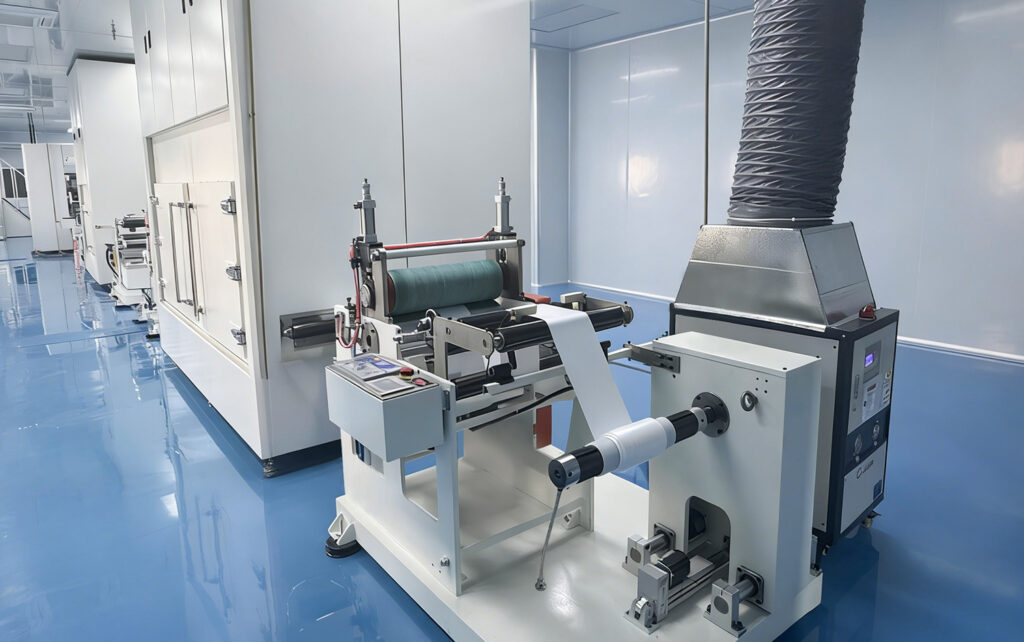
Teflon film plays a significant role in improving manufacturing efficiency across various industries. Its low friction properties minimize wear on machinery, resulting in less maintenance and downtime. Teflon film’s heat resistance allows it to function effectively in high-temperature environments, making it ideal for processes that involve heat sealing or thermal bonding. also, the non-stick nature of Teflon reduces the adherence of materials, allowing for smoother workflows and less material waste. Industries such as automotive and aerospace have benefited from implementing Teflon film solutions, enhancing productivity while maintaining stringent quality standards. As manufacturers seek to optimize operations, the adoption of Teflon film leads to streamlined processes and cost savings, ultimately contributing to a more efficient production environment.
Trends in Teflon Technology
Recent advancements in Teflon technology have shifted the focus towards enhanced sustainability and efficiency. Manufacturers are increasingly using eco-friendly production methods, reducing waste, and minimizing energy consumption. new applications of Teflon films are emerging across various sectors, including automotive and electronics, where lightweight materials can significantly impact performance. Advanced coating techniques are also being developed to create more durable surfaces that resist wear and tear. Furthermore, the integration of smart technology allows for Teflon films to be embedded with sensors for real-time monitoring of environmental conditions, thus improving safety measures in industrial applications. As research progresses, the potential for Teflon films to adapt to diverse uses continues to grow, promising higher efficiency and durability in demanding industrial environments. This evolution reflects a broader industry trend toward materials that not only perform well but also align with sustainability goals.
Benefits of Teflon Film Solutions
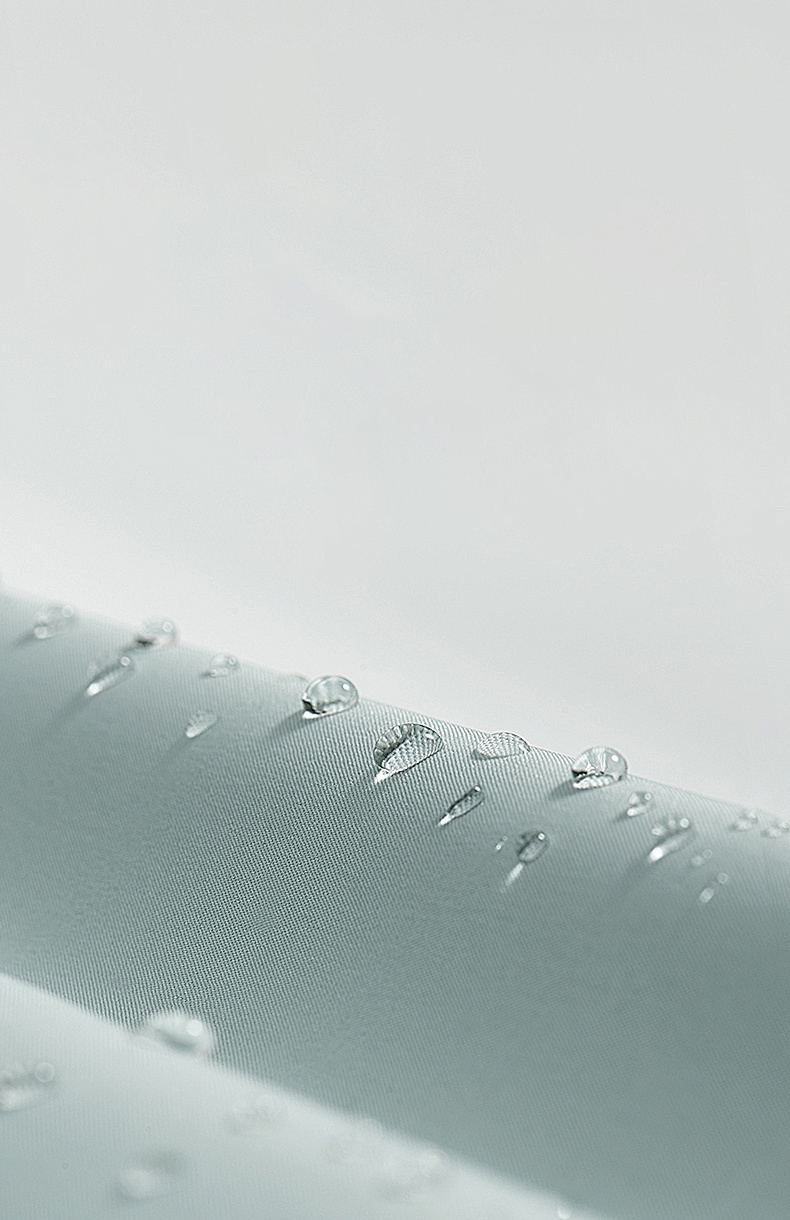
Teflon film solutions provide distinct advantages across various industrial applications. One important benefit is the exceptional chemical resistance these films offer. They effectively withstand harsh environments, ensuring durability and longevity in manufacturing processes. also, Teflon films contribute to improved efficiency by reducing friction and heat buildup, which is particularly beneficial in machinery operations. This friction reduction leads to lower energy consumption, encouraging sustainable practices within industries. Furthermore, Teflon films are non-stick and easy to clean, decreasing maintenance time and costs. Industries utilizing these solutions can enjoy enhanced safety features, as the films help prevent contamination in sensitive environments. These benefits mention how Teflon film technology can play a key role in optimizing performance across manufacturing and safety sectors, driving innovation and productivity forward.
Boosting performance with Teflon
Teflon film offers numerous performance advantages that are transforming various industrial applications. Its unique properties, such as low friction, high temperature resistance, and chemical inertness, contribute to enhanced efficiency in manufacturing processes. For instance, Teflon films reduce wear and tear on machinery by minimizing friction during operation, which leads to longer equipment lifespans and reduced maintenance costs. In the realm of safety, Teflon film’s ability to withstand harsh environments allows for its use in protective gear and safety equipment that require high-performance materials. This reliability ensures that safety solutions maintain their integrity even under extreme conditions. also, the lightweight nature of Teflon film contributes to overall product efficiency by reducing the weight of components without sacrificing durability. As industries continue to seek new materials that deliver superior performance, Teflon film stands out as a important solution that meets these evolving demands.
Teflon for Safety Enhancements
Teflon film plays a significant role in enhancing safety across various industrial environments. Its inherent non-stick properties reduce the risk of chemical reactions and facilitate safer handling of hazardous materials. This film is resistant to high temperatures and aggressive chemicals, making it an for protective coverings in manufacturing settings. Industries adopting Teflon solutions can benefit from improved equipment longevity, as this material minimizes wear and tear on machinery components. also, Teflon’s electrical insulation properties contribute to workplace safety by preventing electrical hazards. Emerging applications include using Teflon film in protective gear, particularly for workers exposed to extreme conditions or harmful substances. By integrating Teflon into safety protocols, companies not only protect their personnel but also promote a culture of safety that can lead to lower accident rates and boost productivity overall.
Conclusion
the advancements in Teflon film technology have undoubtedly transformed industrial solutions, impacting various sectors from manufacturing to safety. As industries increasingly recognize the important benefits of these films, they are adopting Teflon solutions not just for efficiency, but also for enhanced safety. The continuous exploration of original applications solidifies Teflon’s position as a important material in modern engineering. By improving performance and reducing operational hazards, Teflon films cater to the growing demand for durable and reliable materials that meet rigorous industrial standards. The ongoing evolution of this technology suggests that Teflon will remain integral in shaping future industrial practices, driving productivity while supporting safety initiatives across diverse applications.
FAQs
What is Teflon film?
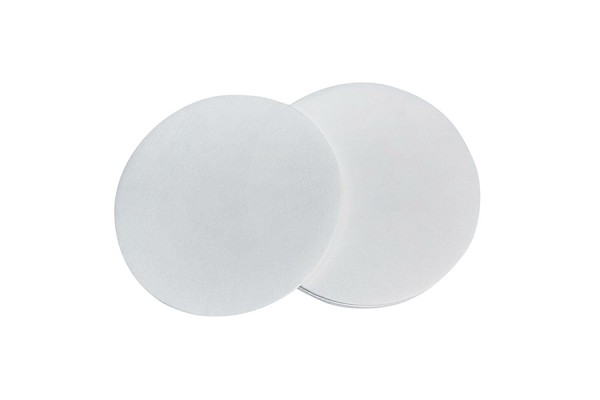
Teflon film is a high-performance material made from polytetrafluoroethylene (PTFE) that offers exceptional chemical resistance, thermal stability, and non-stick properties.
What industries benefit from Teflon film applications?
Various industries benefit, including electronics, automotive, food processing, and healthcare, utilizing Teflon film for insulation, seals, and protective coatings.
How does Teflon film improve manufacturing efficiency?
Teflon film minimizes friction and wear on machinery, reduces heat buildup, and streamlines production processes, resulting in lower maintenance costs and enhanced output.
Are there any safety advantages linked to using Teflon film?
Yes, Teflon film enhances safety by providing excellent insulation properties and reduces the risk of chemical reactions in industries handling hazardous materials.
What trends are shaping the future of Teflon technology?
Emerging trends include sustainable production methods, smart technology integration for real time monitoring, and the development of thinner films that maintain strength.