important Takeaways
PTFE cable tape wrapping improves electrical insulation across many applications. Its high-temperature tolerance allows reliable performance even in extreme conditions, meeting the needs of aerospace and telecommunications sectors. The material’s flexibility lets it conform to different cable shapes, delivering a snug fit that protects against environmental factors. PTFE’s chemical resistance helps prevent degradation from harsh substances, which matters in industrial settings. By reducing signal loss, PTFE cable wraps support the integrity of high-frequency communications essential for modern electronics. These features show the role PTFE tape plays in safety and performance standards in electrical systems, making it a preferred choice among engineers and manufacturers who value reliability.
Enhancing insulation with PTFE Wraps
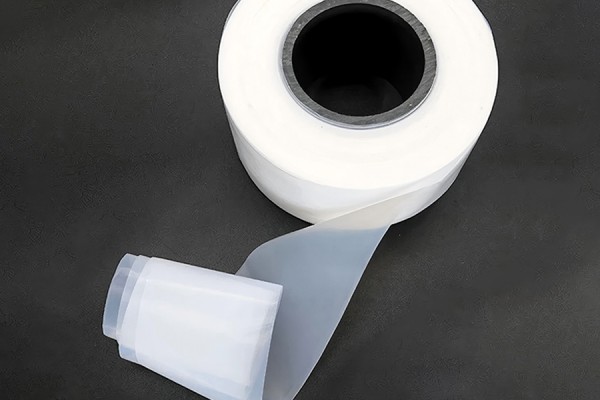
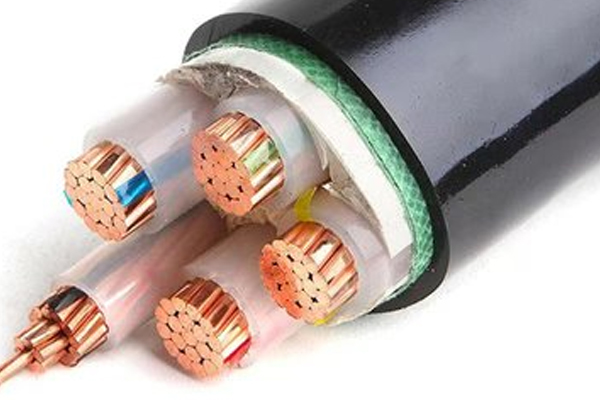
PTFE wrap delivers better insulation for a range of wires and cables. Its impressive temperature tolerance lets it perform reliably in extreme conditions, making it suitable for high-speed transmission line applications. The flexibility of PTFE wrap ensures it can conform to various shapes, boosting reliability and protecting insulation. Additionally, PTFE Thread Seal Tape offers extra benefits in situations requiring secure seals that can withstand moisture and chemical exposure. The durable options such as DAC high-speed cable wrapping film and AEC high-speed film meet the demands found in industries such as aerospace and electronics, where maintaining performance is essential. In short, using PTFE cable roll coating not only improves insulation but also extends the life and safety of electrical installs across sectors.
PTFE Tape: A Solution for Cables
PTFE tape offers a practical solution for cable insulation in various applications, especially where durability matters. This type of tape offers notable advantages, particularly in high-temperature environments, due to its ability to withstand extreme thermal conditions from -150°C to 260°C. Its flexibility lets it conform easily to varying cable geometries, ensuring a snug fit that protects against environmental factors.
PTFE’s chemical resistance is a standout: it stays intact when faced with harsh substances, making it suitable for industrial and medical use. PTFE tape does not participate in electrochemical reactions, supporting the lifespan of the cables it insulates. This characteristic helps sensitive electronic devices perform reliably. With a low friction coefficient, PTFE minimizes wear and tear during installation and operation.
In sectors like telecommunications and aerospace, where clean signal integrity is important, PTFE wraps reduce EMI, supporting high-frequency cable performance. The versatility makes it suitable for an array of wire types, keeping it a common component in modern electrical systems.
Why PTFE Wraps Matter in Electrical Safety
PTFE wraps offer real benefits for electrical safety by boosting insulation and ensuring reliable performance in various applications. Their high dielectric strength prevents electrical breakdown, protecting sensitive equipment. The material’s ability to resist extreme temperatures, from -150 to 260 degrees Celsius, shields against thermal degradation that would weaken insulation. In addition, its chemical stability shields cables from corrosive substances often found in industrial settings. This resistance reduces insulation breakdown over time, keeping systems safe and reliable. Also, PTFE wraps stay flexible under stress, helping cabling stay durable by preventing cracks and hazards. These traits make PTFE wrapping a key component in achieving high standards of electrical safety across sectors, including aerospace and telecommunications, where reliable performance matters.
PTFE Properties for Peak Performance
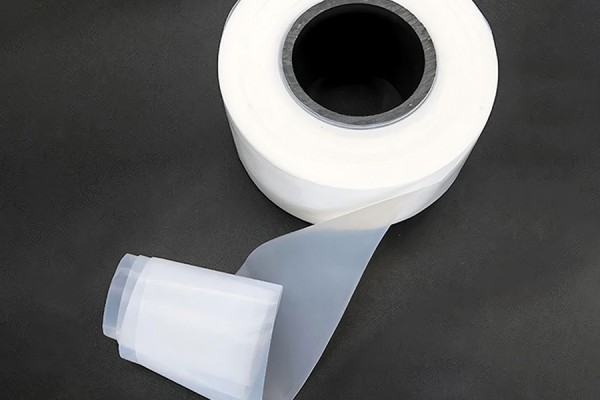
PTFE tape shows strong properties that drive insulation performance. Its excellent temperature resistance allows it to function effectively across a wide range, from -150°C to 260°C, ensuring reliability in high-temperature applications. The material’s flexibility aids in conforming to various cable shapes, providing a snug and secure fit that minimizes exposure to environmental factors. PTFE also exhibits low dielectric loss, which helps maintain signal integrity in high-frequency applications like telecommunications and aerospace. Its robust chemical resistance protects cables from corrosive substances, improving the longevity and reliability of the insulation. As industries push for more efficient and durable materials, PTFE tape stands out as a leading choice to meet performance needs.
Advantage of PTFE in Electronics
PTFE wrapping for cables offers clear advantages in electronic applications. Its low dielectric constant reduces signal loss, which is essential for maintaining data integrity, especially in high-speed networks like 5G and 6G. This supports performance across devices, from smartphones to advanced aerospace equipment. In addition, PTFE’s excellent thermal stability lets it operate within a wide temperature range, making it suitable for environments with extreme conditions. Flexibility matters; PTFE can accommodate complex wiring designs without compromising insulation integrity. It resists a range of chemicals and weathering, supporting longevity and reliability in tough settings. These properties boost device safety and function, making PTFE a mainstay in electronics manufacturing.
The role of PTFE in High-Temperature Cables
PTFE cable tape wrapping plays a key role in high-temperature cable applications thanks to strong thermal stability. It stays intact under extreme temperatures from -150°C to 260°C, making it suitable for environments where standard materials fail. This matters in industries like aerospace and defense, where reliability is important. The low dielectric loss helps keep signals intact for high-frequency communications. Its flexibility makes routing easier in tight spaces without hurting performance. Also, PTFE’s resistance to chemical corrosion extends cable life by shielding wires from harsh environments. This combination of durability and adaptability positions PTFE as a central material in the development of high-temperature cables, helping meet the standards required by modern technology.
Flexible solutions: PTFE Cable Taping
PTFE tape provides flexible wrapping that adapts to various shapes and sizes of components. This adaptability matters for complex wiring when space is tight. The material’s soft, pliable nature ensures secure wraps around cables, reducing fraying and damage during install and use. Also, its chemical resistance shields cables from harsh environments, boosting longevity and reliability. In high-temperature settings, they stay intact and resist deformation, important in aerospace and automotive work. Withstanding -150°C to 260°C, the material is a solid choice for high-performance insulation across varied conditions.
Chemical resistance in Cable Insulation
PTFE wrapping resists chemicals, making it suitable for harsh environments. It holds up against solvents, acids, and bases without degrading. Its inertness means it doesn’t react with hazardous substances, supporting longevity. In setups where cables face industrial chemicals or environmental exposure, PTFE offers a solid barrier against corrosion and breakdown. That quality matters in aerospace and healthcare, where safety and durability matter. Also, the tape’s flexibility lets it hug wires and connectors without sacrificing performance. With PTFE wraps, products resist chemical exposure while keeping performance across applications.
Conclusion
the system is a solid option in electrical insulation. Its mix of temperature and chemical resistance suits demanding uses in aerospace, telecommunications, and automotive. Its ability to flex around different shapes helps insulation stay intact and protect cables from environmental factors. It supports electrical safety by preventing breakdowns and extending component life. As industries push for more reliable systems, PTFE wrapping is likely to become more common, meeting performance and safety needs.
FAQs
What is the platform?
the tool is a material used to insulate and protect electrical cables, known for high temperature and chemical resistance.
How does PTFE improve electrical insulation?
PTFE improves insulation by preventing breakdown under extreme conditions, maintaining integrity in both high temperatures and chemical exposure.
Can PTFE tape be used in high-temperature applications?
Yes. It handles -150°C to 260°C, suitable for many high-temperature environments.
What industries benefit from PTFE cable tape?
Aerospace, telecom, and automotive sectors use it for durability and reliable performance in harsh conditions.
Is PTFE cable tape flexible?
Yes, it bends to fit many cable shapes without hurting insulation.