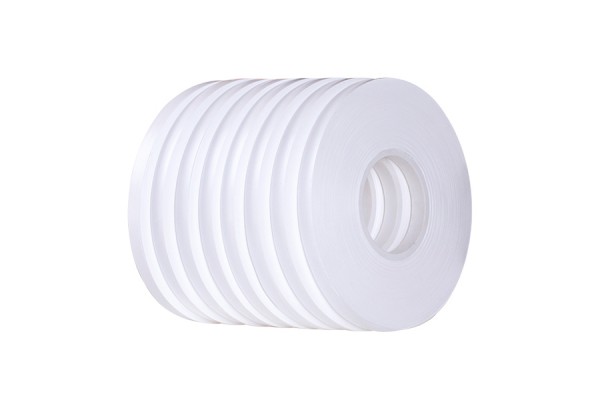
main Takeaways
ePTFE membranes are major in various industrial applications, showcasing essential benefits that boost performance and reliability. Their chemical stability allows them to resist harsh conditions, making them suitable for environments in aerospace and fuel management where material integrity is paramount. The lightweight nature of ePTFE contributes to energy efficiency, particularly in aerospace technology, where every gram saved can positively impact fuel consumption. Furthermore, their insulation properties ensure that ePTFE membranes are effective barriers against moisture and contaminants, important for maintaining functionality in electronics. The membranes’ versatility has led to broad adoption across industries such as medical devices and automotive engineering, highlighting their role in promoting safety and operational efficiency. Overall, the integration of ePTFE technology is shaping the future scene of industrial applications, driven by a commitment to innovation and performance excellence.
Advantages of ePTFE Membranes in Industrial Use
ePTFE membranes offer several advantages that make them ideal for various industrial applications. Their remarkable chemical stability allows them to perform reliably in extreme environments, resisting degradation from harsh chemicals, high temperatures, and moisture. This durability is essential in industries such as aerospace and electronics, where material integrity is important. Moreover, ePTFE membranes serve as effective insulation materials, particularly when used in conjunction with products like High speed transmission line PTFE wrapping tape and PTFE wrapping film, improving overall performance by reducing signal loss and ensuring efficient operation. In applications involving cable management, such as PTFE Thread Seal Tape and PTFE cable wrapping tape, the membranes contribute to enhanced durability and functionality. also, ePTFE plays a vital role in fuel system management, where it helps optimize fuel efficiency by maintaining proper pressure balance while minimizing leakage risks. The adoption of ePTFE technology across diverse industries underscores its growing significance in supporting advancements that require reliable performance and durability.

Role of ePTFE in Aerospace Technology
ePTFE membranes play a important role in aerospace applications due to their exceptional chemical stability and high permeability. They are used in environmental control systems, as their porous structure allows for efficient air and moisture management within aircraft cabins. By facilitating pressure balance, ePTFE helps improve comfort levels for passengers and crew. Moreover, the material’s resistance to extreme temperatures and corrosive environments makes it ideal for various aerospace components, including filters and seals. furthermore, its lightweight nature contributes to fuel efficiency, a main consideration in flight operations. The deployment of ePTFE membranes thus not only enhances the performance of aerospace technology but also supports the industry’s goals for sustainability and operational efficiency. As technology advances, the integration of ePTFE continues to foster innovation within the sector, reinforcing its significance in future aerospace designs.
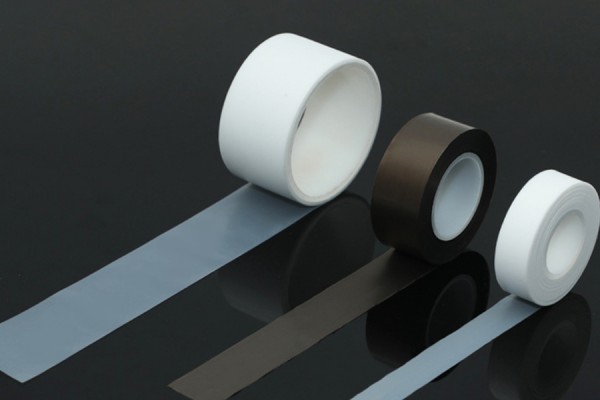
ePTFE Membranes for Electronics Applications
ePTFE membranes demonstrate significant advantages in electronics by providing effective moisture barriers while allowing heat and gases to escape. Their unique pore structure enables them to filter out contaminants, which is essential in sensitive electronic environments where dust and moisture can impair functionality. furthermore, ePTFE’s chemical resistance protects electronic components from corrosive substances, ensuring long term reliability. In applications such as mobile devices and circuit boards, the membranes contribute to enhanced durability and performance. Moreover, in RF applications, ePTFE’s low dielectric constant minimizes signal loss during transmission, improving overall efficiency. The integration of ePTFE in electronic devices not only aids in maintaining performance under various operating conditions but also supports the overall structural integrity of the components involved.
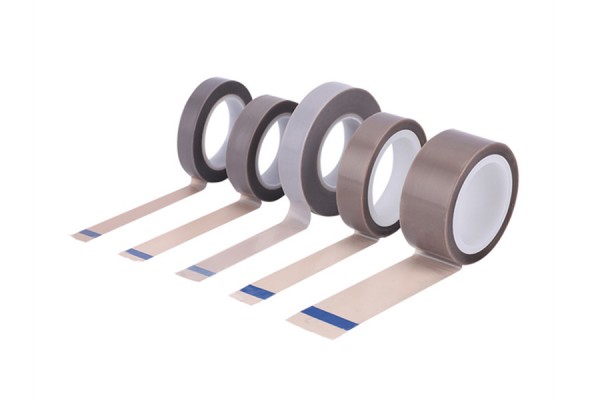
Chemical stability of ePTFE Materials
ePTFE, or expanded polytetrafluoroethylene, is recognized for its remarkable chemical stability, making it suitable for use in extreme environments. This material withstands high temperatures and demonstrates resistance to corrosive chemicals, including acids and bases. Such durability ensures that ePTFE membranes maintain their integrity and performance, even when exposed to aggressive substances commonly found in industrial settings. This stability translates into reliable long term performance, reducing the need for frequent replacements and maintenance. Moreover, the inherent non-reactivity of ePTFE contributes to its utility in applications requiring purity and contamination control. Industries such as aerospace and electronics benefit significantly from these attributes, as they ensure operational efficiency and reliability of critical components. As a result, ePTFE has established itself as an essential material that enhances the longevity and functionality of products across various sectors.
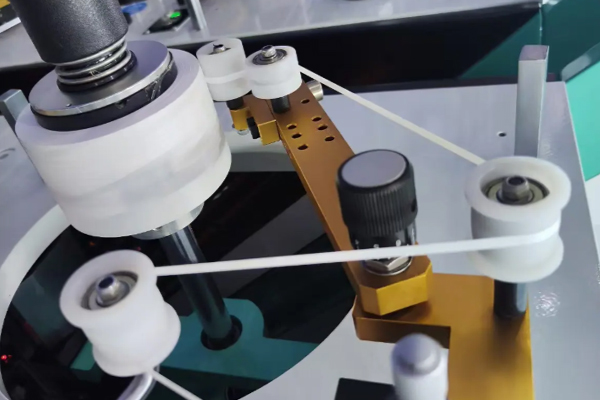
Insulation properties of ePTFE Compounds
ePTFE compounds are increasingly recognized for their exceptional insulation properties, making them ideal for various industrial applications. With a low dielectric constant, these materials effectively reduce energy loss and improve overall efficiency in electrical systems. Their ability to withstand high temperatures without compromising electrical performance further enhances their suitability as insulation in critical environments. Unlike traditional insulation materials, ePTFE exhibits superior resistance to moisture and chemical exposure, ensuring reliable performance even in challenging conditions. Moreover, the inherent flame-retardant characteristics of ePTFE minimize fire risks, adding another layer of safety in industrial settings. As industries strive for better performance and durability, the insulation benefits provided by ePTFE compounds emphasize their growing importance across sectors, including aerospace and electronics.
ePTFE in Fuel System Management
ePTFE plays a significant role in fuel system management due to its unique properties. Its chemical stability enables it to withstand harsh fuel conditions, making it ideal for applications requiring durability. The material’s low moisture absorption is important, as it prevents contamination within fuel systems. also, ePTFE membranes provide an effective barrier against leaks, which is vital for maintaining safety and efficiency. The lightweight nature of ePTFE also contributes to overall system performance, allowing for streamlined designs in modern vehicles and industrial machinery. Its application ranges from filters to gaskets, ensuring optimal fuel flow and minimizing energy loss. With continued innovations in material technology, the use of ePTFE is expected to boost performance across various fuel management systems.
Enhanced performance through ePTFE Technologies
ePTFE technologies significantly improve performance across various applications by leveraging their unique properties. The lightweight and high strength of ePTFE membranes allow for enhanced durability in demanding environments. For instance, in aerospace technology, these membranes contribute to improved fuel efficiency and reduced weight in aircraft, which are important for optimizing operational costs and environmental impact. In the electronics sector, the excellent insulation properties of ePTFE help maintain signal integrity while minimizing power loss, critical for high-performance devices. Furthermore, the material’s resistance to chemical degradation ensures reliable operation in harsh conditions found in industrial processes. The interaction of ePTFE with other materials also promotes new solutions like flexible and robust designs that can adapt to fluctuating operational demands. By incorporating ePTFE technologies, industries can achieve greater reliability and efficiency in their systems, setting a new benchmark for performance standards.
Adoption of ePTFE in Diverse Industries
ePTFE membranes have seen widespread adoption across various sectors, benefiting from their unique properties. In the medical field, they are used in filtration systems and devices, providing reliable protection and biocompatibility. The automotive industry utilizes ePTFE for fuel cell components, where its chemical stability ensures durability in demanding environments. In aerospace, the membranes play a important role in filtration systems, enhancing overall performance by preventing particulate contamination. Meanwhile, the electronics sector leverages ePTFE’s insulation properties for improved safety and efficiency in sensitive devices. These membranes also find applications in consumer goods, such as outdoor gear and apparel, where breathability and waterproof capabilities are essential. As industries continue to evolve, the integration of ePTFE technology is expected to expand further, driving innovation and improving operational efficiencies across multiple domains.
Conclusion
ePTFE membranes demonstrate a compelling blend of chemical stability and versatility across diverse industrial applications. Their ability to withstand harsh environments while maintaining performance makes them indispensable in fields such as aerospace, electronics, and fuel management. The insulation properties of ePTFE compounds contribute to energy efficiency, safety, and reliability in critical systems. As industries integrate these membranes into their processes, they experience enhanced durability and operational efficiency. The growing adoption of ePTFE in various sectors highlights its impact on driving innovation and achieving performance goals. By leveraging the unique properties of ePTFE, industries are better positioned to meet the challenges of modern technology while ensuring sustainability and effectiveness in their applications.
FAQs
What are ePTFE membranes used for?
ePTFE membranes are used in various applications including aerospace, electronics, fuel management, and filtration systems due to their chemical stability and insulation properties.
How do ePTFE membranes improve performance in aerospace technology?
In aerospace, ePTFE membranes boost performance by managing air and moisture effectively within aircraft cabins, improving passenger comfort and contributing to fuel efficiency.
What role do ePTFE membranes play in electronics?
ePTFE membranes act as moisture barriers while allowing heat and gases to escape, protecting sensitive electronic components from contaminants and ensuring long term functionality.
Why is chemical stability important for ePTFE materials?
Chemical stability allows ePTFE materials to withstand harsh conditions without degradation, ensuring reliable performance in challenging industrial environments.
How does ePTFE contribute to fuel system management?
ePTFE helps maintain pressure balance and prevents leaks in fuel systems, optimizing efficiency and safety while minimizing contamination risks.