important Takeaways
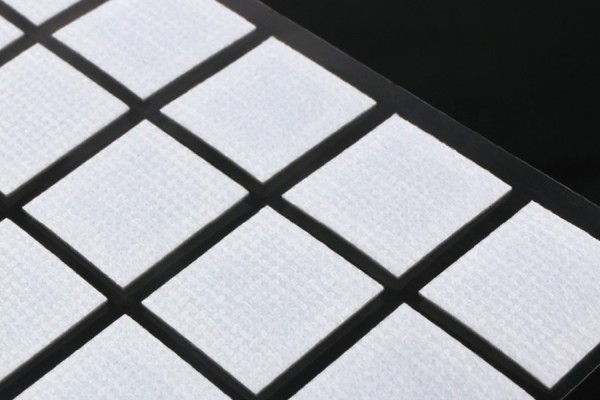
PTFE membranes are essential in a range of industries due to their unique properties. Their excellent chemical resistance ensures reliability in harsh environments, making them a preferred choice for applications in fuel cells and chemical processing. The membranes’ remarkable thermal stability allows for efficient operation at high temperatures, important for many industrial processes. furthermore, their hydrophobic characteristics repels moisture, reducing the risk of contamination and ensuring smoother functionality. As industries increasingly seek efficient solutions, PTFE technology proves its worth by not only improving performance but also enhancing safety through reduced leak risks and maintaining structural integrity under stress. The versatility of PTFE membranes positions them as vital components in advancing technology, particularly in sectors that prioritize efficiency and reliability, like electronics and renewable energy systems. As demand grows for original materials that meet evolving performance standards, PTFE membranes remain crucial in driving progress across various applications.
Versatile applications of PTFE Membranes
PTFE membranes find diverse applications across various industries due to their exceptional properties. In fuel cell technology, these membranes improve efficiency by maintaining high proton permeability while effectively blocking unwanted gases and particles. This performance directly contributes to longer lifespan and improved output for hydrogen fuel cells. For electrical applications, PTFE cable wrapping tape and PTFE wrapping film provide excellent insulation and protection for high-speed transmission lines, ensuring minimal signal loss in demanding environments. Advanced formulations, such as DAC high-speed cable wrapping film and ACC high-speed cable wrapping film, are developed specifically for high-frequency circuits, ensuring peak reliability in communication technologies. Furthermore, the durability of PTFE Thread Seal Tape ensures secure sealing in piping systems, effectively preventing leaks in critical applications. As industries seek original solutions for efficiency and safety, PTFE membranes continue to prove their versatility across sectors like electronics, energy, and chemical processing.
PTFE Membranes in Fuel Cells
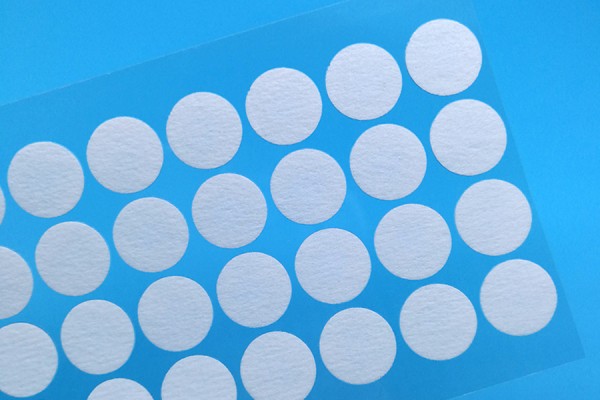
PTFE membranes play a vital role in fuel cell technology, particularly in hydrogen fuel cells. These membranes are designed to facilitate proton exchange while effectively blocking gases, electrons, and moisture. This unique capability makes them essential for maintaining the efficiency and longevity of fuel cell components. The structure of e-PTFE ensures high proton permeability, measured at over 1200 cm/cm/min under 7 kPa pressure, which enhances reaction speed and overall power output. furthermore, with a water pressure resistance of more than 3000 mm H2O, PTFE membranes provide robust performance under challenging conditions. The membranes’ porosity of about 70% strikes a balance between permeability and structural integrity, allowing for faster electrochemical reactions while minimizing energy loss. These features contribute not only to improved efficiency but also to lower emissions in hydrogen fuel cells, supporting the transition to cleaner energy solutions across various industries. This effectiveness solidifies the significance of PTFE technology in advancing sustainable energy systems and meeting growing energy demands.
Enhancing circuit efficiency with PTFE
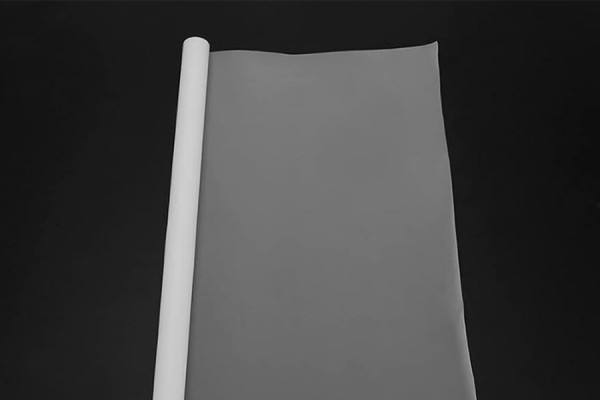
PTFE membranes significantly improve the efficiency of high-frequency circuits through their unique properties. These membranes offer excellent dielectric performance, leading to reduced signal loss in circuit boards. With their low-loss characteristics, PTFE materials allow for efficient signal transmission, which is particularly important in applications like telecommunications and aerospace. furthermore, the thermal stability of PTFE ensures that circuits operate reliably even under high temperatures, minimizing the risk of performance degradation over time.
Moreover, modified PTFE’s enhanced creep resistance contributes to the stability of connections and components within circuits. This stability is essential for maintaining consistent performance in high-demand environments. As industries push toward faster and more efficient technologies, such as 5G and upcoming 6G communications, the role of PTFE membranes continues to be key in delivering reliable and high-performance circuit solutions that meet these evolving standards.

Durability of Advanced PTFE Solutions
The durability of PTFE membranes is critical across various applications, ensuring longevity and reliability. These membranes exhibit exceptional resistance to wear and degradation, which is vital in demanding environments. Their ability to withstand aggressive chemicals and extreme temperatures without compromise is often the benchmark for material performance. For instance, in fuel cell technology, the longevity of e-PTFE membranes directly impacts the efficiency of hydrogen storage and conversion. Moreover, when used in high-frequency circuits, PTFE membranes maintain structural integrity over extended periods, enabling consistent performance without material fatigue. Their hydrophobic nature contributes to durability by repelling moisture and contaminants that can impair functionality. As such, advanced PTFE solutions not only contribute to improved system reliability but also help reduce maintenance costs by lowering the frequency of replacements in systems where durability is paramount.
Safety improvements with PTFE Technology
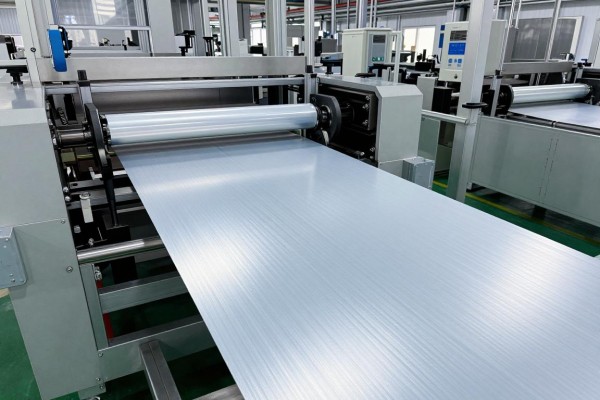
PTFE technology significantly enhances safety across various applications. Its remarkable chemical resistance helps prevent corrosive substances from breaching containment systems. This reliability minimizes the risk of leaks and chemical exposure, which is critical in industries such as pharmaceuticals and chemicals. also, PTFE’s ability to withstand high temperatures ensures that components maintain structural integrity under extreme conditions, reducing the chance of failures that can lead to hazardous situations. In fuel cells, PTFE membranes selectively block gases and liquids while allowing protons to pass through, contributing to safer hydrogen storage and energy generation. Furthermore, the hydrophobic nature of PTFE reduces contamination risk in sensitive environments, promoting cleaner operations. These safety attributes make PTFE membranes a useful component for reliable performance in demanding industrial settings.
Innovations in High-Frequency PTFE Usage
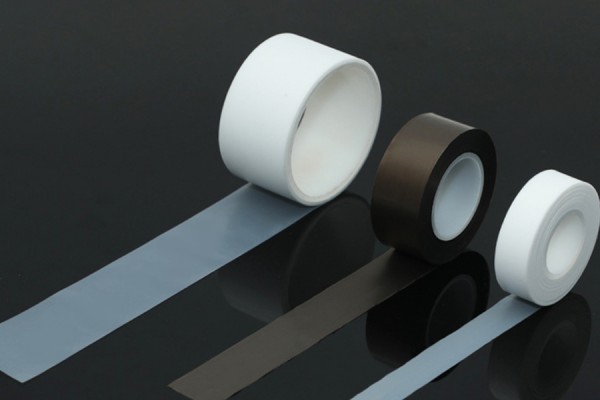
High-frequency PTFE membranes have transformed the technical scene in communication and electronics. These membranes are engineered to deliver superior dielectric properties, making them ideal for applications requiring efficient signal transmission. Their modified structures reduce signal loss significantly, which is vital in high-frequency circuit boards used for AI servers and advanced telecommunications. also, innovations in these membranes improve thermal stability, making them suitable for environments with fluctuating temperatures. The ability to maintain consistent performance under varying conditions contributes to the reliability of critical components such as antennas and transceivers. Furthermore, as technological demands increase, especially with the rise of 6G communications, high-frequency PTFE membranes are becoming indispensable in meeting the rigorous performance standards of next-generation devices. Their lightweight nature without compromising strength offers manufacturers advantages in developing compact, efficient circuitry while minimizing electromagnetic interference. Overall, advancements in high-frequency PTFE technology are setting new benchmarks for efficiency and performance across different industries.
Performance benefits of PTFE Membranes
PTFE membranes offer several important benefits that significantly boost their effectiveness in various applications. One prominent advantage is their excellent chemical resistance, which allows them to perform reliably in harsh environments. This property ensures that the membranes maintain their integrity and function, even when exposed to aggressive substances, making them ideal for industries like chemical processing and fuel cells. Furthermore, PTFE membranes exhibit remarkable thermal stability, enabling them to operate efficiently at high temperatures without degradation. This characteristic is essential in applications that involve heat-sensitive processes. Another important benefit is their hydrophobic nature, which prevents water absorption and promotes efficient gas transport in fuel cells. also, PTFE membranes contribute to higher efficiency rates due to their low friction properties, resulting in reduced energy consumption over time. These membranes can also be tailored for specific uses, offering versatility across various sectors such as electronics and aerospace, where precision and reliability are paramount. Overall, the performance benefits of PTFE membranes position them as a vital component in advancing technology across multiple fields.
PTFE Membrane Technology for Industries
PTFE membranes find extensive use across various industries due to their exceptional properties. In the medical field, they are used in filtration applications, providing vital solutions for sterilization while preventing contamination. The automotive sector benefits from PTFE’s ability to withstand high temperatures and aggressive chemicals, making it suitable for fuel systems and exhaust components. furthermore, the electronics industry relies on PTFE membranes for their insulating properties, which aid in maintaining signal integrity in circuit boards.
In water treatment processes, PTFE membranes play a significant role by ensuring optimal filtration of impurities while maintaining high flow rates. Their hydrophobic characteristics also allow them to function effectively in outdoor applications, resisting environmental factors like humidity and UV radiation. Furthermore, these membranes are increasingly incorporated in green technologies, such as renewable energy systems and waste management solutions. The versatility of PTFE membrane technology continues to drive innovation and efficiency across multiple fields while adapting to the specific needs of each industry.
Conclusion
PTFE membranes are proving to be dynamic players in modern technology, with a wide array of applications that emphasize their significance. Their versatility stems from remarkable properties like chemical resistance, thermal stability, and hydrophobic behavior, which together improve performance across various sectors. In aerospace and telecommunications, for instance, PTFE membranes ensure efficient signal transmission important for high-speed circuits. The durability of these membranes reduces the need for frequent replacements, leading to lower operational costs in demanding fields like chemical processing. Moreover, safety features inherent in PTFE technology mitigate risks associated with leaks and contamination, promoting safer industrial practices. As industries evolve and push the boundaries of performance expectations, the role of PTFE membranes will likely expand even further. Embracing innovations will be instrumental in addressing the challenges faced across sectors, paving the way for advanced solutions in energy generation, electronics, and beyond.
FAQs
What are PTFE membranes primarily used for?
PTFE membranes are used across diverse applications, including fuel cells, high-frequency circuits, and filtration systems.
How do PTFE membranes improve fuel cell performance?
They maintain high proton permeability while blocking unwanted gases, which improves efficiency and prolongs the lifespan of fuel cells.
What is the thermal stability of PTFE membranes?
PTFE membranes operate effectively at high temperatures without degradation, making them suitable for demanding industrial environments.
Can PTFE membranes prevent contamination?
Yes, their hydrophobic nature helps repel moisture and contaminants, promoting cleaner operations in sensitive applications.
What industries benefit from PTFE membrane technology?
Industries such as telecommunications, aerospace, medical, and chemical processing benefit from the unique properties of PTFE membranes.