

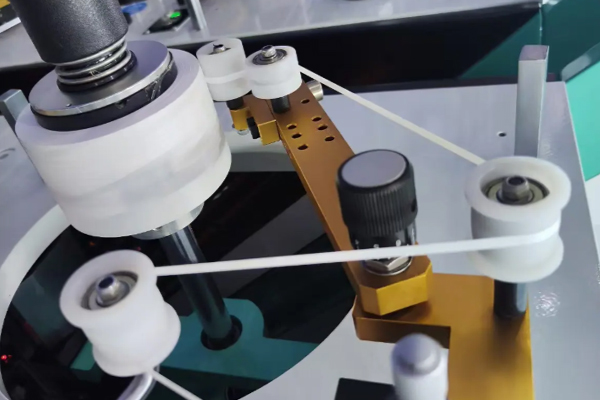
important Takeaways
Teflon film is a main material in high-stress environments due to its exceptional properties. Its durability enables it to endure extreme temperatures and mechanical pressures while maintaining integrity, main for applications in industries like aerospace and electronics. The film’s excellent chemical resistance protects against a wide range of corrosive substances, enhancing safety and reducing maintenance costs. Its low friction characteristics contribute to improved efficiency, minimizing wear in moving parts. Furthermore, the outstanding electrical insulation properties make Teflon film ideal for safeguarding sensitive equipment in high-frequency circuits. As industries advance toward higher performance demands, Teflon film’s adaptability ensures it remains a preferred choice for engineers seeking reliable solutions. Overall, the distinctive advantages of Teflon film position it as an invaluable asset in today’s challenging industrial landscapes, driving innovation across multiple sectors.
main Properties of Teflon Film
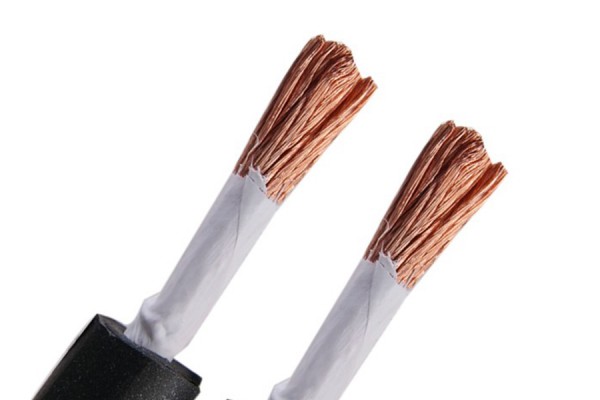
Teflon film, renowned for its unique characteristics, stands out in high-stress environments due to its remarkable durability and versatility. Its low friction coefficient minimizes wear and enhances performance under extreme conditions. The film maintains excellent mechanical strength, allowing it to withstand high temperatures ranging from -150°C to 260°C without compromising integrity. also, Teflon film exhibits superior electrical insulation properties, making it ideal for applications in high-speed transmission lines. Its stable dielectric constant contributes to reliable signal transmission, which is paramount in electronic circuits. Chemical resistance is another critical property; Teflon film effectively repels oils, solvents, and corrosive substances. This resilience empowers its applications across various industries including aerospace and electronics. For instance, products like high-speed transmission line PTFE wrapping tapeand PTFE cable wrapping tapeleverage these properties to ensure longevity and reliability in demanding scenarios. Overall, the combination of durability, chemical resistance, and electrical insulating qualities positions Teflon film as an essential material in the development of advanced technologies.
Durability of Teflon Film in Extreme Conditions
Teflon film is renowned for its remarkable durability, particularly in extreme conditions. Its temperature resistance ranges from -260°C to 260°C, allowing it to perform reliably in both cryogenic and high-temperature environments. This wide thermal range ensures that Teflon maintains its structural integrity, making it suitable for applications where other materials might fail. furthermore, Teflon film is known for its high tensile strength and low friction properties, which further boost its durability under mechanical stress.
In environments exposed to extreme temperatures, vibrations, or pressure fluctuations, Teflon film shows minimal wear and tear over time. This endurance is important in industries such as aerospace, where components undergo significant thermal cycling and mechanical loads. Furthermore, the film’s low permeability to gases and liquids adds another layer of protection against external factors that could compromise performance. Overall, the exceptional durability of Teflon film enables it to stand the test of time in challenging settings, making it a preferred choice for high-stress applications.
Chemical resistance of Teflon Film
Teflon film exhibits remarkable chemical resistance, making it an ideal choice for various demanding applications. Its structure comprises polytetrafluoroethylene (PTFE), which exhibits low surface energy and strong bonds that resist chemical reactions. This intrinsic property enables Teflon film to withstand exposure to corrosive substances, including strong acids, bases, and organic solvents without degrading its structure or functionality. In industries such as aerospace and chemicals, where materials frequently encounter harsh environments, Teflon film provides a reliable barrier against chemical attack. Furthermore, this non-reactive nature contributes to its longevity, ensuring that components remain stable and effective over time. Organizations utilizing Teflon film can greatly reduce maintenance costs while enhancing the safety and reliability of their systems.
"The ability of Teflon film to resist a wide range of chemicals makes it invaluable in protecting sensitive components."
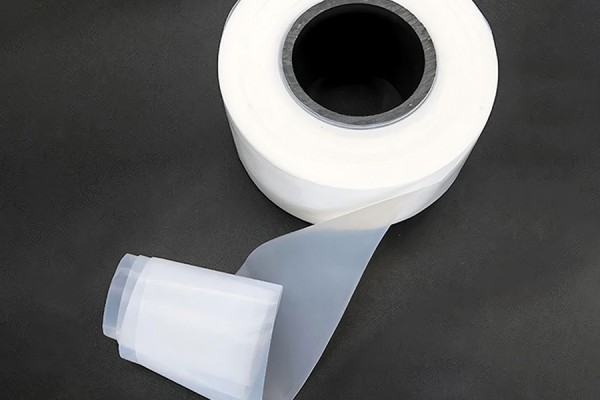
Teflon film applications in Aerospace
Teflon film plays a critical role in the aerospace sector due to its unique properties. Its ability to withstand extreme temperature variations, ranging from -150°C to 260°C, makes it ideal for aircraft systems that experience high thermal stress. Teflon’s exceptional dielectric strength allows it to serve effectively as an insulator for various electronic components, safeguarding them against electrical failures. Furthermore, its chemical resistance is main for protecting sensitive equipment from contaminants present in aviation fuels and hydraulic fluids. In addition, Teflon film is utilized in the manufacturing of non-stick surfaces in components that require low friction, enhancing performance and durability. This material also aids in reducing weight without compromising structural integrity, a vital aspect of aerospace design where every gram counts. The versatility of Teflon film ensures its presence in critical applications such as radar systems and avionics, affirming its importance in advancing aerospace technologies.
Teflon film in Electronics and High-Tech Industries
Teflon film has emerged as a preferred choice in the electronics and high-tech sectors due to its impressive properties. Its low dielectric constant and low loss tangent make it ideal for applications involving high-frequency signals, providing efficient insulation for cables and circuit boards. The film’s durability allows it to perform reliably in demanding environments, such as those found in advanced computing systems and telecommunications equipment. Furthermore, its chemical resistance protects sensitive components from corrosive substances, ensuring longevity and performance stability.
In the electronics field, Teflon film is often utilized in flexible printed circuit boards (FPCBs) and multilayer PCBs, offering advantages in signal integrity during data transmission. As devices become smaller and more powerful, the need for materials that can withstand high temperatures and voltages increases. Teflon film meets these requirements while also being lightweight. This combination of attributes enhances device efficiency, making it an attractive material for manufacturers aiming to push technological boundaries.
The adaptability of Teflon film supports innovations in electronics, such as AI servers and high-speed data communication systems. By accommodating new design demands, it positions itself as a vital component within the rapidly evolving situation of high-tech industries.
Benefits of Teflon Film in Harsh Environments
Teflon film offers several significant advantages in harsh environments, primarily due to its remarkable durability and resistance to extreme conditions. Its ability to withstand a wide temperature range, from -200°C to 260°C, makes it suitable for applications involving extreme heat or cold. In addition, Teflon film is highly resistant to chemical corrosion, enabling it to perform well in industries where exposure to aggressive substances is common, such as chemical processing and aerospace. This material’s low friction properties reduce wear and tear, contributing to a longer lifespan in demanding settings. Moreover, Teflon film’s excellent electrical insulating properties are critical in electronic applications, where reliability is paramount. This combination of attributes not only enhances operational efficiency but also minimizes downtime associated with maintenance and replacement. The multifunctional capabilities of Teflon film position it as a preferred choice for engineers seeking reliable solutions for high-stress environments. As industries continue to push the boundaries of performance and resilience, Teflon film’s contribution will likely grow even more significant.
Teflon film performance and Path Ahead
Teflon film continues to evolve, enhancing its performance characteristics to meet the demands of modern industries. Ongoing research focuses on improving its thermal stability and mechanical properties, making it suitable for even more extreme environments. The development of modified Teflon materials has shown promising advancements in creep resistance and dielectric performance, which are vital for applications in high-frequency circuits and advanced electronics. As industries move towards higher energy efficiencies and more compact designs, Teflon film’s role in insulation materials and protective coatings becomes increasingly significant. The film’s low friction and non-stick properties also lead to new uses in manufacturing processes that require high-performance materials. With the aerospace and electronics sectors pushing for greater reliability in harsh conditions, innovations such as low-capacitance high-frequency Teflon films are gaining traction, aligning with the rising demand for next-generation technologies. As this situation evolves, Teflon’s adaptability will likely secure its position as a core material across various high-stress applications.
Innovations in Teflon Film Technology
Recent advancements in Teflon film technology focus on enhancing its performance characteristics and expanding its application range. Companies are investing in the development of modified Teflon formulations that improve important attributes such as tensile strength, thermal stability, and dielectric properties. These innovations enable Teflon films to withstand more extreme conditions typically found in aerospace and high-tech industries. Research into nano-coatings further enhances the film’s surface properties, making it even more resistant to abrasion and chemicals while maintaining its low friction characteristics. furthermore, new manufacturing techniques improve production efficiency and reduce costs, making high-performance Teflon films more accessible for widespread use. Ongoing collaboration between material scientists and industry leaders fosters the integration of Teflon films into emerging technologies, ensuring they meet the growing demands of advanced applications like AI and telecommunications. As these innovations progress, Teflon continues to establish itself as a leading material in high-stress environments.
Conclusion
teflon film holds a important position in industries facing high-stress environments due to its outstanding set of properties. Its durability enables it to endure harsh conditions, while its chemical resistance ensures longevity in applications exposed to various corrosive substances. The film’s versatility is significant, spanning across essential sectors such as aerospace and electronics where reliability is paramount. As advancements in Teflon film technology continue, its performance characteristics are expected to improve further, allowing it to meet emerging challenges in high-tech applications. The ongoing research and development efforts contribute substantially to expanding its usability and effectiveness, affirming Teflon film’s status as a foundational material for future applications where resilience and performance are non-negotiable. The interaction of Teflon film with new technologies will likely shape the evolution of products designed for extreme environments, reinforcing the material’s importance in sustaining industrial advancements.
FAQs
What is Teflon film made of?
Teflon film is primarily made of polytetrafluoroethylene (PTFE), known for its unique properties like low friction and chemical resistance.
What industries benefit from Teflon film?
Teflon film is widely used in industries such as aerospace, electronics, chemical processing, and manufacturing, where high-stress conditions are common.
How does Teflon film perform under high temperatures?
Teflon film can withstand temperatures ranging from -260°C to 260°C, maintaining its structural integrity even in extreme conditions.
Is Teflon film resistant to chemicals?
Yes, Teflon film exhibits excellent chemical resistance, allowing it to withstand exposure to aggressive substances like acids and solvents without degrading.
Can Teflon film be used for electrical insulation?
Absolutely. Teflon film provides outstanding electrical insulation properties, making it ideal for protecting sensitive components in various electronic applications.
What are the advantages of using Teflon film in harsh environments?
The important advantages include durability under extreme conditions, chemical resistance, low friction properties that reduce wear, and improved operational efficiency overall.
How does Teflon film compare to other materials in high-stress situations?
Teflon film typically outperforms many other materials due to its unique combination of durability, thermal stability, and resistance to chemical reactions.
Are there any new advancements in Teflon film technology?
Yes, ongoing innovations focus on enhancing thermal stability and mechanical properties to better meet the demands of modern applications in high-tech industries.


