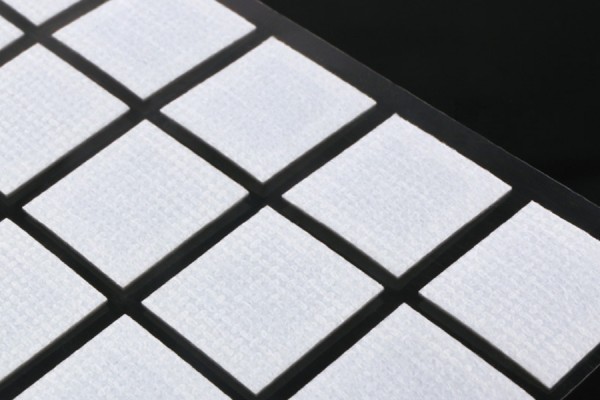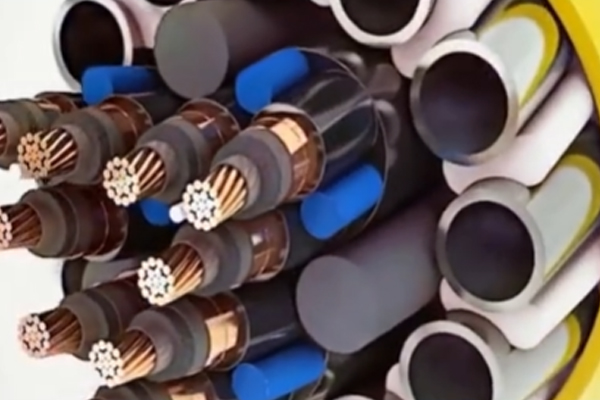
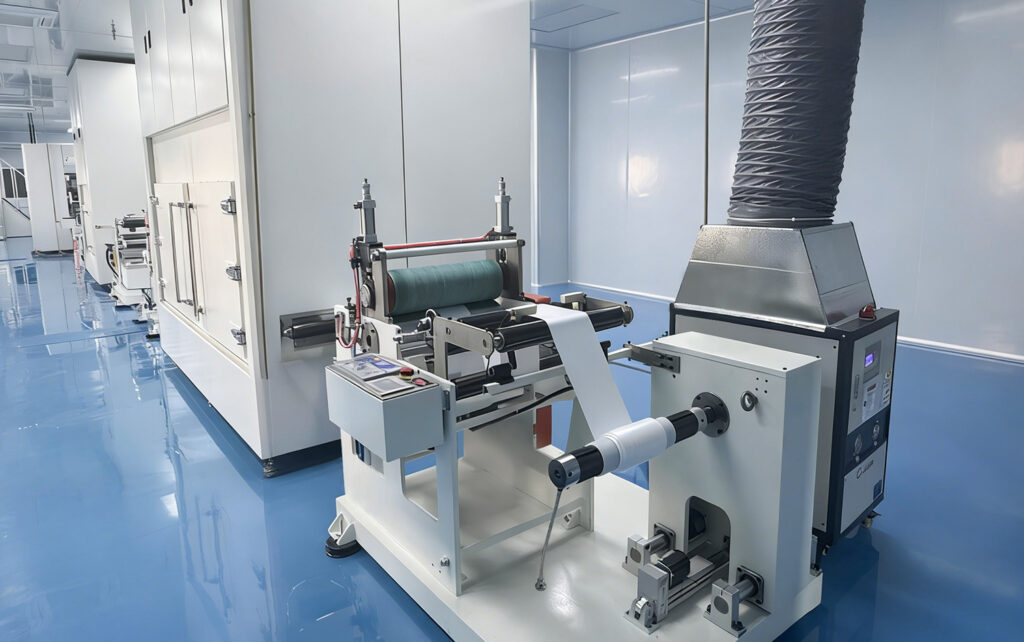
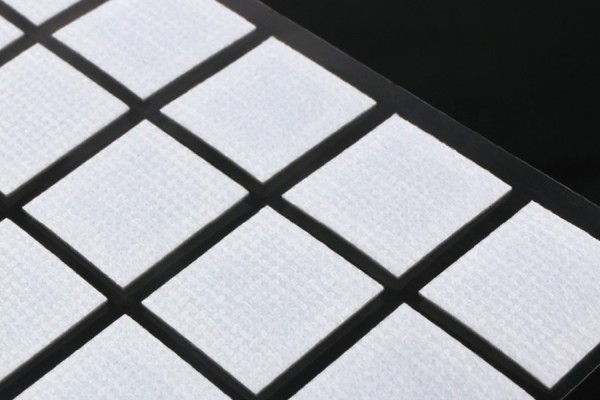
The versatility of ePTFE membranes across various applications can be attributed to their robust properties that enhance performance and safety. In communication cables, they improve insulation efficiency, which is crucial for maintaining signal integrity in high-frequency environments. Their chemical stability is vital in medical packaging, ensuring product integrity and protection against contaminants. The role of ePTFE membranes in microfluidic devices is equally significant, as they manage fluid dynamics effectively, contributing to accurate diagnostics. Additionally, their utility in fuel cells highlights how ePTFE can optimize energy efficiency. Collectively, these advantages underscore the importance of ePTFE membranes in advancing technology across multiple industries.
Applications of ePTFE Membrane in Communication Cables
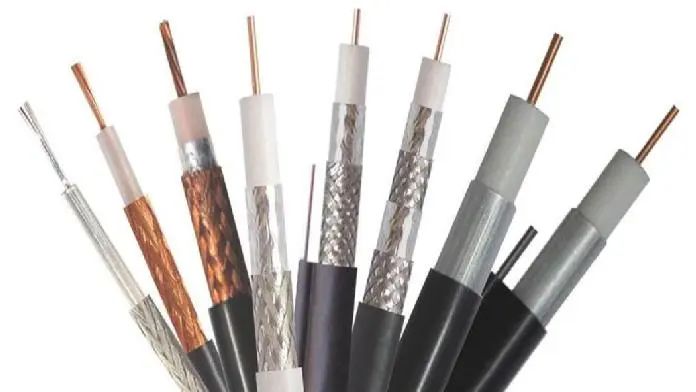
ePTFE membranes play a significant role in the communication cable sector, primarily due to their superior insulating properties. When used in high-speed transmission lines, the integration of PTFE wrapping tape ensures minimal electrical interference, enhancing signal quality. Additionally, PTFE wrapping film provides excellent thermal stability, which is crucial in high-frequency applications. Coupled with PTFE cable wrapping tape, these materials prevent signal degradation and maintain optimal performance across various frequencies.
The effectiveness of ePTFE membranes can be further observed in DAC high-speed cable wrapping film and its counterparts, AEC and AOC high-speed cable wrapping films. These films ensure robust protection against environmental factors and mechanical stress. Moreover, when applied as PTFE Thread Seal Tape in connections, they seal joints effectively, preventing moisture ingress that could compromise signal integrity.
The use of PTFE cable roll coating delivers a uniform layer that enhances durability while allowing flexibility crucial for modern cabling solutions. This combination of attributes makes ePTFE membranes indispensable for high-performance communication cables designed to meet the demands of today’s data-driven environment.
| Application | Key Benefits |
|---|---|
| High-speed Transmission | Reduced electrical interference |
| High-Frequency Usage | Maintained signal integrity |
| Moisture Protection | Prevention of moisture ingress |
| Mechanical Stress Resistance | Enhanced durability under various conditions |
With these properties, ePTFE membranes foster advancements within the industry by ensuring reliable and efficient communication systems.
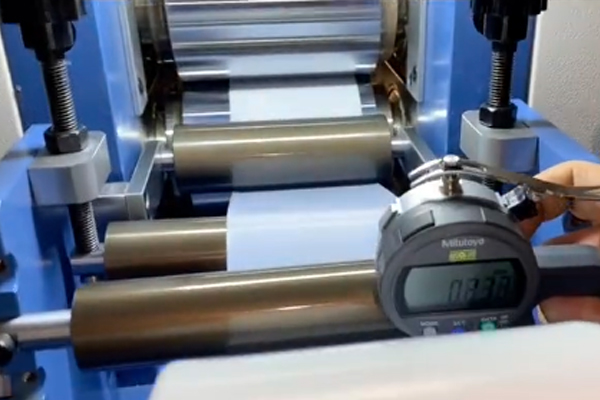
The Role of ePTFE Membrane in Medical Packaging Safety
The ePTFE membrane plays a crucial role in enhancing the safety of medical packaging by providing excellent resistance to chemical exposure and leakage. Its robust properties make it an ideal choice for ensuring the integrity of sensitive medical products. For example, in environments where strong acids or bases are present, the ePTFE membrane offers superior protection, preventing contamination and maintaining product sterility. Additionally, when combined with PTFE wrapping film or AEC high-speed cable wrapping film, it can further enhance packaging reliability.
"The right choice of materials is key to ensuring safety and performance in medical applications." This highlights the importance of using ePTFE membranes to achieve optimal safety standards in the medical industry while supporting efficient packaging solutions.
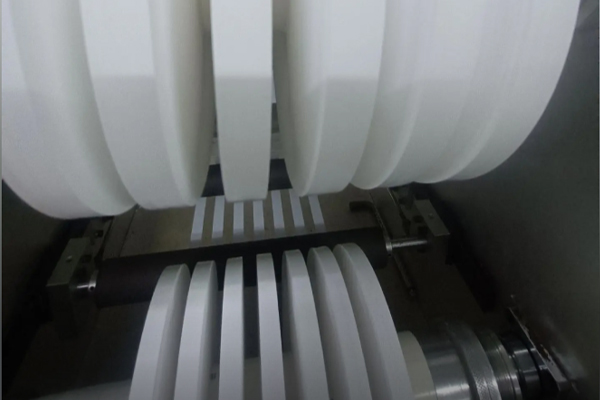
Exploring ePTFE Membrane Uses in Microfluidic Devices
ePTFE membranes play a critical role in microfluidic devices, particularly in medical diagnostics and laboratory applications. The unique properties of ePTFE, such as its excellent chemical stability and micro-porosity, contribute to the reliable performance of these devices. For instance, the MICVCHIP micro gas flow solution benefits from ePTFE’s ability to manage high-pressure reagent injection effectively. This ensures controlled channel pressure and stable micro-permeability, which are essential for maintaining consistent flow rates of medical reagents. Additionally, using materials like high-speed transmission line PTFE wrapping tape and DAC high-speed cable wrapping film enhances the integrity of connections within these devices. This integration is vital for achieving precise analyses while effectively preventing microbial contamination, thus improving accuracy in medical assessments.
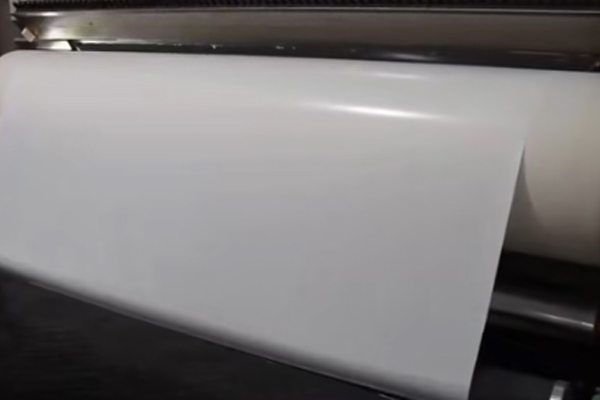
Enhancing Fuel Cell Efficiency with ePTFE Membrane Technology
The application of ePTFE membrane technology in fuel cells significantly boosts efficiency by effectively separating the anode and cathode compartments. This separation is crucial for maintaining optimal reaction conditions, allowing for higher current densities without losses in performance. Additionally, the unique properties of ePTFE, such as its chemical resistance and low permeability, help manage water and gas flow within the fuel cell, which is vital for sustaining electrochemical reactions. By enhancing the control over humidity levels and reactant delivery, ePTFE membranes contribute to a stable and efficient power output. As the demand for cleaner energy solutions grows, integrating ePTFE technology in fuel cells stands out as an innovative approach to meet commercial application needs while improving energy conversion rates.
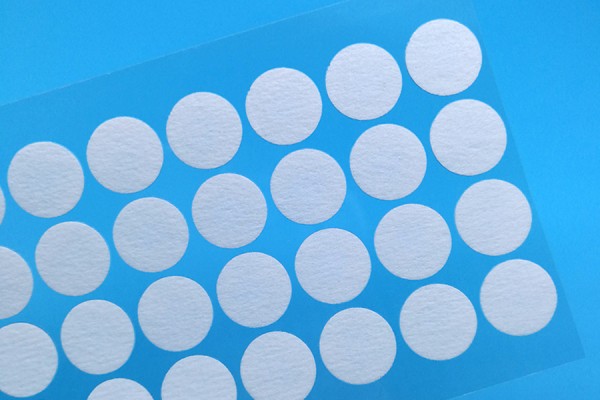
Key Advantages of ePTFE Membrane in High-Performance Applications
The ePTFE membrane showcases several key advantages, making it a preferred choice across various high-performance applications. Its low dielectric constant provides excellent electrical insulation, significantly reducing signal loss in communication cables. Additionally, the membrane’s inherent thermal stability allows it to perform effectively in elevated temperature environments, ensuring reliability in critical applications.
The excellent chemical resistance of ePTFE contributes to safety and longevity in medical packaging, as it can withstand harsh sterilization processes without degrading. Furthermore, its microporous structure enables the precise control of gas diffusion in fuel cells, enhancing their efficiency and performance under high current densities. These properties collectively position ePTFE membranes as a vital component in advancing technology across different industries, ensuring optimal performance under demanding conditions.
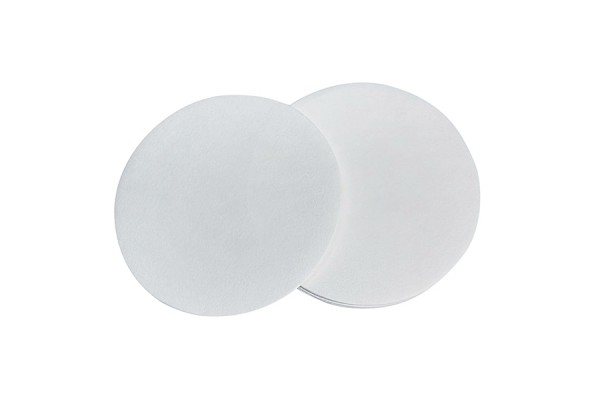
ePTFE Membrane: A Solution for High-Temperature Electrical Insulation
The ePTFE membrane has become an essential component in electrical insulation, particularly in high-temperature environments where conventional materials may fail. Its superior thermal stability and low flammability make it a prime choice for applications such as communication cables, where reliable performance is vital. Unlike polyethylene and polyvinyl chloride, which can emit harmful smoke when exposed to flames, the ePTFE membrane offers improved safety and efficiency. Additionally, the integration of AOC high-speed cable wrapping film enhances the overall insulation quality by minimizing signal loss during transmission. With these properties, ePTFE membranes stand out as a robust solution for electrical applications that demand resilience in extreme conditions.
Versatility of ePTFE Membrane Across Various Industries
The ePTFE membrane showcases remarkable versatility across multiple industries, driving innovation in both performance and safety. In communication cables, for instance, the use of ePTFE membranes enhances the insulation properties, allowing for efficient signal transmission even in high-frequency environments. This aligns well with the demands of ACC high-speed cable wrapping film, which emphasizes effective insulation and reduced signal loss. In the medical field, the membrane’s chemical stability and resistance to harsh conditions ensure safe packaging for diverse pharmaceutical products. Additionally, its application in microfluidic devices demonstrates its capability to control fluid dynamics precisely and maintain sample integrity during testing. Overall, ePTFE’s unique properties make it a critical component in advancing technologies across various sectors, providing solutions that are efficient and reliable.
Conclusion
The integration of ePTFE membranes across various industries demonstrates their critical role in enhancing performance and safety. In communication cables, these membranes improve insulation and reduce signal loss, catering to the growing needs for high-speed data transmission. The medical sector benefits significantly, relying on ePTFE for reliable packaging that withstands harsh sterilization processes while ensuring product integrity. Furthermore, in microfluidic devices and fuel cells, ePTFE’s unique properties facilitate efficient fluid control and stable energy output. This adaptability not only highlights the innovative potential of ePTFE membranes but also emphasizes their importance in meeting the evolving demands of modern technology.
FAQs
What is ePTFE membrane used for in communication cables?
ePTFE membrane is used in communication cables primarily for its excellent insulating properties, which minimize electrical interference and enhance signal quality.
How does ePTFE membrane contribute to medical packaging safety?
ePTFE membranes provide excellent resistance to chemical exposure and leakage, safeguarding the integrity of sensitive medical products.
What role does ePTFE membrane play in microfluidic devices?
In microfluidic devices, ePTFE membranes manage high-pressure reagent injection, ensuring stable micro-permeability and consistent flow rates of medical reagents.
How does ePTFE membrane improve fuel cell efficiency?
ePTFE membranes effectively separate the anode and cathode compartments, allowing for higher current densities and stabilizing electrochemical reactions within fuel cells.
What are key advantages of using ePTFE membranes in high-performance applications?
Key advantages include low dielectric constant for electrical insulation, high thermal stability, and excellent chemical resistance, contributing to safety and longevity in various applications.