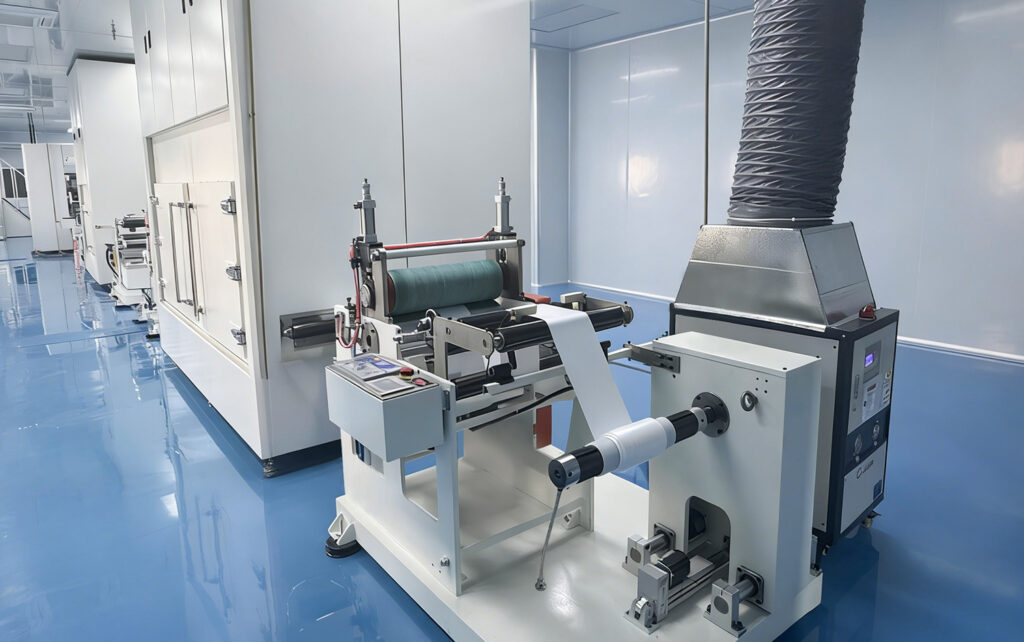
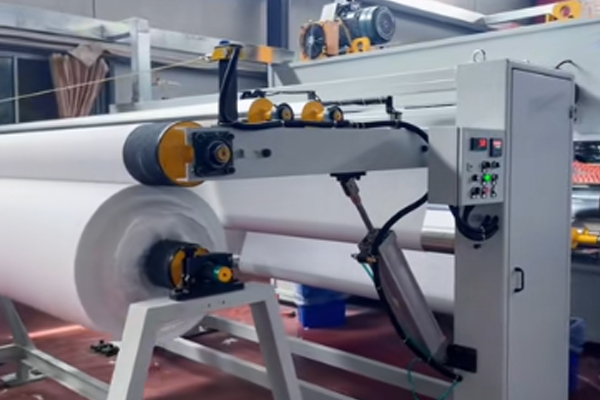
PTFE high-speed cable film represents a significant advancement in the field of data transmission. Its effective combination of low dielectric constant and thermal stability leads to enhanced signal integrity, critical for high-frequency applications. The material’s ability to minimize dielectric losses means that it supports quicker and more efficient data transfer. Moreover, its robust insulation capabilities protect against external factors, ensuring reliable performance even in adverse conditions. As industries increasingly embrace the demand for faster data exchange, the role of PTFE cable film in maintaining high standards is becoming ever more essential. The integration of this innovative material is poised to drive developments in electronic device performance across various sectors.
Cutting-Edge PTFE High-Speed Cable Film: Advancing Data Transmission
The use of PTFE high-speed cable film is transforming how data transmission is approached in various electronic applications. Its unique properties, including low dielectric constant and excellent thermal stability, make it an ideal choice for high-speed transmission lines. Specifically, the integration of technologies like PTFE wrapping film and PTFE wrapping tape enhances the insulation performance of cables, ensuring minimal signal loss even under demanding conditions.
Innovative products such as DAC high-speed cable wrapping film and AEC high-speed cable wrapping film exhibit superior resistance to environmental factors, further advancing their suitability for high-frequency applications. Additionally, utilizing PTFE Thread Seal Tape in conjunction with high-speed data cables can augment system reliability, providing vital insulation to prevent interference.
Below is a comparison of the different types of PTFE cable solutions available:
| Product Type | Key Features |
|---|---|
| High speed transmission line PTFE wrapping tape | Designed for optimal insulation in high-frequency settings |
| PTFE cable wrapping tape | Offers low-density benefits with excellent chemical resistance |
| DAC high-speed cable wrapping film | Provides enhanced stability in extreme temperatures |
| AEC high-speed cable wrapping film | Optimized for signal integrity and minimal loss |
| AOC high-speed cable wrapping film | Tailored for advanced data requirements in communication systems |
By combining advanced materials with innovative manufacturing processes, the latest iterations of PTFE products ensure superior data transfer capabilities while maintaining competitive pricing advantages. This presents significant opportunities for industries focusing on local sourcing and rapid technological advancements in areas such as AI servers and telecommunications.
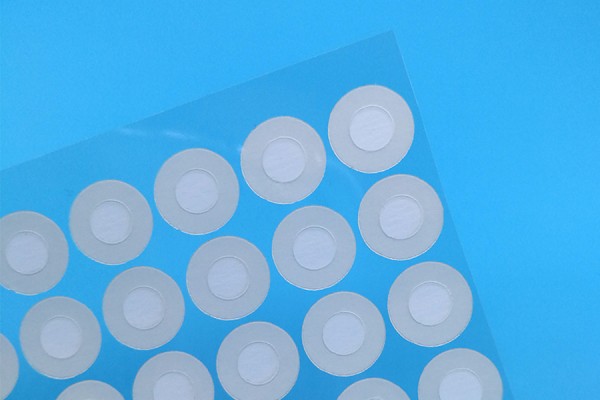
The Innovative Design Behind PTFE High-Speed Cable Film
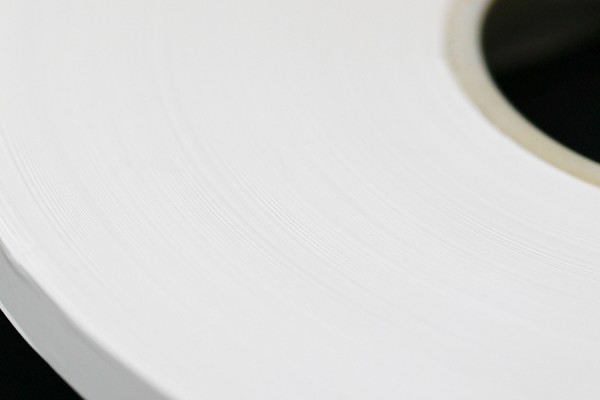
The innovative design of PTFE high-speed cable film focuses on enhancing performance in demanding applications. By utilizing high-quality polytetrafluoroethylene, this cable film boasts a unique combination of low dielectric constant and low loss characteristics. These features are crucial for minimizing signal degradation over long distances, making it ideal for sensitive data transmission. Furthermore, the meticulous winding process ensures that the film adheres tightly to the cable, providing excellent insulation while maintaining flexibility. This design not only emphasizes reliability but also caters to the growing need for high-speed transmission lines with PTFE wrapping tape in various sectors such as telecommunications and aerospace.
"Innovative materials pave the way for future advancements in data technology."
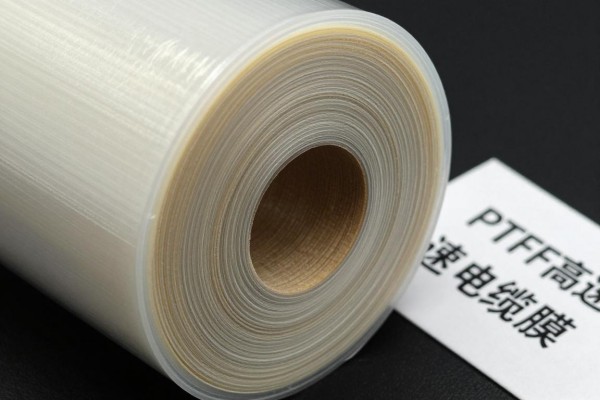
Enhancing Reliability: The Role of PTFE in High-Frequency Applications
PTFE high-speed cable film plays a critical role in ensuring reliability in high-frequency applications. Its unique microporous structure allows for effective signal transmission while minimizing dielectric loss. This characteristic is particularly valuable in environments where signal integrity is paramount, such as telecommunications and data centers. The material’s low dielectric constant enhances its performance by reducing signal delay, which is essential for devices operating at high frequencies. Furthermore, PTFE’s excellent electrical insulation properties prevent short-circuiting and leakage, safeguarding against potential failures that could disrupt data flow. As electronic devices evolve towards faster and more efficient systems, the use of PTFE cable films becomes increasingly significant, supporting the growing demand for reliable operation in challenging conditions.
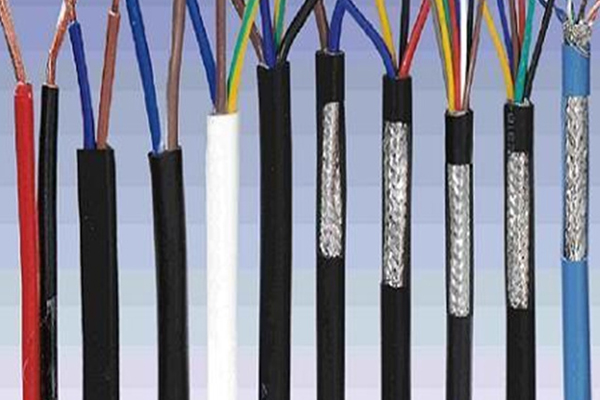
PTFE High-Speed Cable Film: Optimal Insulation for Electronic Devices
The use of PTFE high-speed cable film has transformed the landscape of electronic device insulation. This advanced material ensures exceptional electrical performance by minimizing dielectric losses and offering superior reliability. The PTFE cable roll coating process enhances the film’s properties, allowing for a lightweight yet strong solution for high-frequency applications. Moreover, applying ACC high-speed cable wrapping film provides additional insulation, creating a protective barrier against environmental factors such as humidity and temperature variations. As devices demand faster data transfer rates, the stability and consistency offered by PTFE film make it an ideal choice for manufacturers focused on performance enhancement. By integrating this technology, electronic devices can achieve greater efficiency and reliability in data transmission.
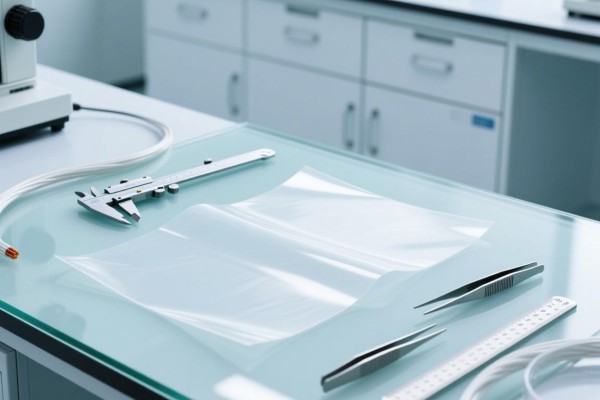
Transforming Performance: Benefits of PTFE in Data Transfer Efficiency
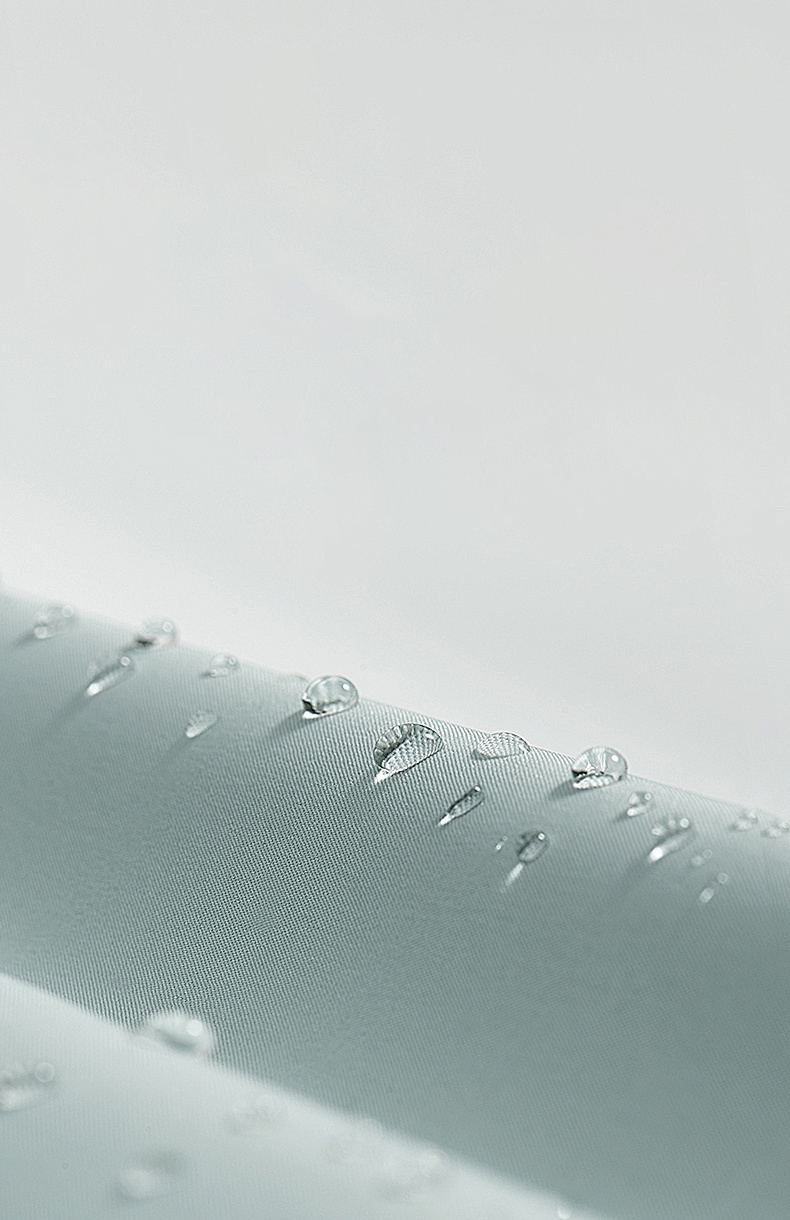
The benefits of PTFE high-speed cable film significantly enhance data transfer efficiency across various high-frequency applications. Its low dielectric constant minimizes signal delay, enabling quicker transmission speeds without compromising signal integrity. This unique property is particularly advantageous in environments where rapid data exchange and minimal interference are critical. Additionally, PTFE’s superior chemical resistance contributes to the durability of the cable film, ensuring consistent performance even under challenging conditions. The hydrophobic nature of PTFE prevents moisture absorption, further safeguarding the electrical performance during high-humidity situations. As demand for advanced communication technologies rises, utilizing PTFE cable film ensures that transmission remains reliable and efficient, meeting the challenges posed by modern electronic devices.
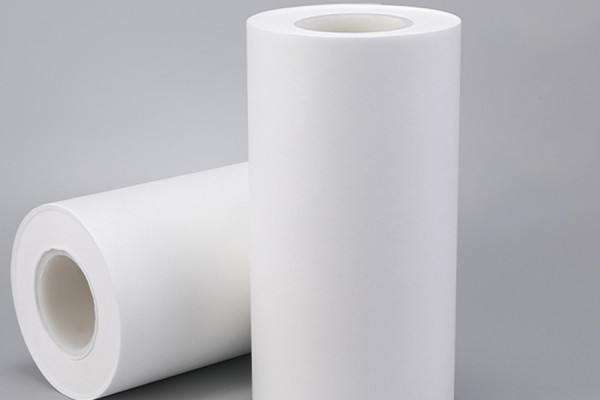
Exploring the Properties of PTFE Cable Film for Enhanced Signal Integrity
PTFE cable film offers exceptional properties that enhance signal integrity in high-speed data transmission. Its low dielectric constant minimizes signal delays, making it ideal for use in high-frequency applications. When integrated into designs along with DAC high-speed cable wrapping film and AOC high-speed cable wrapping film, it creates a robust solution for preserving data integrity. The chemical inertness of PTFE ensures that the cable film withstands various environmental conditions without degrading, while its excellent electrical insulation prevents short-circuiting or leakage. This makes PTFE thread seal tape an essential component in modern electronic devices, aligning perfectly with the demands of advanced applications like 6G technology and AI server infrastructure. The combination of these specialized materials provides a significant boost to overall performance, making them a preferred choice for manufacturers focused on quality and reliability.
The Future of Data Transmission: How PTFE High-Speed Cable Film Meets Demands
The increasing need for high-speed data transfer in modern electronics drives the development of advanced materials like PTFE high-speed cable film. This innovative solution acts as a reliable barrier, enhancing signal integrity while effectively insulating high-frequency connections. Designed to meet rigorous demands, PTFE cable wrapping tape showcases exceptional performance across various temperature ranges, ensuring stability in dynamic environments. Additionally, the unique properties of PTFE wrapping film contribute to lower dielectric losses and reduced signal delays, making it an ideal choice for next-generation applications. As industries continue to evolve towards ultra-fast communication standards, the role of PTFE cable film will be pivotal in addressing these challenges and facilitating efficient data transmission.
Conclusion
The advancements in PTFE high-speed cable film signify a major shift in data transmission technologies. By offering superior insulation and enhancing signal integrity, these materials cater to the growing demands of modern electronic applications. PTFE’s unique characteristics, such as its low dielectric constant and exceptional thermal stability, contribute to enhanced performance in high-frequency environments. As industries increasingly rely on efficient data transfer, the continuous evolution of PTFE solutions will help address emerging challenges in telecommunications and advanced computing. Therefore, the role of PTFE high-speed cable film is instrumental in ensuring that electronic devices meet the stringent requirements for reliability and efficiency in a fast-paced digital landscape.
FAQs
What advantages does PTFE high-speed cable film provide?
PTFE high-speed cable film offers low dielectric loss, excellent thermal stability, and superior insulation, enhancing the performance of data transmission in high-frequency applications.
How does PTFE improve signal integrity?
The low dielectric constant of PTFE minimizes signal delays and reduces potential interference, ensuring clearer communication in various electronic devices.
Can PTFE cable film withstand harsh environments?
Yes, PTFE cable film exhibits remarkable chemical resistance and hydrophobic properties, making it durable and reliable even in challenging environmental conditions.
Is PTFE suitable for advanced communication technologies?
Absolutely. Its performance characteristics align well with the demands of next-generation applications such as 5G and AI technologies.
How does the manufacturing process influence the performance of PTFE cable film?
The meticulous winding and coating processes ensure that the film adheres tightly to cables, enhancing insulation while maintaining flexibility for optimal performance.