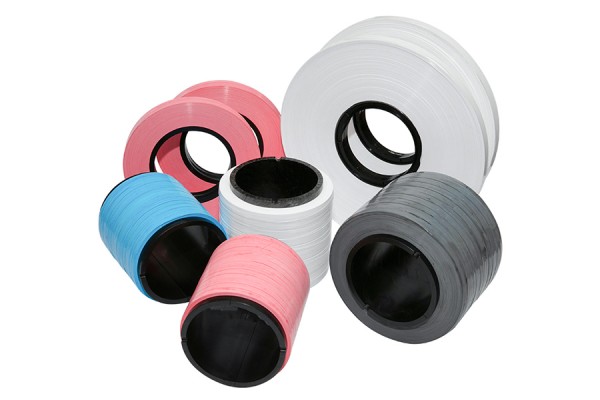
important Takeaways
ePTFE membranes are gaining recognition for their exceptional properties that cater to a wide array of industrial needs. The chemical stability of ePTFE ensures that it can endure exposure to harsh substances without degradation, making it a reliable choice for critical applications. Furthermore, its low flammability significantly enhances safety in environments where fire risks are a major concern. The thermal performance of ePTFE membranes is particularly noteworthy; they can sustain integrity under high temperatures, which is essential in demanding applications. When used in cable insulation, ePTFE provides enhanced electrical properties with reduced signal loss, improving overall communication efficiency. Lastly, ePTFE’s lightweight nature facilitates ease of handling and installation, appealing to manufacturers seeking efficiency in production processes. These combined advantages mention why many industries are increasingly adopting ePTFE membranes for their diverse applications.
Exploring ePTFE Membrane Properties
ePTFE membranes exhibit unique characteristics that make them a preferred choice in numerous applications. Their porous structure provides outstanding permeability while maintaining a high level of chemical resistance, making them suitable for environments with harsh chemicals and extreme temperatures. These films are exceptionally stable, ensuring performance reliability over extended periods. Furthermore, the low flammability of ePTFE is a critical factor in industries where fire resistance is paramount. The thermal benefits of these membranes are also worth noting; they maintain integrity under high thermal loads, which is particularly important in applications involving high speed transmission line PTFE wrapping tape or PTFE wrapping film. In the context of cable insulation, ePTFE’s ability to reduce signal attenuation enhances electrical performance, making it integral in high-speed and high-frequency cable wrapping films, such as DAC high-speed cable wrapping film and AEC high-speed cable wrapping film. This focus on performance under extreme conditions underscores the value of using ePTFE in reliable industrial solutions.
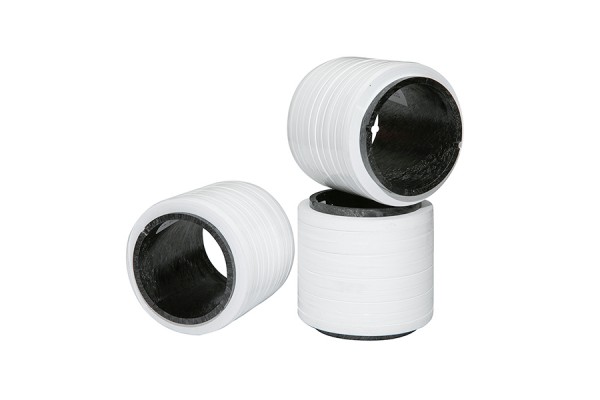
Applications of ePTFE in Industry
ePTFE membranes find extensive use across various industrial sectors due to their unique properties. In the medical field, they are employed in devices like culture bottles, urinary bags, and infusion systems, where chemical stability and biocompatibility are key. furthermore, in the battery industry, ePTFE aids in gas release and pressure balance, ensuring efficient performance. Industries that require sound transmission and gas dispersion benefit from these membranes due to their porous structure. Furthermore, the wire and cable sector utilizes ePTFE for insulation materials; it outperforms conventional options like polyethylene and polyvinyl chloride by offering superior thermal stability and moisture resistance. These characteristics are vital for applications involving high temperatures or hazardous environments. Overall, ePTFE’s versatility supports a range of applications, enhancing efficiency and safety across diverse settings.
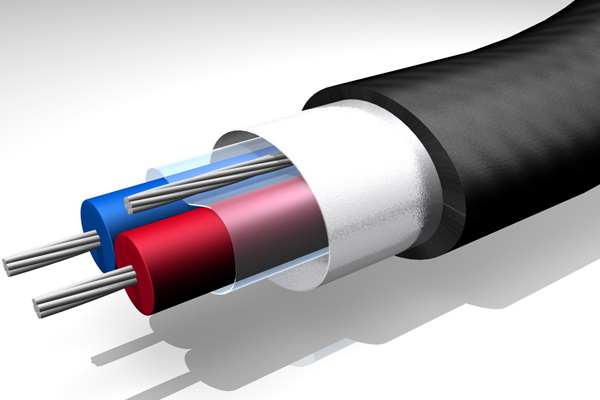
Why choose ePTFE Membranes
ePTFE membranes offer numerous advantages, making them an ideal choice for a variety of industrial applications. Their unmatched chemical stability is one of the main reasons to consider them, as they can withstand harsh environments and resist degradation from aggressive substances. This reliability extends the lifespan of products that incorporate these membranes. Furthermore, ePTFE’s superior thermal performance ensures that they can function effectively at elevated temperatures without compromising safety or integrity.
The low flammability of ePTFE adds another layer of safety, especially in industries where fire risk is a concern. This characteristic enables their use in applications such as electrical insulation and gas regulation. furthermore, manufacturers favor ePTFE for its lightweight nature, which translates to easier handling and installation in production processes.
Ultimately, companies looking for durable materials with reliable performance should seriously consider ePTFE membranes to boost their products’ efficiency and longevity.
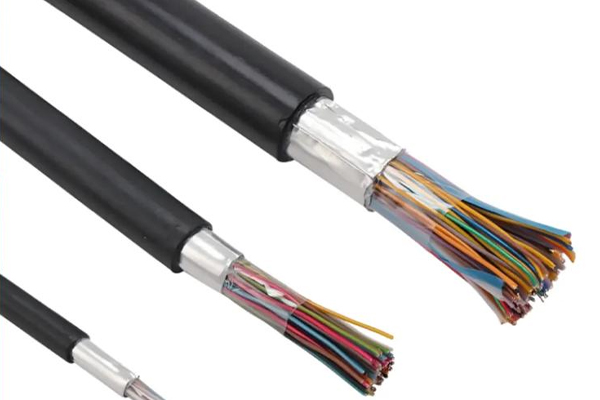
Chemical stability of ePTFE
ePTFE membranes exhibit remarkable chemical stability, making them suitable for a wide range of harsh environments. They resist degradation when exposed to strong acids, bases, and solvents, which is key for industries like pharmaceuticals and chemical processing. This stability ensures that ePTFE maintains its integrity and performance over time, even in extreme conditions. The capability to withstand a variety of chemicals without compromising performance reduces the need for frequent replacements or repairs, ultimately leading to cost savings. furthermore, ePTFE’s non-reactive nature contributes to its longevity in applications where contamination could be a concern. This unique property allows for the design of systems that require consistent and reliable performance without the risk of chemical interference. Overall, ePTFE’s resilience is a significant factor in its selection for critical applications across numerous sectors.
Thermal benefits of ePTFE Films
ePTFE films exhibit exceptional thermal stability, making them an ideal choice for applications in demanding environments. Their ability to withstand high temperatures without degrading ensures reliable performance across various industrial sectors. Unlike traditional materials such as polyethylene and polyvinyl chloride, ePTFE does not burn easily, significantly reducing fire hazards. This low flammability is important for safety in industries where heat exposure is inevitable. Moreover, ePTFE membranes maintain their integrity and performance even under intense thermal stress, which enhances their longevity in critical applications. This combination of thermal resilience and safety makes ePTFE films a favored option for insulation in electrical wiring and high-temperature processes, where both durability and user protection are paramount. The consistent thermal performance properties of ePTFE allow it to contribute positively to energy efficiency, further establishing its value in modern industrial applications.
Low flammability in ePTFE Uses
ePTFE membranes exhibit exceptionally low flammability, making them an ideal choice for applications in high-risk environments. Their inherent properties provide a significant advantage over conventional materials, such as polyethylene (PE) and polyvinyl chloride (PVC), which can ignite easily and burn at elevated temperatures. The chemical composition of ePTFE contributes to its low flammability, as it does not support combustion and remains stable under extreme conditions. This characteristic is especially beneficial in industries like aerospace and electronics, where fire safety is important. In cable insulation, for example, ePTFE effectively reduces the risk of fire hazards while maintaining excellent electrical properties. also, its thermal stability ensures that components do not fail or become compromised during high-temperature operations. The combination of safety and performance makes ePTFE a reliable material for applications requiring durability alongside fire resistance.
ePTFE in Cable Insulation
ePTFE membranes are gaining traction in the cable insulation sector due to their superior electrical properties, offering significant advantages over traditional materials like polyethylene (PE) and polyvinyl chloride (PVC). Unlike PE and PVC, which can combust under high temperatures or ignite easily, ePTFE maintains its integrity even in demanding conditions. This resilience stems from its excellent thermal stability and low flammability, making it a safe choice for critical applications. Moreover, ePTFE’s unique structure contributes to minimized signal attenuation. The attenuation constant in cables reflects energy loss during transmission and can be affected by the insulation material used. With ePTFE, both conductor loss and dielectric loss components are optimized, enhancing overall performance, especially in high-frequency scenarios. As industries continue to prioritize safety and efficiency, the shift towards ePTFE for wire and cable applications is likely to grow, driven by its proven effectiveness in challenging environments.
original Uses for Membrane ePTFE
Membrane ePTFE is finding original applications across various industries due to its unique properties. For instance, in the medical field, ePTFE is used in filtration for drug delivery systems and as a barrier in surgical implants. Its biocompatibility and chemical resistance make it ideal for devices like wound dressings and tissue scaffolds. In environmental engineering, ePTFE membranes serve in water purification systems where they filter contaminants efficiently while allowing water to pass through easily.
Moreover, the aerospace sector employs ePTFE as a lightweight barrier against moisture and gases in spacecraft insulation. This application capitalizes on its low weight and high strength-to-weight ratio. Companies are also exploring the use of ePTFE membranes in renewable energy solutions, such as in fuel cells where gas permeability plays a vital role in performance efficiency. Each original use showcases how versatile membrane ePTFE can be when tailored to meet specific industry needs while maintaining optimal functionality under challenging conditions.
Conclusion
the versatility of ePTFE membranes in industrial applications marks them as key assets across various sectors. Their superior properties, including exceptional chemical stability, thermal performance, and low flammability, contribute to their increasing adoption in high-stakes environments. From medical devices to cable insulation and renewable energy systems, ePTFE’s adaptability meets the demanding requirements of modern industries. As companies seek to boost product reliability and safety, the ongoing exploration of original uses for ePTFE underscores its potential in driving efficiencies and optimizing performance. The integration of ePTFE membranes into diverse applications highlights the material’s effectiveness in addressing unique challenges while contributing to advances in safety and efficiency across multiple fields.
FAQs
What are ePTFE membranes used for?
ePTFE membranes are utilized in various industries, including medical devices, cable insulation, and environmental engineering.
How do ePTFE membranes differ from traditional materials?
Unlike traditional materials such as polyethylene and PVC, ePTFE offers superior chemical resistance, thermal stability, and low flammability.
Are ePTFE membranes suitable for high-temperature applications?
Yes, ePTFE membranes can withstand high temperatures without losing their integrity or performance.
What is the chemical stability of ePTFE?
ePTFE demonstrates remarkable chemical stability by resisting degradation in the presence of strong acids, bases, and solvents.
Why is low flammability important for ePTFE membranes?
Low flammability is important for applications in industries like aerospace and electronics, where fire safety is a significant concern.
Can ePTFE be used in renewable energy solutions?
Yes, ePTFE is being explored for applications such as fuel cells due to its effective gas permeability and overall performance efficiency.