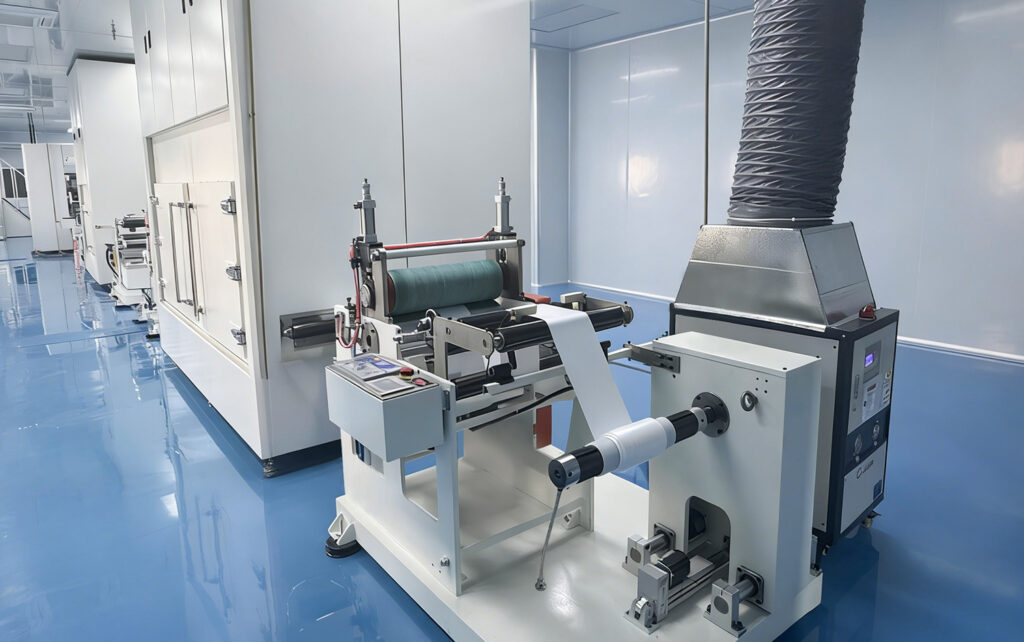
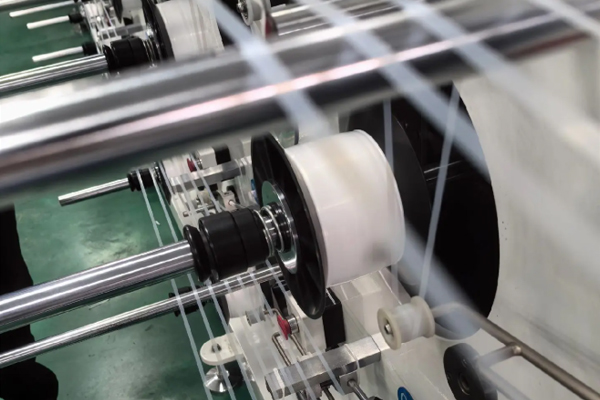
PTFE raw material tape is becoming increasingly vital in the electronics sector, particularly for next-generation devices. Its unique combination of low dielectric loss, thermal stability, and chemical resistance positions it as an optimal choice for high-speed applications. The minimized signal attenuation provided by the low dielectric loss enhances data transmission rates crucial for AI servers and other advanced systems. Additionally, the tape’s ability to perform reliably across a broad temperature range assures manufacturers of its durability and efficiency in demanding conditions. As technology evolves, PTFE raw material tape will likely continue to facilitate improved electronic performance, ensuring devices meet modern demands without compromise.
Enhanced Properties of PTFE Raw Material Tape for Cutting-Edge Electronics
PTFE raw material tape showcases significant advancements in properties, making it a vital component for next-generation electronics. Its low dielectric loss enhances signal integrity, which is crucial for high-speed transmission line PTFE wrapping tape used in AI servers. This type of tape ensures minimal signal degradation, enabling efficient performance in demanding applications. The versatility of PTFE wrapping film also allows it to be used in various high-frequency environments, including DAC, AEC, and AOC high-speed cable wrapping films, which require reliable thermal stability and chemical resistance. The application of PTFE cable wrapping tape is further enhanced by its excellent temperature tolerance and durability against environmental factors. As electronic devices evolve, employing PTFE raw material tape becomes increasingly essential to meet the challenges presented by fast-paced technological advancements in high-speed and high-frequency cable wrapping film applications.
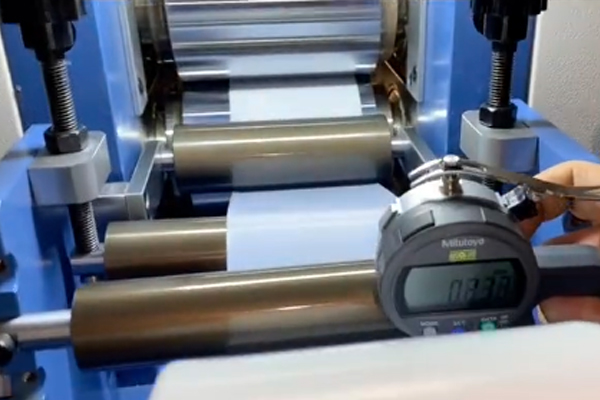
The Impact of PTFE Raw Material Tape on AI Server Performance
The use of high-speed transmission line PTFE wrapping tape has become pivotal in enhancing the performance of AI servers. This specialized tape, known for its low dielectric loss, ensures that signal integrity remains intact even under demanding conditions. With the growing need for faster data transmission rates in advanced devices, PTFE wrapping film offers a reliable solution. Its thermal stability allows for effective operation across various temperature ranges, which is crucial for high-performance computing environments. When paired with AEC and ACC high-speed cable wrapping films, the overall efficiency and durability of AI server components are significantly improved.
"Choosing the right materials is essential in optimizing AI server performance."
Utilizing advanced PTFE materials creates opportunities to meet the rigorous signaling demands required in modern computing, addressing challenges associated with heat, wear, and signal degradation effectively.
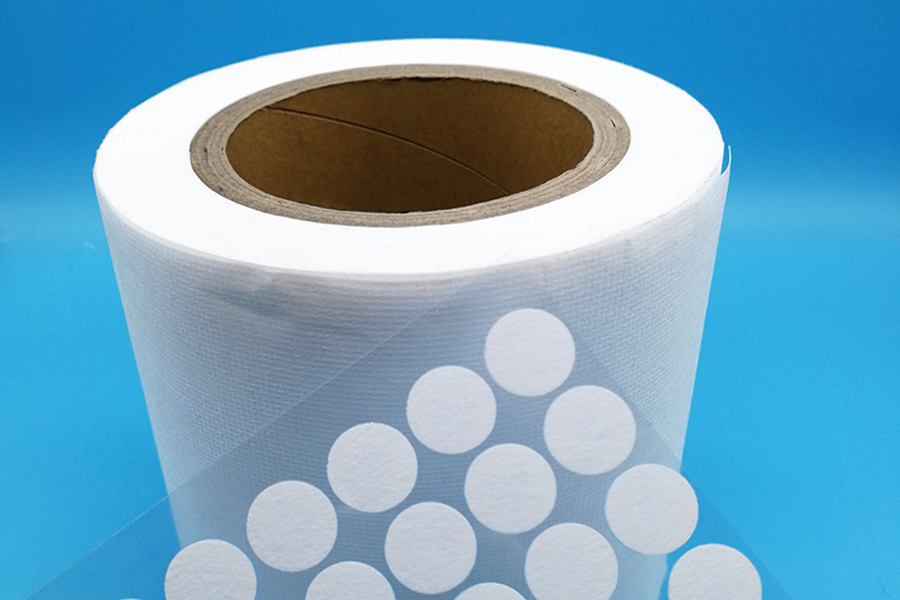
Low Dielectric Loss in PTFE Raw Material Tape: A Game-Changer for Electronics
The low dielectric loss exhibited by PTFE raw material tape is a significant advancement for electronic components. This characteristic minimizes signal attenuation, ensuring faster data transmission rates crucial for modern applications. In high-speed environments, such as AI servers, this tape markedly improves the overall system efficiency. The incorporation of DAC high-speed cable wrapping film with lower dielectric constants aligns perfectly with the needs of next-generation devices. Furthermore, reduced signal delays enhance performance in critical situations, where every nanosecond counts. As electronic devices become increasingly sophisticated, utilizing this technology can lead to more reliable and efficient operation across various high-performance applications.
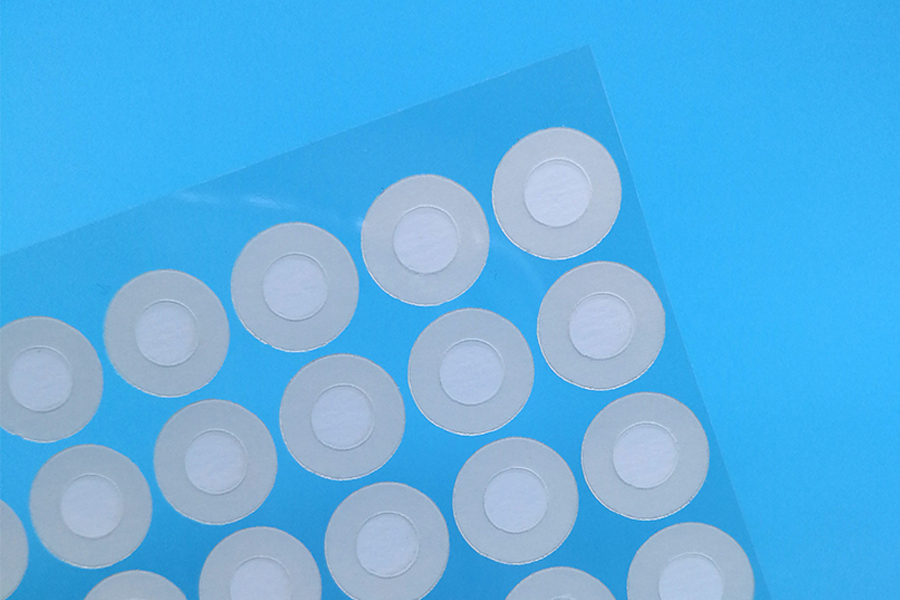
Thermal Stability and High Performance of PTFE Raw Material Tape in Advanced Devices
PTFE raw material tape is designed to excel in thermal stability, making it an excellent choice for advanced electronic devices. Its ability to maintain consistent performance across a considerable temperature range—from -150°C to +260°C—ensures reliability in high-speed applications such as AI servers. This stability not only enhances the lifespan of electronic components but also reduces the likelihood of thermal-related failures.
In addition to its thermal properties, PTFE tape boasts remarkable insulation capabilities, helping to minimize dielectric loss during operation. The table below summarizes key performance metrics of PTFE raw material tape:
| Property | Value |
|---|---|
| Operating Temperature Range | -150°C to +260°C |
| Dielectric Loss | Low |
| Chemical Resistance | High |
| Humidity Insensitivity | Yes |
These attributes collectively support the effective functioning of modern electronics, where rapid data transmission and efficiency are paramount. By integrating PTFE raw material tape into designs, manufacturers can optimize the performance and durability of their products, paving the way for innovations in the next generation of electronics.
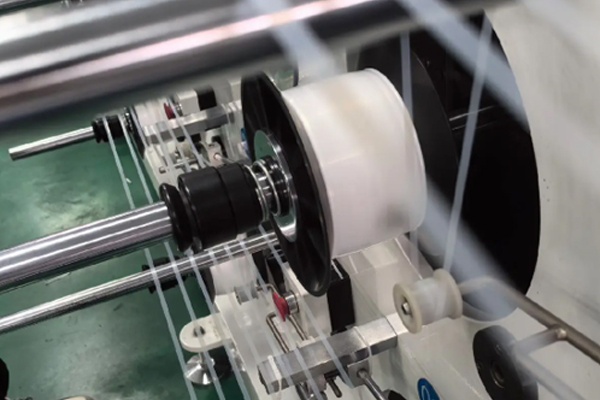
Why PTFE Raw Material Tape is Optimal for Next-Generation High-Speed Applications
PTFE raw material tape serves as an exceptional solution for high-speed applications, particularly due to its low dielectric loss. This characteristic is vital in modern electronics, where even minimal delays can impact overall performance. The tape’s unique composition allows it to maintain consistency across various environmental conditions, making it a reliable choice for AI servers and other advanced devices. Additionally, its durability against temperature fluctuations ensures that signal integrity remains intact during operation. As the demand for high-speed and high-frequency cable wrapping film increases in cutting-edge technology, PTFE raw material tape stands out by offering superior insulation and protection against potential disruptions in signal transmission. This combination of attributes positions it as an essential material in the development of next-generation electronics.
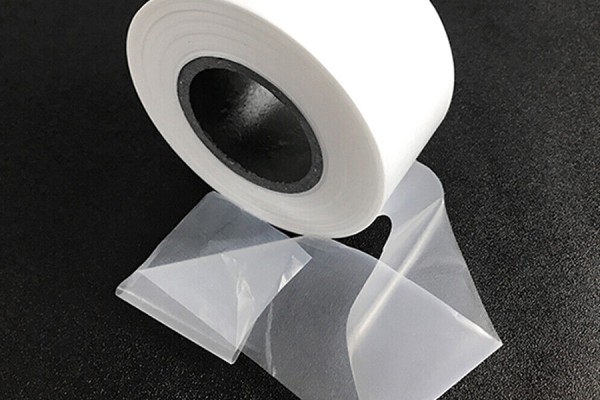
Exploring Chemical Resistance in PTFE Raw Material Tape for Electronics Innovation
The chemical resistance of PTFE raw material tape plays a crucial role in its application for next-generation electronics. This property allows the tape to withstand exposure to various substances without degrading, thus ensuring longevity and reliability in high-performance environments. The highly inert nature of PTFE prevents reactions with corrosive chemicals that could compromise electrical insulation or structural integrity. As technological advancements push for faster data transmission speeds, the use of materials like AOC high-speed cable wrapping film becomes essential. These films not only reduce dielectric losses but also enhance signal integrity under challenging conditions. The ability of PTFE raw material tape to maintain stable performance in the presence of chemicals makes it an optimal choice for demanding applications, particularly in sectors like AI and telecommunications that require robust and dependable components.
Maximizing Signal Integrity: The Role of PTFE Raw Material Tape in Modern Devices
PTFE raw material tape plays a pivotal role in enhancing signal integrity across various modern devices. Its outstanding low dielectric loss significantly reduces signal delays, ensuring efficient data transmission essential for high-speed applications. This characteristic is particularly beneficial in AI server environments where rapid processing and accurate signal relay are critical. Furthermore, the PTFE Thread Seal Tape’s high thermal stability allows it to maintain performance under varying temperatures, preventing any disruptions that could lead to signal degradation. Additionally, its chemical resistance protects against environmental factors that can otherwise compromise material integrity, further supporting reliable communication in advanced electronic systems. By integrating such properties, PTFE raw material tape fosters an optimized performance landscape for next-generation electronics.
Conclusion
The integration of PTFE raw material tape in next-generation electronics signifies a critical advancement in material science. Its unique properties, including low dielectric loss, robust thermal stability, and chemical resistance, create optimal conditions for enhancing electronic performance. This tape not only meets the rigorous demands of high-speed applications in AI servers but also shows resilience against environmental factors that may otherwise affect signal transmission. As electronic systems continue to evolve with increasing data processing needs, the consistent reliance on PTFE raw material tape will drive significant improvements in efficiency and reliability across modern devices. Manufacturers are recognizing the importance of these characteristics in their designs, ensuring that future innovations maintain high standards of performance and durability.
FAQs
What makes PTFE raw material tape essential for next-generation electronics?
PTFE raw material tape is crucial due to its low dielectric loss, which enhances signal integrity and reduces signal degradation in high-speed applications.
How does the thermal stability of PTFE raw material tape benefit electronic devices?
The thermal stability of PTFE raw material tape ensures consistent performance across various temperatures, which is vital for preventing thermal-related failures in advanced devices.
Why is chemical resistance important in PTFE raw material tape?
Chemical resistance protects the tape from degradation due to exposure to harsh substances, ensuring long-lasting and reliable performance in demanding environments.
How does PTFE raw material tape improve AI server performance?
PTFE raw material tape’s low dielectric loss and thermal stability significantly enhance data transmission speeds, making it ideal for the high-performance demands of AI servers.
Can PTFE raw material tape be used in varying environmental conditions?
Yes, its unique composition maintains reliability across different environmental conditions, making it suitable for various high-frequency applications.