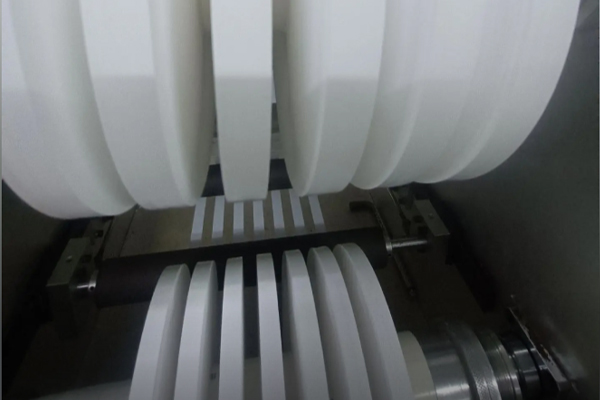
important Takeaways
High-speed transmission line PTFE wrapping tape offers significant advantages in enhancing signal reliability for modern electronics. Its unique low-loss properties help preserve signal integrity over long distances, making it a preferred choice in high-frequency applications. The precise dimensional accuracy of this tape ensures uniform thickness, which is key for reducing impedance mismatches that can degrade signal quality. Moreover, the material’s resilience against extreme temperatures and chemical exposure enhances its durability, ensuring long-lasting performance across various sectors, including telecommunications and aerospace. When choosing this wrapping tape, it is essential to consider factors such as dielectric strength and thickness tolerance to meet specific application requirements effectively. As technology advances and demands increase, integrating high quality PTFE wrapping tape is vital for manufacturers aiming to improve the efficiency and longevity of their electronic systems.
High-Speed Signal Enhancement with PTFE Wrap
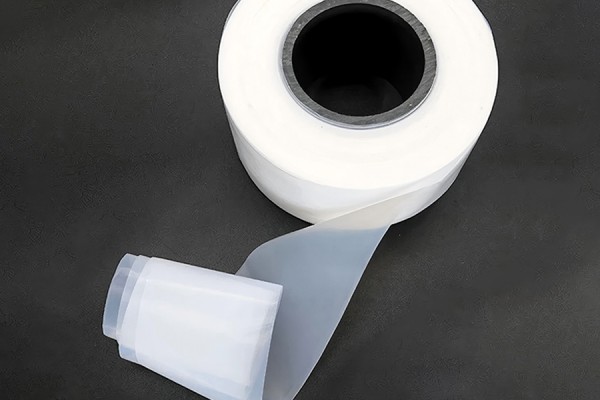
High-speed transmission line PTFE wrapping tape significantly improves signal integrity through its unique properties. This type of PTFE wrapping film is engineered for minimal dielectric loss, ensuring that signals maintain their strength over long distances. The low-loss characteristics of PTFE cable wrapping tape are essential in high-frequency applications, preventing distortion and degradation of data signals. With strict quality controls in thickness and density, such as those seen in DAC high-speed cable wrapping film and AEC high-speed cable wrapping film, the insulation properties are remarkably consistent. This consistency translates to better performance in environments where signal reliability is critical, such as medical equipment, aerospace applications, and advanced telecommunication systems. By using high-speed and high-frequency cable wrapping film, manufacturers can ensure that their products meet the increasing demands for efficient data transmission while navigating complex operational conditions. Overall, the adoption of PTFE Thread Seal Tape enhances both performance and durability in modern electronics.
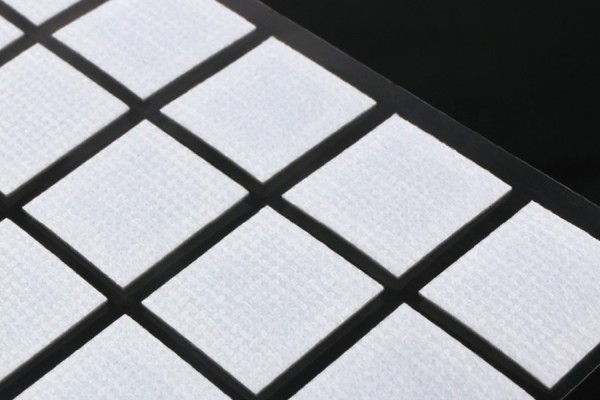
Benefits of PTFE in Modern Electronics
PTFE, or polytetrafluoroethylene, is a vital material in modern electronics due to its exceptional insulating properties and low loss characteristics. Its high dielectric strength and stability across a wide temperature range make it ideal for high-frequency applications, where signal integrity is key. PTFE effectively minimizes signal attenuation, allowing for clearer transmissions in devices such as RF cables, medical equipment, and telecommunications systems. The material’s resilience to electromagnetic interference enhances the performance of sensitive electronics. Furthermore, PTFE is chemically inert and resistant to moisture and corrosive substances, which prolongs the lifespan of electronic components in demanding environments. These qualities ensure optimal operational efficiency in a variety of applications, from consumer electronics to advanced military systems. The combination of these attributes positions PTFE as an essential choice for engineers seeking reliable solutions in high-speed data transmission and overall electronic performance improvement.
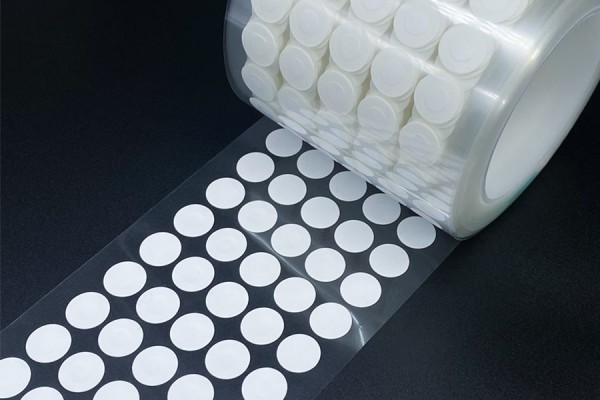
Choosing the Right Wrapping Tape
Selecting the appropriate wrapping tape is essential for optimizing performance in high-speed transmission lines. PTFE wrapping tape stands out due to its low loss characteristics and excellent insulation properties. When considering options, examine factors such as the tape’s dielectric strength, thickness tolerance, and surface quality. A thickness of 0.1±0.01mm ensures consistency, reducing impedance discontinuities during application. also, assess the temperature range compatibility; PTFE maintains its integrity between -200℃ to 260℃, making it suitable for diverse environments. Evaluate specific application requirements as well, whether it’s for military, aerospace, or medical use, as each demands different performance criteria. Finally, consider the electrical properties; a low dielectric constant facilitates rapid data transmission while minimizing signal distortion. By carefully evaluating these factors, one can choose a wrapping tape that truly enhances signal reliability in modern electronics.
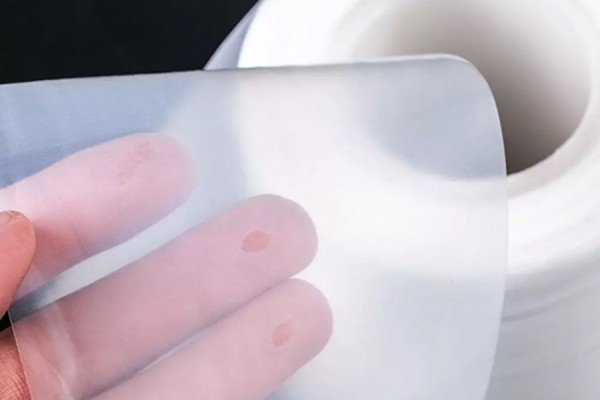
important Features of High-Speed Transmission Tape
High-speed transmission line PTFE wrapping tape is engineered for optimal performance in modern electronic applications. One of its important features is its low dielectric loss, which directly contributes to improved signal integrity. This property is essential in high-frequency environments where even minor losses can significantly impact data transmission quality. The tape’s unique unidirectional stretched structure ensures minimal signal polarization loss, effectively maintaining clarity during data transfer.
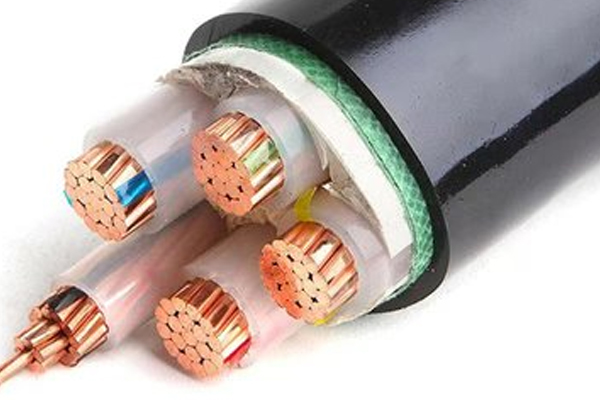
Furthermore, the strict dimensional accuracy of the PTFE wrapping tape guarantees consistent thickness and winding tension. This precision minimizes impedance discontinuities, key for preventing signal distortion. The superior mechanical properties make it suitable for various applications, including RF coaxial cables and medical devices, where durability under dynamic conditions is paramount.
Moreover, the temperature resilience of PTFE allows the tape to operate effectively across a broad range of conditions, from extreme cold to high heat. This versatility makes it a preferred choice among manufacturers looking to boost the reliability and performance of their high-speed transmission lines.
Durability and Reliability of PTFE Products
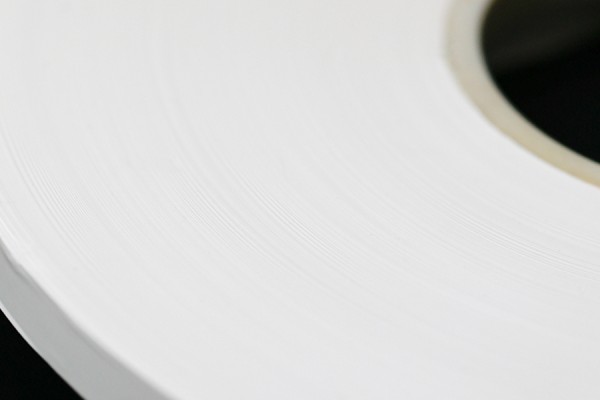
The durability of PTFE products plays a vital role in ensuring consistent performance across various applications. PTFE, known for its excellent resistance to chemicals and temperature extremes, provides a robust solution for environments where other materials might degrade. This resilience translates into reliable insulation and minimal degradation over time, ensuring long-term functionality. also, the mechanical strength of PTFE helps it withstand physical stress and prevent wear during high-speed operations. Its ability to maintain structural integrity under dynamic conditions further enhances its reliability in critical applications like RF coaxial cables and high-temperature wiring. As the demand for efficient data transmission increases, the lasting nature of PTFE products ensures they remain a dependable choice for manufacturers striving for longevity in electronic solutions. This reliability not only fulfills immediate technical needs but also promotes sustainability by reducing the need for frequent replacements or repairs in modern electronic systems.
Low loss properties of PTFE Material
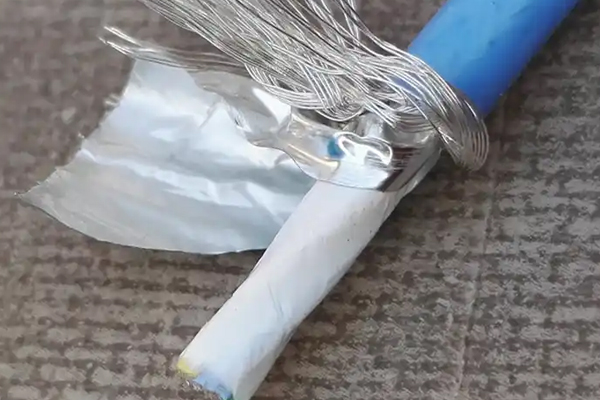
PTFE, or polytetrafluoroethylene, is recognized for its low loss properties that significantly influence signal quality in high-speed transmission applications. This material exhibits a low dielectric constant, which aids in minimizing signal distortion and attenuation during transmission. Its unique molecular structure allows for the quick movement of electrical charges with minimal resistance, making it ideal for modern electronics that require fast and reliable data transfer. In high-frequency applications, such as RF coaxial cables and microwave systems, the low loss characteristics of PTFE become even more important, as they ensure that the integrity of information is preserved over longer distances. Furthermore, PTFE’s ability to withstand a wide temperature range enhances its performance stability, providing consistent electrical efficiency under varying environmental conditions. This combination of low loss properties leads to improved overall functionality of electronic devices incorporating Guangfu PTFE wrapping tape.
Impact of Dimensional Accuracy on Performance
Dimensional accuracy plays a significant role in the performance of High-Speed Transmission Line PTFE Wrapping Tape. The adherence to a tight tolerance of 0.1±0.01mm ensures that the tape maintains consistent thickness throughout its application. This precision is critical for achieving reliable insulation and minimizing impedance discontinuities, which can negatively affect signal integrity. When roll thickness is consistent, it allows for better control over winding tension during high-speed wrapping processes, contributing to improved mechanical stability and reliability. Flaws such as uneven surfaces or defects can lead to variable electrical performance, resulting in signal loss and crosstalk. Therefore, ensuring strict dimensional accuracy not only enhances the durability of the tape but also directly impacts the overall efficiency and reliability of electronic devices utilizing this essential material in their construction.
Applications of PTFE Wrapping Tape in Industry
PTFE wrapping tape is extensively utilized across various sectors due to its outstanding dielectric properties and durability. In the telecommunications industry, it is an insulation material for high-speed transmission lines, ensuring minimal signal loss and improved efficiency. The aerospace sector leverages PTFE tape for its ability to withstand extreme temperatures and corrosive environments, making it ideal for wiring in flight systems and high-performance vehicles. Medical devices also benefit from the low friction and excellent chemical resistance of PTFE, enhancing the reliability of cable insulation in sensitive applications such as diagnostic equipment and surgical tools. furthermore, the automotive industry employs PTFE wrapping tape in electrical harnesses, where its robust nature supports the increasing demand for data driven electronic functions. As technology advances, PTFE’s role continues to expand, showcasing its versatility in handling a wide array of operational challenges in modern manufacturing and electronic applications.
Conclusion
high-speed transmission line PTFE wrapping tape stands out as a key component in enhancing signal reliability across various industries. Its unique characteristics, including low dielectric loss and excellent dimensional accuracy, ensure that electrical signals retain their integrity even in demanding conditions. By minimizing attenuation and distortion, PTFE tape contributes significantly to the efficiency of high-performance electronics, such as RF cables and medical devices. Furthermore, its durability against extreme temperatures and chemical exposure makes it a versatile choice for applications ranging from aerospace to telecommunications. Manufacturers who prioritize the integration of high quality PTFE wrapping tape in their products are likely to experience enhanced performance and longevity. This material not only meets the growing demands for efficient data transmission but also supports advancements in technology, showcasing its value in modern electronic systems.
FAQs
What is High-Speed Transmission Line PTFE Wrapping Tape?
It is a specialized tape designed for high-speed transmission lines, enhancing signal reliability through its low loss and excellent insulation properties.
How does PTFE improve signal reliability?
PTFE minimizes dielectric loss and signal distortion, ensuring that electrical signals maintain their integrity over long distances.
Can High-Speed Transmission Line PTFE Wrapping Tape withstand extreme temperatures?
Yes, it can operate effectively in a wide temperature range from -200℃ to 260℃ without losing its insulating properties.
What applications commonly use PTFE wrapping tape?
It’s used in telecommunications, aerospace, medical devices, and automotive industries for various wiring and insulation needs.
What should I consider when choosing wrapping tape for electronics?
Factors like dielectric strength, thickness tolerance, surface quality, and temperature compatibility are essential for selecting the right wrapping tape.