main Takeaways
PTFE cable tape wrapping stands out as a fundamental component in enhancing connectivity for high-speed applications. Its unique properties, including excellent insulation and thermal resistance, ensure reliable signal transmission in environments that demand high performance. The combination of chemical and electromagnetic shielding further reduces interference, which is important for maintaining data integrity in both data transmission and RF applications. It is also vital to recognize that PTFE excels in extreme temperatures, providing stability and durability in challenging conditions. The material’s resistance to degradation over time contributes to the longevity of cable systems, ultimately improving overall reliability. When choosing PTFE cable tape, it’s important to assess project specifications, ensuring compatibility with the technical requirements. This balance of properties allows industries to harness the full potential of PTFE for improved performance across various applications.
Advancements in PTFE Cable Wrapping
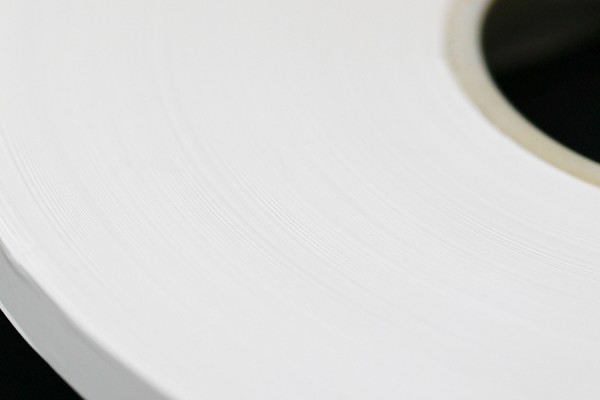
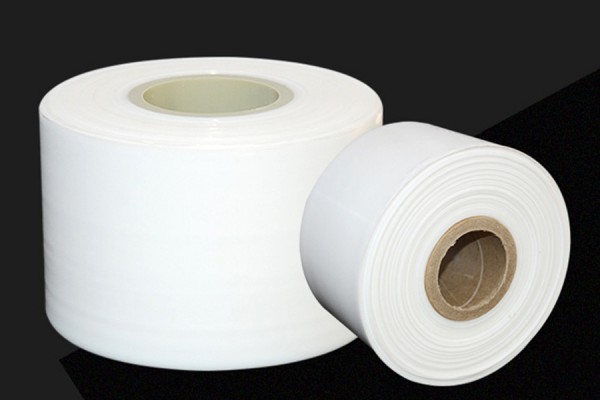
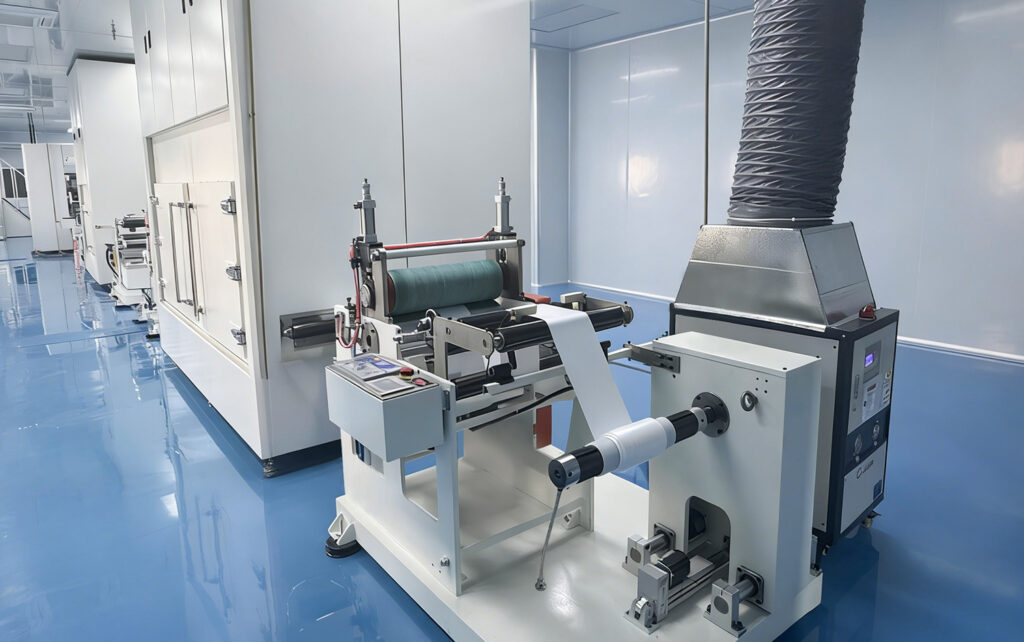
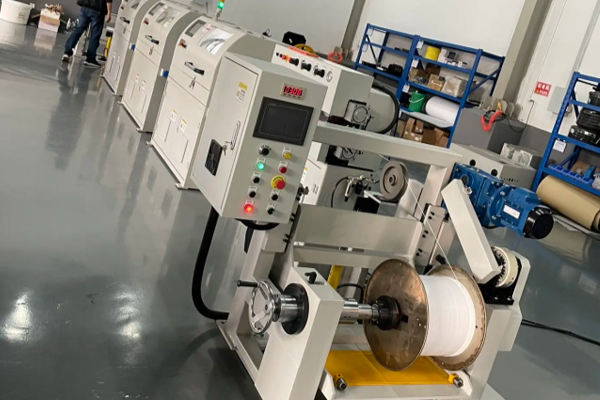
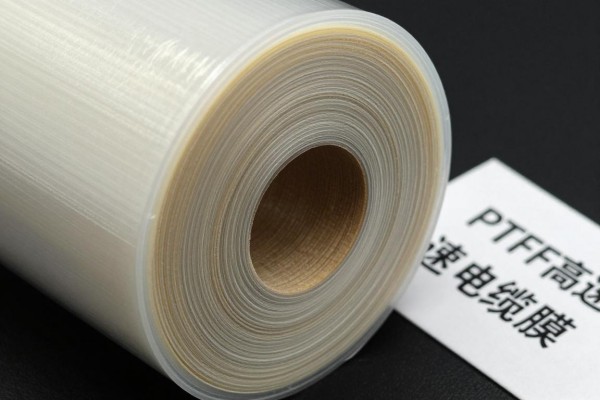
Recent developments in PTFE cable wrapping technology have significantly improved the performance of high-speed transmission lines. By utilizing advanced materials like DAC high-speed cable wrapping film, AEC high-speed cable wrapping film, and AOC high-speed cable wrapping film, manufacturers can create products that offer better insulation and thermal resistance. The versatility of PTFE cable wrapping tape is evident as it increasingly finds applications in various fields, including data transmission and RF cables. Furthermore, advancements in production techniques enable the creation of thinner yet more durable PTFE wrapping film, which reduces weight without compromising performance. This evolution ensures that high-speed and high-frequency cabling solutions can effectively meet the demands of modern technology. With the integration of properties such as elasticity and chemical resistance, PTFE Thread Seal Tape and other related products are becoming essential in enhancing connectivity solutions for a wide range of industrial applications.
important Benefits of PTFE Tape Wrapping
PTFE tape wrapping offers several important benefits that boost the performance of high-speed cables. First, its excellent insulation properties prevent electrical interference, ensuring reliable signal transmission. This is particularly important for applications in data transmission where integrity is paramount. Second, PTFE tape exhibits outstanding thermal resistance, allowing cables to perform effectively in extreme temperature environments ranging from -150°C to 260°C. This durability enhances the reliability of high-temperature electronic systems. Third, the chemical resistance of PTFE means that it can withstand harsh environmental conditions without degrading, making it suitable for outdoor and industrial applications. Lastly, the electromagnetic shielding provided by PTFE tape effectively reduces signal loss and protects cables from external interference, which is key for maintaining data integrity in RF applications and advanced communication systems. Together, these benefits make PTFE tape wrapping an essential component for ensuring optimal performance in various connectivity solutions.
Applications of PTFE in Data Transmission
PTFE cable tape wrapping is essential in the field of data transmission due to its superior performance characteristics. This material is widely utilized in RF cables and high-speed data lines thanks to its excellent dielectric properties, which significantly reduce signal loss. As communication technology advances towards higher frequencies, such as those used in 5G and future 6G networks, the importance of PTFE becomes even more pronounced. Its low dielectric constant enables efficient transmission of high-frequency signals, minimizing interference and ensuring data integrity.
Moreover, PTFE’s resistance to extreme temperatures allows it to perform reliably in various environments, from industrial settings to aerospace applications. In addition to its thermal stability, PTFE offers impressive chemical resistance, making it suitable for harsh conditions where exposure to corrosive substances may occur. This durability extends the lifespan of cables and maintains their performance under demanding circumstances.
In summary, the applications of PTFE cable tape wrapping in data transmission point out its critical role in enhancing connectivity and supporting advanced technological developments across multiple sectors.
Thermal resistance in High-Speed Cables
PTFE cable tape wrapping offers exceptional thermal resistance, making it a vital component for high-speed cables. This material can withstand extreme temperatures ranging from -150°C to 260°C, ensuring reliable performance in demanding conditions. The ability to maintain insulation properties under high temperatures is critical, particularly in applications such as aerospace and data transmission. PTFE’s low thermal conductivity helps to minimize heat buildup, which can lead to signal degradation and performance issues. Moreover, its stable chemical structure prevents breakdown over time, providing lasting protection against harsh environments. This reliability is essential for ensuring that high-speed cables deliver consistent signals without interference or loss. As communication technologies advance towards higher frequencies, the role of thermal resistance becomes even more significant in maintaining the integrity of data transmission.
Importance of Insulation in RF Cables
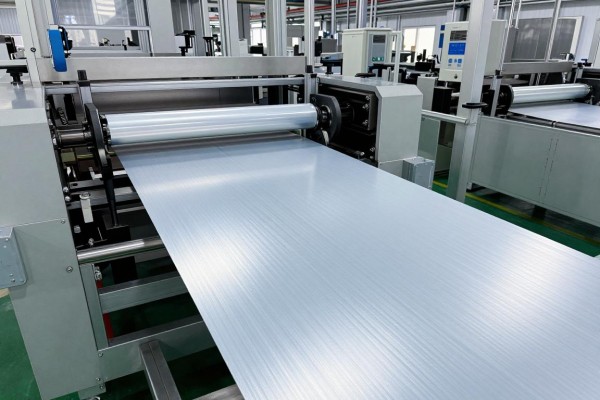
Insulation plays a vital role in the performance of RF cables by preventing signal loss and ensuring clear transmission. In high-frequency applications, the quality of insulation can significantly affect the integrity of the signal. Proper insulation materials reduce dielectric loss, allowing RF cables to maintain their efficiency even in challenging conditions. The use of PTFE cable tape wrapping enhances insulation further, offering excellent thermal stability and resistance to environmental factors. This is key for applications that experience high power levels or exposure to extreme temperatures. Effective insulation also minimizes electromagnetic interference, ensuring that signals remain strong and interference-free. With robust insulation, RF cables can reliably support advanced technology applications across industries such as telecommunications and aerospace, where precision and performance are essential.
Electromagnetic shielding with PTFE
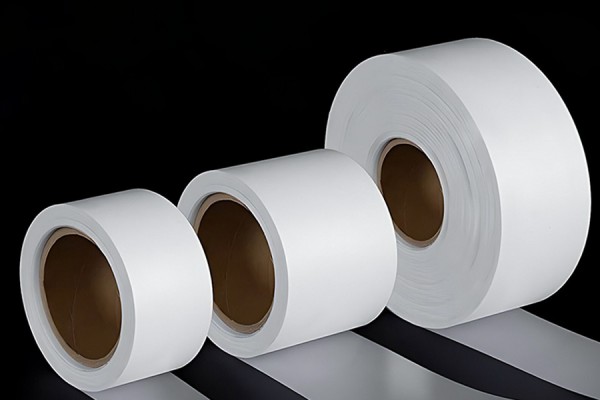
PTFE cable tape wrapping plays a vital role in electromagnetic shielding, a main consideration in modern communication technologies. Its inherent properties safeguard sensitive electronic components by blocking interference from electromagnetic fields. This is particularly important in applications like RF cables, where clarity and quality of signal transmission are critical. The molecular structure of PTFE allows it to provide an exceptional barrier against electromagnetic interference (EMI), effectively minimizing signal degradation in high-speed data transmission. As devices operate at higher frequencies, the demand for effective shielding increases, making PTFE a preferred choice in environments where electromagnetic compatibility is essential. furthermore, PTFE’s characteristics enable it to maintain effectiveness over a wide temperature range, ensuring consistent performance under varying conditions. This reliability ensures that high-speed connectivity solutions can function optimally, even in challenging electronic environments, thereby supporting advancements in communication technologies and ensuring data integrity across complex systems.
High-Temperature Stability in Connectivity Solutions
PTFE cable tape wrapping provides outstanding high-temperature stability, making it an excellent choice for various demanding applications. With a temperature resistance range between -150°C and 260°C, PTFE maintains its integrity and performance under extreme conditions. This stability is essential for high-speed cables that operate in environments with significant thermal fluctuations, such as in aerospace or industrial settings. The material’s unique properties prevent degradation even with prolonged exposure to elevated temperatures, ensuring reliable data transmission and minimizing signal loss. also, PTFE’s resistance to corrosion means that it can withstand harsh chemical environments while maintaining thermal performance. By incorporating PTFE tape wrapping in connectivity solutions, industries can achieve robust performance in their cable systems, leading to enhanced functionality and longevity of high-speed connections.
Choosing the Right PTFE Cable Tape
Selecting the right PTFE cable tape involves considering several factors that influence performance and application suitability. Assess the specific requirements of your project, such as temperature range, flexibility, and dielectric properties. It’s important to opt for tape with a low dielectric constant to ensure efficient signal transmission, particularly in high-speed data applications. Also, consider the thickness of the tape—thicker options may provide additional insulation but can add bulk that may not be suitable for all applications. Another important consideration is the adhesion quality of the tape; reliable adhesion ensures durability and longevity in challenging environments. also, familiarize yourself with manufacturer specifications and performance ratings to ensure compatibility with your existing systems. Ultimately, matching the right PTFE cable tape to your technical needs can significantly improve connectivity reliability and overall system efficiency.
Conclusion
PTFE cable tape wrapping emerges as a key component in modern connectivity solutions, addressing the needs of high-speed data transmission with effective insulation and protection. Its unique properties ensure reliable signal delivery across various applications, including RF cables, while also maintaining performance under extreme thermal conditions. With the ongoing advancements in technology, the demand for durable and efficient materials like PTFE continues to grow. Businesses must consider specific requirements when selecting PTFE cable tape, balancing factors such as thermal resistance and dielectric properties to improve system efficiency. By leveraging these advancements, industries can improve connectivity reliability, which is essential for supporting the growing complexities of communication technologies. As PTFE tape becomes integral to high-speed cable solutions, its role in encouraging seamless interactions in technological environments cannot be overstated.
FAQs
What is PTFE cable tape wrapping?
PTFE cable tape wrapping is a type of insulation material made from polytetrafluoroethylene, designed to improve the performance of cables by providing insulation, thermal resistance, and electromagnetic shielding.
How does PTFE improve insulation in cables?
PTFE improves insulation in cables by preventing electrical interference and reducing dielectric loss, which enhances the integrity of signal transmission, especially in high-frequency applications.
What are the temperature limits for PTFE cable tape?
PTFE cable tape can withstand extreme temperatures ranging from -150°C to 260°C, making it suitable for various demanding environments.
Can PTFE cable tape resist chemicals?
Yes, PTFE cable tape has excellent chemical resistance, allowing it to withstand harsh environmental conditions without degrading or losing its insulating properties.
In what applications is PTFE tape commonly used?
PTFE tape is commonly used in data transmission systems, RF cables, and high-temperature environments across industries including telecommunications and aerospace.