main Takeaways
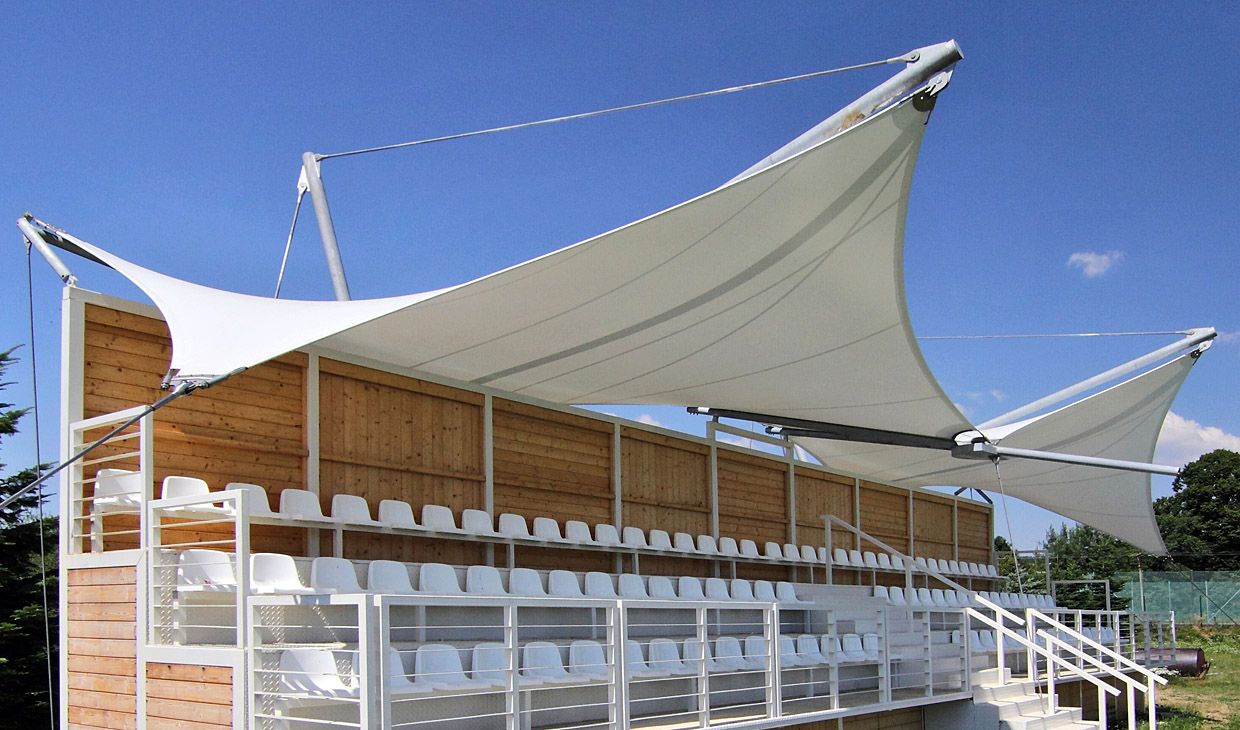
ePTFE membranes offer significant advantages that make them essential across various industries. Their unique properties ensure reliable performance even in harsh conditions, including high temperatures and corrosive environments. These membranes provide excellent moisture management, allowing vapor to escape while preventing liquid penetration, which is main for maintaining the integrity of medical devices and electronic components. The superior chemical stability of ePTFE allows it to outperform traditional materials like PE and PVC, reducing the risk of degradation over time. Furthermore, their lightweight nature eases installation and transport, enhancing overall efficiency in diverse applications. As industries continue to seek durable and effective solutions, the role of ePTFE membranes in improving product reliability remains clear. Collaborating with trusted suppliers who prioritize quality and technical support is vital for maximizing the benefits these membranes offer, ensuring performance standards are consistently met across sectors.
Understanding ePTFE Membrane Properties
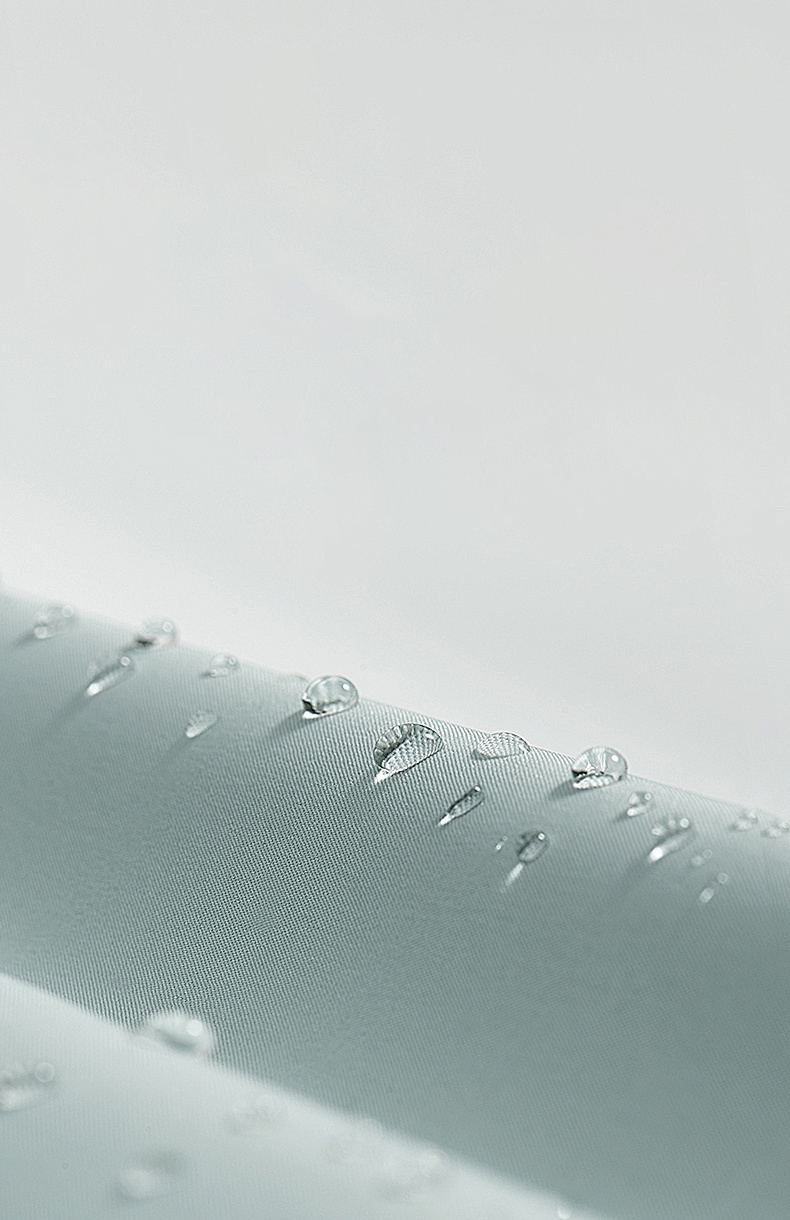
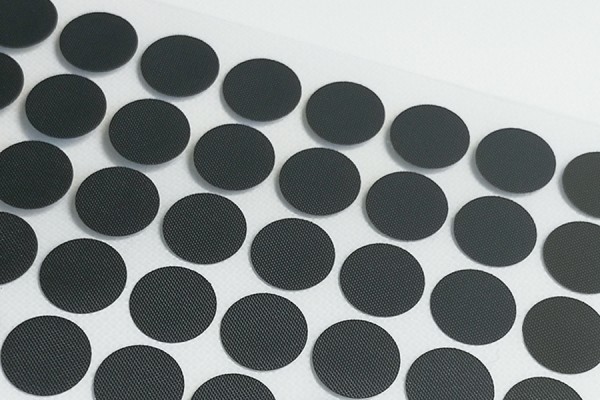
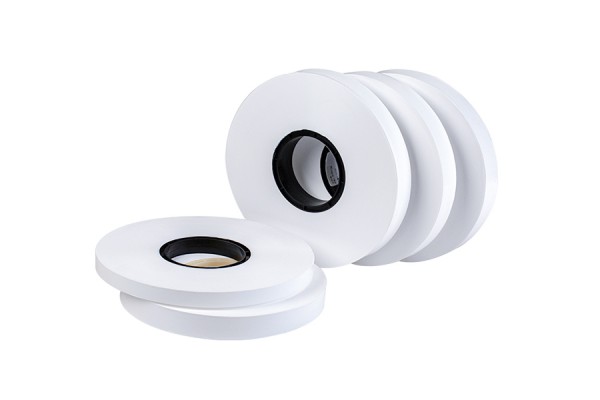
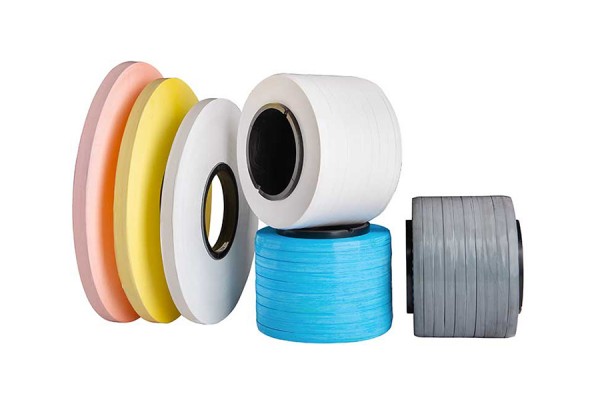
ePTFE membranes are known for their unique, advantageous properties that make them suitable for a diverse range of industrial applications. At the core of these membranes is polytetrafluoroethylene (PTFE), which features a porous structure with a minimum pore size of 0.1 microns, allowing for effective moisture vapor transmission while blocking liquid water. This characteristic is important in environments where moisture management is vital. Furthermore, ePTFE membranes exhibit remarkable chemical stability, resisting degradation from harsh chemicals and extreme temperatures. This durability makes them an ideal choice for applications in demanding sectors like pharmaceuticals and electronics. ePTFE’s low dielectric constant enhances its suitability in electrical insulation materials like PTFE cable wrapping tape and DAC high-speed cable wrapping film. Their ability to provide reliable protection against environmental factors significantly contributes to product reliability, vital in high-stakes applications such as high-speed transmission line PTFE wrapping tape and AEC high-speed cable wrapping film. Each property contributes to the overall functionality of ePTFE membranes across various industries, proving essential for maintaining product performance under challenging conditions.
important Applications of ePTFE Membranes
ePTFE membranes are utilized across diverse industries due to their unique properties. In the medical field, they play a critical role in devices such as urine bags and infusion systems, where their chemical stability and impermeability to liquids ensure safe, hygienic function. The automotive industry relies on ePTFE membranes for applications in filtration and noise reduction, enhancing both air quality and passenger comfort. In the electronics sector, these membranes serve as reliable insulation materials, providing protection for wiring and connectors against environmental stressors. Furthermore, ePTFE membranes are essential in textiles, used for creating waterproof but breathable fabrics, thus increasing performance in outdoor gear. Their versatility makes them indispensable for applications ranging from aerospace to environmental protection systems.
"Choosing the right supplier is essential for optimizing the benefits of ePTFE membranes."
Benefits of ePTFE in Harsh Environments
ePTFE membranes excel in extreme conditions due to their unique properties. Their remarkable chemical resistance allows them to withstand corrosive substances, making them ideal for use in industries like chemical processing and pharmaceuticals. The porous structure of ePTFE also facilitates exceptional breathability while preventing liquid penetration, ensuring that these membranes maintain performance even in wet or humid environments. also, ePTFE membranes demonstrate excellent thermal stability, which is vital for applications exposed to high temperatures or fluctuating thermal conditions. This durability is further enhanced by their low flammability and smoke emission, distinguishing them from traditional materials. In sectors such as telecommunications and electrical engineering, ePTFE’s dielectric properties provide reliable insulation, contributing to improved signal integrity. With these essential characteristics, ePTFE membranes not only improve product reliability but also promote safety and efficiency across various applications in harsh settings.
Comparative analysis: ePTFE vs Traditional Materials
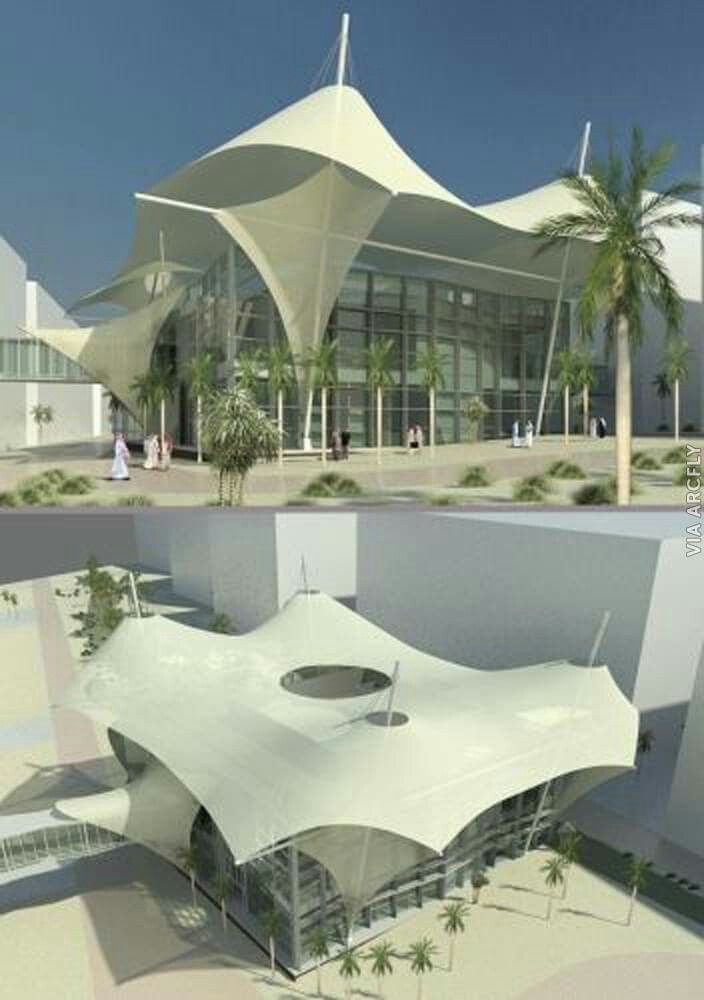
When comparing ePTFE membranes to traditional materials, several important differences emerge. ePTFE, known for its superior chemical stability and high permeability to water vapor, outperforms conventional materials such as polyethylene (PE) and polyvinyl chloride (PVC) in harsh environments. Traditional materials often fail under extreme temperatures or aggressive chemicals, while ePTFE maintains its integrity and performance. furthermore, the low dielectric constant of ePTFE provides excellent insulation properties in electrical applications, reducing signal loss compared to PE and PVC. Furthermore, the lightweight nature of ePTFE contributes to efficiency in installation and use across various applications, including medical devices and environmental monitoring systems. As industries seek durable solutions that can withstand challenging conditions, the advantages of ePTFE mention its role as a reliable alternative to traditional materials. This technological shift opens doors for innovation in product design and application versatility across multiple sectors.

Enhancing product reliability with ePTFE
ePTFE membranes significantly improve product reliability across various applications due to their unique properties. These membranes excel in resisting harsh environmental conditions, including extreme temperatures and corrosive chemicals. Their porous structure allows for excellent gas and vapor permeability while preventing liquid penetration, making them ideal for applications in the medical and electronic sectors. For instance, in medical devices, ePTFE membranes help maintain sterility by allowing moisture to escape without introducing contaminants. In electrical applications, their thermal stability and low moisture absorption ensure that the components function optimally under demanding conditions. Furthermore, the chemical inertness of ePTFE reduces the risk of material degradation over time, further enhancing reliability. By selecting high quality ePTFE membranes from reputable suppliers, manufacturers can ensure that their products meet stringent performance standards while minimizing maintenance needs and potential failures. This results in increased consumer confidence and product longevity in competitive markets.
Technical support and Quality in Suppliers
Selecting an ePTFE membrane supplier necessitates careful evaluation of their technical support and quality assurance practices. Reliable manufacturers invest in complete support systems that assist clients with installation, maintenance, and troubleshooting. This proactive approach ensures that users optimize the performance of ePTFE membranes across various applications. It’s essential to verify whether potential suppliers have a dedicated technical team capable of addressing complex inquiries and providing timely solutions. furthermore, suppliers should adhere to recognized quality standards, reflecting their commitment to delivering consistent product quality. Certifications or compliance with industry regulations can further reassure clients of the supplier’s credibility. As the demand for ePTFE membranes increases across industries such as aerospace, electronics, and medical devices, ensuring robust technical support and high quality materials will play a vital role in maintaining operational efficiency and reliability in end products.
Market trends for ePTFE Membrane Utilization
The demand for ePTFE membranes continues to rise as industries increasingly recognize their unique advantages. A significant trend is their adoption across various sectors, including automotive, electronics, and medical applications. Manufacturers are focusing on enhancing the performance characteristics of ePTFE membranes, such as durability and chemical resistance. This has led to innovations in membrane design and production processes that optimize efficiency and lower costs. furthermore, sustainability plays a main role, with companies seeking eco-friendly options that do not compromise on performance. The flexibility of ePTFE membranes enables tailored solutions for specific applications, facilitating their integration into products in harsh environments. Furthermore, suppliers are investing in technical support services to assist clients in maximizing the benefits of these materials. As a result, the market for ePTFE membranes is expanding rapidly, driven by technological advancements and an increasing focus on reliability and effectiveness across various industrial applications.
Future innovations in ePTFE Membrane Technology
Ongoing advancements in ePTFE membrane technology are paving the way for new applications and enhanced performance. Researchers are focusing on refining the manufacturing process to create even finer pore structures, which may lead to improved gas and liquid permeability. Collaborations between academic institutions and industry leaders are promoting original solutions that will allow for customized membranes tailored to specific environmental conditions. Moreover, there is increased interest in integrating smart technologies into ePTFE membranes, potentially enabling real time monitoring of environmental changes. As the demand for sustainable materials grows, ePTFE is being explored for its compatibility with biodegradable composites, improving its environmental footprint. These innovations not only promise enhanced functionality but also a broader range of industrial applications, from healthcare to electronics, further solidifying the role of ePTFE membranes in modern manufacturing processes.
Conclusion
the significant role of ePTFE membranes in various industries highlights their unique advantages and future potential. Their remarkable properties, such as chemical resilience, thermal stability, and breathable structure, make them a reliable choice for demanding applications. As industries face increasing challenges from harsh environments, the effectiveness of ePTFE membranes not only streamlines processes but also enhances product reliability and safety. Ongoing innovations in membrane technology offer promising opportunities for customizing solutions that can meet specific industry needs. By staying informed about trends and actively seeking quality suppliers with robust technical support, manufacturers can leverage ePTFE membranes to drive improvements in performance across a wide range of sectors. As the market for these materials expands, the collaboration between research and industrial applications will continue to foster improvements that further solidify the significance of ePTFE membranes in modern manufacturing practices.
FAQs
What are the main benefits of ePTFE membranes?
ePTFE membranes offer excellent chemical resistance, thermal stability, and moisture management, making them suitable for various harsh applications.
How do ePTFE membranes differ from traditional materials?
ePTFE membranes provide superior chemical stability and water vapor permeability compared to traditional materials like PE and PVC, which can degrade under extreme conditions.
What industries commonly use ePTFE membranes?
Common industries include automotive, electronics, medical devices, and textiles, where ePTFE membranes improve performance and reliability in various applications.
Can ePTFE membranes improve product reliability?
Yes, their durability and resistance to harsh environments contribute significantly to product reliability by minimizing degradation over time.
How important is supplier quality for ePTFE membranes?
Choosing reputable suppliers is important because they provide high quality materials and technical support to ensure optimal performance in applications involving ePTFE membranes.