
main Takeaways
High-speed transmission line PTFE wrapping tape offers several important advantages that contribute to its significance in modern applications. Its exceptional low dielectric loss plays a key role in ensuring that signals remain clear and undistorted, which is especially vital for maintaining performance in RF communication systems. By effectively minimizing signal degradation, PTFE tape enhances overall communication effectiveness, particularly in environments that demand reliability. Moreover, its ability to withstand extreme temperature variations, combined with resilience against moisture and chemicals, makes PTFE an ideal choice for industries such as aerospace and telecommunications. The dynamic stability of PTFE further reinforces its suitability in applications where mechanical movements occur frequently. These features collectively optimize data transmission efficiency while safeguarding integrity against external interference. Overall, leveraging high-speed transmission line PTFE wrapping tape can lead to significant improvements in performance across a range of demanding scenarios.
Benefits of PTFE Wrapping Tape for High-Speed Cables
High-speed transmission line PTFE wrapping tape plays a important role in optimizing cable performance, primarily due to its low dielectric loss. This unique feature allows for significant reductions in signal attenuation, which is essential for maintaining the quality of high-frequency signals. furthermore, PTFE wrapping film is designed to withstand extreme temperature ranges, making it suitable for various environmental conditions without compromising performance. Its high dielectric strength and stability ensure robust insulation against potential electromagnetic interference, which can disrupt signal integrity. The durability of PTFE cable wrapping tape also supports its use in dynamic applications where movement and stress are factors. These properties make it a helpful choice for applications in sectors that demand high reliability, such as aerospace and telecommunications. Utilizing DAC high-speed cable wrapping film or AEC high-speed cable wrapping film guarantees that users benefit from the advanced technology built into these products, ensuring maximum efficiency in data transmission across all types of connections.
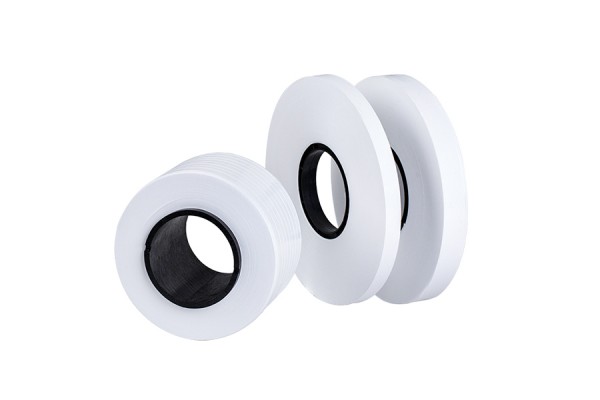
Reducing signal loss in RF Transmission Lines
High-speed transmission line PTFE wrapping tape plays a vital role in minimizing signal loss in RF transmission lines. Its unique unidirectional stretched porous structure significantly reduces high-frequency signal polarization loss, thus enhancing overall signal clarity. The tape’s low molecular polarity ensures that it remains stable even under extreme temperature conditions, operating effectively from -200℃ to 260℃ without temperature drift. This stability is key, as it directly impacts the ability to maintain consistent dielectric performance and reduces any potential attenuation and crosstalk. Furthermore, the material’s exceptional dielectric strength, exceeding 80kV/mm, provides robust insulation against high-voltage fields. This characteristic is essential for preserving the integrity of high-speed differential signals, ensuring they remain unaffected by environmental factors and external interference. Overall, using high-speed PTFE wrapping tape helps secure reliable communications and enhances performance across demanding applications such as military and aerospace sectors.

Why choose PTFE for Extreme Environments
PTFE is an outstanding choice for extreme environment applications due to its exceptional thermal and chemical resistance. This material retains its properties across a broad temperature range, from as low as -200℃ to as high as 260℃, ensuring reliable performance even under the most challenging conditions. Its low molecular polarity contributes to minimal signal loss, an important factor in high-speed transmission applications. Furthermore, PTFE is not affected by moisture, chemicals, or corrosive substances, making it ideal for industries like aerospace and medical where exposure to harsh elements is common. The material’s excellent dielectric strength allows for superior insulation in electrical applications, preventing signal attenuation and maintaining integrity during signal transmission. With these important properties, PTFE wrapping tape stands out as a durable and effective solution for high-speed cables operating in dynamic and extreme environments.
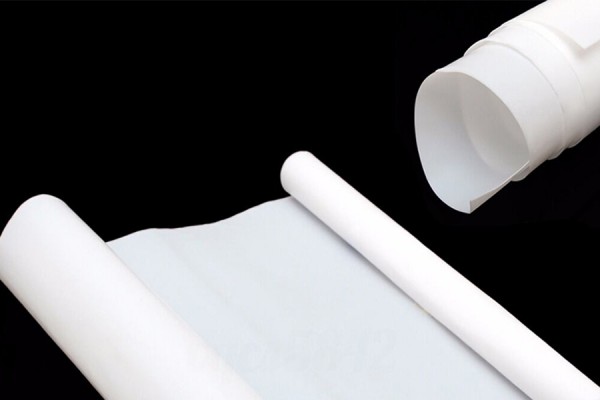
Improving signal integrity with Advanced Tape
The use of high-speed transmission line PTFE wrapping tape significantly contributes to enhancing signal integrity across various applications. Its unique structure minimizes dielectric loss, allowing for the efficient transfer of high-frequency signals with reduced attenuation. This improvement is important in environments where signal clarity and precision are paramount, such as in RF communication systems. PTFE’s chemical resistance and thermal stability ensure consistent performance, even under harsh conditions where traditional materials may fail. Moreover, the tape’s ability to maintain tight tolerance on thickness prevents impedance variations, which could lead to disruptions in signal flow. As a result, engineers and manufacturers are increasingly relying on this advanced tape to support the demanding requirements of modern technology, particularly in aerospace and military applications where reliability cannot be compromised. furthermore, by optimizing transmission lines with PTFE tape, systems can achieve greater bandwidth efficiency, further solidifying its role as an essential component in the design of high-performance communication equipment.
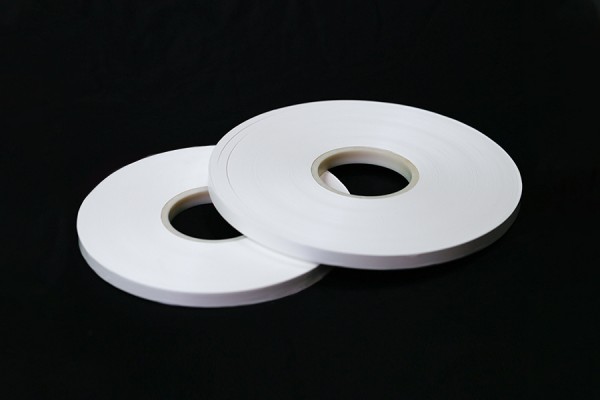
The role of PTFE in Dynamic Cable Applications
PTFE plays a main role in dynamic cable applications, particularly in environments where cables experience significant movement and stress. Its low friction properties help reduce wear and tear, ensuring longevity and reliable performance. For high-speed transmission lines, the ability to maintain signal integrity while continuing mechanical flexing is key. PTFE’s chemical resilience protects against various environmental factors, including moisture and corrosive agents, which can compromise cable function. also, the material’s stable dielectric characteristics prevent signal degradation during operation. This makes PTFE an ideal choice for industries like aerospace and telecommunications, where performance under dynamic conditions is essential. As technology advances, the demand for durable materials like PTFE continues to rise, addressing the increasing complexity of high-speed data transmission applications.
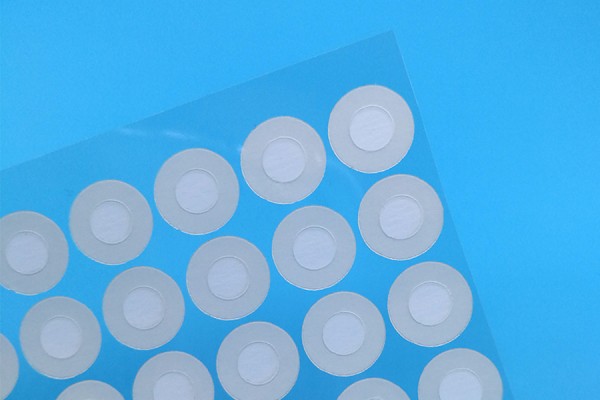
Ensuring consistent performance in RF Communication
Consistent performance in RF communication is essential for ensuring reliable data transmission. High-speed transmission line PTFE wrapping tape plays a significant role in this consistency by minimizing signal loss and crosstalk, which are common challenges in complex communication systems. The chemical properties of PTFE contribute to its low dielectric constant, which reduces signal degradation over distance. This is particularly important in environments where cables may be subject to harsh conditions, such as extreme temperatures or exposure to corrosive elements. Furthermore, the tape’s mechanical stability ensures that it maintains its integrity under dynamic conditions, allowing for effective protection of critical components. By utilizing high quality PTFE wrapping tape, industries can foster greater efficiency and reliability within their RF communication systems, enabling higher speeds and improved performance across applications.
High-Speed Tape Solutions for Aerospace Demands
High-speed transmission line PTFE wrapping tape is essential in aerospace applications, where reliability and performance are paramount. In environments exposed to extreme temperatures and pressures, the tape’s low dielectric loss plays a vital role in maintaining signal integrity. Aerospace components often require wiring solutions that endure significant thermal cycling and mechanical stress. PTFE wrapping tape provides the necessary insulation, ensuring that the cables remain functional without degradation over time. Its resistance to chemicals and moisture further enhances its suitability for aircraft systems where exposure to harsh conditions is common. By utilizing PTFE tape, engineers can effectively reduce signal attenuation, which is important for successful communication in modern avionics. The precision manufacturing of PTFE wrapping tapes ensures consistent thickness across long lengths, which minimizes impedance variations that could disrupt signals. These features make high-speed transmission line PTFE wrapping tape an indispensable resource in developing robust and high-performing aerospace technologies.
Maximizing data transmission efficiency with PTFE
PTFE wrapping tape is essential for achieving optimal data transmission efficiency in a variety of high-speed applications. Its inherent low dielectric loss minimizes signal attenuation, ensuring that data integrity is maintained even in challenging environments. This property is particularly vital for RF communication systems, where unreliable connections can lead to significant performance issues. In addition, the stable performance of PTFE across a wide temperature range allows for consistent use in both extreme heat and cold conditions. The tape’s dimensional accuracy helps maintain uniform impedance, preventing variations that could disrupt signal flow. By using PTFE wrapping tape, manufacturers can improve the overall reliability and efficiency of their transmission lines, making it an ideal choice for industries like aerospace and telecommunications that demand high performance under dynamic conditions.
Conclusion
high-speed transmission line PTFE wrapping tape is essential for optimizing cable performance across various demanding applications. Its unique properties provide robust solutions to challenges such as signal loss, attenuation, and environmental stress. In scenarios where reliability is important, such as aerospace and telecommunications, the advanced features of PTFE material ensure that signal integrity is maintained even in extreme conditions. With capabilities that effectively minimize crosstalk and preserve dielectric strength, this tape is invaluable for high-frequency communications. Organizations leveraging PTFE wrapping tape can expect enhanced efficiency in data transmission, ultimately contributing to better performance outcomes. As technology continues to advance, the role of PTFE in high-speed transmission lines will likely expand further, addressing more complex demands in various industries.
FAQs
What is PTFE wrapping tape used for?
PTFE wrapping tape is primarily used to boost the performance of high-speed transmission lines by reducing signal loss and ensuring signal integrity in extreme environments.
How does PTFE tape reduce signal loss?
PTFE tape minimizes signal loss through its low dielectric constant and unique structural properties, which help to maintain the clarity of high-frequency signals and prevent attenuation.
Can PTFE wrapping tape withstand extreme temperatures?
Yes, PTFE wrapping tape can operate effectively in temperatures ranging from -200℃ to 260℃, making it suitable for various harsh environmental conditions.
Why is PTFE preferred for dynamic cable applications?
PTFE is preferred for dynamic cable applications due to its low friction properties, chemical resistance, and stability under mechanical stress, which help maintain signal integrity during movement.
What industries benefit from using PTFE wrapping tape?
Industries such as aerospace, telecommunications, and military applications benefit from using PTFE wrapping tape due to its reliability and performance in demanding environments.
Is PTFE wrapping tape resistant to moisture?
Yes, PTFE is resistant to moisture and corrosive substances, making it an excellent material choice for environments where exposure to harsh elements is prevalent.
How does the thickness of PTFE tape affect its performance?
The consistent thickness of PTFE tape helps maintain uniform impedance across the transmission line, which is key for preventing disruptions in signal flow.
Can you use PTFE wrapping tape for non-RF applications?
While primarily used in RF applications, PTFE wrapping tape can also be useful in various electrical applications where insulation and signal integrity are needed.