important Takeaways
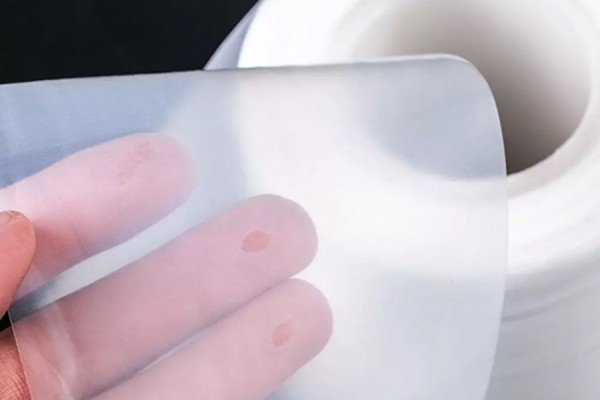
ePTFE membranes are integral to numerous industrial applications due to their superior performance and reliability. Their unique structure allows for exceptional durability, making them resistant to extreme conditions and chemicals. This resilience not only reduces maintenance needs but also enhances the longevity of critical equipment, effectively lowering operational costs. Moreover, when implemented in electrochemical sensors and fuel cells, ePTFE membranes provide main barriers against contaminants, ensuring accuracy and efficiency in measurements. Their effectiveness in liquid rejection further supports their role in industries where cleanliness and safety are paramount, such as biopharmaceuticals and food processing. Overall, the versatility of ePTFE membranes demonstrates their importance in modern industrial practices, contributing to improved outcomes while supporting sustainability and compliance with industry standards.
Applications of ePTFE Membranes in Industry
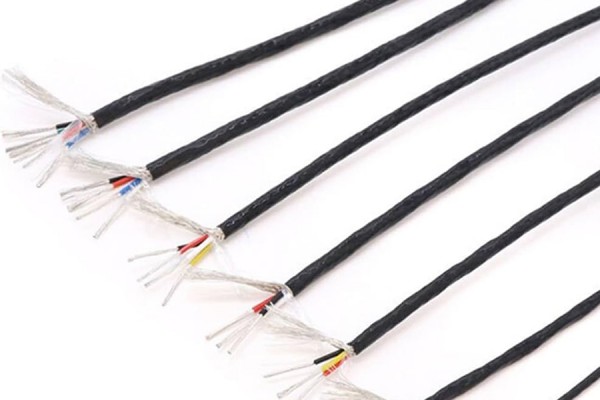
ePTFE membranes find extensive use across various industrial sectors due to their unique properties. These materials excel in applications requiring reliable protection and improved durability. For instance, in electrochemical sensors, ePTFE membranes improve measurement precision by safeguarding against external particles and minimizing electrolyte leakage. This capacity to maintain operational integrity makes them invaluable in industries such as automotive and healthcare, where accuracy is paramount. In addition, ePTFE membranes play a significant role in fuel cell technology, particularly PEM fuel cells, where they bolster mechanical durability amidst fluctuating humidity levels. The effectiveness of these membranes extends to high-speed transmission technologies as well; products like DAC high-speed cable wrapping film and AEC high-speed cable wrapping film incorporate ePTFE characteristics to ensure stable performance under demanding conditions. Furthermore, the versatility of ePTFE is showcased in high-temperature applications across industries that rely on dependable sealing solutions, such as the chemical sector, where PTFE Thread Seal Tape and PTFE wrapping film are commonly employed for their resistance to harsh environments. This broad range of applications underlines the essential role of ePTFE membranes in enhancing reliability and performance across important industrial domains.
ePTFE Membranes for Enhanced Durability
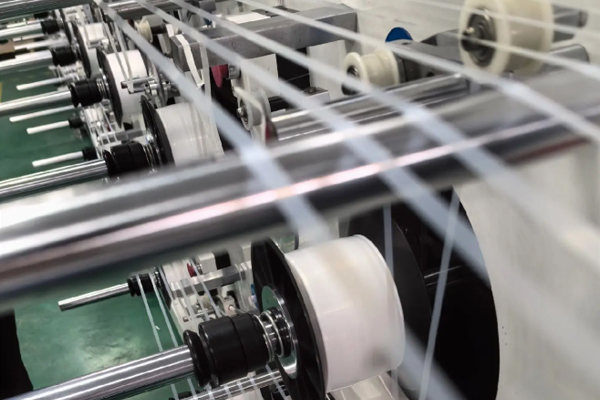
ePTFE membranes exhibit remarkable durability, making them suitable for various demanding industrial applications. Their robust structure allows them to withstand extreme conditions, including significant temperature fluctuations and chemical exposure. This resilience ensures that equipment operates efficiently over extended periods without frequent replacements or repairs. By utilizing ePTFE membranes, industries can reduce maintenance costs and downtime associated with equipment failures.
Moreover, the creep resistance of these membranes boosts their performance under mechanical stress, where traditional materials might commonly fail. This essential characteristic translates to improved reliability in sensitive settings, such as fuel cells and electrochemical sensors.
"Choosing ePTFE membranes can significantly extend the lifespan of critical components."
In the context of high-temperature applications, their ability to maintain integrity under heat ensures that processes remain stable and safe, reducing risk factors in manufacturing environments. Ultimately, integrating ePTFE membranes enhances operational durability while simultaneously addressing performance challenges across various sectors.
Improving electrochemical sensor performance with ePTFE
ePTFE membranes significantly improve the reliability and precision of electrochemical sensors. By providing a robust barrier against contaminants, these membranes prevent external particles and electrolyte leakage, which can compromise sensor accuracy. The unique microporous structure of ePTFE allows for optimal gas permeability while effectively blocking liquid intrusion. This capability is essential in various applications where moisture and debris can lead to erroneous readings, such as in environmental monitoring or industrial process control. Furthermore, the mechanical strength and thermal stability of ePTFE materials improve the longevity of sensors, making them suitable for demanding environments. These features combined ensure that electrochemical sensors equipped with ePTFE membranes can deliver consistent performance over time, ultimately supporting advancements in technology that rely on precise measurements.
Fuel cell solutions: ePTFE Membrane Benefits
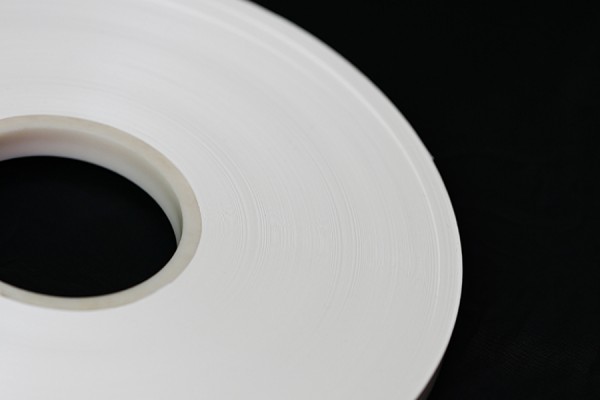
ePTFE membranes play a main role in enhancing the performance of fuel cells, particularly in Proton Exchange Membrane (PEM) fuel cells. These membranes possess excellent mechanical strength, allowing them to withstand the stresses that occur during fuel cell operation. Their ability to absorb and release moisture helps to optimize performance by managing humidity levels, which is essential for efficient fuel cell function. also, ePTFE membranes resist chemical attack from various contaminants, promoting durability and longevity in demanding environments. This resistance contributes significantly to the overall reliability of fuel cells, making them suitable for both stationary and mobile applications. Moreover, the microporous structure of ePTFE allows for effective gas transmission while preventing liquid ingress. This feature is main in maintaining the integrity and efficiency of PEM fuel cells during operation, as it minimizes risks associated with flooding or drying-out conditions. These advantages position ePTFE as a vital component in advancing fuel cell technologies required for clean energy solutions.
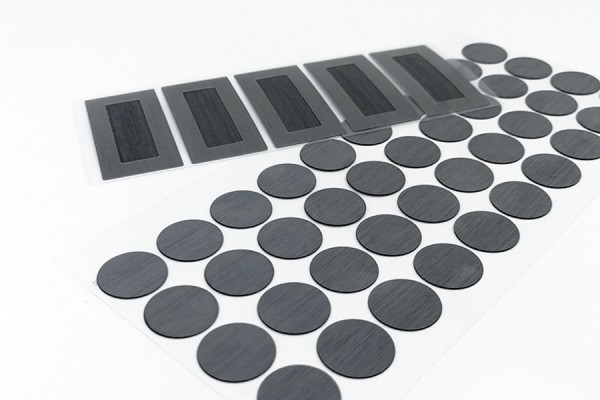
Liquid rejection features of ePTFE Membranes
ePTFE membranes are engineered to excel in liquid rejection while facilitating gas transmission. These membranes’ microporous structure effectively blocks liquids and particulate matter, making them ideal for applications in industries where cleanliness and precision are vital. For instance, in biopharmaceutical manufacturing, ePTFE membranes safeguard against contamination by stopping liquids from penetrating critical areas. This capability proves essential for maintaining the integrity of sensitive processes and ensuring high quality product outcomes. Furthermore, the liquid rejection properties of ePTFE membranes extend their use in food processing, where clean processing environments are critical. The robustness of these membranes allows them to endure various conditions while maintaining performance standards, thus enhancing the reliability of systems that depend on liquid containment and control. Overall, the combination of effective liquid rejection and gas permeability positions ePTFE membranes as a important component in numerous industrial applications focused on safety and efficiency.
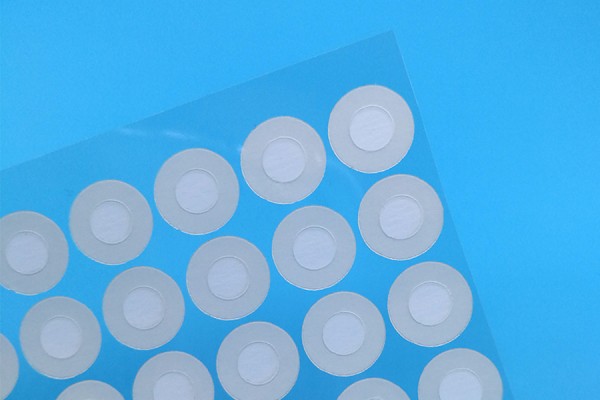
Reliable protection with ePTFE Technology
ePTFE technology offers remarkable reliability across various applications, providing robust protection against environmental factors. Its unique microstructure ensures excellent barrier properties, effectively preventing liquids and corrosive substances from compromising equipment integrity. The non-wetting nature of ePTFE membranes makes them ideal for sealing applications in harsh chemical environments, where traditional materials may fail. furthermore, these membranes exhibit exceptional durability, maintaining performance under fluctuating pressures and temperatures. Industries such as biopharmaceuticals benefit significantly from the enhanced reliability of ePTFE technology, where product purity and equipment longevity are paramount. Furthermore, in high-temperature settings, the thermal stability of ePTFE materials ensures consistent operation without degradation. As a result, many sectors are increasingly adopting these membranes to safeguard critical processes while minimizing maintenance needs and downtime. This adaptability reinforces the effectiveness of ePTFE technology in preserving operational efficiency, making it a preferred choice for manufacturers aiming to extend the lifespan of their equipment while ensuring reliable performance.
Understanding ePTFE in Biopharmaceuticals
ePTFE membranes play a significant role in biopharmaceutical applications, offering reliable performance in various processes. These membranes provide exceptional barrier properties, effectively preventing contamination while ensuring the safe handling of sensitive biological materials. Their chemical resistance is vital in bioprocessing environments, allowing them to withstand aggressive solvents and reactants commonly used in the industry. Moreover, ePTFE membranes contribute to improved durability and longevity of filtration systems, which is essential for maintaining product quality over time. Their microporous structure facilitates efficient gas exchange while blocking harmful liquids and particulates, making them ideal for critical processes such as fermentation and cell culture production. By integrating ePTFE membranes into biopharmaceutical manufacturing, companies can improve operational efficiency while ensuring compliance with stringent regulatory standards, underscoring their importance in advancing the field.
The role of ePTFE in High-Temperature Applications
ePTFE membranes are recognized for their ability to perform in high-temperature environments, which are essential in various industries. Their excellent thermal stability allows them to maintain integrity and function even under extreme conditions. In applications such as aerospace and automotive, where heat levels can fluctuate significantly, ePTFE membranes provide reliable sealing solutions that prevent leaks and protect sensitive components. The unique properties of these membranes also make them suitable for use in chemical processing, where exposure to aggressive substances at elevated temperatures is common. The ability of ePTFE to withstand thermal cycling further enhances its appeal in applications that frequently experience temperature variations. furthermore, manufacturers often look for materials that can deliver consistent performance over long periods, making ePTFE an ideal choice for demanding industrial applications. This reliability fosters a safer work environment and optimizes operational efficiency across various sectors, solidifying the role of ePTFE membranes in high-temperature applications.
Conclusion
ePTFE membranes have emerged as a critical component in various industrial applications, thanks to their unique properties that improve reliability and performance. Their ability to withstand harsh environments and resist chemicals ensures the integrity of equipment and processes across sectors like automotive, healthcare, biopharmaceuticals, and energy. The advanced features of ePTFE membranes, including their effectiveness in moisture management and liquid rejection, significantly improve operational efficiency while reducing maintenance costs. As industries increasingly seek materials that provide consistency in performance, ePTFE membranes stand out for their durability and reliability in high-stress conditions. This technology not only safeguards sensitive processes but also contributes to the long term sustainability of operations. By integrating ePTFE into critical applications, manufacturers can achieve better outcomes while maintaining compliance with industry standards.
FAQs
What are ePTFE membranes?
ePTFE membranes are advanced polymer materials known for their excellent barrier properties, durability, and chemical resistance.
How do ePTFE membranes boost sensor performance?
They improve sensor reliability by providing a barrier against contaminants while allowing optimal gas permeability.
What industries benefit from using ePTFE membranes?
Industries such as healthcare, automotive, biopharmaceuticals, and energy utilize ePTFE membranes for their reliability and performance.
Can ePTFE withstand high temperatures?
Yes, ePTFE membranes maintain integrity and function effectively even in extreme temperature conditions.
How do ePTFE membranes assist in biopharmaceutical applications?
They prevent contamination and support safe handling of sensitive biological materials through their robust barrier properties.
Are there applications where liquid rejection is main?
Yes, sectors like food processing and pharmaceuticals require effective liquid rejection to ensure cleanliness and product quality.